The Living Museum of Potential Disaster
Your home’s electrical system isn’t just a collection of wires; it is a living history of every lazy decision, every budget-cutting shortcut, and every misunderstood technological leap of the last century. When I walk into a house built in 1920, I’m not looking at a ‘classic’—I’m looking at a forensic site. The 2026 National Electrical Code (NEC) updates aren’t suggestions designed to pad an electrician’s pocket; they are the result of thousands of home fires and ‘near-miss’ investigations where the physics of electricity simply outpaced the infrastructure of the dwelling. If you are still running on a 60 amp panel upgrade or hoping that cotton-braid insulation from the FDR administration will hold up under the load of a modern home theater wiring setup, you are living inside a slow-motion explosion.
The Old Timer’s Curse: Why Every Nick Matters
My journeyman used to carry a heavy brass level, and he’d smack my hand with it if he saw me stripping a wire with a pocket knife. ‘You nick that copper, kid, and you’ve just built a heater,’ he’d scream. At 19, I thought he was just a miserable old man. Thirty-five years later, I know he was a prophet. When you score the surface of a copper conductor, you reduce its cross-sectional area. In the world of high-load appliances, that nick becomes a point of high resistance. Resistance generates heat. Heat causes the copper to expand at a different rate than the terminal screw holding it in place—a process we call thermal cycling. Eventually, that connection loosens, an arc-fault begins to dance, and your wall starts to smell like ozone and burnt plastic. This fundamental truth of physics is why the 2026 NEC has doubled down on the mandatory knob and tube removal in any space where thermal insulation is present.
“Aluminum wire connections can overheat and cause a fire without tripping the circuit breaker.” – CPSC Safety Alert 516
Update 1: The Death of the 60-Amp Service (NEC Article 230)
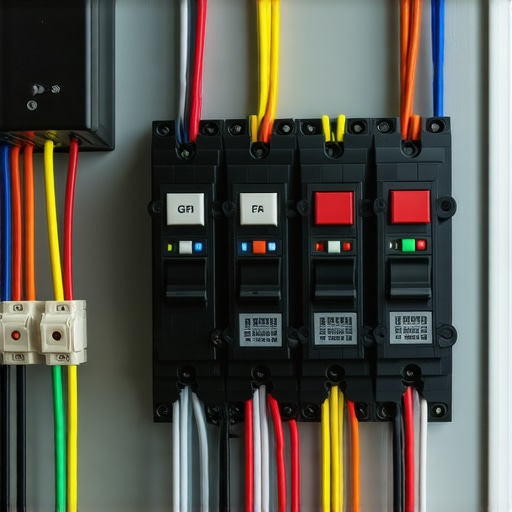
For decades, we’ve limped along with 60-amp services in smaller bungalows, but the 2026 code finally recognizes the reality of modern demand. Between EV chargers, heat pumps, and induction cooktops, 60 amps is no longer just inadequate—it’s a fire hazard. We are seeing a massive push for a 60 amp panel upgrade to at least 200 amps as a baseline for any significant renovation. When you pull 55 amps through a 60-amp main breaker for six hours straight, the internal bi-metallic strip in the breaker degrades. It loses its ‘memory.’ Eventually, it won’t trip when it should, or it will ‘weld’ shut. If you’re looking at a camper electrical panel or a workshop with three phase power services, the load calculations have become even more stringent to prevent bus bar meltdown. Transitioning to a modern service isn’t just about more power; it’s about the safety of the bussing system and the integrity of the main bonding jumper.
Update 2: Article 394 and the Knob and Tube Mandate
If you have knob and tube removal on your to-do list, the 2026 NEC has made it a ‘now or never’ situation. The issue isn’t just the age of the wire; it’s the environment. Knob and tube was designed to run through open air pockets in joists to dissipate heat. When modern homeowners blow cellulose or fiberglass insulation into those walls to save on heating bills, they are effectively wrapping a toaster element in a blanket. The 2026 updates clarify that any circuit containing K&T must be decommissioned if it is to be surrounded by insulation. I’ve used my Tick Tracer to find ‘hot’ spots in attic floors where the K&T was buried, and the readings are terrifying. The rubberized cloth insulation turns to dust the moment you touch it, leaving 120 volts of potential energy exposed to dry wood shavings. This isn’t a ‘rough-in’ fix; it’s a complete home run replacement with modern Romex or MC cable.
Update 3: Integrated Fire Safety and Low Voltage (Article 760 & 800)
The 2026 code is bridging the gap between high-voltage power and the ‘brains’ of the house. Fire alarm system install requirements now demand deeper integration with home automation. It’s no longer enough to have a standalone puck on the ceiling. The code now pushes for interconnected systems that can kill the HVAC blower (to prevent smoke distribution) and unlock smart deadbolts. Similarly, with the explosion of ethernet wiring services for home offices and home theater wiring, the NEC is cracking down on ‘spaghetti’ wiring in the attic. Low-voltage wires can’t just be draped over high-voltage lines. Induction can occur, or worse, a fault in a 120V line can energize your entire ethernet network, frying every device in the house. We are now seeing requirements for physical separation or listed dividers in junction boxes to keep your Cat6 from becoming a fuse for your holiday light installation.
“The authority having jurisdiction shall have the authority to require evidence of compliance… to ensure the safety of electrical installations.” – NFPA 70 (NEC)
Update 4: Exterior Durability and Seasonal Loads (Article 406 & 590)
The 2026 code updates specifically address the ‘temporary’ wiring that often becomes permanent. Christmas light services and holiday light installation have historically been the wild west of electrical safety. The new code mandates ‘In-Use’ weather covers and dedicated GFCI protection for all seasonal outlets, regardless of their height from the ground. Furthermore, bollard light installation in residential pathways now requires stricter burial depths and the use of specific conduit types to prevent ‘frost heave’ from snapping the wires. I’ve seen bollard light installation jobs where the homeowner used interior-rated wire in a shallow trench; three years later, the salt-heavy moisture turned the copper into a green, non-conductive powder. Using the right materials for three phase power services or even simple outdoor lighting is the difference between a beautiful yard and a lethal landscape. For those struggling with their current exterior setups, how electricians tackle troubleshooting for lighting installations provides a glimpse into the diagnostic rigor required to find a ground fault in a buried line.
The Forensic Reality: Don’t Trust the ‘Handyman’
I’ve spent half my career cleaning up after ‘handymen’ who think electricity is just ‘black to black, white to white.’ They don’t own a Wiggy (solenoid tester), they don’t understand the physics of a shared neutral, and they certainly don’t follow the NEC. They leave ‘monkey shit’ (duct seal) out of the service mast, allowing water to drip directly into the lungs of the electrical panel. They skip the rough-in inspection because they know their work won’t pass. When you are dealing with something as high-stakes as an EV charger, skipping the professional route is a gamble with your life. You can read about ensuring safe and efficient EV charging station setup at home to understand the complexity involved. If your camper electrical panel keeps tripping or your fire alarm system install is chirping, don’t ignore it. Electricity has no mercy, and the 2026 NEC is the only map we have to navigate its dangers. If you need a professional to look at your setup, you can contact us before the ‘fishy smell’ in your walls becomes a 911 call. Sleep at night knowing your lugs are torqued to spec and your grounds are solid. Anything less is just waiting for the fuse to burn out.