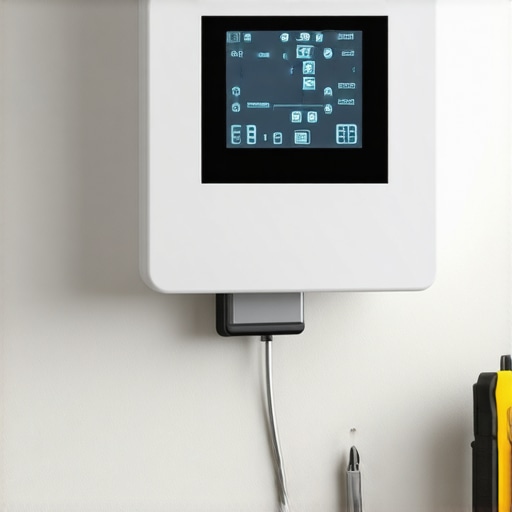
The Gritty Reality of the Modern Grid
I’ve spent thirty-five years in the field, and if there’s one thing I’ve learned, it’s that electricity doesn’t care about your budget—it only cares about the path of least resistance. My old journeyman used to smack my hand if I stripped a wire with a knife. ‘You nick the copper, you create a hot spot,’ he’d scream. He was right. That tiny microscopic score in the metal creates a bottleneck for electrons, leading to localized resistance, thermal expansion, and eventually, a charred mess inside your wall. We’re seeing that same lack of precision today in how people approach energy management. If you’re still relying on an old analog spinning-disk meter, you’re essentially flying a plane with a broken altimeter. By 2026, the cost of energy isn’t just about what you use; it’s about when you use it and how your infrastructure handles the load.
1. Precision Load Monitoring and the Death of Ghost Loads
The first big win with a smart meter installation is the forensic level of detail it provides. In mid-century homes, we often see a ‘dirty’ electrical environment where old Romex is leaking current or appliances are ‘hunting’ for voltage. A smart meter acts like a 24/7 digital auditor. It identifies ‘ghost loads’—the silent killers of your bank account. When we perform a warehouse lighting retrofit, we don’t just swap bulbs; we look at the entire circuit’s harmonic distortion. A smart meter identifies these spikes. Without this data, you’re just guessing. I’ve walked into shops where the vibration analysis services showed motors were fighting against poor power quality, causing them to draw 20% more current than necessary. A smart meter identifies these phase imbalances before they burn out a motor winding. This isn’t about ‘green living’; it’s about mechanical survival.
“The terminal identification for a grounded conductor shall be substantially white in color.” – NEC Article 200.9
2. Integrating Solar Panel Electrical Hookups for True Grid Independence
You can’t just slap some panels on a roof and expect the meter to spin backward effectively. A smart meter is the brain of a solar panel electrical hookup. It manages the ‘Net Metering’ handshake with the utility. The physics here are brutal: if your inverter isn’t communicating perfectly with the meter, you’re pushing power into a grid that might not be crediting you correctly. We often see homeowners forget that their service mast and grounding rods need to be up to snuff to handle bidirectional flow. If your grounding system is corroded—especially in dock electrical services where salt air eats copper for breakfast—your smart meter will throw a fault code. This is why we insist on using dielectric grease and stainless hardware in coastal environments to prevent galvanic reaction from skewing your readings.
3. Future-Proofing with CAT6 Cabling and Smart Data Streams
Modern energy management requires more than just high-voltage lines. To truly cut costs in 2026, you need a data backbone. Integrating CAT6 cabling services alongside your electrical upgrade allows your meter to talk to your HVAC and EV charger without RF interference. I’ve seen wireless smart meters fail because they were buried behind a thick stucco wall with wire lath—essentially a Faraday cage. By pulling a dedicated data line during the rough-in phase, you ensure that your energy data isn’t dropped into the ether. This level of connectivity is what makes ensuring safe and efficient EV charging station setup at home actually possible. If the meter knows the car is thirsty but the house is at peak load, it can throttle the charge to avoid a heavy-up on your panel that could cost thousands.
4. Underground Wiring and Trenching: The Reliability Win
Overhead lines are a liability. Between falling branches and wind-induced ‘galloping,’ your power quality fluctuates, which can fry sensitive smart electronics. Moving to underground wiring services is the ultimate win for long-term cost reduction. When we are trenching electrical conduit, we aren’t just digging a hole; we’re creating a controlled environment for your conductors. We use ‘monkey shit’ (duct seal) to keep moisture out of the pipe, preventing the ‘cold creep’ that happens when aluminum conductors are exposed to thermal cycling in damp earth. This stability is critical for smart meters to maintain their calibration. For those worried about the upfront cost, looking into financing electrical upgrades is a smart move because the reduction in emergency fire damage wiring restoration costs and utility spikes pays for the trenching over time.
“Aluminum wire connections can overheat and cause a fire without tripping the circuit breaker.” – CPSC Safety Alert 516
5. Mitigation of Seasonal Surges and Holiday Light Installation
Most people don’t think about their meter when they’re hanging decorations, but holiday light installation can put a massive, unbalanced load on a single phase of your panel. A smart meter alerts you when you’re nearing the ampacity limit of your bus bars. I’ve seen panels where the main lug was literally discolored from the heat of 50,000 incandescent bulbs. A smart meter allows you to see that heat in the data before it becomes a smell in the garage. This is where your tick tracer and Wiggy come in handy during the install, but the smart meter provides the long-term oversight. If you’re planning a big display, you need to know if your 100-amp service can handle it, or if it’s time for a service upgrade to 200 or 400 amps. You can find more about managing these loads in our lighting installations guide.
The Forensic Inspector’s Verdict
Don’t let a handyman ‘rough-in’ your future. Whether you are dealing with fire damage wiring restoration or just trying to get a handle on your 2026 bills, the smart meter is your most powerful tool. It’s the difference between knowing why your breaker tripped and just resetting it until the bus bar melts. Torque your lugs, seal your conduits, and treat your electrical system with the respect it deserves. If you don’t, the physics of resistance will eventually send you a bill you can’t pay. Sleep better knowing your connections are tight and your data is accurate. If you’re seeing weird flickers or your bill is jumping for no reason, it’s time to stop guessing and start measuring.