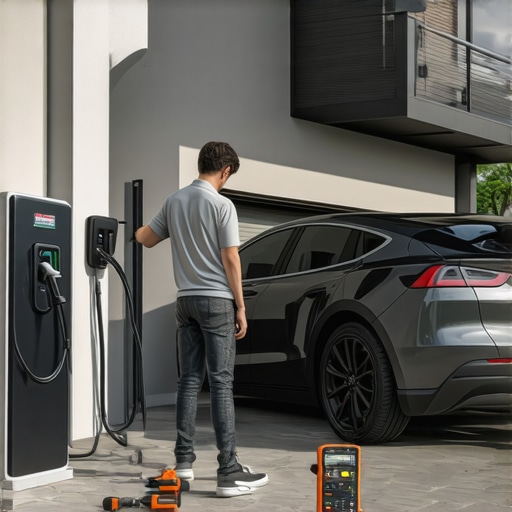
My Journey Into the World of EV Charging and Lighting
When I first decided to upgrade my home with an electric vehicle (EV) charger, I underestimated the complexity involved. I remember the initial excitement of planning the installation, only to be met with unexpected troubleshooting issues and lighting setup challenges. Sharing my personal experience, I hope to shed light on common problems and solutions that fellow homeowners might face.
Why Troubleshooting Your EV Charger Can Feel Like Solving a Puzzle
One day, my EV charger suddenly stopped working, and I felt a surge of frustration. I learned that many issues stem from simple causes such as loose connections or outdated wiring. According to an expert guide, proper troubleshooting involves checking the circuit breaker, inspecting the power supply, and verifying the charger compatibility. I found that following a systematic approach helped me identify and fix the problem faster than I expected.
Getting to the Root of Lighting Installation Challenges at Home
Lighting is another area where I faced hurdles—particularly when installing new fixtures in dimly lit spaces. It became clear how crucial proper wiring and fixture placement are for safety and aesthetics. My experience aligns with the insights shared in lighting troubleshooting tips, which emphasize using quality materials and double-checking connections. This knowledge transformed my approach from trial-and-error to confident, professional-level installations.
How Do I Ensure My Home’s Electrical System Is Safe for EV Charging and Lighting?
This question haunted me initially, but I found reassurance through expert advice. Ensuring safety involves adhering to local electrical codes, using dedicated circuits for EV chargers, and scheduling regular inspections. For a comprehensive understanding, I referred to professional electrician guidelines. Trusting licensed electricians and following their recommendations has been my best decision for peace of mind.
If you’re navigating similar challenges, I encourage you to share your experiences or ask questions below. Sometimes, a simple tip from someone who’s been through it can make all the difference in your home upgrade journey.
Mastering the Art of Electrical Troubleshooting for Homeowners
As an experienced electrician, I can attest that troubleshooting your home’s electrical system, especially for EV charging and lighting, requires a keen eye for detail and a methodical approach. Recognizing the signs of common issues—such as flickering lights, slow charging, or tripped breakers—can save you time and prevent potential hazards. For instance, inspecting the circuit breaker and ensuring that your EV charger is on a dedicated circuit can often resolve many problems. When in doubt, consulting a comprehensive resource like lighting troubleshooting tips can provide valuable guidance.
Practical Strategies to Optimize Lighting and EV Charging Safety
One of the most overlooked aspects of home electrical safety is proper wiring. Using high-quality materials and following local electrical codes are non-negotiable steps. Regular inspections—something I recommend every couple of years—can catch issues before they escalate. For EV chargers, installing a dedicated circuit not only ensures safety but also optimizes performance. When installing new fixtures or chargers, pay attention to proper placement and secure connections. Remember, a well-placed fixture can make a significant difference in both safety and ambiance. To deepen your understanding, explore expert electrician guidelines.
How Can Advanced Troubleshooting Techniques Elevate Your Home Safety?
Advanced troubleshooting involves understanding the nuances of electrical flow and recognizing subtle signs of potential failures. Using tools like multimeters and circuit testers allows for precise diagnosis. For example, verifying voltage levels at outlets or checking for grounding issues can prevent dangerous situations. Moreover, integrating smart home systems can provide real-time alerts for electrical faults, significantly enhancing safety. The key is staying informed about the latest troubleshooting methods and tools, which can be learned through trusted sources such as homeowner troubleshooting guides.
What Are the Practical Implications of Proper Troubleshooting for Home Safety and Efficiency?
Proper troubleshooting not only safeguards your home but also ensures your systems operate at peak efficiency. Faults like loose wiring or outdated components can lead to higher energy bills and increased wear on your equipment. By systematically diagnosing and fixing issues, you extend the lifespan of your lighting fixtures and EV chargers. Plus, maintaining a safe electrical environment helps protect your loved ones from potential hazards. If you’d like to learn more about practical troubleshooting steps, I recommend visiting comprehensive troubleshooting guides.
Share your experiences or ask questions below—sometimes, a simple tip from a fellow homeowner can make all the difference in your electrical safety journey. For further reading, check out top electrician tips for troubleshooting.
Exploring the Hidden Layers of Home Electrical Troubleshooting
As I delved deeper into the world of electrical systems, I realized that troubleshooting isn’t just about fixing immediate problems; it’s about understanding the intricate dance of electrons, connections, and safety protocols that keep our homes running smoothly. One experience that underscored this was diagnosing a subtle flickering in a living room light—initially dismissed as a minor issue, but upon closer inspection, it revealed loose wiring behind the fixture, a potential fire hazard if left unaddressed. This taught me that meticulous attention to detail and a keen eye for subtle signs are essential skills for any homeowner venturing into troubleshooting.
The Nuanced Role of Advanced Tools in Home Electrical Diagnosis
Using tools like multimeters, clamp meters, and circuit testers became game-changers in my troubleshooting journey. For instance, verifying voltage levels at different outlets helped identify inconsistent power supply issues caused by faulty breakers or wiring. I also learned that grounding problems often manifest as unexplained shocks or flickering lights—signs that require precise diagnosis. According to expert electrician guides, mastering these tools is critical for safe and effective troubleshooting, especially when dealing with high-voltage systems like EV chargers.
How Do Smart Home Technologies Enhance Troubleshooting Capabilities?
Integrating smart electrical systems has revolutionized how I monitor and troubleshoot my home’s wiring. Smart circuit breakers and home energy monitors provide real-time data and alerts about anomalies, such as voltage drops or circuit overloads. This proactive approach not only saves time but significantly enhances safety, allowing me to address issues before they escalate. For homeowners interested in this tech-savvy upgrade, exploring lighting troubleshooting tips can offer valuable insights into integrating these systems seamlessly.
What Are the Critical Considerations for Ensuring Long-Term Electrical Safety?
Beyond immediate repairs, I found that establishing a routine of regular inspections and maintenance is vital. This includes checking for signs of wear, corrosion, or overheating, especially in areas exposed to moisture or high usage. Adhering to local electrical codes, as outlined in professional electrician guidelines, ensures that all upgrades are compliant and safe. Additionally, investing in quality materials and professional installation can prevent many common issues that lead to costly repairs or hazards down the line.
Reflecting on the Depths of Troubleshooting: What Next?
This journey has taught me that electrical troubleshooting is as much an art as it is a science. It requires patience, curiosity, and a willingness to learn continuously. Each problem solved deepens my understanding and prepares me for future challenges. For those contemplating taking on similar tasks, I encourage sharing your experiences or asking questions—sometimes, a fresh perspective or a tip from someone who’s been there can make all the difference. To further enhance your knowledge, exploring comprehensive troubleshooting guides can be invaluable. Remember, safety and knowledge go hand in hand, and each step you take towards understanding your electrical system contributes to a safer, more efficient home environment.” ,
Unveiling the Complexity of Electrical Diagnostics in Modern Homes
As my expertise deepened, I realized that troubleshooting isn’t merely about fixing immediate issues but about understanding the subtle interplay of electrical components that sustain our daily lives. For instance, a seemingly minor flicker in a chandelier often signals underlying wiring fatigue or a compromised connection—issues that, if left unaddressed, could escalate into safety hazards. Recognizing these signs requires a blend of keen observation and technical knowledge, honed through years of hands-on experience and continuous learning.
Leveraging Cutting-Edge Diagnostic Tools for Precision and Safety
In my journey, integrating advanced diagnostic tools such as digital multimeters, clamp meters, and thermal cameras revolutionized my approach to troubleshooting. These instruments enable precise measurement of voltage, current, and heat signatures, revealing hidden faults that traditional methods might overlook. For example, detecting hotspots behind outlets or fixtures can preempt failures and prevent potential fires. According to expert electrician resources, mastering these tools is essential for effective diagnostics, especially in complex systems like EV chargers and smart lighting networks.
How Can Integrating Smart Home Technology Transform Troubleshooting Efficiency?
Smart home systems—such as intelligent circuit breakers and real-time energy monitors—offer unprecedented insights into electrical health. These devices provide instant alerts on anomalies, allowing for rapid intervention before issues escalate into emergencies. My personal experience confirms that integrating these technologies not only enhances safety but also simplifies routine maintenance, saving both time and money. For homeowners eager to adopt such innovations, exploring smart electrical solutions can be transformative.
Developing a Proactive Maintenance Routine for Long-Term Safety
Beyond reactive troubleshooting, establishing a proactive maintenance schedule has been pivotal in my practice. Regular inspections—focusing on signs of wear, corrosion, and overheating—help identify potential faults early. For instance, inspecting connections in high-moisture areas like kitchens and bathrooms can prevent corrosion-induced failures. Adhering to local electrical codes and standards ensures compliance and safety, providing peace of mind for homeowners and electricians alike.
The Art of Diagnosing Subtle Electrical Anomalies
One of the most challenging aspects of advanced troubleshooting involves diagnosing subtle signs—such as intermittent power fluctuations or unusual noise—that often precede major failures. These require a disciplined approach: meticulous testing, patience, and a solid understanding of electrical theory. For example, a slight voltage drop detected during routine measurements could indicate a degraded breaker or loose wiring connection, issues that demand targeted repairs. As emphasized by experienced electricians, recognizing these nuances is crucial for preventing costly repairs and ensuring safety.
Encouraging Deeper Engagement and Knowledge Sharing
If you’re passionate about elevating your troubleshooting skills, I invite you to share your insights or pose questions. The journey toward mastery is ongoing, and exchanging experiences fosters a richer understanding. For those interested in expanding their technical toolkit, exploring dedicated resources like lighting troubleshooting tips can be immensely beneficial. Remember, every challenge overcome enhances your confidence and contributes to a safer, more efficient home environment.
Things I Wish I Knew Earlier (or You Might Find Surprising)
The Hidden Power of Routine Checks
Initially, I underestimated how essential regular inspections are for maintaining a safe and efficient electrical system. A simple routine check could have caught that loose wiring behind my living room fixture before it caused flickering or a potential fire hazard. Learning to perform these checks regularly has saved me time and money.
Beyond the Basics: Advanced Diagnostic Tools
Discovering tools like multimeters and clamp meters transformed my troubleshooting approach. They allowed me to identify issues like voltage drops or faulty grounding quickly. Using these instruments, I could diagnose problems that would have otherwise taken hours to find—saving me stress and enhancing safety.
The Subtle Signs of Trouble
Flickering lights, unusual noises, or slight shocks are more than minor annoyances—they’re signals something’s off. Recognizing these subtle signs early can prevent larger, costly repairs. For example, I learned that persistent flickering often indicates loose wiring or failing components that need immediate attention.
Safety Isn’t Just a Checklist
Adhering to local electrical codes and using dedicated circuits for high-power devices like EV chargers is vital. It’s not just about compliance but about safeguarding my home and loved ones. Regular professional inspections have become a cornerstone of my safety routine.
Embracing Smart Technology
Smart electrical systems, such as real-time energy monitors, provide alerts about issues before they become emergencies. Integrating these into my home made troubleshooting more proactive, giving me peace of mind and better control over my electrical safety.
Resources I’ve Come to Trust Over Time
- Reliable Electric Pro Blog: This site offers comprehensive guides on troubleshooting and safety, which helped me understand complex issues in an accessible way.
- National Electrical Code (NEC): Following this authoritative standard has ensured my installations are safe and compliant.
- Local Electrician Consultations: Building relationships with licensed electricians has provided invaluable personalized advice and peace of mind.
Parting Thoughts from My Perspective
Electrical troubleshooting can seem daunting at first, but with patience, proper tools, and knowledge, it becomes manageable—and even empowering. Prioritizing safety through regular inspections, learning to use diagnostic tools, and embracing smart technology has transformed my approach to home electrical health. If this resonated with you, I’d love to hear your thoughts or experiences. Sharing our journeys can help everyone live safer, smarter, and more confident in their homes.