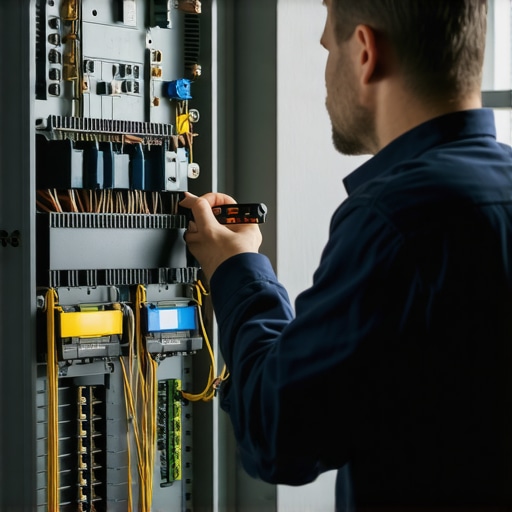
My Journey into Lighting Safety: A Personal Reflection
Last year, I faced a frustrating lighting issue during a home renovation. A flickering ceiling light not only disrupted my peace but also made me realize how crucial proper lighting installation and troubleshooting are for home safety. That experience sparked my deep dive into understanding best practices for lighting setups, especially in an era where smart lighting and energy efficiency are paramount.
Why Proper Lighting Installation Is More Than Just Aesthetic
When I first started installing lights myself, I underestimated the importance of following electrical codes and safety protocols. Proper lighting installation ensures not only aesthetic appeal but also prevents hazards such as electrical faults or fire risks. I learned that using high-quality components and adhering to local regulations can make a significant difference. For comprehensive guidance, I often refer to resources like Lighting Installations Made Easy to ensure my projects meet safety standards.
Common Troubleshooting Challenges I Encountered and How I Overcame Them
One recurring issue was flickering or dimming lights. Initially, I thought it was a faulty bulb, but troubleshooting revealed loose wiring or incompatible dimmers as culprits. I found that turning off the power and checking connections carefully often solved the problem. For more complex issues, consulting expert tips from Electricians’ Troubleshooting Tips proved invaluable. Remember, safety first—if you’re unsure, calling a licensed electrician is always the best move.
What Are the Key Signs You Need Professional Help?
In my experience, persistent flickering, unusual buzzing sounds, or frequent circuit trips are signs that your lighting system needs a professional assessment. These issues might be symptoms of underlying wiring problems or incorrect installation. I recommend reading Safe Lighting Troubleshooting Solutions to recognize when to seek expert assistance. Trust me, tackling electrical problems without proper knowledge can be dangerous.
How Can I Ensure My Lighting System Is Future-Proof and Safe?
Investing in modern, certified components and adhering to the latest electrical codes is essential. I also make it a habit to schedule regular inspections and maintenance, especially for smart lighting systems that integrate with home automation. For guidance, I rely on authoritative sources like Professional Lighting Troubleshooting for 2025. Staying proactive helps prevent costly repairs and enhances home safety.
If you’ve experienced similar issues or have additional troubleshooting tips, I’d love to hear your stories in the comments below. Sharing knowledge helps us all create safer, smarter homes!
How Can I Future-Proof My Lighting System for Long-Term Safety and Efficiency?
Ensuring your lighting system remains safe, efficient, and adaptable for years to come requires a strategic approach. As technology advances rapidly, integrating smart lighting solutions with up-to-date electrical standards is more crucial than ever. I recommend investing in certified, high-quality components that comply with the latest electrical codes, which not only enhances safety but also improves energy efficiency. Regular inspections and maintenance, especially for smart systems that connect to home automation, can prevent unforeseen issues and extend the lifespan of your setup. For detailed guidance on modern lighting standards and upgrades, consult trusted sources like Professional Lighting Troubleshooting for 2025. This proactive approach helps avoid costly repairs and ensures your home remains safe and smart for the future.
What Are the Hidden Risks of Ignoring Electrical Troubleshooting Signs?
Many homeowners overlook early warning signs like persistent flickering, buzzing sounds, or frequent circuit trips, which can be indicators of underlying hazards. Ignoring these issues might lead to severe problems such as electrical fires, damage to appliances, or complete system failures. Recognizing these signs early and seeking professional help can save lives and property. For instance, consulting expert guidance from Ev Charger Troubleshooting or Lighting Troubleshooting Tips can provide actionable insights. Remember, electrical safety isn’t something to gamble with—professional intervention is always the safest route when problems persist or seem complex.
How Do Modern Lighting Solutions Support Home Safety and Energy Efficiency?
Modern lighting solutions, especially smart lighting systems, offer a blend of safety, convenience, and energy savings. Features like motion sensors, dimming capabilities, and remote control allow homeowners to optimize lighting use, reducing waste and preventing accidents. Additionally, integrating these systems with home automation enhances overall safety by providing real-time alerts on electrical issues or system faults. To implement these upgrades effectively, I advise following comprehensive guides such as Lighting Installations Made Easy. This ensures installations are compliant and designed for longevity, minimizing future troubleshooting needs.

Imagine a modern, smart lighting system installed in a home, seamlessly integrating with automation and security features, illustrating safety and efficiency in harmony.
Have You Considered How Your Lighting System Could Be Both Smarter and Safer?
Thinking ahead about your lighting setup can significantly impact your home’s safety and energy footprint. With the right upgrades and regular troubleshooting, you can ensure your system remains reliable and adaptable to future needs. For more expert advice on troubleshooting and installing efficient lighting, visit Lighting Troubleshooting Tips or EV Charger Troubleshooting. Your proactive steps today will pave the way for a safer, smarter home tomorrow!
How Do Advanced Troubleshooting Techniques Elevate Home Lighting Safety?
Over the years, my approach to lighting troubleshooting has evolved from basic checks to more sophisticated diagnostic strategies. I’ve learned that understanding the electrical load calculations and how different components interact can prevent issues before they even arise. For instance, analyzing circuit diagrams and employing multimeters to measure voltage drops allows me to pinpoint problems like hidden wiring faults or overloads that might not be immediately apparent. This proactive mindset was reinforced when I delved into resources such as Lighting Troubleshooting Tips, which emphasized the importance of thorough diagnostics. Investing time in mastering these techniques not only enhances safety but also extends the lifespan of my lighting systems, ensuring reliability and peace of mind.
What Are the Nuances of Integrating Smart Lighting with Existing Electrical Systems?
Integrating smart lighting into a home’s existing electrical infrastructure is a nuanced process that demands attention to detail. I found that compatibility issues often stem from outdated wiring or insufficient circuit capacity. Upgrading panels or wiring to meet modern standards can be crucial. Moreover, understanding the specific requirements of smart systems—such as low-voltage wiring, proper grounding, and communication protocols—helps prevent future troubleshooting headaches. I recommend consulting comprehensive guides like Lighting Installations Made Easy to ensure seamless integration. This knowledge allows for smarter, safer lighting setups that are future-proof and adaptable, aligning with my goal of creating a home that’s both efficient and resilient.
How Can I Balance Aesthetics and Safety in My Lighting Design?
Balancing aesthetic appeal with safety considerations is an ongoing challenge that I’ve grappled with personally. I’ve learned that choosing fixtures with appropriate IP ratings for different areas, like damp or wet zones, significantly reduces risk. Additionally, incorporating features such as protective covers and ensuring secure mounting can prevent accidents. Using dimmers and motion sensors thoughtfully enhances both ambiance and safety while reducing energy consumption. For inspiration and technical guidance, I turn to Troubleshooting Guide for Efficient Lighting, which offers insights into designing beautiful yet safe lighting environments. My experience shows that thoughtful planning and adherence to safety standards transform aesthetic goals into safe, functional lighting solutions that enrich my home’s atmosphere.
How Do I Stay Updated on Evolving Electrical Codes and Best Practices?
Staying current with the latest electrical codes and best practices is essential in my journey as a DIY enthusiast and homeowner. I subscribe to industry updates, attend workshops, and regularly review authoritative sources like Professional Lighting Troubleshooting for 2025. This proactive approach ensures that my installations comply with new standards, especially as smart and energy-efficient lighting technologies evolve rapidly. It also helps me identify potential hazards early, saving time and money in the long run. I encourage others to develop a habit of continuous learning—sharing experiences and insights in forums or comments can be invaluable. Ultimately, this commitment to staying informed makes my home safer and my troubleshooting more effective, allowing me to embrace innovations confidently and responsibly.
Implementing Redundant Safety Measures in Complex Lighting Networks
In my ongoing journey of optimizing home lighting safety, I discovered that relying solely on standard safety protocols can be insufficient when managing intricate wiring diagrams or multi-zone lighting systems. To mitigate risks, I integrated redundant safety features such as circuit breakers with residual current devices (RCDs) and surge protectors designed specifically for lighting circuits. These measures act as fail-safes, preventing overloads and electrical faults from cascading into fire hazards or system failures. Consulting authoritative resources like Lighting Troubleshooting Tips helped me understand the nuances of deploying these advanced protective devices effectively.
Leveraging Diagnostic Automation for Proactive Maintenance
One of my most transformative experiences involved adopting diagnostic automation tools that continuously monitor electrical parameters and detect anomalies before they escalate. Devices with IoT connectivity send real-time alerts when voltage fluctuations or unusual current draws are detected, enabling preemptive interventions. This proactive approach minimizes downtime and reduces the likelihood of catastrophic failures. For homeowners interested in similar upgrades, I recommend exploring systems outlined in Troubleshooting Guide for Efficient Lighting, which detail integration strategies and maintenance best practices.
How Can I Incorporate Smart Technology for Enhanced Home Lighting Safety?
Integrating smart lighting solutions is not merely about convenience but also a strategic move toward heightened safety. Smart switches and sensors can automatically turn off lights during detected faults or when anomalies are identified, reducing fire risks. Moreover, AI-powered systems can analyze usage patterns to predict potential failures, prompting maintenance before issues manifest physically. For instance, I implemented smart circuit breakers that communicate with my home automation system, providing instant alerts and remote control capabilities. To ensure these systems complement existing infrastructure seamlessly, I revisited comprehensive guidance such as Smart Electrical Tips. This integration has significantly elevated my home’s resilience against electrical hazards.

Visualize a sophisticated home lighting control center with integrated smart sensors, IoT devices, and safety alerts, exemplifying modern safety and efficiency synergy.
What Are the Critical Considerations When Upgrading to a Smart Lighting System in an Older Home?
When upgrading an older residence, compatibility and capacity are paramount. Outdated wiring may not support the low-voltage requirements of advanced smart devices, necessitating rewiring or panel upgrades. Additionally, grounding and communication protocols must be scrutinized to prevent interference or malfunctions. My approach involved thorough load calculations and phased rewiring, guided by insights from Lighting Installation Experts. This meticulous planning ensures a resilient, future-proof system that enhances safety without compromising aesthetics or functionality. I encourage fellow homeowners to consult with licensed electricians and leverage expert resources for seamless upgrades.
How Do Emerging Technologies Shape the Future of Home Lighting Safety Standards?
Emerging technologies, such as AI-driven diagnostics, blockchain-based security for device authentication, and advanced sensor networks, are poised to redefine safety standards. These innovations facilitate real-time, tamper-proof monitoring and instant response to hazards, elevating safety from reactive to proactive. For example, integrating blockchain ensures that firmware updates and device communications are secure, mitigating risks of cyber interference. My exploration into these evolving standards, supported by insights from Lighting Standards 2025, underscores the importance of staying ahead of technological advancements. Embracing these innovations not only safeguards my home but also aligns with best practices for sustainable, intelligent living spaces.
Engage with Your Experience: Share Your Advanced Lighting Safety Solutions
If you’ve implemented innovative safety measures or have insights into future trends, I invite you to share your experiences. Discussing real-world applications enriches our collective knowledge and helps elevate safety standards across communities. Whether it’s integrating IoT devices, upgrading old wiring, or adopting AI diagnostics, your stories can inspire others to undertake safer, smarter lighting projects. Feel free to explore more expert advice and share in the comments or through direct consultation via Contact Us. Together, we can forge a future where home lighting is both marvelously efficient and uncompromisingly safe.
Things I Wish I Knew Earlier (or You Might Find Surprising)
1. The Hidden Complexity of Wiring
When I first started tinkering with home lighting, I underestimated how intricate wiring can be. Discovering that even small mistakes in wiring connections can lead to flickering or safety hazards was a revelation that changed my approach to troubleshooting.
The Power of Regular Inspections
I used to think once lights worked, that was enough. Now I realize that regular inspections and maintenance are crucial to catch issues like loose wires or outdated components before they become serious problems.
3. Smart Lighting Isn’t Just Fancy — It’s Safer
Integrating smart lighting systems has shown me how technology can enhance safety through features like motion detection and remote control, reducing risks associated with manual switches or faulty wiring.
4. The Importance of Compliance
Following electrical codes isn’t just bureaucratic red tape; it’s a vital step to ensure safety. I learned that using certified components and adhering to local standards can prevent accidents and prolong the life of your lighting system.
5. Troubleshooting Takes Patience and Knowledge
Rushing to fix flickering or dimming lights can be dangerous. Educating myself with expert guides and knowing when to call a professional has saved me from costly mistakes and potential hazards.
Resources I’ve Come to Trust Over Time
- Lighting Installations Made Easy – This resource offers step-by-step guidance that demystifies complex wiring and installation, making it perfect for DIY enthusiasts like me.
- Electricians’ Troubleshooting Tips – A goldmine for practical advice on diagnosing electrical issues safely and effectively, helping me understand when to seek professional help.
- Professional Lighting Troubleshooting for 2025 – Staying updated with current standards and innovations, this source keeps me informed about future-proofing my lighting systems.
Parting Thoughts from My Perspective
Reflecting on my journey, I realize that understanding home lighting safety and troubleshooting isn’t just about fixing flickering bulbs; it’s about creating a safer, smarter environment for my family. Investing time in learning about wiring, compliance, and modern solutions like smart lighting has been invaluable. If this resonated with you, I’d love to hear your thoughts or experiences. Sharing knowledge makes us all safer and more confident in managing our home systems. Feel free to drop a comment or reach out through the contact page — let’s keep the conversation going and build safer homes together!
Reading about your journey into lighting safety really resonated with me. I recently encountered a similar situation where flickering lights made me realize the importance of proper wiring and adherence to safety standards. That experience pushed me to invest in certified components and schedule routine inspections, especially with smart lighting systems becoming more prevalent. I’ve found that proactive troubleshooting and upgrading outdated wiring can prevent many issues before they occur, saving time and potential hazards. The challenge I often face is balancing aesthetics with safety—has anyone found effective ways to incorporate safety features seamlessly into modern designs? Also, with emerging technologies like IoT security protocols, how do you ensure these smart systems remain resilient against cyber risks? Would love to hear what strategies others have used to future-proof their home’s lighting infrastructure while maintaining a sleek look. Creating safe, energy-efficient homes is a shared goal, and your insights could really help many of us navigate these upgrades more confidently.