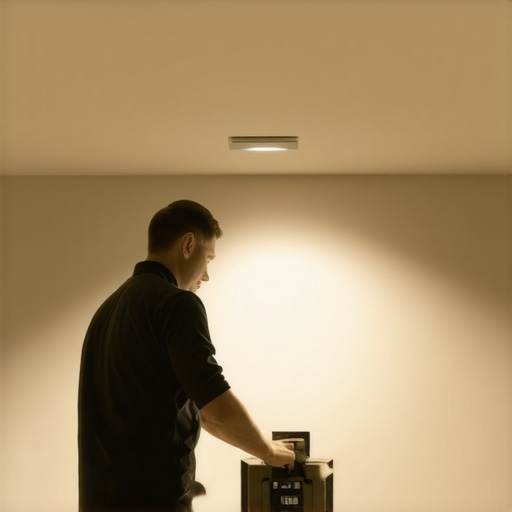
My Journey into Lighting Installation: A Glimpse into My Home Improvement Adventure
Hello fellow homeowners! I still remember the first time I decided to upgrade my home’s lighting system. It was a chilly winter evening, and I was determined to make my living space brighter and more energy-efficient. Little did I know, this project would turn into a fascinating journey filled with learning and practical insights.
Understanding the Importance of Proper Lighting Setup in Modern Homes
Lighting isn’t just about aesthetics; it’s about creating a safe and inviting environment. After researching, I discovered that proper installation and troubleshooting can significantly enhance home safety and energy savings. I found that following expert guidelines, such as those outlined in professional lighting installation guides, can make all the difference.
My Personal Tips for Successful Lighting Installation
During my project, I learned that planning is crucial. I mapped out my space, identified the best lighting fixtures, and ensured my electrical wiring was up to code. I also paid close attention to LSI keywords like “safe lighting installation” and “home lighting troubleshooting” to ensure my setup was both effective and compliant. This approach helped me avoid common pitfalls and achieve a professional look.
Common Troubleshooting Challenges and How I Tackled Them
One issue I faced was flickering lights, which initially baffled me. After some research and consulting reliable sources, I realized it was often due to loose wiring or incompatible bulbs. I followed troubleshooting steps from expert troubleshooting tips and managed to fix the problem without calling an electrician. That said, I always remind homeowners that safety first—if unsure, always seek professional help.
How can I ensure my lighting system remains safe and efficient over time?
Regular maintenance and inspections are key. I schedule periodic checks, especially after any electrical work or renovations. Also, using high-quality fixtures and components reduces the risk of future issues. For more detailed guidance, I recommend visiting professional lighting troubleshooting tips.
If you’re considering a home lighting overhaul or troubleshooting existing issues, don’t hesitate to share your experiences or ask questions below. I love exchanging practical tips with fellow homeowners to make our spaces safer and brighter!
How Can I Sustain a Safe and Efficient Lighting System in My Home?
Maintaining a reliable lighting setup isn’t just about aesthetics; it’s about ensuring safety, energy efficiency, and longevity. Regular inspections and proactive maintenance are essential. Start by routinely checking for loose connections or damaged wiring — issues that might seem minor but can pose serious safety risks if neglected. Consulting professional resources, such as expert lighting troubleshooting tips, can help you understand what to look for and how to address common issues effectively.
What Practical Steps Can I Take to Prevent Common Lighting Problems?
One of the most effective measures is to replace outdated or low-quality fixtures with modern, energy-efficient alternatives. LEDs, for example, have a longer lifespan and consume less power, reducing both energy bills and maintenance needs. Additionally, installing surge protectors can safeguard your electrical system against voltage spikes, which are often responsible for flickering lights or bulb burnout. Regular cleaning of fixtures ensures optimal light output and prevents dust buildup that can affect electrical connections. For comprehensive guidance, professionals recommend following detailed procedures outlined in lighting installation and troubleshooting guides.
The Role of Smart Technology in Long-Term Lighting Safety and Efficiency
Integrating smart lighting controls can significantly enhance your home’s lighting management. Automated timers, motion sensors, and dimming features not only improve convenience but also contribute to energy savings. Moreover, smart systems can alert homeowners to potential electrical faults before they escalate into serious issues, embodying a proactive approach to home safety. According to industry experts, such integrations are becoming standard practice in modern electrical management, as they offer a reliable way to monitor and optimize lighting performance over time. For a deeper dive into smart electrical solutions, visit smart electrical tips.
How Do I Detect and Address Subtle Signs of Electrical Wear and Tear?
Pay close attention to flickering lights, unusual buzzing sounds, or warm switches — these subtle signs often indicate underlying issues like worn-out wiring or overloaded circuits. Conducting periodic inspections and testing with appropriate tools can help identify potential faults early. If you’re unsure about performing these checks yourself, professional electricians are equipped to diagnose and resolve electrical concerns efficiently. For expert assistance, consider reaching out through contact pages. Remember, investing in preventive maintenance not only extends the lifespan of your lighting system but also safeguards your home against electrical hazards, aligning with the best practices shared by industry authorities.
Reflections on the Nuances of Home Lighting and Electrical Safety
As I continue to refine my understanding of home lighting systems, I realize that safety and efficiency are ongoing processes, not just one-time fixes. The more I learn, the more I appreciate the subtle complexities involved in maintaining a reliable electrical setup. For instance, I discovered that even seemingly minor issues like inconsistent dimming or slight warmth at switches can be indicators of underlying problems that, if left unaddressed, could escalate into safety hazards.
One of the most valuable lessons from my personal experience has been the importance of understanding the electrical load and how it interacts with your fixtures and wiring. Overloading circuits, for example, can lead to overheating and reduce the lifespan of your components. I’ve found that consulting resources such as professional lighting troubleshooting tips helps me identify these issues early, saving me both time and potential danger.
Advanced Strategies for Long-term Lighting System Sustainability
To ensure my home’s lighting remains safe and efficient over years, I focus on proactive measures. Regularly scheduled inspections, especially after major renovations or electrical upgrades, are critical. I also prioritize high-quality fixtures and components, which significantly reduce the likelihood of failure. For example, I’ve transitioned to smart LEDs with built-in surge protection and longevity guarantees, which align with industry best practices.
Moreover, integrating smart technology has transformed my approach. Automated controls, like motion sensors and programmable dimming, not only enhance convenience but also prevent unnecessary power consumption. These smart systems can alert me to subtle electrical faults—like a slight voltage fluctuation—before they become serious issues. I learned that leveraging insights from smart electrical tips has been invaluable in this regard.
Addressing Complex Electrical Wear and Tear: My Personal Approach
One challenge I faced was diagnosing intermittent flickering, which initially seemed trivial but proved to be a sign of deeper wiring issues. Using specialized testers and consulting expert guides helped me trace the problem to a worn-out circuit breaker. This experience underscored the importance of not ignoring subtle signs, such as buzzing sounds or switches that feel warm to the touch. These are often early warnings of electrical wear that require prompt attention from professionals.
When I suspect wiring issues, I don’t hesitate to reach out to qualified electricians through trusted channels like contact pages. Preventive maintenance, although sometimes inconvenient, is a small price for long-term safety and peace of mind. It also aligns with the guidance from authoritative sources, emphasizing that early detection and professional intervention are key to avoiding costly repairs or dangerous failures.
Inviting Community Insights and Shared Experiences
My journey into smarter, safer home lighting is ongoing, and I find it incredibly rewarding to exchange insights with fellow homeowners. Have you encountered subtle signs of electrical issues in your home? What proactive measures have you found most effective? Sharing our experiences not only helps us learn from each other but also fosters a community committed to safer, brighter homes. Feel free to leave your thoughts or questions—I’m always eager to hear from others who are navigating similar challenges and discoveries.
Mastering the Nuances of Electrical Load Management for Long-Term Reliability
One of the most overlooked yet critical aspects of maintaining a safe and efficient home lighting system is understanding and managing the electrical load. During my journey, I discovered that overloading circuits can cause overheating, reduce fixture lifespan, and pose serious fire hazards. To mitigate this, I adopted a meticulous approach, balancing the wattage of fixtures and ensuring circuits are not pushed beyond their capacity. Consulting industry standards, such as those outlined in professional lighting guidelines, helped me develop a systematic load management plan that ensures longevity and safety.
Leveraging Smart Technology for Predictive Maintenance and Enhanced Safety
Integrating smart systems into my lighting setup revolutionized my approach to electrical safety. Automated alerts from smart switches and sensors notify me of irregularities like voltage fluctuations or flickering, often signs of underlying wiring issues. These early warnings enable proactive intervention, significantly reducing repair costs and preventing potential hazards. I found that selecting high-quality smart fixtures with built-in surge protection and compatibility with home automation platforms ensures optimal performance and safety. For an in-depth understanding of smart electrical solutions, I recommend exploring smart electrical tips.
How Can I Detect Subtle Signs of Electrical Wear Before They Escalate?
Subtle indicators such as warm switches, persistent buzzing sounds, or slight dimming are often precursors to more serious electrical issues. Over time, these signs can signify worn-out wiring, overloaded circuits, or failing components. Regular inspections using appropriate testing tools—like circuit testers and thermal cameras—can reveal hidden faults. I’ve learned that prioritizing these inspections, especially after renovations or electrical upgrades, is invaluable. When in doubt, consulting a qualified electrician through trusted channels like contact pages ensures professional diagnosis and resolution. Early detection not only prolongs the lifespan of your electrical system but also safeguards your home from potential fire risks.
What Advanced Techniques Exist for Troubleshooting Complex Wiring Faults?
For complex wiring issues, advanced diagnostic tools such as oscilloscopes and infrared thermography can pinpoint faults that are invisible to the naked eye. These techniques allow electricians to detect hot spots, loose connections, or degraded insulation without extensive disassembly. In my experience, investing in such diagnostic tools or hiring professionals trained in these methods can save significant time and prevent unnecessary damage. Staying informed about these advanced troubleshooting techniques through authoritative sources like expert troubleshooting guides provides invaluable insights into proactive electrical maintenance.
If you’re eager to elevate your home’s electrical safety and lighting efficiency, I invite you to share your experiences or ask questions. Engaging with a community of knowledgeable homeowners not only broadens our understanding but also fosters a proactive safety culture that benefits everyone.
Things I Wish I Knew Earlier (or You Might Find Surprising)
The Hidden Signs of Wiring Wear
One of the most eye-opening lessons was realizing how subtle signs like flickering lights or warm switches can indicate serious underlying issues. I used to ignore these signs, but now I know they are early warnings that shouldn’t be overlooked. Regular inspections and paying attention to these small clues can prevent major problems down the line.
The Power of Quality Components
Switching to high-quality fixtures and surge protectors made a huge difference in the longevity and safety of my lighting system. Cheap, outdated equipment might save money upfront but can lead to frequent replacements and potential hazards. Investing in reliable components is a small step that offers long-term peace of mind.
The Benefits of Smart Technology
Integrating smart controls like motion sensors and automated dimmers not only enhanced convenience but also helped me monitor electrical performance. These technologies can alert you to issues early, saving you from costly repairs and increasing overall safety.
The Importance of Load Management
Understanding and balancing the electrical load has been crucial. Overloading circuits can cause overheating and reduce fixture lifespan. I now plan my lighting setup with careful load calculations, following guidelines from trusted sources to keep my home safe and efficient.
The Value of Professional Help
While DIY troubleshooting can be rewarding, I’ve learned that complex issues like wiring faults are best handled by qualified electricians. Their expertise and diagnostic tools ensure safety and proper resolution, giving me confidence that my home’s electrical system is in good hands.
Staying Proactive with Maintenance
Regular checks and timely upgrades have become part of my routine. I schedule inspections after renovations and before winter to catch potential problems early. This proactive approach extends the lifespan of my system and keeps my home safe.
Resources I’ve Come to Trust Over Time
- Professional Lighting Installation Guides: These comprehensive resources, such as lighting installation guides, have helped me understand best practices and avoid common pitfalls.
- Smart Electrical Tips: The smart electrical tips site offers valuable insights into integrating technology for safety and efficiency.
- Home Safety Resources: Industry-standard safety tips from trusted sources ensure I stay updated on the latest precautions and maintenance strategies.
Parting Thoughts from My Perspective
Reflecting on my journey, I realize that understanding home lighting and electrical safety is an ongoing process. Small signs can reveal big issues, and proactive maintenance truly pays off. Embracing smart technology and investing in quality components have helped me create a safer, more energy-efficient home. If this resonates with you, I’d love to hear your thoughts or experiences. Sharing our stories helps us all build better, brighter, and safer living spaces.
Reading through this post really resonated with me, especially the part about proactive maintenance being key to long-term safety. I recently experienced flickering lights in my living room and initially thought it was just a bulb issue. After some research, I learned it could be a sign of loose wiring or overloaded circuits, which highlights how subtle signs can point to bigger problems. Since then, I’ve scheduled a professional inspection to ensure everything’s in check. I appreciate your emphasis on using high-quality fixtures and integrations like smart controls for early fault detection. How often would you recommend homeowners perform these inspections, especially if they’ve recently done major electrical work or renovations? I’d love to hear more tips on balancing smart tech with traditional safety checks to keep a household secure and efficient over time.
This post really hits close to home for me, especially the emphasis on proactive maintenance and smart technology. When I upgraded my home lighting a couple of years ago, I initially focused on energy-efficient fixtures like LEDs, but I soon realized that smart controls brought a whole new level of safety and convenience. I’ve installed motion sensors and smart switches that alert me to unusual activity or potential faults, which has been invaluable. Regarding inspections, I’d say they should be performed at least once a year, especially if you’ve recently done electrical upgrades or renovations. I’ve also found that keeping an eye on minor signs—like slight flickering or switches feeling warm—can prevent bigger issues. Do you have any recommendations on how homeowners can balance DIY troubleshooting with when to call in professionals? I’d love to hear your thoughts on maintaining a safe and efficient system over the long term, particularly in busy households where things tend to get overlooked.
Reading your detailed journey into home lighting and troubleshooting really resonated with me, especially your emphasis on planning and regular inspections. I recently undertook a similar project to upgrade my own home’s lighting fixtures and wiring, and I’ve found that documenting each step helps me keep track of maintenance schedules and potential problem areas. One thing I’ve learned is that even with high-quality fixtures, external factors like humidity or power surges can cause unforeseen issues over time. I’ve started using smart sensors that alert me to subtle fluctuations in electrical flow, which has been a game changer for early detection. How do you balance DIY troubleshooting with when to seek professional help, especially for complex wiring faults you suspect might be hidden behind walls? I’d love to hear more about your thoughts on preventing small issues from becoming major hazards down the line, especially in homes with older wiring systems.