
The Invisible Fire: Why Your Virtual Prep Matters
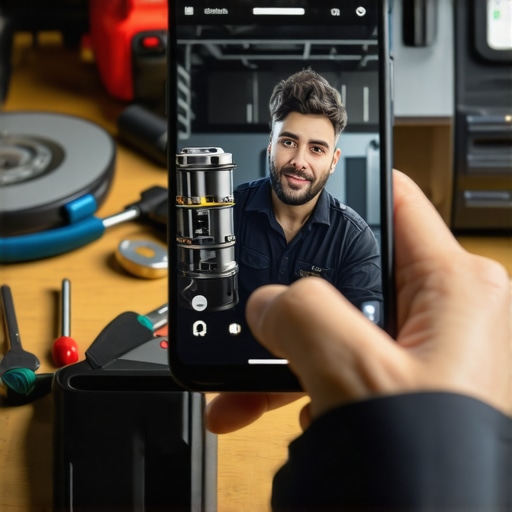
You don’t smell it at first. Then, a faint whiff of ozone—like a burnt hairdryer—starts wafting from your utility closet. By the time you see the flickering in the kitchen lights when the refrigerator kicks on, the damage is often deep. I’ve spent thirty-five years pulling charred bus bars out of enclosures and listening to homeowners tell me, “It was working fine yesterday.” Electricity is patient, and it is indifferent. It doesn’t care about your floor plan; it only cares about the path of least resistance. This is why a virtual consultation isn’t just a convenience—it’s a forensic pre-briefing. When we look at your system through a lens before arriving, we aren’t just quoting a price; we are hunting for the thermal signatures of failure.
The Lesson of the Nicked Strand
My first journeyman was a man who viewed a pair of side-cutters with the same suspicion most people reserve for a loaded gun. I remember him snatching a piece of 4/0 aluminum out of my hand during a 400 amp service entrance installation. I had used a pocket knife to strip the insulation, and I’d left a tiny, almost invisible score mark on the metal. He didn’t just tell me to redo it; he made me sit there and explain the physics of a hot spot. “You nick that conductor, kid, and you’ve just restricted the highway. The electrons are going to jam up right there, create friction, and that friction is heat. Heat leads to oxidation. Oxidation leads to fire.” He was right. That tiny nick creates a localized point of high resistance. In a high-load environment like a restaurant kitchen electrical setup, that mistake is a ticking time bomb. This is why I insist on seeing the ‘rough-in’ work via video if I’m taking over a botched project. I need to see if the previous guy treated your wire like a lifeline or a piece of rope.
The Forensic Breakdown of System Failure
When I look at your panel during a virtual call, I’m looking for the ‘tells.’ If you have an old fuse box to breaker conversion that was done in the 80s, I’m looking for signs of ‘Cold Creep.’ This is a specific physical phenomenon where aluminum conductors expand and contract at a different rate than the steel or copper lugs holding them. Over time, the wire literally ‘creeps’ out of the connection. This creates a gap. That gap allows for arcing—a miniature lightning storm inside your wall.
“Aluminum wire connections can overheat and cause a fire without tripping the circuit breaker.” – CPSC Safety Alert 516
This is the primary reason why mid-century homes are a focus for forensic inspectors. If I see those old purple-labeled breakers or a Zinsco brand name through your phone camera, the conversation changes from ‘adding a circuit’ to ‘preventing a catastrophe.’ We use the virtual session to identify these brands of shame before we ever pull a permit.
Preparing for the Heavy-Up: 400 Amp Service and ADUs
Modern life is hungry. Between EV chargers and ADU electrical services, the old 100-amp standard is a joke. If you’re planning an Accessory Dwelling Unit, we need to discuss the ‘Home Run’—the main feeder lines that go from the primary service to the new structure. During a virtual walkthrough, I’ll have you point your camera at the ground where you plan on trenching electrical conduit. I’m looking for grade, soil type, and proximity to other utilities. If you’re near the coast, I’m checking for salt-air corrosion on your meter can. Salt bridges the gap between phases, leading to catastrophic phase-to-phase shorts that can melt a meter base into a puddle of slag. If we’re doing boat lift wiring, I’m checking for GFCIs that have been ‘nuisance tripping’—which usually means the motor windings are already failing due to moisture ingress. You can learn more about managing these high-draw devices in our guide on ensuring safe and efficient EV charging station setup at home.
The Components of a Virtual Electrical Audit
To get the most out of our session, you need to be my eyes. I’ll ask you to grab your ‘Tick Tracer’ if you have one, or at least a high-lumen flashlight. We’ll start at the service entrance. I need to see the weather head and the drip loop. If the drip loop is too shallow, water will travel down the inside of the service cable like a straw, right into your main lugs. I’ve opened panels where ‘Monkey Shit’ (duct seal) wasn’t used properly, and the entire bottom of the enclosure was rusted out from condensation. Next, we’ll look at your ‘Rough-in’ areas. If you’re hanging a pendant light, I need to see the junction box. Is it a plastic ‘old-work’ box held in by wings, or is it braced to a joist? A heavy glass pendant on a plastic box is a lawsuit waiting to happen. For those interested in the finer details of these setups, check out our lighting installations made easy guide.
“All electrical equipment shall be installed in a neat and workmanlike manner.” – NEC Article 110.12
That ‘workmanlike manner’ is exactly what I’m checking for when we look at your ethernet wiring services or your speaker system setup. If the wires look like a bird’s nest, the electron flow isn’t the only thing that’s messy—the logic behind the install is likely flawed too.
The Reality of Battery Backups and High Loads
If we are discussing battery backup wiring, the virtual consult is critical for space planning. These systems aren’t just small boxes; they require specific clearances for heat dissipation. If you tuck a lithium-ion backup into a corner with zero airflow, you’re shortening its life by years. The same applies to restaurant kitchen electrical work. The ambient heat in a commercial kitchen lowers the current-carrying capacity of your conductors (derating). If I see ‘Romex’ being used in a commercial plenum space during our video call, I’ll tell you right then and there: it’s got to go. We use MC cable or EMT conduit in those environments for a reason. If you’re having issues with existing high-draw equipment, you might find our EV charger troubleshooting expert tips helpful for understanding how we diagnose load failures.
Closing the Loop: Why Torque Matters
The final stage of any repair, whether it’s a simple pendant light hanging or a complex 400 amp service upgrade, is the torque. Every lug has a specific inch-pound rating. Hand-tight isn’t ‘electrician tight.’ During our virtual wrap-up, after the on-site work is done, I often have clients show me the finished ‘trim-out.’ I want to see clean lines, labeled circuits, and no ‘widow makers’ (exposed hot wires). This isn’t just about passing inspection; it’s about making sure you can sleep at night without wondering if that fishy smell is your house melting. If you’re ready to get a real look at your system, contact us for a consultation that goes deeper than the surface. We don’t do ‘band-aid’ fixes; we do forensic-level repairs that stand up to the physics of the real world. Check our troubleshooting guide for more on how we find the problems others miss. We take your safety seriously, and that starts with the data we gather before we ever turn a screw. For more information on how we handle your data, please see our privacy policy.