
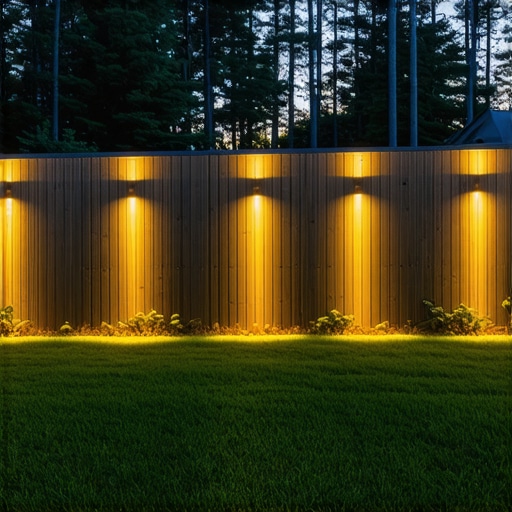
I can still smell the mix of wet mulch and scorched PVC from a job site last July. A homeowner had tried to ‘brighten’ his perimeter fence with a few DIY floodlights. He used standard interior extension cords buried two inches deep. By the time I arrived with my Wiggy, the soil was literally steaming after a rainstorm. The fence was electrified. If a dog had touched that chain link, it would have been over. That’s the reality of outdoor electrical work; nature is trying to kill your circuit from the moment you rough-in the first run. My journeyman used to smack my hand if I stripped a wire with a knife. ‘You nick the copper, you create a hot spot,’ he’d scream. He was right. In the world of backyard lighting, a single nick in the insulation is an invitation for moisture to wick up the conductor through capillary action, turning your expensive LED system into a corroded mess within a single season.
The Forensic Breakdown: Why Fence Lighting Fails
Most backyard lighting failures aren’t about the bulbs; they are about the home run and the underground terminations. When we perform a power quality analysis on residential outdoor circuits, we often find massive voltage drops because someone used 14-gauge Romex for a 150-foot run. Electricity isn’t a suggestion; it’s physics. When you push current through a wire that’s too thin over a long distance, the resistance generates heat. That heat causes the wire to expand, and in a cycle known as thermal creeping, the connections at your fixtures begin to loosen. If you’re dealing with a mid-century home, you might even be trying to tie these new lights into an old system that requires aluminum wiring repair. Aluminum expands at a different rate than copper, and without the right AlumiConn connectors, you’re just building a fire starter in your backyard.
“Aluminum wire connections can overheat and cause a fire without tripping the circuit breaker.” – CPSC Safety Alert 516
When I’m out there with my tick tracer, I’m looking for the ‘ghost’ voltages that indicate a failing neutral. If your fence lights are flickering, it’s not ‘character’—it’s arcing. Arcing happens when electricity jumps a gap, often inside a buried junction box that wasn’t sealed with monkey shit (duct seal). This is where infrared thermography scans become vital. We can actually see the heat signatures of a failing splice through the enclosure before it melts the wire nut. For those with larger estates, we’ve even started utilizing drone light inspections to check the coverage and hardware integrity of high-mounted perimeter lighting without dragging a 40-foot ladder through the flower beds.
The Anatomy of a Professional Trench
Proper fence line lighting starts with the dirt. According to the NEC, direct-buried UF cable needs to be at least 24 inches deep. If you’re using PVC conduit, you can go 18 inches. But most handymen stop at the depth of a shovel blade. That’s how you end up with a ‘widow maker’—a live wire just waiting for a garden trowel to find it. I always recommend lighting installations made easy by doing it right the first time: schedule a standby generator install or a heavy-up while you have the trenches open. It saves you thousands in labor later. We use dikes to clean up the edges of our trim-out, ensuring every wire is seated perfectly in its lug. If you’re unsure about your current setup, checking how electricians tackle troubleshooting for lighting installations can give you a clear idea of the diagnostic rigor required for safety.
Voltage Drop and the Ohm’s Law Reality
You can’t just daisy-chain twenty lights on a single circuit and expect the last one to be as bright as the first. This is where the math kicks in. We calculate the total wattage, the distance of the run, and the wire gauge to ensure 120V stays 120V. If the voltage drops too low, the drivers in your LED fixtures will work overtime and burn out prematurely. It’s the same logic we apply to retail store wiring or access control wiring; the load must be balanced. For homeowners, this often means installing a sub-panel near the back of the house or using a high-quality transformer for low-voltage systems. If you’re also planning an attic fan installation or a bathroom exhaust fan, we look at the whole-house load. You don’t want your backyard lights to dim every time the AC kicks on.
“Wiring methods and materials shall be installed in a neat and workmanlike manner.” – NEC Article 110.12
That ‘workmanlike manner’ isn’t just about aesthetics. It means using stainless steel fasteners that won’t rot in the salt air if you’re near the coast. It means ensuring your GFCI protection is located in an accessible, dry area—not buried in a box behind a bush. I’ve seen too many people struggle with ev charger troubleshooting expert tips to fix common issues only to realize their entire exterior electrical system was compromised by a leaky fence light. Proper grounding is non-negotiable. We drive eight-foot copper-clad rods into the earth to ensure that if a fault occurs, the current has a path to ground that doesn’t include your body. This level of protection is why annual maintenance contracts are becoming standard for high-end residential outdoor systems; a professional needs to torque those lugs every year to combat the vibration of the wind and the expansion of the seasons.
The Long-Term Strategy for Outdoor Power
If you’re investing in fence lighting, think about the future of your property’s infrastructure. Are you going to need a car charger later? If so, reading about ensuring safe and efficient ev charging station setup at home now can help you plan your backyard trenches more strategically. Or perhaps you need to consider top ev charger maintenance tips for optimal performance to see how outdoor weather affects all high-voltage equipment. Don’t let a ‘landscaper’ do your wiring. They know plants; I know the physics of fire. When we finish a trim-out, every circuit is tested with a load-bearing meter. We don’t just see if the light turns on; we see how it behaves under stress. Sleep at night knowing your fence line isn’t a ticking time bomb. For more information on our standards, you can view our privacy policy or contact us directly for a forensic inspection of your property’s electrical health.