
The Scent of Bakelite and Dust: A Forensic Look at Aging Wiring
You smell it before you see it. It is a sickly sweet, chemical stench—the unmistakable odor of ancient Bakelite plastic cooking under eighty degrees of thermal stress. I was standing in a dark basement built in 1928, waving my tick tracer near a web of old cloth-insulated cables. My client had called because their upstairs lights were doing a ghostly dance whenever the microwave ran. The previous owner had spliced modern Romex into old, decaying two-wire circuits without a junction box, burying the mess behind plaster. My non-contact voltage detector was screaming before I even touched the framing. This is the reality of older residential electrical systems: decades of homeowner modifications, thermal fatigue, and insulation breakdown hiding behind your walls.
“Because of its physical properties, aluminum wire is subject to oxidation, cold flow, and galvanic corrosion which can lead to high-resistance connections and potential fire hazards.” – NFPA 70: National Electrical Code Handbook
When conducting a comprehensive home safety inspection, we are not looking for cosmetic issues. We are looking for the systemic failures that turn a cozy family home into a high-risk zone. For properties constructed between 1960 and late 1970, the biggest hazard hiding in the walls is single-strand aluminum wiring. Because aluminum expands and contracts at a different rate than copper when current flows through it—a physical phenomenon known as cold creep—the connections at every single switch and outlet loosen over time. This loose connection creates a high-resistance junction, which generates extreme heat under normal loads. If your home has these hazardous circuits, a specialized aluminum wiring repair is the only way to permanently mitigate the risk without tearing out all your plaster or drywall.
The Anatomy of Failure: Why Aging Infrastructure Gives Out
Our residential electrical audits consistently reveal a handful of critical failure points. First on the list is the breakdown of early wire insulation. Before modern thermoplastic-sheathed cable, homes relied on rubber-insulated copper wrapped in asphalt-saturated cotton. Over sixty or seventy years, the ambient heat from the conductors cooks the rubber, turning it brittle. The moment you touch a light fixture to update it, that insulation crumbles into black powder in your hands, leaving bare, energized copper exposed inside the metal box. If you have older fixtures, performing an outlet switch repair or updating old ceiling boxes is vital before the insulation fails completely.
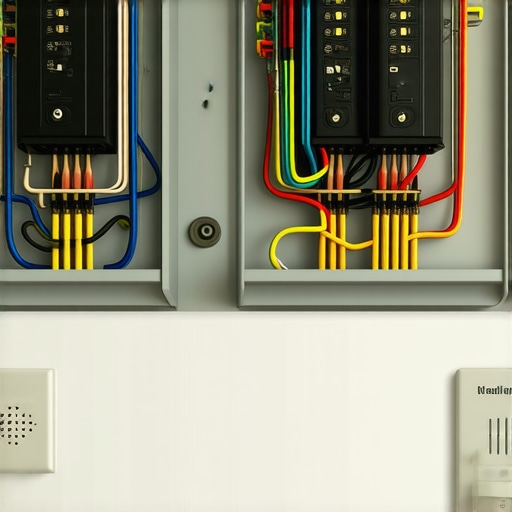
The second major threat comes from obsolete distribution panels, specifically those manufactured by Federal Pacific Electric (FPE) or Zinsco. These panels are notorious for mechanical failure. The breakers do not trip when overloaded; instead, they lock up, sending thousands of watts of current into the circuit until the wire melts. During our detailed inspections, we often find signs of extreme heat on the bus bars where the breakers snap into place. When these panels fail, the results are devastating, often requiring extensive fire damage wiring restoration to save the remaining structure of the home. Replacing these panels with a modern, code-compliant distribution center is the single best investment you can make in your family’s safety.
Why Modern Demands Overwhelm Vintage Homes
Our grandparents’ homes were designed to run a few light bulbs, a radio, and perhaps a refrigerator. Today, we plug in high-draw appliances, high-end entertainment systems, and electric vehicles. When you try to run modern electronics on an ungrounded system, you are playing Russian roulette with your hardware. Without a dedicated copper equipment ground wire back to the panel, surge protectors cannot function, and any ground fault will use your body or your expensive appliances as the path of least resistance. This lack of capacity and grounding is why many homeowners choose to invest in a complete electrical upgrade, backed by a lifetime workmanship guarantee to ensure absolute peace of mind.
“Old wiring systems can be overloaded by modern appliances, leading to overheating and electrical fires. Upgrading to modern standards significantly reduces these risks.” – CPSC Safety Alert on Home Wiring
Adding modern conveniences to an older home requires careful planning. If you are planning on ensuring safe and efficient EV charging station setup at home, you cannot simply tap into the nearest junction box. High-continuous-load devices like EV chargers, hot tubs, or heavy-duty HVAC units require dedicated home run circuits routed directly back to a panel capable of handling the load. Trying to bypass this rule will quickly overload your main service, melting your main lugs and creating an immediate hazard. We always recommend getting free electrical estimates before committing to any major electrical additions, ensuring your existing panel has the physical space and the ampacity to handle the new demand.
System Upgrades and Preventive Solutions
Fixing an older home’s electrical issues is not about patch jobs. It requires a systematic approach to bring the dwelling into the modern era safely. For example, homes with poor ventilation and aging wiring can benefit greatly from a whole house fan wiring upgrade, which cools the attic space and reduces the load on your air conditioning system. Additionally, installing a rugged standby generator install guarantees that when the utility grid fails, your home remains powered without risking damage to your sensitive appliances from voltage fluctuations. Every connection we make is torqued to exact manufacturer specifications using calibrated tools, preventing the thermal cycling that ruins lesser installations. Do not wait for a flickering light or a warm outlet cover to tell you there is a problem; protect your property with a professional forensic inspection today.