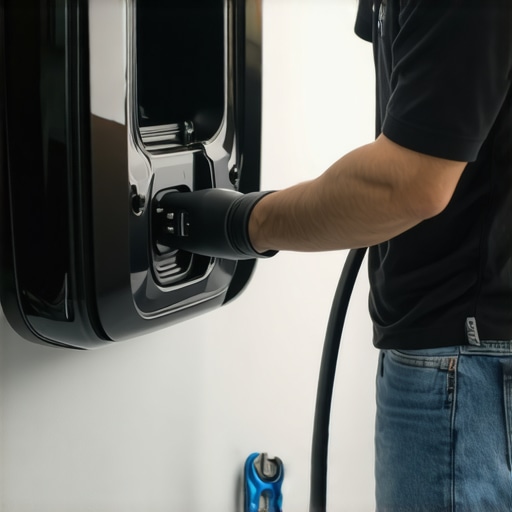
Discovering the World of EV Charging: A Personal Beginning
It all started when I decided to make my home more eco-friendly by installing an electric vehicle (EV) charger. As a first-timer, I was both excited and overwhelmed by the technical aspects involved. My initial experience was filled with questions about safety, compatibility, and troubleshooting common issues, which I learned the hard way through trial and error.
Understanding the Basics of EV Charger Troubleshooting
During my journey, I realized that troubleshooting EV chargers is crucial for safe and efficient home charging. I found that many problems stem from simple issues like loose connections or faulty wiring, which can be quickly identified if you know what to look for. According to Reliable Electric Pro, regular checks and proper installation are key to avoiding major problems.
How Do I Ensure My Home EV Charger Is Installed Safely?
My biggest concern was safety. I learned that professional installation is always recommended to prevent electrical hazards. Ensuring proper grounding, using the right circuit breakers, and following local electrical codes are essential steps. For detailed guidance, I referred to this expert article.
What Are Some Common Problems and How Can I Fix Them?
One of the most common issues I faced was intermittent charging or error messages. After some research and consultation with licensed electricians, I learned that many of these problems are due to wiring issues or outdated software. I also found that keeping the charger and vehicle software updated helps prevent compatibility problems. If you’re facing similar issues, I recommend checking out these troubleshooting tips.
Is It Worth Trying to Fix EV Charger Issues Myself?
While some minor troubleshooting can be DIY, I strongly advise consulting a certified electrician for complex problems. This ensures safety and compliance with electrical standards. Remember, electricity is dangerous if mishandled. For expert assistance, you can contact professionals through this contact page.
If you’re like me, eager to enjoy the convenience of home EV charging without risking safety, proper installation and troubleshooting are your best allies. Have you encountered any issues with your EV charger? Share your experiences or questions in the comments below—I’d love to hear from fellow EV enthusiasts!
Mastering the Nuances of EV Charger Troubleshooting: What More Can We Learn?
While basic troubleshooting often involves checking connections or updating software, seasoned electricians understand that persistent issues might be indicative of deeper electrical system problems. For example, inconsistent power supply or frequent tripping of circuit breakers may point to overloaded circuits or wiring faults that require professional diagnosis. An expert approach involves not just fixing the visible problem but also inspecting the entire electrical infrastructure to prevent future issues. For comprehensive troubleshooting strategies, consider reviewing these expert tips.
Why Is Proper Grounding Critical for Safe EV Charging?
One often overlooked aspect of safe installation is proper grounding. Inadequate grounding can lead to electric shocks or damage to the EV charger and vehicle. A properly grounded system ensures that in case of a fault, excess electricity is safely diverted to the earth, protecting users and equipment. Certified electricians emphasize that grounding should comply with local electrical codes, and regular inspections are advisable to maintain safety standards. For detailed installation procedures, visit this authoritative resource.
How Do External Factors Influence EV Charger Performance?
Environmental conditions such as humidity, temperature fluctuations, or exposure to elements can affect the longevity and functionality of your EV charger. For outdoor installations, weatherproof enclosures and proper insulation are essential. Moreover, voltage fluctuations caused by nearby heavy machinery or power surges can impact charger performance. Installing surge protectors and using high-quality wiring materials can mitigate these risks. Understanding these factors enables proactive maintenance, reducing downtime. For expert advice on durable installation practices, explore these maintenance tips.
Have You Considered Advanced Diagnostic Tools for Troubleshooting?
Professional electricians increasingly rely on sophisticated diagnostic tools such as clamp meters, thermal imaging cameras, and software analyzers to identify hidden faults in EV charging systems. These tools can detect issues like hot spots, hidden wiring faults, or software malfunctions that are not visible to the naked eye. Integrating these diagnostics into your troubleshooting routine can save time and prevent future failures. Curious about the latest equipment? Check out this comprehensive guide for more insights.
If you’re seeking expert assistance, don’t hesitate to reach out through our contact page. Sharing your experiences or questions can help build a community of knowledgeable EV users committed to safety and efficiency. What troubleshooting challenges have you encountered? Leave a comment below, and let’s learn together!
Unraveling the Complexity of Electrical Systems: My Personal Journey
As I delved deeper into troubleshooting my EV charger, I realized that many issues are intertwined with the broader electrical infrastructure of my home. It’s not just about fixing a loose connection; sometimes, persistent problems hint at underlying wiring faults or power supply inconsistencies that require a more nuanced approach. My experience taught me that understanding the entire electrical ecosystem is essential for long-term reliability, which led me to explore advanced diagnostic techniques.
How Do Advanced Diagnostic Tools Elevate Troubleshooting?
Using tools like thermal imaging cameras and software analyzers has transformed my troubleshooting process. For instance, thermal imaging can reveal hot spots indicating overloaded circuits or faulty wiring—issues that aren’t immediately visible. When I employed a thermal camera during a recurring error, I discovered a hidden wiring fault behind the wall that was causing intermittent power drops. This proactive detection not only saved me from future failures but also highlighted the importance of investing in professional-grade diagnostic equipment. For a comprehensive understanding of these tools, I recommend reviewing these expert tips.
What Are the Deeper Risks of Neglecting System-Wide Electrical Issues?
Overlooking systemic electrical problems can lead to safety hazards, including fire risks or electric shocks. During my troubleshooting journey, I learned that frequent circuit breaker trips often signaled overloaded circuits or faulty grounding—a potential fire hazard if left unaddressed. Ensuring proper grounding and balanced load distribution became a priority. This experience underscored that a holistic approach, including regular inspections of the entire electrical system, is vital for safety. Certified electricians can perform comprehensive diagnostics, which I found invaluable. To learn more about keeping your electrical system safe, check out this authoritative resource.
How Can External Factors Deeply Impact EV Charger Performance?
Environmental influences extend beyond weatherproofing; voltage fluctuations caused by external sources can challenge your charger’s stability. I experienced this firsthand when a nearby construction project caused power surges. Installing surge protectors and ensuring your electrical supply is stable can mitigate these issues. Moreover, understanding how external factors like power line quality or nearby heavy machinery affect your system helps in planning maintenance and upgrades. Sometimes, advanced surge protection devices or dedicated circuits are necessary to shield your setup. For insights into durable solutions, I recommend exploring these maintenance tips.
What Role Do Building Codes and Regulations Play in Troubleshooting?
Building codes aren’t just bureaucratic hurdles—they’re safety frameworks designed to prevent hazards. My experience showed that compliance with local electrical standards, like proper grounding and circuit sizing, is crucial for both safety and functionality. Non-compliance can result in frequent failures or safety violations, which is why I always verify that my setup aligns with local codes. Engaging certified electricians familiar with these regulations ensures that troubleshooting and repairs uphold safety standards. For detailed guidance on compliance, visit this guide.”},
Deciphering Hidden Electrical Anomalies with Professional Diagnostics
As my understanding of EV charging deepened, I recognized that persistent issues often mask underlying electrical system faults. Advanced diagnostic tools such as thermal imaging cameras and software analyzers have become invaluable in my toolkit. These devices help identify elusive problems like hot spots indicating overloaded circuits or hidden wiring faults that standard inspections might miss. Incorporating these diagnostics into routine troubleshooting not only accelerates issue resolution but also safeguards against future failures. For instance, thermal imaging revealed an overheating connection behind my wall, allowing me to address a potentially hazardous wiring fault before it escalated. For those interested in elevating their troubleshooting skills, exploring these expert techniques can be transformative.
Holistic Electrical System Evaluation: Why It’s Non-Negotiable
Neglecting systemic electrical issues can lead to safety hazards, including fire risks and electric shocks. During my troubleshooting journey, I learned that frequent circuit breaker trips often indicated overloaded circuits or faulty grounding—serious concerns that require comprehensive assessment. Regular inspections of the entire electrical infrastructure, including load balancing and grounding integrity, are essential steps. Engaging licensed electricians to perform thorough diagnostics ensures that no stone is left unturned, thereby maintaining safety and operational reliability. For detailed guidance on conducting these evaluations, I recommend reviewing this comprehensive troubleshooting guide.
External Influences: The Hidden Saboteurs of EV Charger Performance
Environmental factors extend beyond weatherproofing; external power fluctuations can significantly impact your charger’s stability. My own experience with a nearby construction site causing power surges underscored the importance of installing surge protectors and dedicated circuits. Voltage irregularities from external sources can cause erratic charger behavior, reducing lifespan and efficiency. Implementing high-quality surge protection devices and ensuring electrical supply stability are proactive measures. Understanding these external influences and their mitigation can be the difference between consistent performance and costly repairs. For insights into durable solutions, I suggest exploring these maintenance tips.
Engaging with Expert Electricians for Precision Troubleshooting
While DIY troubleshooting is tempting, complex issues demand professional intervention. Electricians trained in advanced diagnostics can perform precise assessments and repairs, ensuring safety and compliance with local standards. Sharing your experiences with specialists not only resolves issues efficiently but also educates you on best practices. If you’re eager to deepen your understanding or seek expert assistance, reaching out through our contact page can connect you with trusted professionals. Remember, safety and reliability often hinge on expert insights that go beyond surface-level fixes.
Things I Wish I Knew Earlier (or You Might Find Surprising)
Unexpected Reliability Issues
One thing I learned the hard way is that even new EV chargers can have hidden wiring issues. Regular inspections can save you from unexpected failures, especially during winter when environmental factors are harsher.
The Power of Proper Grounding
I used to think that installing the charger was enough, but proper grounding is crucial. It protects you from electric shocks and prolongs the lifespan of your charger, something every homeowner should prioritize.
Environmental Factors Matter
Weatherproofing might seem obvious, but I underestimated how temperature swings and humidity could affect performance. Installing weatherproof enclosures and surge protectors made a noticeable difference in reliability.
Software Updates Are Key
Keeping your EV and charger software updated can resolve many compatibility issues. I ignored this at first, but now I make it a routine to check for updates regularly.
External Power Supply Fluctuations
Power surges caused by nearby construction once tripped my circuit breaker repeatedly. Installing a surge protector was a game-changer, preventing future issues and protecting my equipment.
Resources I’ve Come to Trust Over Time
- Reliable Electric Pro: This website offers comprehensive troubleshooting tips and is my go-to for technical guidance—highly recommended for DIY troubleshooting.
- National Electrical Code (NEC): Staying compliant with local electrical standards is vital. The NEC provides clear guidelines that I always reference before making any modifications.
- Electrical Safety Foundation International (ESFI): Their safety tips and educational materials have helped me understand the importance of grounding and proper installation practices.
Parting Thoughts from My Perspective
If I could share one thing from my experience, it’s that troubleshooting your EV charger doesn’t have to be daunting. With proper knowledge, the right tools, and professional help when needed, you can ensure safe and reliable charging at home. Remember, safety always comes first—never hesitate to consult licensed electricians for complex issues. If this resonated with you, I’d love to hear your thoughts or experiences—feel free to leave a comment below or share this post with someone who might find it helpful. Happy charging!
Reading about the personal journey into EV charger troubleshooting really resonated with me. I recently installed my own system and experienced similar issues with intermittent charging. What I’ve found helpful is keeping a detailed maintenance log to track any errors or irregularities, which makes troubleshooting more manageable. Also, I completely agree that professional installation and grounding are critical for safety; I’ve learned this the hard way. Has anyone here used advanced diagnostic tools like thermal imaging cameras? I’m considering investing in one to catch hidden wiring faults early. It seems like a game-changer for proactive maintenance. Additionally, do you have tips on how to determine when it’s time to call in a professional versus handling small issues yourself? Would love to hear what others have experienced or recommend for ensuring long-term reliability.