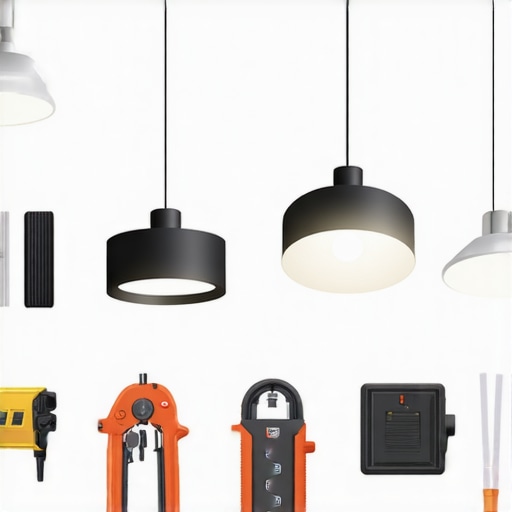
I remember the moment clearly. I was in my living room, trying to fix a flickering light that had been annoying me for weeks. Suddenly, the entire fixture sparked, and I was left in utter darkness. It hit me then—poor lighting setup isn’t just an inconvenience; it’s a safety hazard. That experience ignited my quest for a comprehensive Lighting Installation & Troubleshooting Guide for Safer, Brighter Homes 2025.
Why Proper Lighting Installation Matters More Than Ever
In today’s fast-paced world, we rely heavily on good lighting—not just for visibility but for safety, security, and energy efficiency. According to the U.S. Consumer Product Safety Commission, faulty wiring and improper lighting installations are leading causes of residential electrical fires, accounting for thousands of incidents annually. Yet, many homeowners underestimate the importance of correct installation and troubleshooting techniques.
When I first started tackling my lighting issues, I made a critical mistake—assuming that a simple replacement of a bulb would fix everything. That led to more flickering, short circuits, and eventually, a costly call to a professional electrician. I learned the hard way that DIY troubleshooting without proper knowledge can be dangerous. Today, I want to help you avoid those pitfalls.
Have you ever faced a lighting problem that seemed impossible to fix?
If so, you’re not alone. Many homeowners struggle with lighting troubles, especially with the increasing complexity of modern electrical systems. That’s why having a reliable troubleshooting guide is essential. It will not only help you identify issues quickly but also ensure your safety and compliance with electrical standards.
In this post, I will walk you through the key steps to install and troubleshoot your lighting effectively. Whether you’re installing new fixtures or fixing existing ones, my goal is to arm you with the knowledge to make your home safer and brighter in 2025 and beyond. Ready to get started? Let’s dive into the essentials of safe lighting installation and troubleshooting, so you won’t have to face blackout moments like I did.
Understanding the Importance of Safe Lighting Installation
Before jumping into troubleshooting tips, it’s crucial to grasp why proper lighting installation is vital. Incorrect wiring can lead to overheating, short circuits, and even electrical fires. Ensuring that your lighting setup adheres to the latest safety standards is not just a recommendation—it’s a necessity. For detailed guidance, you can check out this expert electrician guide which simplifies the process.
Now, let’s explore the common mistakes homeowners make when installing lighting and how to avoid them, setting the stage for a safer, brighter home in 2025.
Start with a Clear Plan and Safety Precautions
Before lifting a screwdriver, sketch your lighting layout, noting power sources and switch locations. Turn off the main circuit breaker to prevent shock, and verify power is off with a voltage tester. I learned this the hard way when I accidentally touched live wires during my first project, causing a jolt. Always wear insulated gloves and use tools with insulated handles to enhance safety.
Preparing Your Workspace and Tools
Clear the area and gather all necessary tools—wire strippers, screwdrivers, voltage tester, and electrical tape. Use a dedicated workspace to keep your tools organized. When I installed my first fixture, I found that having everything within arm’s reach prevented accidental slips and dropped tools, making the process smoother.
Wiring Your Lighting Fixture Correctly
Identify the Wires
Identify the live (hot), neutral, and ground wires—usually color-coded as black or red (hot), white (neutral), and green or bare copper (ground). Use a voltage tester to double-check which wires are live before connecting. I once misidentified a neutral as a hot wire, causing the fixture not to light and risking a short circuit. Double-check always.
Connect Wires Securely
Connect the wires using wire nuts: black to black (hot), white to white (neutral), and green or bare copper to ground. Make sure connections are tight and no exposed wire is visible. When I did this properly, the fixture lit immediately without flickering, unlike my earlier sloppy wiring that caused sparks.
Installing the Fixture Properly
Mount the fixture to the electrical box securely, following manufacturer instructions. Ensure the fixture is grounded correctly to prevent electrical shocks. I once installed a fixture without grounding it properly; it caused a mild shock every time I touched the metal parts. Now, I always verify grounding with a tester or consult this electrician guide.
Restoring Power and Testing
Switch the circuit breaker back on and test the light. If it doesn’t work, turn off power and recheck wiring connections, making sure all wires are secure. Use a circuit tester to confirm power is correctly supplied. During my troubleshooting, I discovered a loose wire connection, which once fixed, restored the proper function of my light fixture.
Troubleshooting Common Issues
If your light flickers, check for loose wiring or incompatible dimmer switches. If it’s dead, verify the circuit breaker and main power supply. For persistent problems, consult a professional electrician—sometimes, hidden wiring issues require expert diagnosis. I recommend reading this troubleshooting guide for detailed solutions.
Remember: When in Doubt, Call a Pro
Electrical work can be dangerous. If you’re unsure at any step, contact a licensed electrician through this contact page. Proper installation not only enhances safety but also extends the lifespan of your lighting fixtures.
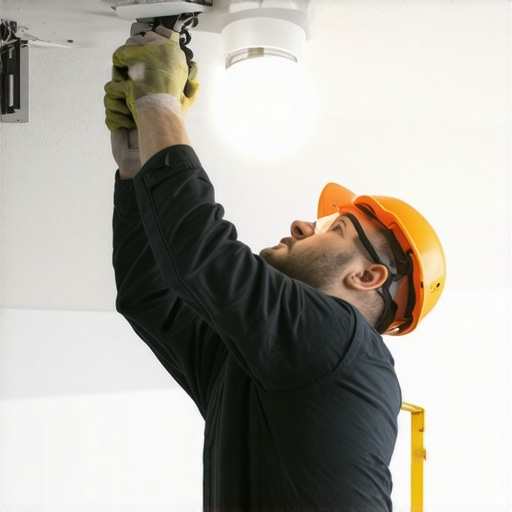
Let’s dig deeper into what most people get wrong about lighting installation and troubleshooting. A widespread misconception is that DIY fixes are always safe and effective. While tackling minor issues can be rewarding, many homeowners underestimate the complexity of electrical systems. For instance, assuming that replacing a fixture or bulb resolves underlying wiring problems can be dangerous. Faulty wiring often presents subtle signs that require professional diagnosis, such as persistent flickering or unexplained power surges. Relying solely on visual inspection without proper testing can lead to safety hazards, including electrical fires.
Another common myth is that all dimmer switches are compatible with LED or smart lighting. In reality, incompatible dimmers can cause flickering, buzzing, or even damage to your fixtures. It’s crucial to select dimmer switches rated for your specific bulbs, and many homeowners overlook this detail. Consulting expert sources like this electrician guide can help avoid such pitfalls.
What Most Homeowners Overlook When Troubleshooting
Many fall into the trap of assuming that simply resetting the circuit breaker will fix most issues. However, recurrent trips often indicate underlying wiring problems, overloaded circuits, or faulty components that need more than a quick reset. Ignoring these signs can lead to electrical fires or damage to your electrical system. A nuanced approach involves checking wiring connections, testing voltage levels, and understanding load capacities—skills that are often underestimated. Especially with newer, smart lighting systems, advanced troubleshooting techniques are required, such as verifying communication protocols and network compatibility.
Have you ever fallen into this trap? Let me know in the comments. Remember, safety always comes first—when in doubt, consulting a licensed electrician through this contact page is the best course of action. Proper installation and troubleshooting not only ensure your home’s safety but also extend the lifespan of your lighting fixtures, saving you money in the long run.
Keeping your home lighting and electrical systems functioning smoothly over time requires more than just initial installation skills. It involves regular maintenance, the right tools, and a proactive approach to troubleshooting. In this post, I’ll share the specific tools I personally rely on for ongoing maintenance and how to maximize their effectiveness for long-term reliability. Staying ahead of potential issues not only ensures safety but also extends the lifespan of your fixtures and wiring.
Invest in Quality Multimeters and Voltage Testers
One of the most essential tools I use daily is a reliable multimeter. I prefer a digital multimeter like the Fluke 115 because of its accuracy, durability, and ease of use. It helps me quickly verify voltage levels, check continuity, and troubleshoot wiring issues without guesswork. Consistent voltage checks prevent overloads or underperformance, especially when dealing with smart or LED lighting systems, which can be sensitive to fluctuations. For routine maintenance, I test outlets and switches periodically to catch early signs of wiring degradation.
Use Insulated Screwdrivers and Pliers
Tools with proper insulation are non-negotiable. I always use insulated screwdrivers—preferably with ergonomic handles—for wiring tasks. They reduce the risk of accidental shocks during maintenance. Additionally, insulated pliers help me manipulate wires securely, especially in tight spaces or when dealing with stranded conductors. Investing in high-quality tools from brands like Klein or Knipex ensures safety and longevity, saving money in repairs caused by tool failure or damage.
Implement a Circuit Tracer and Locator
Over the years, I’ve found a circuit tracer indispensable for maintaining complex electrical setups. I use a device like the Klein Tools ET900, which allows me to identify circuits behind walls, locate breaks, or verify proper wiring paths. This saves time during troubleshooting and reduces the risk of accidental damage. For instance, before replacing fixtures or adding new wiring, I trace the circuits to confirm their integrity and avoid overloads or shorts.
Adopt a Regular Inspection Routine
Maintenance isn’t just about tools; it’s about establishing a routine. I schedule quarterly inspections of all accessible wiring, switches, and fixtures. During these checks, I look for signs of wear such as discoloration, loose connections, or corrosion. Using a flashlight and a mirror helps me inspect hard-to-see areas. Catching issues early prevents costly repairs and potential safety hazards. Keep a maintenance log to track any repairs or upgrades, ensuring your system remains reliable over years.
Future Trends: Smart Maintenance and Automated Diagnostics
Looking ahead, I predict a surge in smart electrical systems equipped with self-diagnostic capabilities. Devices that can alert homeowners of impending failures, or even schedule maintenance, will revolutionize how we keep our homes safe. Integrating IoT-enabled sensors with your electrical system can provide real-time data, making maintenance proactive rather than reactive. For now, combining traditional tools with these emerging technologies offers the best results.
How do I maintain my lighting and electrical systems over time?
Regular inspections, using quality diagnostic tools, and staying informed about new smart maintenance solutions are key strategies. Don’t forget to consult trusted sources and expert electricians when needed—especially for complex issues. If you want personalized advice or professional help, reach out through this contact page.
Try integrating a circuit tracer into your maintenance routine today—it’s a game-changer in diagnosing issues quickly and safely, ensuring your home stays bright and secure for years to come.
The Hardest Lesson I Learned About Lighting Safety
One of my biggest lightbulb moments was realizing that not all wiring problems are visible. I once overlooked a subtle flicker and thought it was just a dimmer switch issue, only to discover later that it was a hidden wiring fault that could have caused a fire. This taught me that patience and thorough testing are essential in troubleshooting.
3 Myths About Lighting Troubleshooting That Held Me Back
Myth 1: Replacing bulbs fixes wiring issues. Myth 2: All dimmers are compatible with LED lights. Myth 3: Resetting the circuit breaker solves all problems. Debunking these myths opened my eyes to the importance of proper diagnostics and expert guidance, which can save time and prevent hazards.
What Experts Won’t Tell You About Safe Lighting Installation
Many homeowners don’t realize that proper grounding and adherence to safety standards are crucial for long-term safety. I learned that skipping professional inspections or rushing installations can lead to serious safety risks. Trusting detailed resources like this electrician guide can make all the difference.
Curated Recommendations to Elevate Your Lighting Skills
- Fluke 115 Digital Multimeter: My go-to tool for accurate voltage and continuity checks, ensuring safety during troubleshooting.
- Klein Insulated Screwdrivers: Reliable and safe for handling wiring tasks, reducing risk of shocks.
- Klein Tools ET900 Circuit Tracer: An indispensable device for identifying circuits behind walls quickly and accurately.
- Regular Inspection Routine: Scheduling quarterly checks helps me catch issues early and maintain system reliability.
Your Next Step in Lighting Mastery
Don’t let fear or misconceptions hold you back from creating a safer, brighter home. Embrace continuous learning, invest in quality tools, and don’t hesitate to seek professional advice when needed. Your home’s safety and your peace of mind are worth it. If you’re ready to take the next step, reach out to experts through this contact page. Remember, every upgrade or repair is a step toward a safer future in 2025 and beyond.
Reading this comprehensive guide really resonated with me, especially since I once experienced a short circuit that caused my entire living room to go dark unexpectedly. It was a wake-up call about how dangerous improper wiring can be, and I’ve since become much more attentive to safety precautions during electrical projects. I especially appreciated the emphasis on using quality tools like multimeters and circuit tracers, which I’ve found indispensable when troubleshooting my own home. One thing I wonder about is how homeowners can identify signs of wiring degradation before issues become critical—are there early indicators that aren’t obvious? For anyone tackling DIY wiring or troubleshooting, it might be helpful to develop a routine of checking connections and using diagnostic tools regularly, rather than waiting for visible problems. I’d love to hear how others are proactive about electrical safety and maintaining their lighting systems for long-term reliability.
This article really hits home for me, especially since I’ve had my fair share of lighting fiascoes over the years. One thing I’ve learned is that regular visual inspections combined with using a good multimeter can catch early signs of wiring degradation. For example, I once noticed a slight discoloration around a switch that I initially thought was just dirt but turned out to be a sign of loose connections and overheating. Have others experienced similar subtle signs before a major failure? I think proactively checking connections and testing outlets periodically is such a simple yet effective habit. It’s interesting how many homeowners overlook these precautions until a problem becomes severe. Also, I agree with the importance of properly grounding fixtures — I once had a fixture give a mild shock because it wasn’t grounded correctly, which was a quick lesson in safety. What are everyone’s favorite tools for home electrical maintenance, and do you have tips for those new to troubleshooting? Would love to hear more insights on maintaining safe, efficient lighting systems.