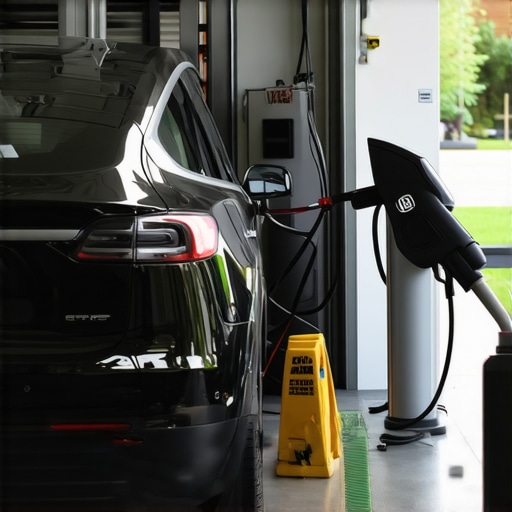
Have you ever stood in your garage, staring at your EV charger, only to realize it’s not working when you need it the most? That frustrating moment of discovering your charger isn’t functioning properly can turn an exciting EV upgrade into a headache. I vividly remember the first time my home charger malfunctioned just as I was rushing out for an important meeting. It was a lightbulb moment that made me realize how crucial reliable, fast home charging truly is in today’s fast-paced world.
Why Reliable EV Charging Matters More Than Ever in 2025
As electric vehicles become increasingly common, the demand for efficient and safe home charging solutions skyrockets. According to a recent study, over 80% of EV owners charge their vehicles at home, making the reliability of their chargers vital for daily life. Fast charging capabilities enable us to replenish our batteries quickly, reducing downtime and keeping us on the move. However, even the best equipment can encounter issues, which is why understanding troubleshooting and proper installation is essential.
In my experience, one of the biggest mistakes early on was neglecting proper setup. I initially underestimated the importance of following manufacturer guidelines and overlooked some basic electrical safety practices. This oversight not only caused delays but also posed safety risks. To help you avoid similar pitfalls, I’ll share expert tips on troubleshooting common problems and ensuring your EV charger is installed correctly for optimal performance.
Is EV Charger Troubleshooting Actually Worth the Hype?
Many skeptics might wonder if troubleshooting tips are just hype or truly helpful. I used to think so too, until I faced a stubborn charging issue that no generic advice could fix. The truth is, troubleshooting isn’t just about fixing problems—it’s about understanding your system, preventing future issues, and ensuring safety. Learning from experienced electricians can save you time and money, and help you get back on the road faster.
If you’ve ever experienced a charging failure, you’re not alone. Troubleshooting is an essential skill for every EV owner, and with the right guidance, you can resolve issues efficiently. Want to learn how to troubleshoot your EV charger like a pro? Stay tuned, as I’ll walk you through proven steps and expert insights to keep your home charging station running smoothly.
Before we dive into the practical solutions, it’s worth noting that many issues stem from simple mistakes—like improper wiring or outdated equipment. According to electrical safety experts, proper installation and regular maintenance are key to safe and reliable EV charging. For more detailed advice on safe installation practices, check out this comprehensive guide.
Now that you understand why troubleshooting is critical, let’s explore the essential steps to diagnose and fix common EV charging problems. Whether you’re experiencing slow charging, error messages, or complete power failure, these tips will help you restore your fast home charging capability and enjoy a seamless EV experience in 2025.
Step 1: Verify Power Supply and Circuit Breaker
Start by checking if your electrical panel’s circuit breaker dedicated to your EV charger is in the ON position. A tripped breaker is a common cause of charging issues. I once faced a stubborn slow charge because my breaker had tripped after a power surge. Resetting it restored normal charging. If the breaker trips again, it indicates an underlying wiring or overload problem, which requires professional attention. For detailed safety guidelines, visit this expert guide.
Step 2: Inspect the Charging Cable and Connector
Next, examine the cable for visible damage: cuts, frays, or burns. Ensure the connector is clean and free of dirt or corrosion. Dirty or corroded contacts can cause connection failures. I once cleaned my connector with a soft cloth and a bit of contact cleaner, which improved the connection dramatically. Avoid using aggressive chemicals that can damage the contacts. Proper inspection and maintenance can prevent many common issues. For more maintenance tips, check this resource.
Step 3: Test the Power Outlet
Use a multimeter to verify the outlet voltage matches your charger’s specifications, usually around 240V for Level 2 chargers. A low or inconsistent voltage can hinder charging. If you’re unsure how to do this, consider hiring a qualified electrician. I had an outlet that was providing only 210V, leading to slow charging. Upgrading or repairing the outlet fixed the issue. For troubleshooting electrical wiring, see this detailed guide.
Step 4: Check the Charger Firmware and Settings
Modern chargers have firmware that may need updates. Access the charger’s app or control panel to ensure it’s running the latest firmware. Also, verify charging settings—sometimes, timers or modes are misconfigured, preventing charging. I once updated my charger’s firmware, which resolved unexplained error messages. Keep your device’s firmware current by following the manufacturer’s instructions. For installation tips, visit this article.
Step 5: Examine and Reset Error Codes
If your charger displays an error code, consult the user manual or manufacturer’s website for specific troubleshooting steps. Many issues are resolved by a simple reset. I had a persistent error that was cleared by unplugging the charger for 10 seconds and plugging it back in. Sometimes, power cycling can resolve temporary glitches. If problems persist, professional diagnosis might be necessary. For expert advice on troubleshooting, see this guide.
Step 6: Ensure Proper Installation and Grounding
Finally, verify that your charger is installed according to safety standards, including proper grounding and adherence to local electrical codes. Improper grounding can cause safety hazards and operational issues. I once noticed my charger was loosely mounted, which caused intermittent connections. Securing it firmly and confirming proper grounding resolved the problem. For detailed installation procedures, visit this comprehensive installation guide.
Unveiling the Hidden Nuances in EV Charging
While many electric vehicle owners focus on the basics of troubleshooting and installation, there’s a lesser-known aspect that often trips up even seasoned users: misconceptions rooted in oversimplified advice or outdated practices. Let’s dig deeper into what most people get wrong about EV charging and how understanding these nuances can save you time, money, and safety risks.
Myth: All EV Chargers Are Created Equal
One common misconception is believing that any Level 2 charger will perform equally well. In reality, the quality of components, firmware stability, and compatibility with your vehicle’s specifications vary widely. For example, some chargers may deliver faster charging but lack necessary safety features, increasing the risk of damage or hazards. Experts suggest investing in certified equipment and regularly updating firmware. For detailed insights, see this guide.
Myth: Overloading the Circuit Is Safe with a Proper Breaker
Many assume that installing a dedicated circuit breaker makes overloading safe. However, this overlooks the importance of correct wiring, proper grounding, and ensuring the breaker’s amperage matches the charger’s requirements. Overloading even a dedicated circuit can cause frequent trips or long-term electrical issues. Always consult a qualified electrician to verify your setup, as improper wiring is a significant trap. To learn more about safe installation practices, visit this comprehensive resource.
Advanced Question: How Do Firmware Updates Really Impact Charger Reliability?
Firmware updates are often viewed as optional, but in truth, they can be crucial for security, compatibility, and performance. Outdated firmware may contain bugs or security vulnerabilities that compromise charging efficiency or safety. Regular updates, provided by manufacturers, ensure your charger adapts to new standards and fixes. Ignoring firmware updates can lead to persistent errors or slower charging speeds, especially as EV technology evolves rapidly. According to a study by the Electric Power Research Institute, firmware management directly correlates with charger longevity and safety, emphasizing the importance of staying current. For more on firmware management, check this article.
Have you ever fallen into this trap? Let me know in the comments. By understanding these nuanced truths, you can avoid costly mistakes and ensure your EV charging setup remains safe, efficient, and future-proof.
How do I maintain my EV charging station over time?
Maintaining your EV charger is crucial for ensuring long-term reliability and safety. I personally rely on a combination of professional inspections and specific tools to keep my setup in top shape. Regular inspections by a qualified electrician help catch issues early, but there are also some handy tools I keep in my toolkit for routine checks.
One indispensable tool I use is a digital multimeter. It allows me to verify outlet voltage, check wiring continuity, and ensure proper grounding without needing to call a professional for every small concern. I prefer a multimeter with auto-ranging features and a high-precision display, which makes troubleshooting faster and more accurate. I use it monthly to verify that the outlet voltage remains stable and within the recommended range, especially after any electrical work or storms.
Another essential tool is a socket tester. It’s simple but effective for confirming correct wiring and grounding of the outlet. I always use it before plugging in my charger, especially if I notice any error messages or irregular charging speeds. Proper wiring and grounding are vital; a faulty connection can cause not only charging issues but also safety hazards.
For firmware updates, I rely on the official app provided by my EV charger manufacturer. Keeping the firmware current is crucial because updates often include security patches, bug fixes, and performance improvements. I make it a habit to check for updates quarterly. These updates can sometimes resolve persistent glitches that hardware troubleshooting alone can’t fix. For detailed guidance on firmware management, see this expert article.
To ensure ongoing safety, I also invest in a whole-home surge protector. This device shields my charger and entire electrical system from voltage spikes, which can be caused by lightning or power surges. It’s a proactive step that saves money in the long run by preventing damage to sensitive electronics.
Lastly, I schedule routine professional inspections every 1-2 years. Electricians can verify the integrity of wiring, grounding, and the charger’s physical installation—something that’s difficult to do accurately without specialized tools and expertise. For a trusted electrician, I recommend reaching out through this contact page.
Conclusion: The Future of EV Charger Maintenance
As EV technology progresses, I predict that smart diagnostic tools and automated firmware updates will become standard, making maintenance even easier. The trend toward integrated IoT devices will enable real-time health monitoring and proactive alerts, minimizing downtime. Embracing these innovations now will prepare you for a future where your EV charging station remains reliable with minimal effort.
Try implementing a regular check with your multimeter and firmware updates as part of your maintenance routine. These small steps can significantly extend the lifespan of your equipment and ensure safe, efficient charging for years to come.
The Hardest Lesson I Learned About EV Charger Reliability
One of the toughest lessons I faced was underestimating the importance of proper installation. I once believed that a simple plug-and-play setup would suffice, but I quickly learned that quality wiring and grounding are essential for safe and consistent charging. This experience taught me to always prioritize professional installation and regular maintenance, preventing costly repairs and safety hazards.
3 Myths About EV Charging That Held Me Back
For years, I bought into the myth that all EV chargers are created equal, assuming that any Level 2 charger would perform reliably. I discovered that differences in components, firmware, and safety features can significantly impact performance. Upgrading to certified, high-quality chargers made a noticeable difference in speed and safety, dispelling this misconception once and for all.
What Experts Won’t Tell You About Firmware Updates
I used to think firmware updates were optional, but I now understand they are vital for optimal performance and security. Outdated firmware can cause persistent errors and slow charging speeds. Regularly updating my charger’s firmware, following manufacturer guidance, has kept my system running smoothly and safely in 2025.
Curated Roadmap for Smarter EV Charging Maintenance
My Essential Toolkit for EV Charging includes a high-precision digital multimeter, a quality socket tester, and a reliable smartphone app for firmware updates. I trust these tools because they empower me to perform routine checks safely and accurately, catching issues early and extending my charger’s lifespan. For comprehensive maintenance guidance, I recommend visiting this resource.
Embracing the Future: Your Path to Confident EV Charging
Now is the perfect time to master troubleshooting and maintenance, ensuring your EV charging experience is safe, efficient, and future-proof. By adopting proactive habits and leveraging smart tools, you can enjoy reliable charging without stress. Remember, every step you take today builds confidence for tomorrow’s evolving EV technology.
What has been your biggest challenge with EV charger troubleshooting? Share your experiences below and let’s learn together!