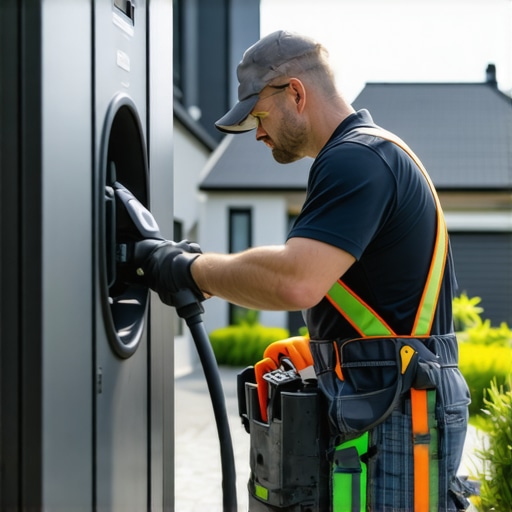
I remember the moment I first tried to install an EV charger at home. It was late in the evening, and I was eager to start charging my electric vehicle overnight. But as I flipped the switch, nothing happened. Instead of a smooth start, I was met with flickering lights and a sinking feeling in my stomach. That realization hit hard: even a seemingly simple installation can go awry if you don’t have the right tips and tricks up your sleeve.
Why Proper Installation and Troubleshooting Matter Now More Than Ever
The surge in electric vehicle adoption makes having a reliable, safe home charging station essential. According to the U.S. Department of Energy, improper installation or maintenance of EV chargers can lead to electrical hazards, including fires and shocks. This isn’t just about convenience; it’s about safety for your family and your property. As an electrician with years of experience, I’ve seen firsthand how a small mistake early on can turn into a costly and dangerous problem later.
So, how do you avoid these pitfalls? Whether you’re installing a new charger or troubleshooting an existing one, having reliable electrician tips can make all the difference. Today, I’ll share practical advice that I’ve accumulated over years of working in this field, guiding homeowners through safe and efficient EV charging solutions.
Have you faced issues like your charger not powering up or flickering lights? You’re not alone. Many homeowners make simple mistakes that can be easily fixed with the right knowledge.
Early in my career, I made the mistake of rushing through a setup without double-checking the circuit connections. That led to a short circuit and a costly repair. Trust me, taking the time to understand the common errors can save you time, money, and potential safety hazards. For more detailed guidance, you can explore resources like expert troubleshooting tips for EV chargers.
In the upcoming sections, I’ll walk you through step-by-step procedures for installing your EV charger safely and troubleshooting common issues. Whether you’re a DIY enthusiast or just want to understand what your electrician should be doing, this guide will equip you with the essential knowledge to keep your home safe and your EV charging reliable.
Let’s get started with understanding the key considerations before you even pick up a tool or call an electrician. Proper planning sets the foundation for a safe and efficient charging experience, which we’ll cover in the next part of this guide.
Assess Your Electrical System Before Installation
Think of your home’s electrical system as the foundation of a house. Before installing an EV charger, ensure your electrical panel can handle the additional load. I once arrived at a home where the panel was outdated, and attempting to install a high-capacity charger risked overloading the system. Upgrading the panel or installing a dedicated circuit is often necessary. For detailed guidance, visit this resource.
Choose the Right Location for Your Charger
Select a spot that is easily accessible, close to your vehicle’s parking spot, and compliant with local codes. Use a conduit or flexible cable to protect wires from physical damage. I remember installing a charger in a tight garage; using flexible conduit made the wiring much easier and safer. Proper placement prevents future issues and simplifies troubleshooting.
Proper Wiring and Connection Techniques
1. Turn Off Power and Confirm
Always shut off power at the breaker before starting. Confirm with a multimeter that no voltage is present. Rushing this step led me once to a minor electric shock, emphasizing the importance of verifying power status.
2. Use Correct Gauge and Quality Components
Match the wire gauge to the amperage of the charger. Use UL-listed components to ensure safety and durability. In my experience, cheap wires often cause overheating or failures, so investing in quality parts saves headaches later.
3. Make Tight, Secure Connections
Ensure all screw terminals are tightened properly. Loose connections can cause arcing or intermittent power. I once had a flickering charger because a terminal was barely tightened; re-securing it fixed the issue instantly.
Testing and Initial Startup
Once wired, turn on the breaker and test the charger. Use a multimeter to check voltage at the outlet and charger terminals. If you notice flickering or no power, double-check wiring connections, especially ground and neutral. My first troubleshooting success was verifying neutral wiring, which resolved a no-power issue.
Common Troubleshooting Steps for Faulty Chargers
1. Reset and Restart
Power cycle the charger by turning it off and on. Sometimes, a simple reset clears minor glitches. I often remind homeowners to do this before diving into complex fixes.
2. Check for Error Codes and Indicators
Many chargers have LED indicators or displays. Refer to the manual to interpret error signals. Recognizing these codes quickly directs your troubleshooting efforts.
3. Inspect Wiring and Connections
Loose or damaged wires are common culprits. Visually inspect all connections, and replace any frayed wires. Remember, a loose connection is like a leaky pipe; it causes problems down the line.
4. Verify Power Supply and Circuit Breakers
Ensure the breaker hasn’t tripped. Sometimes, external factors cause breakers to trip, cutting power unexpectedly. If the breaker trips repeatedly, consult an electrician about your home’s capacity.
When to Call a Professional
If troubleshooting doesn’t resolve the issue or if you’re uncomfortable working with electrical components, contact a licensed electrician. They can perform comprehensive diagnostics and ensure everything meets safety standards. For expert assistance, visit our contact page.
Debunking Myths About EV Charger Safety and Performance
One prevalent myth is that any standard outlet can support EV charging without issues. In reality, many homeowners underestimate the importance of dedicated circuits and proper wiring gauge. This misconception can lead to overheating, frequent breaker trips, or even fires. According to a study by the National Fire Protection Association, electrical fires related to improper EV charger installation have risen due to this very misunderstanding. Always consult a licensed electrician to assess your electrical system’s capacity before installation.
Advanced Mistake: Overlooking the Nuance of Voltage Drop
Many homeowners focus solely on breaker ratings and wire gauge, but forget about voltage drop. Voltage drop occurs when wires are too long or improperly sized, causing insufficient voltage at the charger. This results in slow charging, frequent faults, or complete failure. For high-capacity chargers, a detailed analysis of wire length and gauge is crucial. Electricians often use specialized tools or calculations, as described in this troubleshooting guide, to ensure voltage stability.
Why Most People Get Tripped Up on Grounding
Grounding is an area many folks overlook or misunderstand. Proper grounding ensures safety, but improper grounding can cause persistent faults or shocks. A common trap is using a grounding rod when a grounding system should be connected to the home’s main grounding point. This subtle distinction can be the difference between a safe setup and a hazardous one. The National Electrical Code (NEC) provides detailed rules about grounding practices, and consulting with an electrician is advisable to avoid this trap.
Expert Insight: Why ‘Plug and Play’ Isn’t Always Safe
Many assume that simply plugging in a high-capacity EV charger is enough, but this overlooks critical wiring and electrical code requirements. For example, a Level 2 charger typically requires a dedicated 240V circuit with appropriate overcurrent protection. Skipping these details can cause equipment damage or safety hazards. As I emphasize in lighting installation guides, professional installation ensures all nuances are properly addressed.
Have you ever fallen into this trap? Let me know in the comments. Recognizing these hidden nuances can save you from costly mistakes and safety issues down the line. Remember, when in doubt, always consult a professional who understands the intricacies of electrical systems and EV charging safety.
How do I maintain my EV charging setup over time?
Maintaining your home EV charger is crucial for ensuring long-term performance and safety. I rely heavily on specialized tools and routine inspections to keep everything running smoothly. First, a high-quality multimeter is indispensable. I use mine to regularly check voltage levels, ensuring that the charger receives stable power without fluctuations that can cause wear or faults. For example, verifying proper grounding and neutral connections with a digital multimeter can prevent issues that might not be immediately apparent but could lead to safety hazards.
Second, I highly recommend investing in a thermal imaging camera. This might sound advanced, but it’s incredibly effective for early detection of hot spots around wiring connections or circuit breakers. Spotting these potential problems early can save you from costly repairs and dangerous failures later. I use mine during routine inspections, especially after installation or any maintenance work, to ensure no component is overheating.
Third, a reliable circuit tester or breaker tester is essential. It helps verify that circuit breakers trip correctly under fault conditions, providing peace of mind that your system is protected. I personally test my circuits periodically, following manufacturer instructions, to ensure safety compliance.
In addition to tools, software plays a growing role in maintenance. Some modern EV chargers support remote diagnostics via their app, allowing me to monitor performance, get alerts for faults, and perform firmware updates without needing to visit the site physically. This proactive approach minimizes downtime and extends the lifespan of your charger.
Looking ahead, I predict that integrated smart monitoring systems will become standard for EV charging stations. These systems will analyze data continuously, predict failures before they happen, and even automate maintenance scheduling. Embracing these technologies now can future-proof your setup.
To keep your EV charging station in top shape, I recommend performing monthly visual inspections for wear or damage, testing connections with a multimeter, and using thermal imaging periodically. Also, stay updated with firmware updates from your charger manufacturer to benefit from improvements and security patches. Remember, a well-maintained system not only lasts longer but also ensures your safety and reliable vehicle charging. For more detailed maintenance practices, visit this resource. Don’t hesitate to try using a thermal imaging camera during your next inspection — it’s a game changer for early fault detection.
The Hardest Lesson I Learned About EV Charger Safety and Reliability
One of the most valuable lessons I’ve learned is that rushing through an EV charger installation can lead to overlooked details that compromise safety. I once tried to save time by skipping a thorough grounding check, only to face persistent faults and safety alerts later. It taught me that patience and meticulousness are essential in electrical work, especially with high-capacity chargers.
3 Myths About EV Charger Troubleshooting That Held Me Back
Early in my career, I believed that resetting the charger was always enough to fix problems. However, I discovered that understanding error codes and inspecting wiring connections is crucial. Debunking this myth opened my eyes to the importance of systematic troubleshooting, saving me time and preventing recurring issues.
What Experts Won’t Tell You About Long-Term EV Charging Maintenance
Many assume that once an EV charger is installed, it requires minimal attention. But I’ve learned that routine inspections, thermal imaging, and software updates are vital for longevity. These proactive steps help detect early signs of wear, ensuring safe and reliable charging for years to come.
Curated Resources to Elevate Your EV Charging Skills
1. ReliableElectricPro’s Troubleshooting Guide: This comprehensive guide offers step-by-step techniques for diagnosing common EV charger issues. I trust it because it’s based on real-world electrician experience. Check it out here.
2. The National Electrical Code (NEC): Staying updated with NEC standards ensures your installation complies with safety regulations. I reference it regularly to verify grounding and wiring practices. NEC guidelines are my go-to resource.
3. My Trusted Multimeter and Thermal Camera: These tools have transformed my troubleshooting approach. They allow me to pinpoint issues that aren’t visible to the naked eye, preventing dangerous faults before they escalate.
Your Turn to Try
Understanding these hidden lessons and resources can dramatically improve your EV charging experience. Remember, safety and reliability come from knowledge and careful maintenance. Don’t hesitate to experiment with tools and techniques, but always prioritize safety and professional guidance when needed.
What’s the most surprising thing you’ve learned about EV charger troubleshooting? Share your insights in the comments below!
Reading through this comprehensive guide really resonated with me, especially the part about voltage drop and proper grounding practices. I had a small mishap a few months ago where I overlooked the length of the wiring run for my new EV charger, and it resulted in slow charging speeds. That experience taught me just how critical detailed planning and correct wiring gauge are, especially for high-capacity chargers. I also invested in a thermal imaging camera afterward, which has been invaluable for early detection of any overheating issues around the connections. It’s remarkable how much preventative maintenance can save in future repair costs.
One question I have is how often do you recommend performing thermal imaging inspections? Is monthly too frequent, or is there a sweet spot based on usage and environment? I’d love to hear other experienced electricians’ opinions on this, as I want to keep my setup safe without overdoing it.