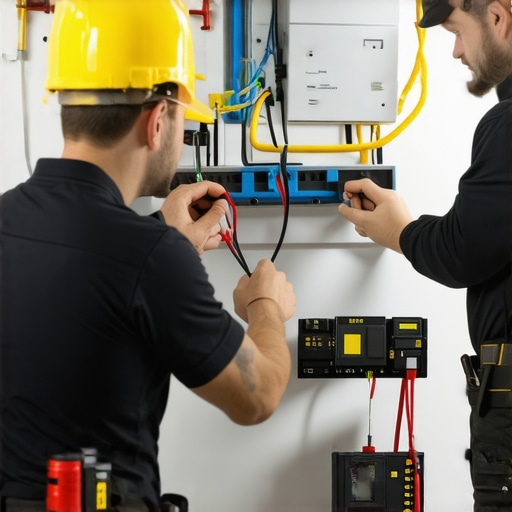
Ever been in the middle of Netflix, only to have your living room light flicker out just as the scene gets intense? That moment of frustration hit me hard when I first faced it. I thought it was just a burnt bulb—turns out, it was a sign of a deeper electrical issue I didn’t understand at the time. That experience taught me a valuable lesson: proper troubleshooting isn’t just for electricians; it’s essential for homeowners too. Today, I want to share how you can identify and fix common lighting problems safely, saving you money and preventing potential hazards.
Why You Should Never Ignore Electrical Flickers or Outages
Lighting issues like flickering bulbs, dimming lights, or sudden outages aren’t just minor annoyances—they can point to serious electrical problems that, if left unchecked, might lead to electrical fires or damage to your appliances. According to the U.S. Fire Administration, electrical failures or malfunctions are responsible for thousands of home fires annually. That’s why understanding the root cause is crucial for your safety and peace of mind. In this post, we’ll walk through some of the most common lighting issues and how to troubleshoot them effectively, with safety first in mind. If you’ve ever wondered whether you can handle this yourself or when to call a professional, keep reading. I’ll help you get a clear picture of what to do next.
Is DIY Fixing Your Lighting Actually Worth the Risk?
Early in my DIY days, I tried to fix a flickering chandelier without turning off the circuit breaker. Big mistake. I got a nasty shock that reminded me just how dangerous electricity can be if you’re not cautious. That’s a mistake I don’t want you to make. While some minor issues like replacing a bulb or tightening a loose connection can be tackled safely, more complex problems require expert knowledge. For instance, if you notice frequent circuit breaker trips or suspect wiring issues, it’s best to consult a licensed electrician. They have the tools and expertise to handle the job safely and thoroughly. Want to learn more about when to call in professionals? Check out this detailed electrician guide.
If you’re ready to dive into fixing common lighting issues or want to learn how to prevent them, let’s explore the practical steps next. Remember, safety always comes first—never work on live electrical components unless you are qualified. Now, let’s get started on how to troubleshoot your lighting problems effectively.
Switch Off Power Before You Start
My first real mistake was working on a flickering light fixture without turning off the circuit breaker. The moment I touched a wire, sparks flew, and I got a shock that taught me the importance of safety. Always switch off the power at the main panel before inspecting or handling any electrical components. Use a voltage tester to confirm the circuit is dead. Think of it like disconnecting a power tool before fixing it—safety first to prevent accidents.
Identify the Root Cause
When faced with flickering or dimming lights, start by examining the bulb itself. Sometimes, a loose or faulty bulb is the culprit. If the bulb is secure, check the fixture socket for corrosion or damage. If the problem persists across multiple fixtures, the issue might be with your wiring or circuit. In my case, I noticed that the flickering was worse during high appliance use, indicating a possible overload or loose connection. To understand the real issue, observe when the problem occurs and look for patterns.
Check for Loose Connections
Loose wiring connections are common causes of lighting issues. Turn off the power, then carefully remove the fixture cover or switch plate to inspect wiring connections. Tighten any loose screws or terminals. I once found a loose wire behind a switch that caused flickering. Use insulated tools and avoid touching exposed wires. Think of it like tightening a loose bolt—firm, but careful.
Test Circuit Components
Use a multimeter to test the voltage at the fixture or switch. If you’re unsure how to do this, it might be best to consult an electrician. For example, I used a multimeter to verify that the circuit was receiving proper voltage, ruling out voltage drops as the cause. This step helps confirm whether the problem is upstream or within the fixture itself.
Replace or Repair Faulty Parts
If the bulb, socket, or switch is damaged, replace it. When replacing bulbs, ensure they are rated for your fixture. For sockets or switches, choose high-quality parts to prevent future issues. I replaced an old, corroded socket with a new one, which immediately stopped the flickering. Remember, always buy parts that meet safety standards.
Understand Your Circuit Load
Overloading circuits can cause flickering and outages. Check if too many devices are plugged into the same circuit. Distribute your appliances more evenly across different circuits if necessary. This is similar to spreading out load on a power strip to prevent overheating. If you’re unsure, consult a professional or visit lighting troubleshooting tips.
Know When to Call a Professional
If after these steps the problem persists, or if you notice burning smells, sparks, or frequent breaker trips, it’s time to call an electrician. Handling complex wiring or circuits beyond your skill level can be dangerous. Remember, professional electricians have the right tools and training to diagnose and fix electrical issues safely. For more guidance, check out expert electrical safety tips.
Many homeowners fall into the trap of believing they fully understand electrical issues, but in reality, some misconceptions can lead to costly mistakes. One prevalent myth is that flickering lights are always caused by a burnt-out bulb or a loose connection, when in fact, they can sometimes signal more complex wiring problems that require professional diagnosis. Understanding these nuances can save you time, money, and safety risks.
Another misconception is that replacing fixtures or switches is a straightforward fix that anyone can handle. While some minor replacements are safe for DIY, misdiagnosing the root cause may only mask the problem temporarily, leading to more severe issues down the line. For example, persistent flickering during high load might be a sign of overloaded circuits or aging wiring, which can increase fire risk if ignored. Always consider consulting a licensed electrician for these situations.
Why Do So Many Get Trapped by Overconfidence?
Many homeowners underestimate the complexity of electrical systems, assuming that because they can replace a light bulb, they can fix wiring issues. This overconfidence can lead to dangerous situations, such as working on live circuits or misidentifying faulty components. Electricians spend years training to diagnose problems safely and accurately, and their expertise is essential for complex issues. Remember, some problems like persistent flickering or circuit breaker trips indicate underlying problems that won’t be solved by superficial fixes.
One common trap is assuming that all flickering is a minor issue. However, if you notice flickering during high power use, it could be a sign of overloaded circuits or deteriorating wiring, which can lead to fires. Do not ignore these signs—taking the right steps early is crucial for safety.
For advanced homeowners or those curious about the technical nuances, a key question arises: How can I distinguish between a simple bulb issue and a wiring problem?
The answer lies in observing the pattern and context of the flickering. If it occurs randomly or during high load, it’s likely wiring-related. Using a multimeter to check voltage consistency at different points in your system can reveal voltage drops indicating wiring faults. Expert advice recommends regular professional inspections for aging homes to prevent hidden faults from escalating.
In summary, debunking these myths and understanding the real causes behind lighting issues empower you to make safer, smarter decisions. Never assume that DIY fixes are always enough—know when to call a professional, especially for recurrent or complex problems. Have you ever fallen into this trap? Let me know in the comments!
Keeping your lighting systems and EV chargers running smoothly over time requires more than just initial installation skills; it demands the right tools and a proactive maintenance routine. As someone who’s been passionate about home electrical safety and efficiency, I want to share the specific equipment and methods I personally rely on to ensure long-term performance and safety.
Invest in Quality Multimeters for Precise Diagnostics
One of my most valuable tools is a high-quality digital multimeter, like the Fluke 117. I use it regularly to verify voltage levels, check circuit continuity, and detect electrical faults. Unlike cheaper models, Fluke meters provide reliable readings, which helps me quickly identify issues such as voltage drops or faulty wiring without guesswork. This precision prevents unnecessary troubleshooting steps and ensures repairs are effective the first time.
Use Infrared Thermometers to Spot Overheated Components
Overheating can quietly damage wiring and components, leading to failures or fires. I keep an infrared thermometer, like the Klein Tools IR1, handy for scanning switches, outlets, and wiring panels. Spotting hotspots early allows me to address potential problems before they escalate. This proactive approach extends the lifespan of fixtures and prevents costly repairs.
Maintain a Reliable Circuit Tester for Safe Work
A circuit tester, such as the Southwire 40150N, is essential for confirming power is off before working on any electrical component. I use it every time I plan to inspect or replace fixtures, ensuring my safety. Always double-check with a certified tester—never rely solely on visual cues or assumptions.
Schedule Regular Inspections and Use Software for Monitoring
Beyond tools, I recommend setting up a routine inspection schedule. For lighting, this might include checking connections and fixtures every six months. For EV chargers, I leverage monitoring apps provided by many brands, like ChargePoint, which alert me to performance issues or potential faults remotely. These digital tools allow for early detection and maintenance, saving money and reducing downtime.
Stay Ahead with Trendy Smart Home Integration
Looking ahead, the trend is moving toward smarter, more integrated electrical systems. Smart circuit breakers and energy management systems can automatically flag anomalies, optimize load distribution, and even schedule maintenance alerts. Investing in these technologies now not only enhances safety but prepares your home for future upgrades. For example, integrating smart lighting controls can extend bulb life and reduce energy costs, while smart EV chargers can self-diagnose issues, guiding you on necessary repairs.
How do I maintain lighting and EV systems over time?
Regular inspection and cleaning are crucial. Keep fixtures free of dust and debris, tighten loose connections, and replace worn parts promptly. Also, update your monitoring software and firmware when updates are available, as they often include security patches and performance improvements. For critical components like EV chargers, consult the manufacturer’s maintenance schedule, and consider professional check-ups to ensure everything remains compliant with safety standards. Always refer to trusted resources like this guide for comprehensive maintenance strategies.
Finally, trying out advanced diagnostic tools or scheduling regular professional inspections can significantly extend the lifespan of your electrical setup. Don’t hesitate to experiment with smart home integrations—they’re designed to make your system more reliable and easier to maintain in the long run. Remember, safety and periodic checks are your best friends in maintaining a home that’s both safe and efficient.
Lessons from My Hardest Wiring Mistakes
The biggest lesson I learned was the importance of turning off the power before inspecting any electrical fixture. Working live might seem quick, but it’s incredibly dangerous and can lead to shocks or fires. Once, I tried fixing a flickering light without shutting off the breaker and paid the price with a surprising jolt. Now, I always double-check that the circuit is dead before doing any work, and I recommend you do too.
The Hidden Wisdom in Simple Troubleshooting
One thing I wish I knew earlier is how often flickering lights are caused by loose connections rather than faulty bulbs. A quick inspection of wiring behind switches or fixtures can reveal loose screws or corroded contacts. Tightening these can resolve the issue without needing to replace expensive parts. Remember, safety first—use insulated tools and verify power is off.
Why Overconfidence is a Homeowner’s Worst Enemy
Many homeowners assume that fixing a light is as simple as swapping a bulb. But recurrent flickering or breaker trips often signal deeper problems like overloaded circuits or deteriorating wiring. These issues can be dangerous if ignored, increasing the risk of fire or damage. If you encounter persistent problems, don’t hesitate to consult a licensed electrician. They can diagnose issues that DIY might miss, ensuring your home stays safe and reliable.
My Essential Toolbox for Safe Lighting Repairs
Having a quality multimeter like the Fluke 117 is a game-changer. It helps me verify voltage levels and check for wiring faults precisely. I also rely on infrared thermometers to spot overheating components early, preventing potential fires. A good circuit tester ensures I work safely by confirming power is off before beginning any repairs. These tools have saved me from costly mistakes and kept my electrical system running smoothly.
Keep Your Home Bright and Safe for the Future
Regular inspections, smart home integrations, and ongoing maintenance are key to long-term electrical safety. Setting reminders to check fixtures and connections helps prevent problems before they escalate. Upgrading to smart circuit breakers or energy management systems can provide real-time alerts about issues, making troubleshooting less stressful and more effective. Remember, maintaining a safe electrical system isn’t a one-time task—it’s an ongoing effort that pays off in peace of mind.