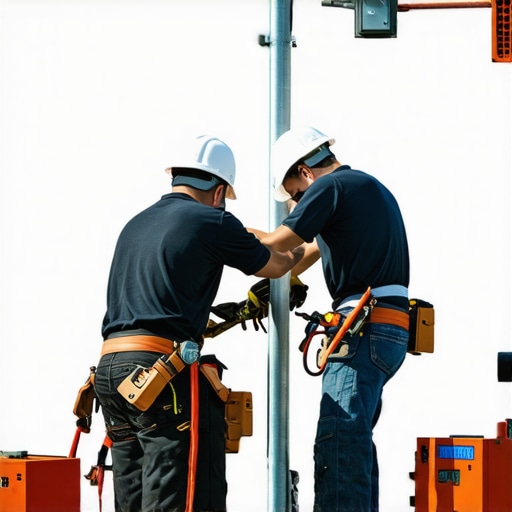
Ever experienced that sinking feeling when your newly installed light flickers or your electric vehicle charger refuses to cooperate? I remember the first time I tackled a home lighting installation, only to be greeted by flickering bulbs and a faint smell of burning wires. It was a wake-up call that even simple-looking projects can hide complex problems. That moment made me realize how crucial proper troubleshooting and installation techniques are—especially when it comes to safety and reliability.
Why Getting It Right Matters Now More Than Ever
In today’s world, our homes are more electrically dependent than ever. From energy-efficient lighting to fast-charging EV stations, the demand for reliable electrical setups has skyrocketed. A poor installation not only risks damaging your equipment but can also pose serious safety hazards, including electrical fires. According to the National Fire Protection Association, electrical failures account for approximately 13% of home fires in the US annually. That’s a stark reminder that cutting corners isn’t worth the risk.
Whether you’re a homeowner trying to troubleshoot a stubborn light fixture or planning a safe EV charger setup, understanding the basics of electrical troubleshooting is essential. Early mistakes, like ignoring proper grounding or using incompatible components, can turn a simple job into a costly and dangerous nightmare. Trust me, I’ve made these errors myself. But the good news is, with the right guidance, you can fix most issues safely and confidently. If you’re wondering whether your setup is proper or if that strange flickering is just a nuisance or a fire hazard, you’re not alone. Many homeowners face these dilemmas without knowing where to start.
Have you ever faced persistent lighting issues or struggled to get your EV charger working safely? If so, keep reading. I’ll walk you through proven troubleshooting tips and safety checks that will make you feel more like an electrician than a homeowner.
Let’s dive into the practical steps that will help you identify and resolve common problems—safely and effectively. Want to see how I approach troubleshooting? Check out how professional electricians handle lighting issues for some expert insights. Ready to get started? Your safe, reliable home electrical system is just a few steps away.
Start with a Visual Inspection
Before diving into complex tests, examine your wiring, outlets, and fixtures for obvious signs of damage, loose connections, or discoloration. I remember working on my garage light that flickered persistently; a quick inspection revealed a loose wire that had been partially disconnected during a previous DIY job. Fixing this immediately stopped the flickering and prevented potential hazards.
Check for Proper Grounding
Grounding issues are common culprits for flickering lights or charger problems. Turn off power at the breaker, then verify that all grounding wires are securely attached to grounding terminals. Use a multimeter to ensure continuity between grounding points. During my last project, I found a grounding wire that was improperly connected; correcting this improved safety and system stability.
Test Circuit Continuity and Voltage
Use a multimeter to check that circuit wires have continuity and that voltage levels are within normal ranges. For example, I once tested an EV charger outlet and discovered voltage fluctuations that caused intermittent charging. Fixing loose connections or replacing faulty outlets restored consistent power and safety.
Identify Overloaded Circuits
Overloading can cause flickering and damage. Turn off all devices on the circuit, then turn it back on and test each device individually. If flickering occurs when a high-load device is connected, consider redistributing the load or upgrading your wiring. I learned this the hard way when my home office lighting flickered whenever I plugged in a space heater; splitting the load prevented overloads and improved safety.
Use Proper Testing Equipment and Techniques
Always use a quality multimeter for testing voltage, current, and continuity. Follow safety procedures: turn off power before inspecting or replacing components. When troubleshooting my own lighting, I used a multimeter to confirm that a switch was functioning correctly and that no residual voltage was present before handling wiring.
Verify Compatibility and Ratings
Ensure all components, including switches, outlets, and fixtures, match the manufacturer’s specifications. For EV chargers, confirm that your wiring and circuit breakers are rated appropriately. I once installed a charger with incompatible wiring, which caused frequent trips. Upgrading to the correct rated components eliminated the problem and enhanced safety.
Consult Resources and Experts When Needed
If troubleshooting reveals complex wiring issues or you’re unsure about any step, consult trusted sources like lighting installation troubleshooting guides or contact a licensed electrician. I once faced a puzzling flicker that persisted despite my tests; consulting a professional saved me from risky mistakes and ensured a safe fix.
Document Your Findings and Repairs
Keep a record of what you’ve checked and fixed. This helps identify patterns and informs future troubleshooting efforts. After fixing my garage wiring, I noted the issue was a loose connection that I had overlooked initially. Proper documentation streamlines ongoing maintenance and troubleshooting.
Remember, safety is paramount. If at any point you feel unsure, don’t hesitate to contact a professional. More detailed tips and professional insights can be found at Reliable Electric Pro contact page.
In the world of home electrical work, many homeowners fall prey to misconceptions that can lead to costly mistakes or even dangerous situations. While basic troubleshooting might seem straightforward, let’s dig deeper into some nuanced truths that are often misunderstood.
Why Most People Misjudge Circuit Overloads
A common myth is that simply unplugging devices will fix overload issues. However, this overlooks the importance of understanding circuit capacity and how wiring is designed to handle specific loads. Overloading a circuit repeatedly can cause heat buildup in the wiring, eventually leading to insulation damage or fire risks. Instead, consider redistributing high-power devices across different circuits or upgrading your wiring if necessary. Professional electricians emphasize that a thorough load calculation is essential—something many homeowners overlook.
It’s also a mistake to assume that circuit breakers trip randomly. In reality, they are carefully calibrated to protect wiring and devices. Frequent trips may indicate underlying issues like loose connections or faulty breakers, not just overloads. Ignoring these signs can result in persistent hazards. For advanced troubleshooting, using a multimeter to check for proper breaker operation and wiring integrity can reveal hidden faults—something that’s often missed in beginner diagnostics.
Beware of the Hidden Danger in Grounding
Many homeowners think that grounding wires are just an optional safety feature. In truth, improper grounding can create dangerous voltage potentials that cause flickering, equipment damage, or even electric shock risks. Common myths include the idea that grounding wires can be skipped on small fixtures, but in reality, all electrical systems require solid grounding to ensure safety.
One ‘oops’ factor is neglecting to verify grounding continuity with a multimeter. A loose or disconnected ground can lead to unexpected voltage on metal parts, increasing shock hazards. Professional electricians routinely perform detailed ground testing—something worth considering if you’re troubleshooting persistent issues or doing a major upgrade. For more advanced tips, check out lighting troubleshooting guides.
The Nuance of Compatibility and Ratings
A subtle but critical mistake is assuming that all switches, outlets, and fixtures are interchangeable. Overlooking component ratings and compatibility can cause flickering, shorts, or damage. For instance, using a switch rated for 15 amps on a 20-amp circuit can lead to overheating and failure over time. Similarly, mismatched wiring gauges or incompatible devices may seem to work initially but will cause problems down the line.
Advanced troubleshooting involves verifying that all components meet the manufacturer’s specifications and are rated for your circuit’s load. Confirming this can prevent future failures and ensure safety. I learned this the hard way when I installed a charger with incompatible wiring, which caused frequent trips. Upgrading to the right rated components not only fixed the issue but also enhanced safety—proof that attention to detail pays off.
Have you ever fallen into this trap? Let me know in the comments. If you need more expert guidance, visit our contact page for professional support.
Maintaining Your Electrical System for Long-Term Reliability
Investing in the right tools is crucial for keeping your electrical system safe and efficient over time. From multimeters to specialized testing devices, the right equipment can save you time, money, and potential hazards. I personally rely on a high-quality multimeter, like the Fluke 117, because it provides precise readings and durability for everyday troubleshooting tasks. It’s essential for verifying voltage levels, continuity, and grounding issues without risking safety.
Another indispensable tool I recommend is a non-contact voltage tester. It allows me to quickly identify energized wires and outlets, reducing the risk of electrical shock during inspections. For more advanced diagnostics, an insulation resistance tester helps ensure wiring integrity, especially when upgrading or repairing older systems. These tools are vital for confirming components are functioning within safe parameters, preventing future failures.
Embracing Smart Tools for Future-Proof Maintenance
Looking ahead, smart diagnostic devices are becoming more prevalent. Bluetooth-enabled multimeters and app-integrated testers enable real-time data logging and remote troubleshooting. These innovations allow for more accurate diagnostics and easier record-keeping, which is especially useful for ongoing maintenance of EV chargers and lighting systems. As the industry evolves, adopting these tools will become standard practice for proactive system management.
For example, using a thermal imaging camera can help identify hotspots in wiring or switches before they cause failures. This non-invasive approach gives you a clear picture of hidden issues, saving the cost and inconvenience of unexpected outages. I’ve personally used a FLIR E4 thermal camera to detect loose connections and overloaded circuits early—preventing costly repairs and improving safety.
How do I keep my tools in top shape?
Regular calibration and proper storage are key. Keep your multimeters and testers in a dry, clean environment, and perform calibration checks annually. This maintenance ensures accurate readings and prolongs device lifespan. Additionally, familiarize yourself with manufacturer guidelines for each tool, and replace batteries or worn-out parts promptly. Proper maintenance of your tools is just as important as the tools themselves in ensuring long-term reliability.
As the trend toward smarter, more connected electrical systems grows, staying updated on the latest diagnostic equipment will give you a significant advantage. Whether you’re troubleshooting a stubborn flickering light or ensuring your EV charger operates flawlessly, investing in the right tools is an investment in safety and peace of mind. For more detailed advice on troubleshooting tools and techniques, visit lighting troubleshooting guides.
Try integrating a Bluetooth-enabled multimeter into your routine for more efficient diagnostics. It’s a game-changer for quick checks and long-term maintenance planning.
The Hard-Won Lessons That Saved My Home
One of the most valuable lessons I learned was never to assume that a flickering light is a minor issue. Often, it masks deeper problems like faulty wiring or poor grounding that could cause serious safety hazards down the line. Another insight was that overloading circuits is a common mistake, but it’s crucial to understand your home’s electrical capacity before plugging in high-power devices. Lastly, I realized that investing in professional-quality testing tools, such as a reliable multimeter, pays off by catching issues early and preventing costly repairs. These lessons transformed my approach from guesswork to confidence, ensuring my home stays safe and functional.
Tools That Changed My Troubleshooting Game
When it comes to electrical troubleshooting, my go-to tools include a high-quality multimeter for accurate voltage and continuity checks, a non-contact voltage tester for quick energized wire detection, and a thermal imaging camera to spot hotspots before they become fire hazards. These tools help me diagnose issues safely and efficiently, and I recommend every homeowner invest in at least a decent multimeter and voltage tester for routine checks. For more advanced diagnostics, exploring smart tools like Bluetooth-enabled multimeters can be a game-changer for ongoing maintenance and troubleshooting.
Your Next Step Toward Safer, Smarter Home Electricals
Now that you know some of the crucial lessons and tools for electrical troubleshooting, it’s time to put this knowledge into action. Regular inspection, proper tool use, and understanding your system’s limits can help you avoid dangerous surprises. Remember, safety always comes first, so don’t hesitate to call a professional if you feel unsure about any step. Your home’s electrical system is the backbone of modern living—keep it reliable, safe, and smart. Ready to take the next step? Share your own troubleshooting stories or ask questions below and let’s build a safer home together!
Reading this post really hit home for me, especially the part about grounding issues. I remember a few months ago tackling a flickering light in my basement, and it turned out to be a loose grounding wire, which I overlooked at first. Correcting that made a huge difference in the stability of my system. It’s surprising how small issues like grounding or loose connections can lead to significant safety risks—something I learned the hard way. I also appreciate the emphasis on using quality testing equipment; I recently invested in a decent multimeter, and it’s been invaluable for troubleshooting without guesswork. Has anyone here had to deal with circuit overloads that caused frequent breaker trips? I’m curious about the best ways to accurately calculate load capacities, especially in older homes. Overall, this guide is a great resource for homeowners who want to stay safe while maintaining their electrical systems.
This article really resonated with me, especially the part about verifying grounding and using proper testing equipment. A few months ago, I had a similar experience with a flickering kitchen light. I initially thought it was just a bulb issue, but after some troubleshooting with my multimeter, I discovered a loose ground wire that was causing voltage fluctuations. Fixing that immediately stopped the flickering and greatly improved safety. It’s a good reminder that even small, seemingly minor issues can pose serious safety risks if overlooked. I’ve also learned the importance of understanding circuit load capacities, especially in older homes where wiring isn’t always up to modern standards. Has anyone here upgraded their wiring or circuits to handle higher loads safely? I’d love to hear about how you approached those upgrades. Overall, I think this kind of knowledge really empowers homeowners to be proactive about electrical safety, rather than just waiting for problems to happen.
Reading about grounding issues and safety checks really hit home for me. A few months ago, I experienced similar flickering in my dining room lights. It was tempting to just replace the bulbs, but my curiosity led me to troubleshoot further. Using my multimeter, I discovered a loose grounding wire that had been overlooked during a previous renovation. Fixing that immediately resolved the flickering and made me realize just how vital proper grounding is for safety and system stability. Since then, I’ve become much more diligent about inspecting electrical connections and using quality test tools regularly. These small steps can prevent bigger hazards down the road. I’ve often wondered, how do others handle the challenge of upgrading older wiring systems to meet modern power demands without overwhelming the existing infrastructure? Any tips or experiences would be valuable. It’s reassuring to know that with patience and the right tools, most electrical issues are manageable for homeowners willing to learn.