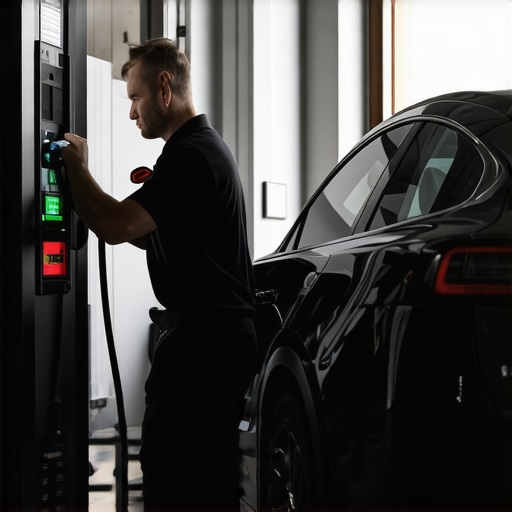
Ever been in the middle of a busy morning, only to discover your EV charger isn’t working? That frustrating moment when your electric vehicle’s charging station suddenly stops functioning can throw your whole day off. I’ve been there, scratching my head, wondering if I missed some critical step or if I should just call in a professional. The good news? Many common EV charger issues can be resolved with a bit of know-how and some simple troubleshooting steps, saving you time and money.
Why Proper Installation and Troubleshooting Matter More Than Ever
With the rise of electric vehicles, home charging stations are becoming as common as your trusty garage door opener. But installing and maintaining them isn’t always straightforward. A misstep during installation or neglecting routine checks can lead to safety hazards, inefficient charging, or even damage to your vehicle’s battery. That’s why understanding the basics of safe setup and troubleshooting is essential for every homeowner. According to the Department of Energy, improperly installed charging stations can increase the risk of electrical faults, which might cause fires or electric shocks if not properly addressed (source).
Have you faced a charging issue that left you feeling helpless? If so, you’re not alone. Many homeowners underestimate how important correct installation and regular troubleshooting are for reliable, safe EV charging. Today, I’ll walk you through some practical tips to troubleshoot common problems, so you can get back on the road faster and safer.
Is DIY Troubleshooting Actually Worth the Hype?
When I first started, I made a huge mistake—trying to fix my charger without understanding the electrical basics. It almost cost me more time and money. Trust me, while some issues are simple to fix, others require a professional touch. For complex problems, don’t hesitate to contact a licensed electrician. They can ensure your setup is compliant with local codes and safety standards. If you want to learn more about safe troubleshooting techniques, check out expert tips for troubleshooting EV chargers.
Now, let’s dive into how you can identify and fix common issues with your home EV charging station, step by step. Whether it’s a simple connection problem or an electrical fault, I’ll share the strategies that helped me avoid costly repairs and keep my EV charging smooth and safe.
Test Your Power Supply First
Before diving into complex fixes, check your home’s electrical outlet. Imagine it as the fuel pump for your car — if it’s not delivering power, everything else stalls. Use a multimeter or a voltage tester to ensure your outlet provides a steady 120V or 240V, depending on your charger. If the voltage is off, reset your breaker or consult an electrician. I once spent hours troubleshooting my charger only to realize the outlet was dead — a simple fix but a vital first step. For detailed guidance, visit this homeowner’s troubleshooting guide.
Inspect the Connection and Cables
Next, examine the physical connection between your EV and the charger. Think of it as checking the plug on your laptop — if it’s loose or damaged, charging won’t happen. Unplug the charger and look for frayed wires, corrosion, or debris in the connectors. Clean contacts gently with a dry cloth. If cables are cracked or bent, replace them immediately. I remember a time my cable’s insulation cracked, causing intermittent charging — replacing the cable instantly resolved the issue. Proper inspection can prevent future faults. For more tips, see maintenance tips for optimal performance.
Verify the Breaker and Circuit
Your charger relies on a dedicated circuit. Flip the breaker off and back on; sometimes, it’s just a tripped breaker. If the breaker keeps tripping, it indicates an overload or short circuit. Think of it as a safety valve — if it’s releasing too often, something’s wrong downstream. In such cases, avoid resetting repeatedly; instead, call a licensed electrician to diagnose the circuit. I experienced a breaker trip that turned out to be a faulty wiring connection — fixing that saved me from a potential fire hazard. For professional help, contact electricians here.
Check the Charger Settings and Firmware
Sometimes, the problem isn’t hardware but software. Review your charger’s settings through its app or interface. Ensure the charging mode and schedule are correctly configured. Additionally, check for firmware updates, as outdated software can cause malfunctions. I once ignored an update, and my charger kept disconnecting; updating the firmware solved the issue instantly. For expert tips on troubleshooting software, visit this troubleshooting guide.
Test the Charger with a Different Vehicle
If you have access to another EV, try charging it. This step isolates whether the problem is with the charger or your vehicle. It’s like swapping batteries to find a faulty one. If the second vehicle charges fine, the issue might be with your EV’s charging port or software. If not, the charger is likely the culprit. I once borrowed a friend’s EV to test my charger — sure enough, the fault was in my vehicle’s port, not the station. This simple test saves a lot of guesswork. For additional guidance, see repair strategies for EV chargers.
Consult a Professional When Needed
If troubleshooting steps don’t resolve the issue, don’t risk further damage or safety. Contact a certified electrician who specializes in EV chargers. Think of them as the skilled mechanic for your electrical system, ready to diagnose and fix complex problems. They can perform a comprehensive safety check, ensure code compliance, and upgrade your setup if necessary. I always recommend reaching out via this contact page for expert assistance. Proper installation and maintenance not only extend your charger’s lifespan but also keep your home safe.
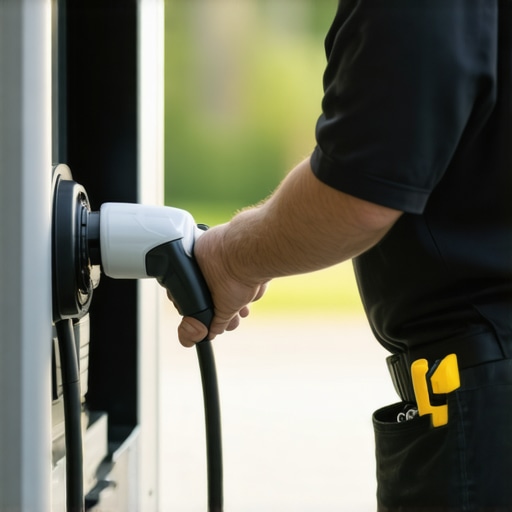
Many homeowners embarking on their EV charging journey fall prey to misconceptions that can lead to inefficient setups or even safety hazards. Let’s clear up some of the most widespread myths and reveal the nuances that often go unnoticed. Understanding these pitfalls can save you time, money, and ensure your home charging station operates safely and effectively.
Is It Really Safe to Install an EV Charger Without a Professional?
One of the most persistent myths is that installing a home EV charging station is a simple task anyone can tackle. While some minor troubleshooting can be DIY, the reality is that improper installation can lead to serious safety risks, including electrical fires or shocks. According to the National Fire Protection Association, about 20% of electrical fires are caused by improper wiring or faulty installations (source). Always consult a licensed electrician to ensure your setup complies with local codes and safety standards.
Many assume that if the charger powers on, everything is fine. However, subtle wiring issues or incorrect circuit configurations might not trigger immediate problems but can cause long-term damage or safety hazards. Investing in professional installation is a wise choice for peace of mind and safety.
Why Routine Troubleshooting Isn’t Always Enough
Routine troubleshooting steps—checking outlets, inspecting cables, resetting breakers—are vital, but they don’t cover every issue. A common mistake is relying solely on basic checks, which can overlook underlying problems like faulty wiring, software glitches, or incompatible hardware. For example, firmware issues can cause intermittent charging or disconnections, which are often mistaken for hardware faults.
Advanced troubleshooting requires a deeper understanding of electrical systems and software diagnostics. Manufacturers often release firmware updates to fix bugs, improve safety, and enhance compatibility. Ignoring these updates can leave your charger vulnerable to issues. As highlighted in expert tips, staying current with firmware and software updates is crucial for optimal performance.
What Happens When You Ignore Warning Signs
Many homeowners dismiss minor warning signs like flickering lights, unusual noises, or inconsistent charging speeds. These are often the first indicators of underlying electrical issues, such as overloaded circuits or damaged wiring. Ignoring these signs can escalate into dangerous situations, including electrical fires or damage to your EV’s battery.
For example, a tripped breaker that repeatedly resets might seem like a minor inconvenience, but it could signal a short circuit or overloaded wiring. Addressing these early warning signs with professional help can prevent costly repairs and ensure your home remains safe.
In conclusion, debunking these myths and understanding the nuances of EV charger installation and troubleshooting is essential. While some issues can be managed with basic checks, complex problems require expert intervention. Don’t fall into the trap of oversimplification—consult trusted professionals for safe and reliable EV charging at home. Have you ever fallen into this trap? Let me know in the comments.
Keeping Your EV Charger in Top Shape with the Right Tools
Maintaining your electric vehicle (EV) charger isn’t just about fixing issues when they arise; it’s about proactively ensuring smooth operation over time. The key lies in using the right tools and adopting a consistent maintenance routine. From basic inspections to software updates, I’ve found that a few specialized tools make all the difference in extending your charger’s lifespan and guaranteeing safe, reliable charging.
What Equipment Do I Need to Maintain My Charger Effectively?
First and foremost, a high-quality multimeter is indispensable. I use mine to regularly check the voltage and current flow at the outlet and the charger connection points. A multimeter like the Fluke 117 offers precise readings, helping me identify potential electrical issues before they escalate. Additionally, a thermal camera is a game-changer. It allows me to spot overheating components, loose connections, or worn wiring—problems that aren’t always visible to the naked eye. For example, during routine checks, I detected a hot spot near the circuit breaker, which prompted me to call in a professional for a quick fix.
Regular inspections should also include a dedicated flashlight, a mirror, and insulated gloves. These simple tools help me access hard-to-see parts and handle connections safely. Whenever I notice any corrosion or debris on the connectors, I clean them with a soft brush and contact cleaner, ensuring optimal conductivity. For software maintenance, I rely on the manufacturer’s app and firmware update utilities, which often include diagnostic features that can flag issues early on.
How Do I Keep My Charging Station Working Long-Term
Beyond tools, establishing a routine maintenance schedule is vital. I recommend visually inspecting your wiring and connectors every three to six months. Check for signs of wear, corrosion, or loose fittings. Keep the area around your charger clean and dry—moisture can lead to corrosion and electrical faults. Also, periodically review your software settings and firmware updates. Manufacturers frequently release patches that improve safety and compatibility. Staying current with these updates prevents software-related malfunctions and enhances your charging experience.
Another crucial step is testing your power supply regularly. Use your multimeter to verify the outlet voltage, especially if you notice irregular charging speeds or disconnections. Ensuring your circuit breaker is functioning correctly is also essential; tripped breakers or flickering lights often indicate underlying electrical problems that need professional attention.
Future Trends in EV Charger Maintenance
Looking ahead, I predict that smart diagnostics and IoT integration will become standard. Future EV chargers will continuously monitor their health and send maintenance alerts directly to your device, reducing downtime and costly repairs. These innovations will empower homeowners to troubleshoot with greater confidence and involve professionals only when necessary, saving time and money.
If you want to get started with advanced maintenance, I recommend trying out thermal imaging for early fault detection. It’s a proactive step that can prevent major failures. Remember, when in doubt, don’t hesitate to contact a trusted electrician for expert advice. You can reach out via this contact page for personalized support.
By investing in proper tools and establishing a regular maintenance routine, you’ll keep your EV charger running smoothly for years to come, ensuring safe and efficient charging every time. Stay ahead of potential issues and enjoy your electric vehicle with confidence!
When it comes to maintaining your home EV charging station, there’s a lot more to consider than just plugging in and charging. Over the years, I’ve learned that the real secret lies in the lessons learned from my own troubleshooting adventures—sometimes costly, sometimes enlightening. Here are some insights I wish I knew from the start, which can help you avoid common pitfalls and troubleshoot with confidence.
The Hardest Lesson I Learned About EV Charger Troubleshooting
The biggest mistake I made was assuming that if my charger powered on, it was working perfectly. It took a trip to the electrician after noticing inconsistent charging speeds and flickering lights to realize that even seemingly minor issues could point to hidden wiring problems or faulty connections. Now, I always perform a thorough inspection before calling in help, saving time and money in the long run.
Three Myths About Home EV Charging That Held Me Back
First, I believed that installing a charger was a simple DIY task. Wrong! Proper installation is crucial for safety and efficiency. Second, I thought firmware updates were optional; turns out, they’re vital for fixing bugs and improving performance. Lastly, I underestimated routine maintenance—regular checks with tools like a multimeter can catch issues early, preventing serious problems later.
What Experts Won’t Tell You About Troubleshooting EV Chargers
Most professionals will tell you that safety always comes first. Never attempt to fix electrical problems beyond your skill level. Also, keep in mind that many issues stem from overlooked details, such as circuit overloads or software glitches. Staying informed with trusted resources, like the troubleshooting tips on this guide, can make all the difference.
Curiosity Drives Better Maintenance and Troubleshooting
Every time I troubleshoot, I ask myself, “What’s really happening here?” This curiosity encourages me to dig deeper—checking outlets, inspecting cables, updating firmware—rather than settling for surface fixes. It turns troubleshooting into a learning experience, ensuring I keep my EV charger in top shape for years to come.
Keep These Tools Close for Troubleshooting Success
From a high-quality multimeter to a thermal camera, these tools have been game-changers. They help me identify overheating components, loose wiring, or voltage irregularities early, avoiding costly repairs. Regularly inspecting with these devices keeps my charger operating smoothly and safely, giving me peace of mind with every charge.
The Future Looks Bright for DIY and Professional EV Charger Care
As technology advances, I believe smart diagnostics and IoT features will make troubleshooting even easier. Imagine your charger sending alerts when something’s wrong—saving you time and preventing hazards. Until then, staying proactive with basic tools and professional help when needed remains the best approach to ensure safe and reliable home EV charging.
What’s the Biggest Lesson You’ve Learned About EV Charging Maintenance?
Share your stories or questions below—your experience might help others avoid the same mistakes and keep their EV chargers running smoothly. Remember, a little knowledge goes a long way in making your home charging station safe and efficient!