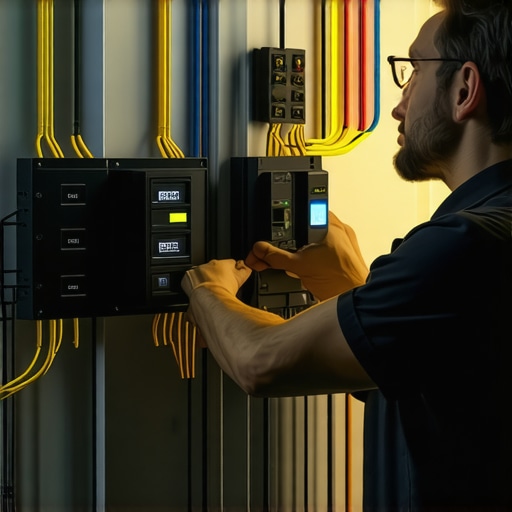
I remember the moment it hit me—my living room was dimmer than usual, and flickering lights made the whole space feel unsafe. It was late at night, and instead of enjoying a cozy evening, I was tangled in wires, frustrated and worried. That experience was a lightbulb moment for me, revealing how much I underestimated the importance of proper lighting and electrical safety in my own home.
Why Proper Lighting and Troubleshooting Matter More Than Ever
Good lighting isn’t just about making your space look nice; it’s a critical component of your home’s safety. Faulty wiring, poorly installed fixtures, and neglected troubleshooting can lead to hazards like electrical fires or shocks. Plus, with the rise of smart lighting systems, many homeowners find themselves overwhelmed, unsure where to start, or afraid of making costly mistakes. I’ve been there, and I want to help you avoid that stress.
In this post, we’ll walk through the essential steps to ensure your lighting is safe, reliable, and smart enough to meet modern needs. Whether you’re installing new fixtures, troubleshooting flickering, or upgrading to smart systems, I’ll share tips based on my own journey and trusted electrician advice. Let’s turn those worries into confident, safe lighting solutions that make your home brighter and more secure.
Is Smart Electrical Lighting Actually Worth the Hype?
Early on, I made the mistake of rushing into smart lighting installation without understanding the wiring and safety requirements. That led to more flickering and even a minor short circuit. Trust me, jumping into smart tech without proper knowledge can backfire. But with the right guidance, smart lighting can be safe, energy-efficient, and incredibly convenient. Want to learn how to do it right? Check out this comprehensive electrician’s guide for step-by-step instructions.
So, if you’ve faced similar issues—or you’re just tired of flickering lights and unsafe setups—stick around. Together, we’ll explore practical solutions that empower you to troubleshoot and install lighting safely, making your home not just brighter, but smarter and safer too. Ready to get started? Let’s dive into the real secrets of reliable lighting and troubleshooting that every homeowner should know.
Isolate the Circuit to Find the Fault
Start by turning off the circuit breaker that supplies power to your faulty lighting fixture. This prevents accidental shocks and gives you a safe workspace. I once tackled a flickering kitchen light by shutting off the breaker, then removing the fixture to inspect the wiring. The breaker trip was my first clue that there was an underlying issue with loose connections or faulty wiring.
Inspect and Tighten Connections
Carefully check all wire connections, especially at the switch and fixture. Loose or corroded wires are common culprits. Use a voltage tester to verify no current flows before touching wires. I personally learned that a simple screwdriver twist can sometimes fix flickering lights—just ensure the power is off first. If you find a loose wire, tighten it securely using insulated tools.
Replace Damaged Components
If you notice damaged wires, corrosion, or burnt components, replace them immediately. Think of your electrical system as a chain—any weak link can cause problems. When I replaced a corroded socket, I also upgraded to a smart fixture compatible with my home automation system, ensuring safety and future-proofing.
Test the Circuit and Fixture
Once everything is reconnected, turn the breaker back on and test your lighting. Use a voltage tester to confirm proper voltage. If flickering persists, double-check all connections or consider replacing the fixture. Testing multiple fixtures on the same circuit can help pinpoint issues. I found that swapping a faulty bulb or fixture sometimes resolves flickering without further troubleshooting.
Upgrade to Smart Lighting Securely
When installing smart lighting, follow manufacturer instructions carefully. Use a dedicated circuit if possible to handle the additional load. For complex setups, consulting a trusted electrician can avoid costly mistakes. I recommend reviewing this detailed guide to ensure safe and proper installation.
Use a Circuit Tester for Troubleshooting
A reliable circuit tester can quickly locate wiring faults or voltage irregularities. Place the tester at different points to confirm consistent power flow. I kept one handy during my troubleshooting, which made identifying intermittent faults much easier. Remember, always ensure the circuit is off before testing connections, and then verify power before reassembling fixtures.
Document and Prevent Future Issues
Keep a record of repairs and upgrades to track potential recurring problems. Regularly inspect wiring, especially in older homes. Upgrading to modern wiring standards or installing ground-fault circuit interrupters (GFCIs) can greatly enhance safety. For smart homes, ensure all compatible devices are properly integrated and tested periodically.
By following these practical, step-by-step methods, you can troubleshoot and resolve lighting issues confidently. If you’re unsure about any step, consulting a professional electrician is always the safest route. Proper troubleshooting not only restores your home’s lighting but also ensures ongoing safety and efficiency.
Many homeowners believe they can fix lighting issues with a simple DIY approach, but this oversimplification often leads to overlooked nuances that can cause serious safety hazards. One of the most pervasive myths is that flickering lights are always caused by a burnt-out bulb. While this can be true in some cases, in many instances, flickering indicates deeper wiring issues or faulty switches that require professional diagnosis. Rushing to replace the bulb without inspecting wiring connections can mask the real problem, leading to recurrent issues or even electrical fires. In my experience, understanding the underlying cause is crucial for a lasting fix. For complex setups like smart lighting, many assume compatibility issues are solely software-related, but wiring mismatches and insufficient circuit capacity are common pitfalls. Always verify that your wiring can support smart devices, and consult trusted electrician resources such as this detailed guide for proper installation procedures.
Why Do Even Smart Lighting Installations Fail Despite Following Tutorials?
A common advanced mistake is neglecting the importance of proper grounding and circuit capacity when installing smart lighting. Many DIY enthusiasts skip testing circuit loads or ignore grounding requirements, assuming these are only relevant for heavy appliances. However, improper grounding can cause shocks, and overloading circuits can trip breakers or damage smart devices. According to electrical safety standards outlined by industry experts, such as those from the National Fire Protection Association, these details are critical for safety and reliability. Failure to adhere to these standards can turn a simple upgrade into a dangerous hazard. Always double-check your circuit capacity and grounding, especially with smart systems that draw continuous power.
Another nuance often missed is the importance of verifying existing wiring before installing new fixtures. Many assume older wiring is compatible with modern fixtures or smart systems, but outdated wiring may lack sufficient insulation or grounding, increasing fire risk. An advanced troubleshooting step is to test wiring continuity and insulation resistance with a multimeter, something that many homeowners overlook. This step can prevent costly repairs down the line and ensure your safety.
In summary, the key to effective troubleshooting is not just replacing parts but understanding the complex electrical principles behind the symptoms. Avoid falling into the trap of superficial fixes or ignoring detailed safety checks—these are common pitfalls that can have serious consequences. If you encounter persistent issues or are unsure about your wiring, consulting a professional electrician is always the best course of action. For more insights, see this expert troubleshooting guide. Have you ever fallen into this trap? Let me know in the comments.
How do I keep my home lighting systems in top shape over time?
Maintaining your home lighting isn’t just about fixing issues when they arise; it’s about proactive care using the right tools and routines. I personally rely on a few specific tools that make ongoing maintenance straightforward and effective. One of my most trusted devices is a high-quality multimeter. I use it regularly to check wiring continuity, voltage levels, and insulation resistance, especially in older wiring setups. This simple step helps catch potential problems early before they turn into safety hazards.
Alongside a multimeter, I recommend investing in a reliable circuit tester. This tool quickly identifies wiring faults and irregularities without the need for complex setup. I prefer the non-contact voltage testers because they’re safe and easy to use—just a quick scan can confirm if a circuit is live, saving time and reducing risk during inspections.
For smart lighting systems, I rely on software-based tools such as smart home app diagnostics. These apps allow me to monitor the status of connected devices, check for firmware updates, and run troubleshooting routines. Keeping firmware updated is crucial, as it often includes security patches and performance improvements that ensure your smart system functions reliably over the long term.
Regular visual inspections are also key. I set a monthly reminder to walk through my home, checking for loose connections, corrosion, or signs of wear. For detailed inspection, I use a flashlight and an inspection mirror to view hard-to-see junction boxes and fixtures. This routine helps me catch minor issues before they escalate.
Tools are only part of the story. Proper documentation of repairs, upgrades, and inspections creates a maintenance schedule that keeps the system healthy. I keep a digital log, noting dates, issues found, parts replaced, and any adjustments made. This history helps me identify recurring problems and plan future upgrades.
Looking ahead, I believe the trend toward integrated smart home maintenance tools will grow. Devices that combine hardware diagnostics with AI-driven analytics could soon predict failures before they happen, much like predictive maintenance in industrial settings. This evolution will make home upkeep more proactive, affordable, and safe.
What’s the best way to keep your lighting system working flawlessly?
The key is combining the right tools—like a multimeter and circuit tester—with regular visual inspections and software updates. For example, I suggest trying out a multimeter for voltage checks during routine maintenance. It’s a simple, cost-effective way to ensure your wiring remains sound and your fixtures are operating correctly. To get started with a comprehensive maintenance plan, check out this expert guide for detailed procedures. Staying vigilant and proactive can save you time, money, and ensure your home stays safe and well-lit for years to come.
Lessons That Changed How I Fix Lighting Nightmares
- One of my toughest lessons was realizing flickering isn’t always a simple bulb issue; often, it’s a sign of deeper wiring problems that require careful troubleshooting. Jumping straight to replacements can mask the real hazard.
- When I ignored grounding and circuit capacity during smart lighting upgrades, I faced unexpected failures and safety risks. Ensuring proper wiring and adherence to safety standards is crucial for reliable smart systems.
- Regular maintenance using tools like a multimeter and circuit tester transformed my approach from reactive to proactive, catching potential issues early before they became costly repairs or safety hazards.
- Understanding the complex electrical principles behind common lighting problems has saved me frustration and money. Superficial fixes rarely last and can be dangerous if you’re not cautious.
- Consulting trusted electrician resources, like the comprehensive guides I recommend, helps me stay confident and safe when dealing with home lighting upgrades or repairs.
Tools and Resources That Keep My Lighting Safe
- Reliable multimeter: Essential for checking wiring continuity, voltage, and insulation—trust me, it’s invaluable for early problem detection.
- Non-contact voltage tester: Quick, safe, and easy to verify if circuits are live during inspections, saving time and reducing risk.
- Smart home app diagnostics: These tools help monitor device health, firmware updates, and troubleshooting, especially for smart lighting systems.
- Expert guides: I often refer to this detailed electrician’s guide for safe installation and troubleshooting practices.
Take Action and Light Up Your Future
Improving your home lighting safety and smart capabilities is within your reach. By applying these lessons, using the right tools, and consulting trusted resources, you can ensure your space is both beautiful and secure. Remember, proactive maintenance and knowledge are your best allies in creating a home that shines brightly and safely for years to come. Ready to take the next step? Dive into more expert advice and keep your lighting systems in top shape by exploring this comprehensive troubleshooting guide. Your safer, smarter home awaits!
Reading through this post reminded me of the importance of regular maintenance, especially in older homes where wiring might not meet modern standards. I recently had a flickering issue in my living room, and initially I just replaced the bulb, assuming it was the problem. However, after following some of the troubleshooting steps here, I inspected the connections and used a multimeter to test the wiring, which revealed some loose connections and outdated wiring insulation. It was a good reminder that troubleshooting with proper tools can save a lot of time and prevent potential hazards later on. Does anyone have recommendations for affordable yet reliable tools for ongoing electrical inspections? I want to be proactive rather than reactive, especially with my smart lighting system, which I rely heavily on daily. Also, I’d love to hear other experiences with upgrading older wiring to support smart systems—any tips or pitfalls I should be aware of? Thanks in advance for sharing your insights!