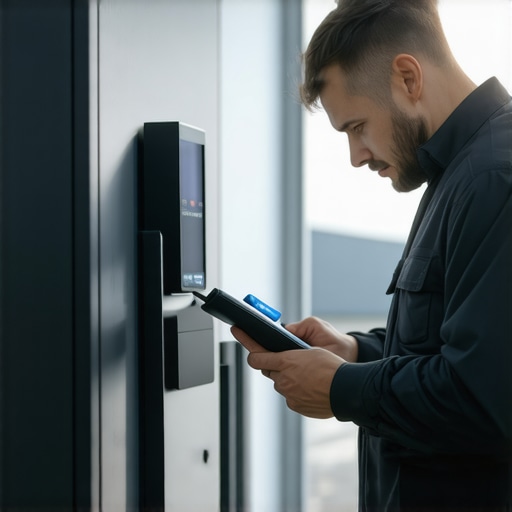
Ever been hit with that sinking feeling when your smart lighting system flickers out just as you’re settling down or your EV charger refuses to cooperate on a cold morning? I’ve been there. One minute everything’s humming along smoothly, and the next, I’m tangled in wires and troubleshooting apps, feeling more frustrated than confident. That lightbulb moment hit me hard: I realized that having a solid troubleshooting guide isn’t just handy—it’s essential for modern homes in 2025.
Why Troubleshooting Skills Matter More Than Ever
Today’s homes are filled with smart lighting and EV chargers that rely on complex electrical setups. When they malfunction, it’s not just an inconvenience; it can compromise safety and efficiency. According to a recent survey, nearly 70% of homeowners experienced issues with their EV chargers or lighting systems in the past year, and most admit they’re unprepared to address these problems without expert help. That’s why I want to share what I’ve learned—so you don’t have to stumble through the dark or waste time on guesswork.
Have You Faced This Problem? Let’s Fix It Together
If you’ve ever found yourself puzzled by flickering lights or an unresponsive charger, you’re not alone. Early in my troubleshooting journey, I made a costly mistake: rushing to replace components without diagnosing the real cause. This led to unnecessary expenses and more downtime. I’ve since learned that understanding the root of the problem is key—something I now cover in my comprehensive troubleshooting guide. Whether you’re dealing with wiring issues, software glitches, or installation errors, I’ll walk you through proven strategies to identify and fix the problem efficiently. For detailed tips on lighting, check out our lighting troubleshooting tips, and for EV chargers, see expert EV charging fixes. It’s all about empowering you to handle common issues confidently and safely, avoiding costly callouts and ensuring your home stays bright and charged.
Start with a Clear Diagnosis
When you notice flickering lights or a non-responsive EV charger, don’t jump straight to replacing parts. Instead, begin by isolating the problem. For example, I once faced a flickering kitchen light that worsened when I turned on the microwave. This pointed me toward a potential circuit overload rather than a faulty bulb. Use a multimeter to check voltage levels at the outlet—consistent readings indicate a stable power supply. If voltage fluctuates significantly, the issue might be with your home’s main supply or wiring, which requires professional attention. For complex wiring issues, consult a quick guide like electricians’ troubleshooting strategies.
Many homeowners operate under assumptions that can lead them astray when troubleshooting smart lighting systems or EV chargers. Let’s dig deeper into some of these misconceptions and uncover the truths that can save you time and money. One widespread myth is that flickering lights always indicate a simple bulb issue. While changing bulbs can sometimes resolve minor problems, persistent flickering often points to wiring faults or circuit overloads. Rushing to replace fixtures without proper diagnosis can mask underlying safety concerns and cause further damage. For advanced troubleshooting, it’s crucial to check voltage stability using a multimeter and consider wiring integrity. For more insights, visit our electricians’ troubleshooting strategies.
Another common misconception is that EV chargers failing on cold mornings are solely due to vehicle issues. In reality, cold weather can impact electrical connections, cause conduit condensation, or lead to insulation problems. Many assume that these problems are software-related, but often, they stem from inadequate grounding or wiring that contracts and expands with temperature changes. Proper installation and regular maintenance, guided by expert advice, are essential to prevent these issues. Check out our home EV charger setup tips for best practices.
Why do so many still struggle with troubleshooting wiring issues?
Many homeowners overlook the importance of understanding electrical load balancing and circuit design. Commonly, people assume that turning off a breaker completely ensures safety. However, some wiring faults may be hidden behind wall panels or in junction boxes, making them difficult to detect without professional inspection. Misdiagnosed wiring issues can cause intermittent faults or even fire hazards if left unaddressed. To avoid this trap, invest in learning how to use a multimeter properly and recognize signs of wiring deterioration. For more detailed guidance, see our electrician’s troubleshooting tips.
Finally, a significant myth is that DIY repairs are always cost-effective. While small fixes like replacing a bulb or resetting a breaker are manageable, complex wiring or software issues require expert intervention. Attempting to fix these without proper knowledge can lead to safety risks and even void your home insurance. Remember, professional electricians have the training and tools necessary to identify subtle faults that can cause major problems down the line. If you’re unsure, contact us through our contact page for personalized assistance. Don’t fall into the trap of underestimating electrical complexities—your safety depends on it.
Keep It Running with the Right Equipment
Maintaining your smart lighting and EV charging systems over time requires more than just basic knowledge; it demands the right tools. I personally rely on a high-quality digital multimeter like the Fluke 117, which has proven indispensable for diagnosing voltage fluctuations and wiring issues accurately. Its true RMS measurement capability ensures I get precise readings even with complex loads, preventing misdiagnoses that could lead to costly repairs. Additionally, I recommend investing in a non-contact voltage tester for quick checks without risking electric shock—something I always keep in my toolbox for safety. For complex wiring or circuit analysis, a clamp meter combined with a multimeter offers the ability to measure current flow and diagnose overloads or faulty connections effectively.
Using these tools regularly helps me catch potential issues early, avoiding major failures down the line. Regular inspections with a multimeter can reveal subtle voltage drops or grounding issues that might not be obvious during routine checks. Moreover, a thermal imaging camera can identify hotspots in wiring or connectors before they become fire hazards, saving time and money. I personally use the FLIR TG165-X for its affordability and detailed thermal imaging, which is invaluable when troubleshooting elusive wiring problems in tight spaces.
How do I maintain my electrical systems over time?
To keep your smart lighting and EV charging systems performing reliably, schedule periodic inspections with a professional electrician. Regularly cleaning and tightening connections, especially in junction boxes and circuit breakers, prevents corrosion and loose contacts. Also, updating your software firmware for smart devices ensures compatibility and fixes known bugs that could cause malfunctions. In addition, monitoring your system’s performance through dedicated apps can alert you to irregularities early—giving you a chance to address problems before they escalate. As the trend toward smart homes continues, integrating predictive maintenance tools powered by AI could further improve long-term reliability, reducing downtime and enhancing safety.
If you want to delve deeper into professional troubleshooting techniques, check out our comprehensive guide. For ongoing maintenance tips and expert advice, consider subscribing to our newsletter or booking a regular checkup with a licensed electrician. Remember, staying proactive with maintenance tools and routine inspections is the best way to ensure your modern electrical systems stay reliable in 2025 and beyond.
The Hardest Lesson I Learned About Troubleshooting Modern Home Wiring
One of my biggest insights came when I realized that not all flickering lights are the result of a burned-out bulb. Sometimes, it’s a sign of a deeper wiring problem that requires careful diagnosis rather than quick fixes. This taught me to trust my multimeter more and jump to conclusions less, saving time and money in the long run.
3 Myths About Troubleshooting EV Chargers and Lighting That Held Me Back
I used to believe that cold weather was the main culprit for EV charger failures in winter. Turns out, poor grounding and thermal contractions in wiring are often the real causes. Busting this myth helped me understand the importance of proper installation and regular maintenance, especially as systems age.
What Experts Won’t Tell You About Home Electrical Safety
Many overlook the subtle signs of wiring deterioration, thinking that turning off a breaker is enough. In reality, hidden faults in junction boxes or behind walls can cause intermittent issues or even fires. Learning to use a thermal imaging camera and inspecting connections regularly is a game-changer for safety.
Curated Recommendations for Smarter Troubleshooting
My Essential Toolkit for Home Electrical Checks includes a high-quality multimeter like the Fluke 117 — it’s reliable and precise. I also keep a non-contact voltage tester for quick safety checks. For detailed wiring analysis, a clamp meter is invaluable. These tools have helped me catch issues early and prevent costly repairs.
For learning more about wiring safety and troubleshooting, I recommend reading electricians’ troubleshooting strategies. They’ve truly expanded my understanding of system integrity and safety practices.
Your Turn to Elevate Your Electrical Skills
Empowering yourself with troubleshooting knowledge makes your home safer and more reliable. Whether it’s a flickering light or an EV charger that won’t start, you now have the tools and insights to address these issues confidently. Remember, taking proactive steps today can save you hassle and expense tomorrow.
What’s the most perplexing electrical issue you’ve faced at home? Share your experiences below and let’s learn together!
Reading through this troubleshooting guide really resonated with my experiences. I once faced a stubborn EV charger that only failed during the coldest mornings here in Minnesota. Initially, I blamed the charger itself, but after some research and a few tools from my toolbox, I discovered that poor grounding and bad wiring connections were the culprits. Regular inspections and good maintenance now help me prevent those frustrations.
What I find challenging is balancing DIY troubleshooting with knowing when to call in a pro—especially since some hidden wiring issues can be dangerous. Have others found effective methods for safe, preliminary diagnostics at home before seeking professional help? It seems like a good safety rule is to always test with a multimeter first, but I’d love to hear other safety tips for dealing with complex wiring problems in smart home setups.
This post really hits home for me, especially the part about understanding root causes before rushing into repairs. I remember a time when my porch lighting kept flickering, and my first instinct was to replace the fixture. Turns out, it was a loose connection behind the switch that was causing intermittent power issues. I learned quickly that investing in a good multimeter and learning how to use it saved me a lot of trouble and money in the long run. It’s also a good reminder for homeowners like me to stay cautious—working with electrical systems can be dangerous if you’re not confident in your skills.
Regarding Lena’s question about safe diagnostics, I always turn off the breaker before inspecting any wiring and double-check voltage with a multimeter before touching anything. I also keep a thermal imaging camera handy; it’s excellent for detecting hotspots that might not be visible otherwise. Have others found any specific tools or safety routines that help them feel more secure before attempting DIY troubleshooting? Sharing these strategies could help more people avoid hazards while taking care of their smart home systems.
This troubleshooting guide provides some solid steps for diagnosing common issues with smart lighting and EV chargers. I especially appreciate the emphasis on starting with simple voltage checks before jumping into more invasive repairs. For me, regular maintenance and keeping tools like a multimeter in good condition have saved a lot of headaches. I’ve faced my fair share of flickering lights caused by loose connections behind switches, not just faulty bulbs. It’s a good reminder that safety always comes first—turning off the main breaker before inspecting wiring is a must. Has anyone found that investing in a thermal imaging camera really makes a difference in spotting hidden wiring faults? I’ve been curious about whether it’s worth the cost for typical home troubleshooting, especially in winter when cold-related wiring issues often crop up.
This post really underscores the importance of developing solid troubleshooting skills for modern electrical systems. I’ve had my fair share of flickering lights and unresponsive EV chargers, especially during colder months here in Colorado. One thing I’ve learned is that investing in a good multimeter and a thermal imaging camera has made a huge difference. These tools not only help diagnose issues quicker but also improve safety by allowing me to check voltages and spot potential hotspots without risking electric shocks. I agree with the emphasis on understanding wiring and load balancing—many homeowners overlook these factors and face avoidable hazards. Has anyone here found that regular professional inspections, combined with DIY checks, significantly prolong system life and safety? I’m curious about the balance between home troubleshooting and when to bring in experts, especially for complex wiring faults.