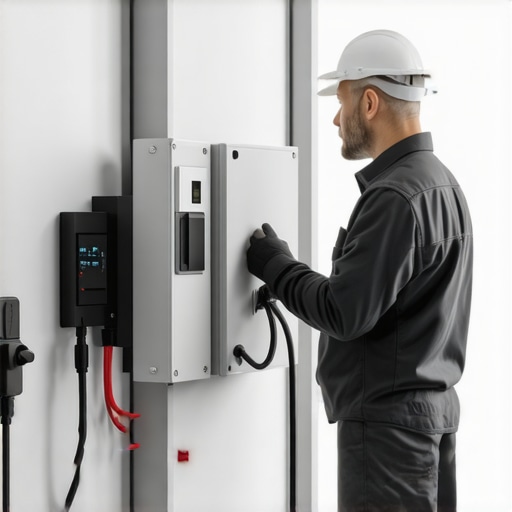
Imagine this: you wake up early on a Saturday, eager to start your day with a quick charge of your electric vehicle or a cozy lighting setup that sets the perfect mood. But suddenly, nothing works. Your EV charger flickers, the lights refuse to turn on, and you’re left scratching your head, feeling frustrated and uncertain. I’ve been there too. That moment of helplessness can make you wonder if you need to call in a professional or if you can fix it yourself. Trust me, I’ve made my fair share of mistakes early on, like ignoring simple wiring checks that led to more complicated problems down the line. But over time, I learned that with the right tips and a bit of know-how, you can troubleshoot and resolve most issues reliably and safely.
Today, I want to share these expert electrician insights with you. Whether you’re dealing with inconsistent charging, flickering lights, or more complex electrical quirks, this guide will walk you through proven troubleshooting techniques. No more guessing games or unnecessary service calls. Instead, you’ll gain practical knowledge that empowers you to handle common problems confidently and keep your home safe.
Why Reliable Troubleshooting Matters Now More Than Ever
As more homeowners like you adopt electric vehicles and modern lighting solutions, the importance of dependable electrical setups skyrockets. A faulty EV charger or faulty lighting isn’t just an inconvenience — it can pose safety risks or lead to costly damages. According to the U.S. Fire Administration, electrical malfunctions are among the leading causes of residential fires, emphasizing the need for proper troubleshooting and installation practices (learn more here). Yet, many people overlook the significance of early diagnosis, risking more severe issues down the line.
Have you faced persistent charging problems or flickering lights that just won’t go away? If so, you’re not alone. These issues are common, and they often stem from simple mistakes like loose connections or outdated wiring. Recognizing these early signs and knowing what steps to take can save you money, time, and peace of mind.
In the next sections, I’ll guide you through step-by-step troubleshooting tactics, backed by expert advice. We’ll cover everything from basic inspections to when it’s time to call a professional. Ready to become your own electrical troubleshooter? Let’s dive in.
Is DIY Troubleshooting Worth the Risk or Better to Call a Pro?
Early in my journey, I made the mistake of trying to fix a lighting flicker without turning off the circuit. It was a rookie move that could have been dangerous. The truth is, some issues are straightforward and manageable for homeowners, but others require professional skills and equipment. Knowing the difference is key. For reliable results and your safety, I recommend starting with simple checks and consulting trustworthy resources like expert electrician tips before risking DIY hazards.
Stay tuned as we explore practical troubleshooting steps that will help you handle common EV and lighting issues confidently. Your home’s electrical health depends on it, and a little knowledge can go a long way.
Test Your Circuit Breakers and Power Sources
Start with the basics—check your main electrical panel. Sometimes, a simple trip or a loose breaker causes your devices to malfunction. I remember a time when my EV charger wouldn’t respond, and after flipping the breaker off and on, everything worked perfectly. Use a multimeter to verify the breaker is providing voltage as expected. If not, replace or reset the breaker following safety guidelines or consult an electrician.
Inspect Connections and Wiring for Looseness
Next, visually examine all wiring connections at your outlet, charger, or fixture. Loose wires are like weak links in a chain—they compromise performance and safety. I once found a loose terminal on my garage outlet that was causing flickering lights. Tighten all connections securely, but remember to turn off the power before touching any wiring. If you notice any damaged or frayed wiring, replace it immediately or get professional help.
Check for Faulty Components and Replace When Needed
Identify worn or damaged parts—such as switches, fuses, or contactors. For example, a burnt-out fuse in my lighting circuit was causing intermittent flickering. Always replace faulty components with matching ratings and brands. Use a continuity tester to confirm the component’s integrity before installation. If you’re unsure, reaching out to a professional is the safest choice, especially for complex repairs.
Test Voltage Stability and Signal Quality
Use a multimeter to measure voltage levels at critical points. Voltage fluctuations can lead to device malfunctions. During a troubleshooting session, I noticed my charger was receiving inconsistent voltage, which I traced back to a poor connection in the panel. Stabilize voltage by replacing or repairing faulty wiring or components. For sensitive electronics like EV chargers, consider installing a surge protector or voltage regulator for extra protection.
Perform Safety Checks and Confirm Proper Grounding
Ensure all circuits are properly grounded. Poor grounding can cause electric shocks or equipment damage. I found that my garage outlet lacked proper grounding, which I corrected by installing a grounding rod and verifying with an outlet tester. Always use certified testers to check grounding effectiveness. Proper grounding not only protects your equipment but also keeps you safe during troubleshooting or use.
Document Findings and Know When to Call a Professional
Keep track of your inspections and repairs. If you encounter persistent issues or unsafe conditions, don’t hesitate to contact a licensed electrician. Sometimes, problems are beyond DIY scope—like hidden wiring faults or code violations. For expert guidance, visit Reliable Electric Pro contact page. Remember, safety always comes first when working with electricity.
Many homeowners believe they understand the basics of troubleshooting electrical problems, but there are often overlooked nuances that can make a significant difference. A frequent misconception is that simply resetting a circuit breaker solves most issues. While this might temporarily fix the problem, it often masks underlying faults that need proper diagnosis. For example, repeated tripping could indicate a wiring overload or a faulty device, which if ignored, can lead to safety hazards or damage to your electrical system.
Another common myth is that all electrical components are interchangeable. In reality, using the wrong fuse or breaker rating can cause equipment failure or even fires. Always verify component specifications before replacing parts. For complex issues like inconsistent voltage supply, many assume it’s just a temporary glitch, but persistent fluctuations might be due to poor grounding or damaged wiring—problems that require expert attention expert electrician tips can guide you through these diagnostics.
What advanced mistakes do homeowners often make that can be dangerous?
One critical error is attempting to troubleshoot or repair high-voltage systems without proper training or equipment. For instance, testing a circuit without turning off the main power can lead to electric shock or severe injury. Many overlook the importance of proper grounding and safety procedures, which are vital to prevent accidents. According to electrical safety standards, working on live circuits should be avoided unless you’re a licensed professional expert guidance.
Additionally, homeowners often neglect to consider the hidden complexity of wiring layouts. In older homes, outdated wiring can be a ticking time bomb, especially if it’s not up to current code. Blindly replacing outlets or switches without inspecting the wiring can lead to future failures or safety issues. Professional electricians are trained to detect these hidden problems and ensure your system is both safe and efficient.
Ever fallen into the trap of ignoring small signs like flickering lights or slight power dips? These are often early indicators of deeper problems. Addressing them early with proper troubleshooting can save you from costly repairs and dangerous situations later. For more advanced troubleshooting techniques, visit lighting installation troubleshooting and learn how professional electricians approach complex issues.
In conclusion, the key to effective troubleshooting lies in understanding the nuances, respecting safety protocols, and knowing when to call in the experts. Don’t let misconceptions or shortcuts put your home at risk. Instead, equip yourself with knowledge and trusted resources to handle electrical issues confidently. Have you ever fallen into this trap? Let me know in the comments.
Keeping your electrical systems in peak condition over time requires the right tools and a strategic approach. As a homeowner or DIY enthusiast, investing in high-quality equipment not only saves you money but also ensures safety and reliability. Let me share the tools I personally rely on and how I use them to maintain and troubleshoot electrical setups effectively.
Precision Multimeter for Accurate Readings
The cornerstone of any electrical troubleshooting kit is a reliable multimeter. I prefer a digital multimeter with auto-ranging capabilities, like the Fluke 117. It provides precise voltage, current, and resistance measurements, which are essential for diagnosing issues such as voltage drops or faulty wiring. I use it regularly to verify circuit voltages and grounding, making sure everything operates within safe parameters. When testing sensitive electronics like EV chargers, stable voltage readings are crucial, and a quality multimeter makes all the difference. For ongoing maintenance, I check connections periodically with my multimeter to catch potential issues early, especially after severe weather or electrical surges.
Insulated Screwdrivers and Wrenches for Safety
Proper insulation is vital when working with live circuits. I keep a set of insulated screwdrivers and wrenches from Klein Tools, which resist electrical conduction and protect against shocks. These tools are indispensable for tightening or loosening connections safely. They also help prevent accidental shorts, particularly when working in tight spaces or with older wiring. Regularly inspecting and maintaining these tools ensures they stay effective over years of use, which is vital for long-term safety.
Thermal Camera for Detecting Hidden Problems
One of my favorite investments is a portable thermal imaging camera, such as the FLIR One. It helps identify overheating components, loose connections, or overloaded circuits that are not visible to the naked eye. Using thermal imaging periodically allows me to spot potential failures before they escalate into costly repairs or safety hazards. For long-term maintenance, I recommend scanning your electrical panels, outlets, and chargers at least twice a year to monitor for abnormal heat signatures, especially after installing new equipment or during seasonal changes.
Software and Apps for Monitoring and Diagnostics
Smart electrical monitoring systems are becoming more accessible. I integrate a Wi-Fi-enabled energy monitor like Sense, which provides real-time data on power consumption and alerts for unusual activity. These tools help me track the health of my electrical system over time and plan maintenance proactively. For example, if I notice a sudden spike in energy use, I can investigate immediately, preventing bigger issues. As smart home technology evolves, I predict more integrated solutions that will continuously monitor electrical health and notify homeowners of potential problems before they happen.
How do I keep my electrical system running smoothly over time?
Consistent check-ups are key. I recommend scheduling a professional inspection annually, especially if your home is older or has undergone recent modifications. Maintaining your wiring, outlets, and circuit breakers with these tools ensures longevity and safety. Additionally, following manufacturer maintenance tips—such as cleaning connections and updating software on smart monitoring devices—can extend their lifespan. Scaling your setup with modular, easy-to-update components allows your electrical system to adapt to new demands, like additional EV chargers or smart lighting—making future upgrades smoother and more cost-effective.
By investing in quality tools and adopting a proactive maintenance mindset, you’ll reduce downtime and safeguard your home. For more detailed guidance on maintaining your EV charger and electrical system, visit top EV charger maintenance tips. And don’t forget—regular inspections and early troubleshooting are your best defenses against unexpected failures. Ready to take your maintenance to the next level? Try setting up a thermal scan of your system this month and see what hidden issues you might uncover!
The Hardest Lesson I Learned About Home Electrical Troubleshooting
One of the most valuable lessons I’ve learned is that rushing into repairs without proper testing can escalate problems or create safety hazards. For example, I once attempted to fix a flickering light fixture without turning off the power, and I ended up short-circuiting the circuit. Now, I always double-check that circuits are de-energized before inspecting or working on them, emphasizing the importance of safety first.
3 Myths About Electrical Troubleshooting That Held Me Back
Many homeowners believe that resetting a circuit breaker fixes all issues, but often it masks underlying faults that need proper diagnosis. Another misconception is that all electrical components are interchangeable; using the wrong fuse or breaker rating can cause dangerous failures. Learning the facts helped me avoid costly mistakes and improve my troubleshooting skills.
What Experts Won’t Tell You About Diagnosing Electrical Problems
One secret is that persistent issues like flickering lights or charger faults usually indicate deeper wiring or grounding problems. Relying solely on visual inspections isn’t enough—using tools like a multimeter or thermal camera can reveal hidden faults. This professional insight has improved how I approach electrical repairs, making them safer and more effective.
My Essential Toolkit for Electrical Troubleshooting
I trust a digital multimeter, like the Fluke 117, for precise voltage and resistance measurements. Insulated screwdrivers from Klein Tools protect me during live work, and a thermal imaging camera helps spot overheating components before failure. These tools have been game changers in my DIY electrical maintenance efforts.
Where to Go from Here
If you’re serious about maintaining a safe electrical system at home, consider investing in quality tools and educating yourself on basic troubleshooting techniques. Regular inspections and knowing when to involve a licensed electrician can save you money and prevent accidents. For detailed guidance, visit lighting troubleshooting tips or EV charger troubleshooting advice. Empower yourself to handle electrical issues confidently and keep your home safe.” ,