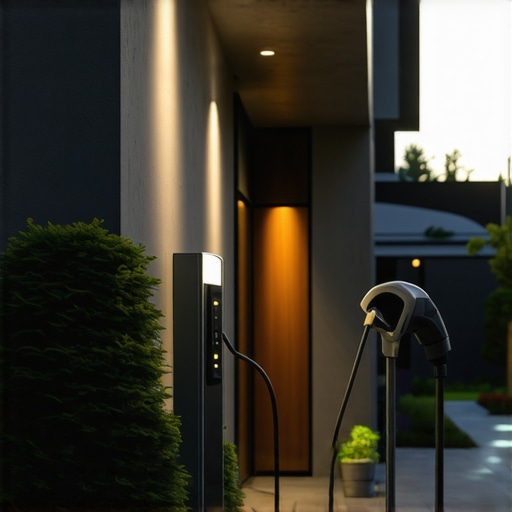
Ever had that moment of panic when you’re fiddling with your home’s wiring, unsure if what you’re doing is safe? Maybe you’ve already experienced a flickering light or a sudden power surge and wondered, “Is my setup actually safe?” I’ve been there too. A few years ago, I tried installing an EV charger myself — it looked simple enough, but I missed a crucial step. The result was a tripped breaker and a frustrating weekend of troubleshooting. That mistake taught me a lot about the importance of proper electrical safety and professional guidance.
Why Smart Electrical Installations Matter More Than Ever
In today’s world, home electrical systems are more complex and vital than ever. From energy-efficient lighting to electric vehicle chargers, we’re pushing the limits of what our home wiring can handle. But with great power comes great responsibility — and risk. A poorly installed lighting system or EV charger isn’t just an inconvenience; it can pose serious safety hazards, including electrical fires or electrocution. According to the Electrical Safety Foundation International (ESFI), electrical malfunctions are responsible for thousands of home fires annually. That’s a sobering fact that underscores why proper installation isn’t just recommended — it’s essential.
If you’re like me, the idea of tackling electrical work without professional help is tempting. But I’ve learned that a small oversight can lead to big trouble. Whether it’s overloading circuits, incorrect wiring, or neglecting proper grounding, these mistakes can be costly — both financially and in terms of safety. Luckily, there are proven steps and expert tips that can help you avoid these pitfalls. Today, I’ll share practical advice to help you install lighting and EV chargers safely, and more importantly, confidently.
Have you faced confusing or risky electrical problems at home?
If so, you’re not alone. Many homeowners underestimate the complexities involved in modern electrical work. The good news? With the right guidance, you can ensure your home is both functional and safe. Ready to learn how? Let’s dive into the essentials of safe lighting and EV charger setups, starting with the biggest mistakes to avoid and how to handle them like a pro.
Plan Your Electrical System Carefully
Start by assessing your current electrical setup. Turn off the main power supply before inspecting your wiring, and use a voltage tester to confirm no current is flowing. When I replaced a faulty circuit breaker last year, I made sure to double-check the panel’s capacity to avoid overloads. Proper planning prevents dangerous mistakes and lays a solid foundation for safe installation.
Use the Right Tools and Materials
Invest in high-quality, UL-listed components like circuit breakers, wiring, and connectors. I once tried to save money by using cheap wires, which caused a short circuit later. Remember, inferior materials can compromise safety and lead to costly repairs. Always match wire gauges to your load requirements and stick to manufacturer specifications for EV chargers and lighting fixtures.
Follow Wiring Codes and Regulations
Consult local electrical codes and standards. These guidelines are designed to protect you and your home. When installing my new lighting system, I referenced the electrician’s step-by-step guide to ensure compliance. Ignoring codes can result in unsafe conditions and legal issues.
Identify and Label Circuits Clearly
Label each circuit breaker and wiring path to prevent confusion during troubleshooting. I labeled my circuits with durable tags, which saved me hours when diagnosing a flickering light issue. Clear labeling is vital for quick, safe interventions, especially when handling complex or multiple loads.
Implement Proper Grounding and Bonding
Ensure all equipment is correctly grounded. I learned this lesson the hard way after a minor shock when my grounding was inadequate. Use grounding rods and ensure all metal parts are bonded to prevent electrical shocks and fires. This step is often overlooked but is critical for safety.
Install GFCI and AFCI Safeguards
Ground Fault Circuit Interrupters (GFCIs) and Arc Fault Circuit Interrupters (AFCIs) protect against shocks and fires. I installed GFCIs in my kitchen and bathroom outlets, which immediately trip if they detect leakage, preventing potential harm. These devices are essential for modern safety standards.
Test and Inspect Your Setup
After installation, perform thorough testing. Use a multimeter to verify voltage levels and continuity. I tested my new EV charger setup with a professional-grade tester, which revealed a wiring issue I had missed. Regular inspections ensure ongoing safety and compliance.
Seek Professional Help When Unsure
If you encounter complex issues or are unsure about any step, consult a licensed electrician. I reached out to a pro when upgrading my panel, which saved me from a costly mistake. Professional guidance guarantees your system is safe, efficient, and compliant with all regulations. For expert assistance, contact Reliable Electric.
Maintain Your System Regularly
Schedule periodic inspections and maintenance. Clean connections, check for signs of wear, and replace damaged components promptly. My experience with routine checks helped me catch a loose connection early, avoiding a potential fire hazard. Proper maintenance extends the lifespan of your electrical system and keeps it safe.
Many homeowners believe they know the basics of electrical safety, but some widespread myths can actually lead to dangerous mistakes. Let’s debunk these misconceptions and reveal the nuances that even experienced DIY enthusiasts often overlook. Knowing these details can save you from costly repairs and, more importantly, serious safety hazards.
Why Do So Many Get Electrical Safety Wrong
A prevalent misconception is that if your home’s wiring seems fine, it’s inherently safe. In reality, hidden issues like outdated wiring, improper grounding, or overloaded circuits often lurk beneath the surface. For instance, some assume that GFCIs and AFCIs are optional upgrades, but these devices are now standard safety features. Installing them correctly can prevent shocks and fires—yet many skip this crucial step, thinking it’s unnecessary or too complicated. For expert guidance on implementing these safety devices, check out lighting installation troubleshooting.
Another common myth is that higher amperage circuits are always better. Many believe that upgrading to a bigger breaker prevents overloads, but this can actually be dangerous if the wiring isn’t rated for that current. Overloading circuits without proper adjustments can cause overheating and fires. It’s essential to follow the rule of matching circuit breakers with wire gauge and load requirements, as emphasized by electrical safety standards.
Advanced Mistakes That Often Go Unnoticed
One sophisticated mistake involves neglecting proper load balancing in your electrical panel. Distributing power unevenly across circuits can cause frequent breaker trips and stress on wiring, increasing fire risk. This nuance is often missed by DIYers who focus solely on installing new outlets or fixtures. An electrician’s expertise includes analyzing load distribution, which is critical for long-term safety. For a detailed approach, consult EV charging station setup.
Another advanced trap is ignoring the importance of correct wiring techniques, such as proper termination and avoiding shared neutrals. Miswired connections can lead to arc faults or shock hazards that are not immediately apparent. The subtlety here is that even a small wiring mistake can have cascading effects, making regular inspections and professional troubleshooting vital. For in-depth troubleshooting tips, visit lighting troubleshooting.
Finally, many underestimate the importance of routine maintenance. Over years, connections can loosen, insulation can degrade, and corrosion can develop, increasing risk. Regular inspections by certified electricians help catch these issues early. Remember, safety isn’t a one-time fix but an ongoing process. For professional maintenance tips, see EV charger maintenance.
In conclusion, understanding the nuances and debunking myths about electrical safety is crucial for protecting your home and loved ones. Don’t fall for common misconceptions that can lead to dangerous situations. Instead, trust expert advice and keep your electrical system well-maintained. Have you ever fallen into this trap? Let me know in the comments, and stay safe!
How do I maintain my electrical system over time?
Regular maintenance is essential to keep your electrical systems functioning safely and efficiently. From checking connections to upgrading outdated components, staying proactive prevents costly repairs and safety hazards. I personally rely on a digital multimeter like the Fluke 117, which I use to test voltage, continuity, and grounding connections. This tool provides precise readings that help me identify issues before they escalate, especially when troubleshooting complex lighting or EV charger setups. I also keep a non-contact voltage tester handy for quick safety checks, saving me time and reducing risk during inspections.
Another invaluable tool is a thermal imaging camera, such as the Fluke Ti450, which I use to detect hotspots in wiring and connections that are at risk of overheating. Spotting these early signs can prevent potential fires and system failures. Additionally, I subscribe to industry-standard electrical codes and updates through reliable resources to ensure my work aligns with current safety standards.
In terms of software, I recommend using electrical design and load calculation tools like SKM PowerTools. These help simulate your home’s electrical load, identify overload points, and optimize circuit design, especially when planning upgrades or new installations. This foresight can save you from future issues and ensure compliance with local regulations.
What’s the future of electrical maintenance and troubleshooting?
Advancements in smart technology are shaping the future of electrical system management. IoT-enabled devices provide real-time monitoring, alerting homeowners to issues before they become serious. As these systems become more affordable, integrating them into your home can significantly reduce maintenance efforts and improve safety. For now, embracing tools like thermal cameras and load analyzers will give you a significant edge in maintaining a reliable and safe electrical environment.
Try adopting a proactive maintenance routine using these tools, and you’ll extend the lifespan of your electrical components while ensuring safety. For complex issues, don’t hesitate to contact professionals—visit Reliable Electric for expert assistance.
The Hardest Lesson I Learned About Electrical Safety
One of my biggest lightbulb moments was realizing that even a small shortcut in wiring can lead to major hazards. I once skipped checking the grounding thoroughly while installing a new outlet, and it nearly caused a shock. That experience made me understand that safety isn’t about rushing but about meticulous attention to detail.
3 Myths About Electrical Installations That Held Me Back
Believing that DIY is always safer or cheaper was a common misconception I held. It turns out, some problems only a licensed electrician can spot, especially with complex setups like EV chargers. Busting these myths helped me prioritize safety and seek professional guidance when needed.
What Experts Won’t Tell You About Home Electrical Systems
Many professionals won’t emphasize enough how crucial regular maintenance is. I used to think once installed, everything was fine. But over time, connections loosen and insulation degrades. Regular inspections have saved me from costly repairs and potential fires, proving that ongoing vigilance is essential.
Reading through this detailed guide really resonated with my own experiences tackling electrical projects at home. I remember attempting to install new lighting fixtures myself and realizing how dangerous even small oversights can be, especially when it comes to proper grounding and load balancing. It’s impressive how much subtlety there is in safe electrical work that DIYers often overlook. The emphasis on using UL-listed components and following local codes cannot be overstated; my own mistake of using cheaper wires led to a minor short, which was a wake-up call. I also agree with the importance of regular inspections and maintenance—over the years, I’ve learned that small issues like loose connections or corrosion can escalate quickly if ignored. Has anyone here used smart IoT devices for real-time electrical monitoring? I’ve been thinking about integrating such systems for peace of mind, particularly for my EV charger, but I’d love to hear real user experiences on their effectiveness and ease of installation.