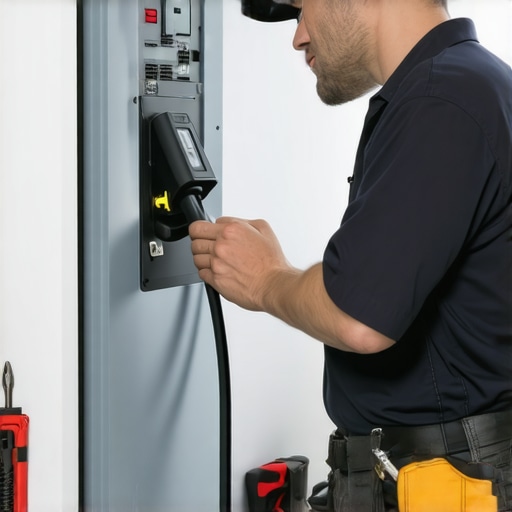
Ever had your EV charger suddenly stop working just when you needed to hit the road? I remember the frustration all too well. One chilly morning, I was ready to leave for work, plugged in my EV, and… nothing. No charging. My initial instinct was panic—until I realized I’d overlooked some basic troubleshooting steps that could save me a costly call to the electrician. That moment was a lightbulb for me: understanding the common electrical issues with EV chargers isn’t just for experts; it’s for anyone who wants to stay powered up without stress.
Why Being Your Own Troubleshooter Matters
In today’s world, electric vehicles are no longer a luxury but a necessity for many of us. That means reliable charging at home is more important than ever. But electrical problems can pop up unexpectedly—tripped breakers, faulty wiring, or loose connections. Knowing a few trusted tips from a seasoned electrician can help you identify issues early and avoid expensive repairs or dangerous situations. Trust me, a little knowledge goes a long way in keeping your home safe and your EV ready to roll.
Have you ever faced a charging issue and wondered if it’s worth calling an electrician? Keep reading, because I’ll share the mistakes I made early on and how I learned to troubleshoot safely and effectively.
Early in my electrical journey, I made the mistake of ignoring a simple tripped breaker in my panel. I thought it was a minor glitch, but it turned out to be a sign of a larger wiring problem. That oversight almost cost me a lot more—both in money and safety. Now, I always check the basics first, like ensuring the circuit breaker is on and the outlet isn’t damaged. For detailed guidance on common EV charger issues, check out expert troubleshooting tips from trusted electricians.
In this post, I’ll walk you through the essential troubleshooting steps to help you diagnose and fix electrical issues with your EV charger. Whether it’s a simple fix or a sign of something more serious, knowing what to look for can save you time, money, and peace of mind. So, let’s get started and turn you into your own electrical hero!
,
Start with the Basics of Power Supply
Imagine your EV charger as a coffee maker; if there’s no power, it won’t brew. The first step is to verify that your circuit breaker hasn’t tripped. Head to your electrical panel and look for switches in the OFF position or with a red indicator. If you find one, reset it by flipping it fully OFF, then ON. During my own troubleshooting, I once ignored a tripped breaker, which led me to believe my charger was faulty when it was just a simple reset that fixed the issue.
Check the Outlet and Cord Connections
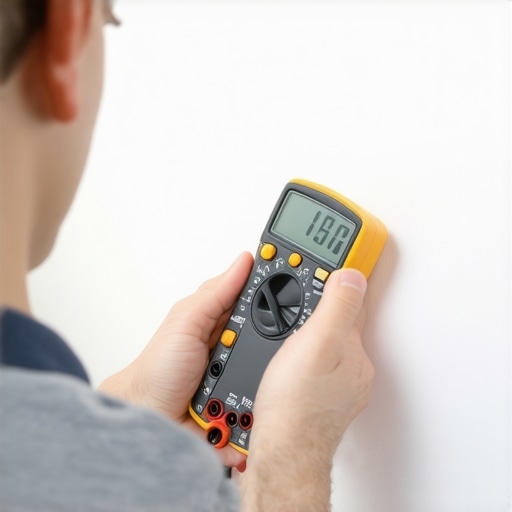
Next, inspect the outlet where your charger plugs in. Look for visible damage, loose connections, or burn marks. Use a multimeter to test if the outlet is providing voltage—similar to testing a water faucet before filling a glass. I once found that a loose outlet screw was causing intermittent charging issues, and tightening it restored proper function. For detailed guidance on safe testing, visit expert troubleshooting tips.
Assess the Charger and Its Components
Now, evaluate the charger itself. Disconnect it and examine for any signs of damage, such as frayed wires or corrosion. If you have a second compatible charger, try plugging it into the same outlet. If the second charger works, your original might need professional inspection. Remember, never attempt to open or repair internal charger components yourself—this can be dangerous. Instead, consider consulting a professional if the issue persists. Learn more about troubleshooting electric faults at electric faults troubleshooting.
Inspect the Wiring and Connections
Wiring issues are common culprits. Turn off power at the breaker before inspecting wiring inside the outlet or charger connection. Look for loose or disconnected wires, burnt insulation, or corrosion. Tighten any loose connections with insulated tools. If wiring appears damaged, do not attempt repair—call a professional. Remember, damaged wiring can cause dangerous electrical faults, so safety is paramount. For complex wiring issues, check out lighting installation troubleshooting for expert insights.
Test and Confirm
Finally, after addressing potential issues, test the system. Plug in the charger and see if it powers up without tripping the breaker. Monitor for any abnormal smells, sparks, or overheating. If problems persist, document what you’ve observed and contact a licensed electrician through our contact page. Remember, troubleshooting is about process of elimination—each step gets you closer to the root cause, saving you time and money.
< >
>
Many homeowners assume that electrical issues with EV chargers are always straightforward, but in reality, there’s a lot more beneath the surface. One common myth is that tripped circuit breakers are the sole indicator of a problem. While a tripped breaker does signal an issue, it’s often a symptom rather than the root cause. Overlooking wiring problems or faulty components can lead to repeated failures, and that’s where understanding the hidden nuances becomes crucial.
For example, some believe that simply replacing a faulty outlet will resolve EV charging issues. However, if the wiring behind the outlet is compromised—such as corrosion or loose connections—this fix is only temporary. It’s vital to inspect the wiring thoroughly or consult an electrician to prevent future hazards. Remember, damaged wiring can lead to dangerous faults or even fires, so never compromise on safety. You can find detailed guidance on troubleshooting electric faults at electric faults troubleshooting.
Why Do So Many Get Tripped Up by Simple Fixes
A common advanced mistake is to assume that all electrical problems are due to a defective charger or outlet. In my experience, many issues are caused by overlooked wiring issues or improper setup of the EV station. For instance, not verifying the grounding or the adequacy of the circuit capacity can cause frequent problems. These subtleties often trip up even seasoned DIYers.
Another misconception is that high-quality equipment guarantees trouble-free operation. While premium chargers and components reduce risks, they are not immune to wiring issues or installation errors. Properly inspecting the entire system, including wiring and breaker ratings, is essential for safe and reliable charging. For more in-depth tips, visit expert troubleshooting tips.
How Can You Avoid Falling Into These Traps
First, remember that electrical troubleshooting is often about process of elimination. Check the basics: circuit breakers, outlets, and the charger itself. But don’t stop there—inspect wiring and connections, especially if issues persist. If you’re unsure or encounter damaged wiring, calling a licensed electrician is the safest course. Understanding these nuances can save you time, money, and potential hazards, making your home safer and your EV charging more reliable.
Have you ever fallen into this trap? Let me know in the comments. For comprehensive guidance on safe and effective troubleshooting, explore this detailed guide.
Keeping your EV charger running smoothly over time requires not only good initial setup but also regular maintenance and the right tools. Having a well-maintained charging station ensures safety, efficiency, and longevity, saving you money and hassle in the long run. In this post, I’ll share the specific equipment and methods I personally rely on to keep my home EV charging station in top shape, along with insights into future trends that could revolutionize maintenance routines.
Invest in Quality Testing Equipment
One of the most valuable tools I use regularly is a digital multimeter. I prefer a reliable model like the Fluke 117, which provides accurate readings of voltage, current, and continuity. Using a multimeter allows me to quickly verify outlet health, check wiring connections, and troubleshoot potential issues without needing to call in an electrician for minor concerns. I always test the outlet voltage before plugging in the charger, ensuring it’s within the recommended range and stable. This simple step can prevent damage to your charger or vehicle and identify wiring issues early.
Implement Routine Visual Inspections
Beyond tools, routine visual checks are crucial. I inspect the charger cord and plug for signs of wear, frayed insulation, or burn marks. Additionally, I examine the outlet and surrounding wiring periodically for corrosion or loose connections. Catching these problems early can prevent overheating or electrical faults. If I notice any damage, I replace components immediately or consult a professional for repairs. Regular visual inspections can be combined with digital testing for comprehensive maintenance.
Use Smart Monitoring Software
Looking ahead, smart monitoring apps are becoming increasingly popular. These apps connect to your EV charger via Wi-Fi or Bluetooth, providing real-time data about charging sessions, electrical health, and usage patterns. I recommend using a reputable app like ChargePoint or my charger’s manufacturer app to track performance over time. These tools can alert you to irregularities, such as voltage fluctuations or prolonged charging times, so you can address issues before they escalate. As IoT technology advances, future systems may even automate maintenance alerts, reducing the need for manual checks.
How do I maintain EV charging equipment over time?
Consistent maintenance involves a combination of visual inspections, regular testing with a multimeter, and leveraging smart monitoring tools. Periodically clean the outlet and plug contacts with a dry cloth and ensure connections are tight. Avoid exposing your charging station to extreme weather unless it’s rated for outdoor use; in such cases, check seals and enclosures for integrity. Keep a log of inspections and test results to track the health of your system and anticipate potential problems. These proactive steps will ensure your EV gets reliable power when you need it most.
In the future, I predict that maintenance for home EV chargers will become more automated, with integrated diagnostic sensors providing instant feedback through apps. This evolution will make upkeep even easier, reducing downtime and enhancing safety. To stay ahead, I recommend trying out a smart monitoring system now and observing how it simplifies your maintenance routine. For comprehensive tips on maintaining your setup, visit this detailed guide.
Ever experienced a sudden failure of your EV charger right before a trip? That frustrating moment can often be avoided with some insider knowledge. By understanding the common electrical issues and how to troubleshoot them safely, you can keep your home charging station running smoothly and avoid costly repairs or dangerous situations.
The Hardest Lesson I Learned About EV Charging Issues
One of my most valuable lessons was realizing that a tripped circuit breaker is often just the first sign of a deeper wiring problem. Ignoring small issues like loose outlet connections or damaged cords can lead to bigger hazards. It’s easy to fall into the trap of assuming all problems are with the charger itself, but a thorough inspection of wiring and connections can save you time and money in the long run.
Tools and Resources That Make Troubleshooting Easier
My go-to tool is a reliable digital multimeter, like the Fluke 117, which helps me quickly verify outlet voltage and wiring integrity. I also rely on smart monitoring apps that provide real-time data on electrical performance and alert me to irregularities. For comprehensive guidance, I often refer to trusted sources such as expert troubleshooting tips that cover common issues and safety tips.
Embrace Action to Keep Your Charging Station Safe
Taking proactive steps—like regular visual inspections, routine testing with a multimeter, and using smart monitoring—can dramatically improve your system’s reliability. Remember, safety comes first: never attempt complex wiring repairs yourself; always consult a licensed electrician if you suspect wiring damage or persistent issues. By staying vigilant and educated, you can enjoy safe, efficient EV charging at home and extend the lifespan of your equipment.
What troubleshooting step has saved you the most time or money? Share your experiences below and let’s learn from each other’s journeys toward safer, smarter EV charging.
Reading through this post really resonated with me since I’ve encountered similar issues with my home EV charger. I learned the hard way that ignoring simple troubleshooting steps, like checking the breaker or inspecting the outlet, can lead to more complicated issues down the line. One thing I discovered is how essential it is to regularly inspect wiring connections—loose or corroded wires can cause intermittent charging problems that are tricky to diagnose. I wonder, how often do others find that regular visual inspections help prevent larger issues? Do you have a maintenance routine that keeps your setup reliable? I’d love to hear tips from the community, especially about smart monitoring systems—are they truly effective in catching problems early? Overall, this kind of proactive troubleshooting mindset not only extends the life of the equipment but also boosts safety at home, which is a huge plus.
This post struck a chord with me because I’ve learned from personal experience just how crucial it is to be proactive about troubleshooting EV charger issues. I used to jump to conclusions that my charger was faulty, only to discover that the problem was often related to loose wiring or a tripped breaker that I overlooked. The simple steps of testing circuit breaker status and inspecting wires saved me a lot of time and money. Also, I’ve recently started using a smart monitoring system which has been a game changer; it automatically alerts me to voltage drops or irregularities in real-time. Have others found that these smart systems really help catch issues early, or do they sometimes give false alarms? I believe regular visual inspection combined with smart tech provides a robust approach. What’s been your most effective troubleshooting tip that’s saved you a trip to the electrician? Would love to hear more personal experiences around this.
I really appreciate this detailed troubleshooting guide. In my experience, one of the often overlooked issues is the grounding of the EV charger setup. Even with correctly rated circuit breakers and good wiring, poor grounding can cause inconsistent charging and safety hazards. I had a situation where my charger kept tripping, and after checking the basics, I realized the ground wire was loose. Fixing that made a huge difference. Has anyone else encountered grounding problems that affected their EV charger, and how did you resolve them? It seems like a crucial step that should be emphasized more in DIY troubleshooting routines. Additionally, integrating a smart system that monitors not just the vehicle but also the grounding and wiring can help prevent major issues before they escalate. Would love to hear others’ experiences with grounding and smart monitoring integration!