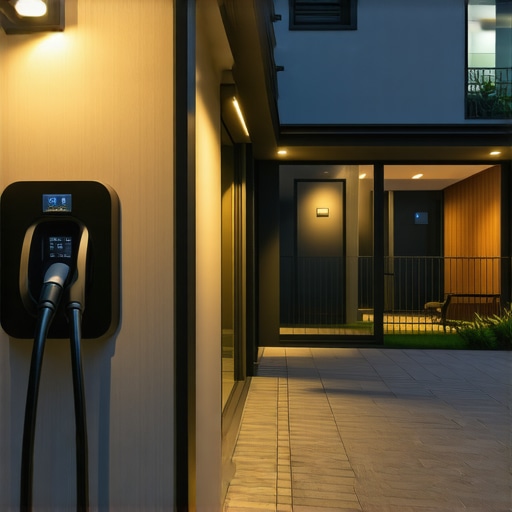
I remember the exact moment I realized I’d been risking more than I thought by ignoring proper setup for my EV charger and lighting system. It was late at night, and a flickering light bulb made me suddenly question everything. That flicker wasn’t just a bulb dying; it was a warning sign that my electrical setup might be unsafe. From that moment, I knew I needed to learn the ins and outs of safe, reliable electrical installations — not just for peace of mind but for the safety of my family and my home.
Why Getting Your EV Charger and Lighting Right Matters More Than Ever
With the surge in electric vehicle adoption and smart home technology, proper electrical setup isn’t just a DIY weekend project anymore. It’s a critical aspect of maintaining a safe, efficient, and future-proof home. According to a recent report, electrical fires caused by improper wiring or faulty installations continue to be a leading cause of residential fires, emphasizing the importance of expert-guided setups (NFPA).
In 2025, the landscape has shifted. Homeowners are now expected to integrate more complex electrical systems, including high-capacity EV chargers and sophisticated lighting solutions. The risk of accidents or equipment failure rises when these systems aren’t installed with precision. Early on, I made the mistake of thinking I could handle my setup after watching a few online tutorials. That was a costly oversight. Proper knowledge and professional guidance can make all the difference, ensuring your setup is both safe and efficient.
Have you ever faced the frustration of troubleshooting a faulty EV charger or flickering lights that refuse to stay steady? You’re not alone. Many homeowners discover issues only after a problem arises, often due to inadequate initial installation. That’s why I’m committed to sharing expert tips that will help you avoid these pitfalls and create a safe, reliable electrical environment.
In the sections ahead, I’ll walk you through practical, proven strategies for safe EV charger and lighting setups, drawing from trusted electrician advice and best practices. Ready to stop guessing and start installing with confidence? Let’s dive into the essentials of a safe and smart electrical system for your home in 2025.
Plan Your Electrical Load Carefully
Start by calculating your home’s total electrical demand. Use a load calculator or consult an electrician to ensure your system can handle the added load of an EV charger and advanced lighting. Overloading circuits can lead to faults or fires, so it’s crucial to size your electrical panel correctly. I once overlooked this and faced frequent breaker trips; after re-evaluating my load, I upgraded my panel, which stabilized my system and boosted safety.
Choose the Right Components and Materials
Select high-quality, UL-listed wiring, outlets, and circuit breakers rated for your specific load. For EV chargers, opt for dedicated circuits with proper grounding. When installing lighting, use compatible fixtures and dimmers designed for smart controls. In my project, I used premium wiring and fittings recommended by my electrician, which prevented future issues and ensured compliance with safety standards. For detailed guidance, check lighting installation tips.
Follow Precise Wiring and Connection Protocols
Use color-coded wires and verified connections to prevent miswiring. Always turn off the main power before starting. When connecting the EV charger, ensure the circuit is de-energized, then follow the manufacturer’s wiring diagram meticulously. For lighting, ensure all connections are insulated and secured with wire nuts or terminal blocks. I once miswired an outlet, causing a short; after consulting a trusted electrician (see troubleshooting lighting), I learned the importance of double-checking every connection before restoring power.
Implement Proper Grounding and Surge Protection
Grounding prevents electric shocks and protects equipment. Use a grounding rod or grounding plate, and connect all circuits accordingly. Install surge protectors on your main panel or at individual outlets for sensitive devices, including your EV charger and smart lighting systems. In my setup, adding surge protection saved my equipment during a nearby lightning strike, illustrating the importance of this step. For more on protecting your system, review EV charger setup.
Test and Verify Every Connection
Before turning on power, double-check all wiring against your diagrams. Use a multimeter to verify voltage levels and continuity. Power on gradually, testing each circuit for correct operation. For lighting, ensure switches, dimmers, and smart controls function properly. I once skipped thorough testing and faced flickering lights; after systematically testing, I identified a loose connection and corrected it, ensuring safety and performance. Consult troubleshooting tips for detailed procedures.
Many homeowners believe they understand the essentials of electrical safety, especially when installing EV chargers and lighting systems, but several misconceptions can lead to costly mistakes. Let’s dig deeper into what most people get wrong and the hidden nuances that can make or break your home’s electrical safety.
Why the Popular Belief That DIY Is Enough Is Often Wrong
It’s a common myth that following online tutorials or basic guides can substitute for professional expertise. While DIY projects can be rewarding, electrical work requires a nuanced understanding of local code compliance, load balancing, and proper grounding techniques. Relying solely on tutorials may overlook critical details, such as ensuring circuits are correctly rated and wired with UL-listed components. This oversight can lead to fire hazards or equipment damage, especially with high-capacity systems like EV chargers. For complex setups, consulting a trusted electrician is worth the investment. For more insights, check electrician tips for safe EV charger installation.
Beware of the Oops Factor with Grounding and Surge Protection
One of the most overlooked aspects is proper grounding and surge protection. Many assume that connecting to a grounded outlet is enough, but professional-grade grounding involves specific techniques, like installing grounding rods or plates, which are sometimes neglected. Surge protectors are often viewed as optional, yet they are crucial for safeguarding sensitive electronics, including your EV charging station and smart lighting. An unnoticed surge during a storm can fry your expensive devices if not protected. Don’t fall into the trap of thinking your system is safe without these measures. You can learn more about surge protection here.
How Advanced Mistakes Can Sneak In During Testing
When testing your electrical connections, many homeowners rely on visual inspection alone, which is a mistake. Using a multimeter to verify voltage and continuity is essential. A subtle wiring fault might not be visible but can cause flickering lights or intermittent charging issues. Rushing the testing phase or skipping systematic checks can lead to long-term damage or safety hazards. Remember, even experienced electricians double-check connections before energizing circuits. For detailed testing procedures, see electrician troubleshooting tips.
Finally, understanding these nuances and avoiding common myths can drastically improve your electrical safety. Have you ever fallen into this trap? Let me know in the comments, and stay vigilant with your electrical projects!
Keeping your electrical system in top shape requires more than just proper installation; it demands consistent maintenance and the right tools. Over the years, I’ve learned that investing in high-quality equipment and adopting a disciplined maintenance routine can dramatically extend the lifespan of your EV charger and lighting setup. One of my go-to tools is a reliable digital multimeter, such as the Fluke 117. I use it daily to verify voltage levels, check continuity, and ensure connections are solid. This small device has saved me from countless troubleshooting headaches, especially when diagnosing intermittent faults or flickering lights.
For routine inspections, I swear by a magnetic inspection mirror. It allows me to peek into tight spaces and verify wiring connections without dismantling fixtures. Pairing this with a headlamp ensures I have optimal visibility, even in poorly lit areas. These tools have become part of my standard toolkit, giving me confidence that each component is functioning correctly and safely.
When it comes to software, I rely on apps like the Smart Home Manager, which integrates with my lighting system. This app helps me monitor system status, receive alerts for anomalies, and run diagnostics remotely. I believe that as smart home technology advances, integrating software tools for proactive maintenance will become essential. In the future, I predict more AI-driven diagnostics that can automatically detect issues before they escalate, saving homeowners significant repair costs.
How do I maintain my electrical system over time?
Consistent checks are key. I schedule an annual inspection where I verify all grounding connections, test surge protectors, and review system logs through my smart app. Replacing worn-out components, such as circuit breakers or wiring connectors, prevents potential failures. For example, I recently replaced an aging surge protector that had served well for five years, ensuring my system remained protected during a storm. Regular cleaning of circuit panels and fixtures also helps prevent dust and corrosion buildup, which can cause overheating or faults.
Tools like infrared thermometers are invaluable for detecting hot spots in wiring or outlets, indicating potential issues before they become serious. I use a FLIR ONE Pro for quick scans during routine maintenance, catching problems early and avoiding costly repairs. Incorporating these tools into your maintenance routine not only enhances safety but also keeps your system running efficiently for years to come.
Looking ahead, I see a trend toward more integrated diagnostic tools that combine hardware and AI analysis, making maintenance even more accessible for homeowners. For now, start with the basics: keep your multimeter handy, schedule regular inspections, and stay vigilant for signs of trouble. Implementing these practices will ensure your EV charger and lighting system remain reliable long-term. Want to see how a simple tool like a multimeter can save you time and money? Give it a try today and experience the difference firsthand. And remember, for detailed guidance on troubleshooting and maintenance, check top EV charger maintenance tips.
The Hardest Lesson I Learned About Safe Electrical Setups
One of the most valuable lessons I’ve picked up is never to underestimate the importance of proper wiring and grounding. Early on, I believed that following online tutorials was enough, but I overlooked critical safety details, which led to flickering lights and, ultimately, a costly repair. This experience taught me that professional guidance isn’t just a recommendation—it’s a necessity for safety and reliability.
3 Myths About Electrical Installations That Held Me Back
I used to think that installing my EV charger myself was a straightforward process, but I learned the hard way that high-capacity systems require expert knowledge. Another misconception was that surge protectors are optional; in reality, they are crucial for protecting sensitive electronics against power surges, especially during storms. Lastly, I believed all wiring was equal—only to discover that UL-listed components and correct sizing are vital for safety and compliance.
What Experts Won’t Tell You About Home Electrical Safety
Many homeowners don’t realize that proper load calculation is often overlooked. Overloading circuits can cause fires or damage. Also, grounding techniques are more complex than just plugging into a grounded outlet—proper installation of grounding rods or plates is essential. Lastly, routine testing with a multimeter can prevent issues before they become dangerous, saving you money and stress in the long run.
Curated Resources to Elevate Your Electrical Skills
- Reliable Electric Pro’s Lighting Installation Guide: A step-by-step resource that I personally found invaluable for understanding complex wiring and connections. It helped me ensure my lighting system was safe and effective.
- Top EV Charger Maintenance Tips: This guide provided practical advice on keeping my charger in top shape, extending its lifespan and ensuring safe operation.
- Trusted Electrician’s Troubleshooting Tips: Learning from licensed professionals has saved me countless hours. Their insights on diagnosing issues early are worth every penny.
- Smart Electrical Tools: Tools like the Fluke 117 multimeter and FLIR ONE Pro infrared thermometer have become my go-to for routine maintenance and troubleshooting, making safety checks quick and accurate.
Your Turn to Try
Taking charge of your home’s electrical safety is empowering. By applying these lessons and resources, you can create a safer environment for your EV charger and lighting system in 2025. Remember, investing in professional advice and quality tools not only protects your home but also gives you peace of mind. Are you ready to upgrade your electrical setup and ensure it’s safe for years to come? Share your experiences or ask questions below—I’d love to hear your story!
This post hits the mark on the importance of proper electrical setup, especially as our homes become more sophisticated with EV chargers and smart lighting. I experienced a similar moment a few months ago when flickering lights prompted a deeper look into my wiring. It’s alarming how easily DIY projects can overlook critical details like proper grounding or circuit load calculations, which are vital for safety. I’ve since invested in a good multimeter and consulted with a licensed electrician, which made me more confident about my system’s reliability.
One thing I’ve wondered about is how the integration of smart home systems might influence future electrical safety standards. Do you think advances in AI diagnostics could help homeowners catch issues early, or will some problems still require professional intervention? I’m curious about what others think regarding the balance between automation and manual inspections in maintaining electrical safety.
This post really underscores how important it is to prioritize professional guidance when upgrading or installing electrical components like EV chargers and smart lighting. My own experience was similar—trying to do a DIY circuit upgrade led to flickering lights and a few nerve-wracking trips of the breaker. Since then, I’ve learned that investing in high-quality components and a thorough load calculation can save a lot of headaches, especially as home systems get more complex.
I’m particularly interested in how smart home tech and AI diagnostics might evolve. Do you think future systems will be capable of detecting wiring issues or overloads proactively, or will we still need expert inspections for complex setups? I believe combining smart diagnostics with regular manual checks could be the best approach, but I’d love to hear what others think about integrating technology with traditional safety practices in electrical systems.