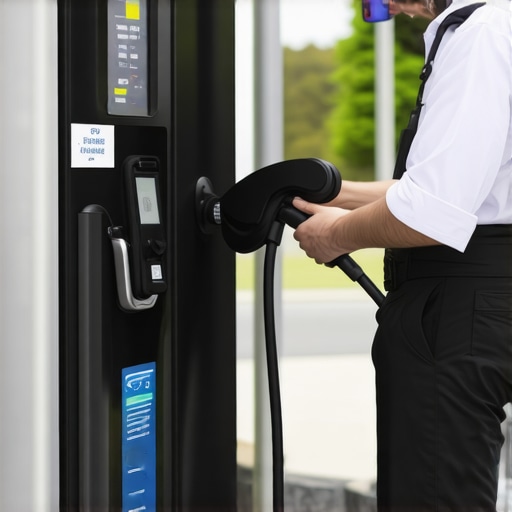
Ever been in the middle of a busy morning, ready to hit the road, only to find your EV charger acting up? I remember the frustrating moment when my charger refused to start, leaving me scratching my head. It was a lightbulb moment for me—understanding that many charging issues are simple fixes, not mysterious tech failures. If you’ve faced similar struggles, you’re not alone. Today, I want to share practical troubleshooting and installation tips that can help you speed up your charging sessions and avoid those unexpected headaches.
Why Your EV Charger Might Be Slowing You Down
Faster charging isn’t just about buying the newest charger or having the biggest battery. It’s about making sure your setup is optimized, safe, and functioning properly. From loose connections to outdated wiring, several common issues can sap your charger’s efficiency. I learned this early on when my first charger’s slow pace made me think I needed a new one. Turns out, a few simple tweaks and checks were all I needed. Fixing these problems not only saved me money but also got me back on the road quicker.
In this post, I’ll walk you through some straightforward steps to troubleshoot your charger and improve your setup. Plus, I’ll point you toward expert tips and resources—like this troubleshooting guide—so you can handle most issues yourself. Whether you’re a seasoned homeowner or new to EV charging, these tips will help you charge faster, safer, and more reliably.
Is It Really Worth the Effort to Troubleshoot?
Absolutely. Early mistakes, like ignoring loose wiring or skipping the right circuit, can turn minor hiccups into bigger hazards or costly repairs. I’ll admit, I once tried to fix my charger without turning off the power first—bad move. It taught me the importance of safety and proper procedures. Trust me, a little know-how can save you a lot of stress and money in the long run. Plus, knowing how your system works gives you peace of mind and keeps your home safer.
If you’re wondering whether these tips are worth your time, consider this: the average EV owner spends hours charging each week. Small improvements can shave off minutes per session—adding up to hours saved over the year. And, of course, faster, safer charging means less wear and tear on your equipment and a more reliable experience overall. Ready to get started? Let’s dive into the common issues and how to fix them.
Check Your Connections Before Anything Else
One of the most common reasons for slow charging or failure to start is loose or corroded connections. Think of your EV charger’s wiring like a water hose—if it’s not securely attached, water (or in this case, electricity) won’t flow properly. I once ignored a loose plug at the outlet and spent hours troubleshooting only to realize that tightening the connection restored full charging speed. Always turn off the power before inspecting connections, and ensure all plugs, terminals, and screws are tight and free of corrosion.
Test the Circuit Breaker and GFCI Outlets
Faulty or tripped circuit breakers can limit power flow, causing slow charging or no charge at all. Similarly, GFCI outlets, which protect against ground faults, may trip if they detect an imbalance. Use a multimeter to verify voltage at the outlet—ideally, it should read around 120V or 240V depending on your system. If you notice a tripped breaker or GFCI, reset it and see if charging improves. I learned this the hard way when my breaker tripped after a storm, but a simple reset fixed my issue instantly.
Inspect the Charging Cable and Port
Damaged cables or dirty ports can hinder proper connection and slow down charging. Clean the port with a dry cloth, and check for cracks, frays, or bent pins. I once used a damaged cable that caused intermittent charging issues; replacing it with a certified, undamaged cable immediately improved my charging speed. Always use manufacturer-approved cables and avoid cheap replacements to ensure safety and reliability.
Evaluate Your Electrical System’s Capacity
Your home’s wiring must support the power level your charger demands. An overloaded circuit or outdated wiring can limit current flow. Think of it like a highway—if too many cars try to use the same lane, traffic slows down. I had an old fuse box that couldn’t handle my new charger’s wattage, causing frequent trips. Upgrading to a dedicated circuit with proper breaker rated for your charger ensures optimal performance. For complex wiring upgrades, consulting a licensed electrician is advisable.
Update and Reboot Your Charger Software
Some chargers have firmware that can be updated for better performance and bug fixes. Check your manufacturer’s instructions for firmware updates—often, a simple reboot can resolve glitches. I once experienced slow charging after a software glitch; a quick restart from the app or control panel restored normal operation. Keeping your charger updated is like giving it a regular tune-up for peak efficiency.
Ensure Proper Grounding and Safety Measures
Proper grounding prevents electrical faults that can damage your charger or pose safety risks. An electrician can verify your grounding system and ensure it meets safety standards—think of grounding like the foundation of a house, essential for stability. I had a grounding issue that caused frequent tripping; resolving it not only sped up my charging but also improved overall home safety. Never skip safety checks—faulty grounding can cause serious hazards.
Consult Professional Help When Needed
If troubleshooting on your own isn’t solving the problem, don’t hesitate to seek expert assistance. A licensed electrician can perform comprehensive diagnostics and upgrades. For detailed guidance, check out this troubleshooting guide. Remember, safety and proper installation are crucial for reliable, fast charging.
When it comes to maximizing your EV charging efficiency, many enthusiasts focus on the obvious issues like outdated wiring or loose connections. However, there’s a nuanced landscape of misconceptions and advanced pitfalls that can trip up even seasoned homeowners. Let’s dig deeper into some of these overlooked aspects, so you can troubleshoot more effectively and avoid costly missteps.
Myth of the Universal Fix: One-Size-Fits-All Solutions
A common misconception is that a single troubleshooting step works for all EV chargers. For example, resetting the charger or replacing the cable might seem like the fix-all, but in reality, each setup has its unique quirks. An incorrect assumption here can lead to wasted time and frustration. Instead, approach each issue with a systematic diagnostic process, consulting expert resources like this comprehensive troubleshooting guide. This ensures you tailor your fixes to your specific model and installation context.
Beware of the Hidden Trap: Overlooking Software and Firmware
Many overlook that modern EV chargers rely heavily on software for optimal performance. Firmware glitches or outdated software can cause slow charging or miscommunication with your vehicle. An advanced mistake is neglecting to check for firmware updates or rebooting the system properly. For instance, a simple software reset can clear bugs that cause charging delays. Regularly updating your charger’s firmware—something often detailed in your manufacturer’s instructions—can prevent these issues from escalating. Think of it as giving your charger a regular tune-up, which is crucial for peak performance.
Can Your Home’s Electrical System Handle the Load?
Another advanced point is understanding your home’s electrical capacity. Many assume their wiring is sufficient, but outdated circuits or overloaded panels can silently limit your charger’s performance. This hidden nuance can be tricky because it manifests as slow charging rather than an obvious fault. Conduct a thorough assessment or consult with an electrician to ensure your system can handle the load, especially if you’ve recently upgraded your EV or added new appliances. Upgrading your panel or wiring might be necessary, and you can find helpful tips on setting up a safe EV charging station.
Don’t Fall Into the Safety Trap
One of the biggest pitfalls is ignoring safety protocols. For example, attempting DIY fixes without proper knowledge of grounding or circuit integrity can lead to safety hazards. An overlooked but critical aspect is ensuring your grounding system is sound, preventing electrical faults that can damage your charger or pose safety risks. Always verify grounding with a professional if in doubt. Safety isn’t just an afterthought—it’s integral to reliable and fast charging.
Have you ever fallen into this trap? Let me know in the comments. Remember, troubleshooting isn’t just about fixing a problem—it’s about understanding the complex interplay of electrical, software, and safety factors involved in your EV charging setup. Stay informed, stay safe, and optimize your charging experience!
Maintaining your EV charger is crucial for ensuring reliable, fast, and safe charging over the long term. From specialized testing devices to software monitoring, having the right tools can make troubleshooting and routine maintenance much easier. I’ve personally found that investing in quality equipment not only saves time but also protects my investment in my electric vehicle infrastructure.
Invest in a Digital Multimeter for Precise Diagnostics
A high-quality digital multimeter is my go-to tool for checking voltage and continuity across connections. I use it regularly to verify that outlets and wiring are delivering the correct voltage, especially after storms or electrical work. The Fluke 117 model, for example, offers reliable readings and safety features, making it indispensable for pinpointing wiring issues that could slow down your charger or cause faults. Regularly testing your circuits with a multimeter helps catch issues early, preventing costly repairs and downtime.
Utilize Firmware Update Software for Peak Performance
Modern EV chargers often come with firmware that can be upgraded via manufacturer-provided software. I check for updates every few months, which can resolve bugs and improve charging speeds. Manufacturers like ChargePoint and JuiceBox provide apps or desktop programs for seamless updates. Keeping your charger’s firmware current ensures compatibility with vehicle updates and enhances overall stability. Remember, updating firmware is like giving your charger a software health check, boosting long-term performance.
Apply Thermal Imaging to Detect Hidden Problems
For advanced diagnostics, I recommend a thermal imaging camera. It helps identify hotspots in wiring or connectors that might not be visible to the naked eye. Over time, loose connections or overloaded circuits can generate heat, risking damage or fire. Using a thermal camera from FLIR, for example, allows me to scan connections periodically and address potential issues before they escalate. This proactive approach is especially useful in older installations or after electrical upgrades.
Maintain a Detailed Log of Maintenance and Troubleshooting
Keeping a detailed record of inspections, repairs, and software updates helps track the health of your EV charging system. I use a simple spreadsheet to log dates, findings, and actions taken. Over time, patterns emerge—such as recurring tripping or slowing speeds—which can point to underlying problems needing professional attention. This habit pays off when scheduling professional inspections and ensuring your system remains in top shape.
Predict Future Trends in EV Charging Maintenance
Looking ahead, I believe smart diagnostics and IoT integration will make maintaining EV chargers even more straightforward. Devices will automatically monitor system health, alerting owners to issues before they cause downtime. As technology advances, expect tools to become more user-friendly, with AI-driven insights guiding maintenance decisions. Staying ahead of these trends will ensure your charging setup remains reliable and efficient well into the future.
How do I keep my EV charger working over time?
The key is regular inspection using reliable tools, timely software updates, and proactive diagnostics like thermal imaging. Implementing these practices will extend your charger’s lifespan and keep your EV always ready to go. I encourage you to try upgrading your diagnostics with a thermal camera—it’s a game-changer for early problem detection. For more advanced maintenance tips, visit this resource and start taking control of your EV charging system today.
When your EV charger slows down unexpectedly, it can feel like a major inconvenience. But often, the solution is simpler than you think. Through my own experience, I’ve learned that many common issues stem from overlooked details like loose connections or outdated firmware. In this post, I’ll share insider lessons I’ve picked up—things that took me from frustration to confidence in maintaining a reliable charging setup.
The Hardest Lesson I Learned About EV Charger Troubleshooting
Early on, I believed that replacing my charger was the only fix for slow charging. It wasn’t until I carefully checked my wiring and connections that I discovered the real culprit—corrosion and loose plugs. This taught me that sometimes, the simplest fixes have the biggest impact. Never underestimate the power of a thorough visual inspection and proper tightening.
Why Firmware Updates Can Save You Hours
One of my biggest lightbulb moments was realizing that firmware glitches could cause slow charging or communication errors. Regularly checking for updates and rebooting the charger can resolve these hidden bugs. It’s like giving your device a much-needed health check, ensuring everything runs smoothly and efficiently. Manufacturer websites and dedicated apps are your best friends here.
The Hidden Value of Electrical Capacity Checks
Outdated wiring or overloaded circuits silently limit your charger’s performance. I once faced persistent issues, only to find that my home’s electrical panel couldn’t handle the load. A dedicated circuit upgrade made a world of difference. Before investing in new hardware, always verify your home’s electrical capacity—this step can save you time and money in the long run.
Safety First—Never Skip Grounding and Professional Help
Proper grounding isn’t just a safety measure; it’s essential for reliable operation. I learned this the hard way when ignoring grounding caused frequent faults. Consulting a licensed electrician for checkups ensures your setup is safe and efficient. Remember, a well-grounded system protects both your home and your EV.
Tools That Turn DIY Troubleshooting Into a Breeze
Investing in a high-quality digital multimeter and thermal imaging camera transformed my maintenance routine. These tools help spot issues early—like hotspots or voltage drops—that could lead to bigger problems. Regular diagnostics with reliable instruments keep your EV charging system in top condition, extending its lifespan and performance.
What Experts Won’t Tell You About EV Charger Maintenance
Many overlook the importance of detailed logs and proactive diagnostics. I keep a maintenance journal, which helps identify recurring issues and plan upgrades. Looking ahead, IoT-enabled tools and AI diagnostics are set to revolutionize how we maintain our chargers. Staying informed about these trends ensures you’re ahead of potential problems, keeping your charging experience smooth and worry-free.
Remember, troubleshooting isn’t just about fixing problems—it’s about understanding your system deeply. With patience, the right tools, and a safety-first mindset, you can keep your EV charger running at peak performance. This proactive approach saves money, time, and stress, letting you enjoy the benefits of fast, safe charging every day.
Where You Can Take Your EV Charging Setup Next
If you’re ready to elevate your system, check out resources like lighting installation guides for tips on wiring upgrades, or explore maintenance tips to keep your charger in top shape. Whether upgrading wiring or enhancing safety, continuous learning makes all the difference. Don’t wait for problems to happen—be proactive today and enjoy the peace of mind that comes with expert knowledge.
Reading through this post really resonated with my own experience troubleshooting my EV charger. I used to think that slow charging always meant I needed a new unit, but after checking my connections and updating the firmware, the whole performance improved dramatically. What stood out for me was the emphasis on safety—something I initially overlooked when trying to fix issues myself. The bit about utilizing tools like thermal imaging cameras was new to me, but I can see how that could be a game changer, especially for older installations. It makes me wonder—how often should one perform these diagnostics to prevent issues before they start? I’d love to hear from others about their routine maintenance practices for EV chargers, especially those who have integrated tech like IoT sensors. It’s clear that a proactive approach can save a lot of hassle and costs in the long run, and I’m eager to adopt more of these tips.