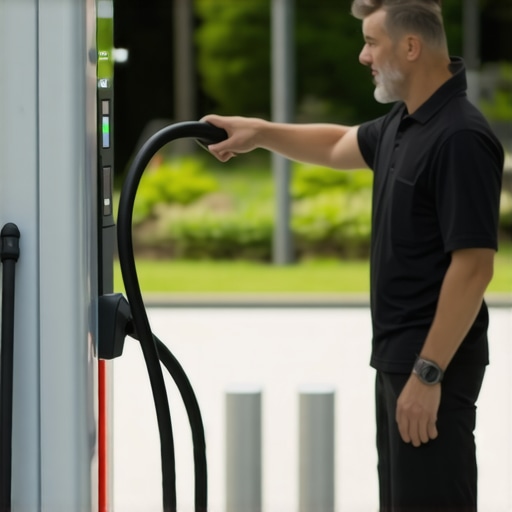
Have you ever been ready to plug in your electric vehicle only to find your charger blinking or refusing to work? I remember the lightbulb moment when I first faced this frustration. My EV charger suddenly stopped charging, and I felt that sinking feeling—am I doing something wrong? Turns out, many of us stumble into similar issues, often due to simple mistakes or overlooked details. But here’s the good news: with a bit of guidance, you can troubleshoot effectively and ensure your setup is safe and reliable.
Why Fixing Your EV Charger Matters Right Now
Electric vehicles are no longer a future concept—they’re here, and they’re becoming more popular every year. According to the U.S. Department of Energy, the number of electric cars on the road is expected to double by 2025. That means more homeowners will need reliable, safe charging stations at home. But what happens when your charger isn’t cooperating? Ignoring these issues can lead to safety hazards, increased costs, or even damage to your vehicle and home wiring. I’ve learned that a little troubleshooting goes a long way in avoiding costly repairs and ensuring you’re always ready to hit the road.
Is Your EV Charger Troubleshooting Actually Worth the Effort?
Early on, I made the mistake of assuming my charger was broken without checking the basics. It’s a common trap—many think that if the charger isn’t working, it’s a major problem. But often, the root cause is something simple, like a loose connection or a tripped breaker. Starting with the right troubleshooting steps can save you time and money. For expert insights, I recommend checking out trusted troubleshooting tips that can help you identify and fix common problems quickly.
Now, if you’re ready to dive into practical solutions, let’s explore how to troubleshoot common EV charger issues and ensure your setup is safe and efficient. Whether you’re dealing with slow charging, error messages, or installation concerns, this guide will walk you through the essential steps to get your EV charging smoothly again.
Check Your Power Supply First
When my EV charger suddenly started blinking, the first thing I did was verify the power source. I flipped the breaker off and on again, just like resetting a stubborn router. If the breaker trips again, it indicates a wiring issue or overload. Use a multimeter to test the outlet voltage; it should match your charger’s requirements, usually around 240 volts for home chargers. If this step is confusing, consulting an electrician is wise. Proper power supply is the foundation for safe, reliable charging. For detailed wiring checks, visit expert troubleshooting tips.
Inspect Connections and Cables
Next, I examined all the connections. Loose or corroded terminals can cause charging failures. I disconnected and reconnected the plug, ensuring it fit snugly. Also, I inspected the cable for visible damage like cuts or frays, which can compromise safety. Think of it like inspecting a garden hose for leaks—damaged cables won’t deliver power reliably. Replacing a worn cable is straightforward but crucial. If you’re unsure, professional guidance is available at troubleshooting experts.
Reset and Test the Charger
Many issues resolve with a simple reset. I turned off the charger, waited a few minutes, then powered it back on. Some chargers have a built-in reset button—press it, hold for a few seconds, then release. This is like rebooting a computer—clearing temporary glitches. After resetting, I initiated a charging session. If the error persists, check the charger’s display or indicator lights to identify specific issues. For instance, an error code might relate to internal faults or communication problems, which can be diagnosed through the manufacturer’s manual or expert guidance.
Verify Proper Grounding and Circuit Compatibility
Grounding is vital for safety. I confirmed the charger’s grounding wire was securely connected to the home grounding system. Improper grounding can cause electrical shocks or intermittent operation. Additionally, I checked if the circuit’s amperage matches the charger’s requirements. Overloading a circuit can trip breakers or damage components. Think of it like ensuring a water pipe can handle the flow—too much pressure causes leaks. If your setup seems mismatched, an electrician can perform a comprehensive evaluation. Visit safe installation tips.
Update Firmware and Software
Some modern chargers have firmware that can be updated. I checked the manufacturer’s app or website for updates, which can fix bugs and improve performance. Updating firmware is similar to updating your phone’s OS—essential for compatibility and security. Follow the manufacturer’s instructions carefully to avoid bricking the device. If you encounter difficulties, professional assistance is recommended. For more on installation, see installation tips.
Consult Professionals When Necessary
If troubleshooting these steps doesn’t resolve the issue, it’s time to call a professional. Electricians have the tools and expertise to diagnose hidden wiring faults or complex electrical issues. I once faced a persistent blinking light that stumped me; an electrician identified a subtle wiring defect that was causing the problem. Don’t risk safety or damage by ignoring persistent issues. Reach out at our contact page for trusted help. Proper installation and maintenance ensure your EV charger operates safely and efficiently, supporting your transition to clean energy without interruptions.
While many EV owners believe that troubleshooting their chargers is straightforward, there are nuanced pitfalls that often trip up even experienced users. Let’s dig deeper into what most people get wrong and how to avoid costly mistakes.
Why the Fix Isn’t Always in the Firmware or Hardware
One widespread myth is that if an EV charger isn’t working, it must be a hardware defect or outdated firmware. However, experts know that many issues stem from overlooked electrical nuances. For example, a charger might have the latest firmware, but if your home’s wiring isn’t up to code or if the circuit breaker trips frequently due to overloads, the problem persists. A study by the Institute of Electrical and Electronics Engineers (IEEE) emphasizes that electrical supply stability is often the root cause of persistent charging issues, more so than software glitches.
It’s tempting to focus solely on the device, but the reality is that safe and reliable EV charging depends heavily on proper electrical infrastructure. Many homeowners skip the step of verifying their circuit’s amperage capacity or ensuring proper grounding, which can cause intermittent operation or even safety hazards. To avoid these traps, I recommend consulting an electrician to verify your setup, especially if you’ve already tried resetting or updating your charger. Check out trusted troubleshooting tips for detailed steps.
Don’t Fall for the ‘Reboot and Hope’ Strategy
Another common mistake is repeatedly rebooting the charger without diagnosing underlying electrical issues. This approach is akin to taking aspirin for a persistent headache without understanding the cause. While rebooting can temporarily resolve some glitches, it often masks deeper problems like wiring faults or circuit overloads that require professional intervention. Remember, the goal is not just to fix the symptom but to address the root cause.
For example, if your charger’s blinking lights persist after a reset, it’s better to check the circuit’s health and connections—something that a qualified electrician can do efficiently. Relying solely on resets may lead to repeated failures and increase the risk of electrical hazards. For comprehensive guidance, see expert troubleshooting tips.
How Can Advanced Diagnostics Save You Time and Money?
Advanced troubleshooting techniques, such as using a multimeter to verify voltage levels or inspecting wiring diagrams, are often overlooked by DIY enthusiasts. These steps can prevent you from replacing perfectly fine components or, worse, causing damage through improper handling. Professional electricians use diagnostic tools to identify subtle issues like poor grounding or fluctuating power supply, which are not visible to the naked eye but can cause charging failures.
Engaging an electrician for these diagnostics ensures that your EV charger operates at peak efficiency and safety. It also prolongs the lifespan of your equipment. To learn more about sophisticated troubleshooting methods, visit lighting installation tips—many principles are similar and applicable here.
Have you ever fallen into this trap? Let me know in the comments. Remember, a nuanced approach to troubleshooting can save you time, money, and potential hazards—so don’t overlook the electrical fundamentals.
Keeping your EV charger functioning smoothly over time requires more than just initial installation; it demands the right tools, regular maintenance, and a proactive approach to troubleshooting. I personally rely on a set of specific equipment to diagnose and resolve common issues efficiently. One indispensable tool in my arsenal is a high-quality multimeter. I use it to verify voltage levels at the outlet and ensure that the charger receives the correct power supply. This simple step can reveal issues like voltage drops or circuit overloads before they cause more significant problems.
Another essential device I recommend is a circuit tester with GFCI testing capability. This allows me to quickly check that the ground-fault circuit interrupters are functioning properly, which is critical for safety and compliance with electrical codes. When I perform routine maintenance, I also inspect the charging cables and connectors for signs of wear or corrosion, replacing them immediately if necessary. These visual checks are straightforward but vital for avoiding unexpected failures or safety hazards.
For software updates, I always keep the manufacturer’s app and firmware update tools handy. Updating firmware ensures that your charger benefits from the latest bug fixes and performance improvements. I make it a habit to check for updates monthly, especially after firmware releases announced by the manufacturer. This proactive approach can prevent many issues caused by outdated software, which is a trend I see gaining momentum as chargers become more connected and smart.
How do I maintain my EV charger connection over time?
Maintaining a reliable connection requires routine checks of the electrical connections and the charging environment. I suggest periodically inspecting the grounding wire and ensuring all connections are tight and corrosion-free. Additionally, using a dedicated circuit breaker for your charger can prevent overloads and protect your wiring. Regularly cleaning the contact points and connectors with a soft brush or compressed air helps prevent dirt and debris from causing faults. For comprehensive tips on upkeep, I recommend visiting top EV charger maintenance tips.
Looking ahead, the future of EV charger maintenance will likely include more integrated diagnostic tools that connect directly to your smartphone, providing real-time alerts and troubleshooting guidance. As technology advances, staying updated with the latest tools and best practices will be essential for anyone committed to keeping their EV charging station reliable and safe.
Try using a multimeter to verify your outlet voltage today—it’s a simple step that can save you hours of troubleshooting later. Regular maintenance with the right tools not only prolongs your charger’s lifespan but also ensures your safety and peace of mind on every charge.
After helping countless EV owners troubleshoot their chargers, I’ve discovered some insider lessons that can save you time, money, and frustration. These insights go beyond the basics and reveal what truly makes a difference in maintaining a reliable home charging setup.
The Hardest Lesson I Learned About EV Charger Maintenance
I once thought that firmware updates alone would fix persistent issues. It took me a while to realize that electrical wiring quality and proper grounding are the real backbone of a safe, efficient charging station. Overlooking these fundamentals can lead to repeated failures, no matter how advanced your device is.
3 Myths About Troubleshooting EV Chargers That Held Me Back
One myth I believed was that power surges are always the culprit. Turns out, loose connections and overloaded circuits are far more common causes. Another misconception was assuming resets solve all problems—sometimes, a professional diagnostic reveals hidden wiring faults that a simple reboot can’t fix. Busting these myths has helped me approach troubleshooting more systematically and effectively.
What Experts Won’t Tell You About Safe EV Charging
Many DIY tips focus on quick fixes, but real safety comes from comprehensive checks—especially verifying circuit capacity and grounding. Experts know that a properly rated circuit with secure connections prevents hazards and prolongs your charger’s lifespan. For detailed guidance on safe installation and maintenance, I recommend exploring trusted resources like top EV charger maintenance tips.
Curated Resources for Confidence in Troubleshooting
Here are some tools and guides I rely on:
- Multimeter: Essential for verifying voltage levels and detecting wiring issues. I keep mine ready for quick checks.
- Electrical wiring diagrams: Understanding your home’s wiring helps identify connection problems early. I consult these often before replacing components.
- Manufacturer’s manuals: They provide specific error codes and reset procedures—crucial for accurate troubleshooting.
- Professional electrician contacts: When in doubt, I turn to experts who can diagnose complex problems safely. Visit their contact page for trusted assistance.
Your Next Step Toward Confident EV Charging
Troubleshooting your EV charger isn’t just about fixing a blinking light; it’s about ensuring your safety and maintaining a dependable energy source for your vehicle. Whether you’re checking connections or updating firmware, take action now. Regular maintenance and a proactive mindset will keep your charging station ready for every trip. Remember, mastering these tips empowers you to troubleshoot confidently and enjoy the full benefits of your electric vehicle.
What’s the most challenging issue you’ve faced with your EV charger? Share your experience below—I’d love to hear how you overcame it!