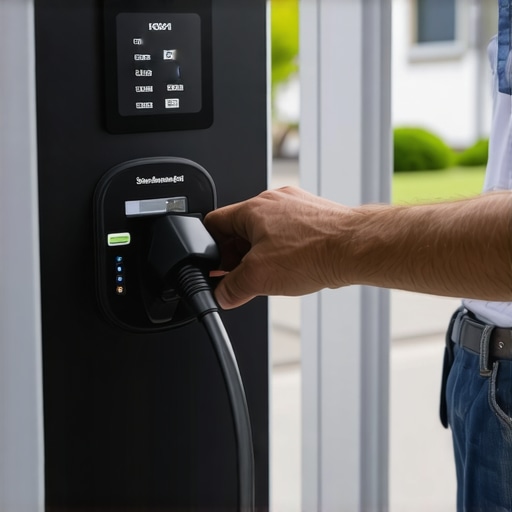
Ever felt that sinking frustration when your electric vehicle refuses to charge just when you need it most? I’ve been there—standing in my garage, cursing at my charger, wondering why it suddenly decided to go on strike. Initially, I thought it was some high-tech mystery, but after a few missteps, I realized the root was often something simple I could fix myself. That lightbulb moment changed everything for me, transforming days of being stuck into minutes of troubleshooting. If you’ve ever faced similar struggles, you’re not alone—and the good news is, most common issues are easier than you think to fix.
Why Troubleshooting Your EV Charger Matters Right Now
With more people shifting to electric vehicles, the number of home chargers installed is skyrocketing. According to the U.S. Department of Energy, the number of electric vehicles on the road is expected to reach 18 million by 2030. That means more homeowners are relying on their chargers daily, and when something goes wrong, it can feel like a major disruption. But here’s the thing—most charging hiccups aren’t due to complex faults or expensive repairs. Often, a quick check-up or reset can get your charging back on track faster than waiting for a technician.
Understanding the common issues and how to address them can save you time, money, and stress. Plus, having a basic troubleshooting toolkit means you won’t be left in the dark during those crucial moments when your EV needs charging. I’ve learned this firsthand—early on, I made the mistake of ignoring simple fixes, which only prolonged the problem. Trust me, a little knowledge goes a long way. For detailed tips on resolving electrical faults, check out this guide on EV troubleshooting.
Ready to become your own troubleshooting hero? We’ll walk through the most common issues, how to spot them, and quick fixes you can try before calling in the pros. Because honestly, most home charging issues are less daunting than they seem—if you know where to look.
Is It Worth Trying to Fix My EV Charger Myself?
Absolutely—and I’ll be honest, I initially hesitated because I thought electrical work was dangerous or complicated. My early mistake was assuming I needed a specialist for every little hiccup. But with some basic safety precautions and guidance from trusted sources, I found I could handle a lot of common problems myself. Remember, safety first—if you’re unsure or uncomfortable, don’t hesitate to contact a professional. For more on safe troubleshooting, see this electrician’s guide. The key is knowing when to try a fix and when to call in the experts. So, have you faced a stubborn charger that just wouldn’t start? If so, keep reading—help is on the way, and most fixes are surprisingly straightforward.
Start with the Basics of Power
First, verify that your charger is receiving power. Think of your EV charger like a lamp—if there’s no electricity, it won’t turn on. Check your circuit breaker to see if it has tripped. If it has, reset it and try charging again. A quick reset often solves simple power issues. I once had a charger that refused to turn on; after resetting the breaker, it powered up instantly, saving me a call to an electrician. For detailed safety and troubleshooting tips, visit this troubleshooting guide.
Inspect Your Connection and Cables
Next, examine the physical connection. Look for frayed wires, loose plugs, or corrosion. Think of it like checking a garden hose—kinks or leaks can stop water flow. I once found a loose plug behind my garage wall, which prevented charging. Simply tightening or replacing the cable fixed the problem. Ensure the connector clicks securely into your vehicle and the outlet. If you’re unsure about handling connections, consider consulting an electrician. For lighting and wiring troubleshooting, see this electrician’s troubleshooting tips.
Test the Wall Outlet and Circuit
Use a multimeter or a simple device tester to confirm the outlet works properly. Plug in a lamp or small appliance; if it doesn’t turn on, the outlet might be faulty. In my case, an outlet in the garage was dead, which I diagnosed with a tester. Replacing the outlet or fixing the circuit resolved the issue. If you’re not comfortable with electrical testing, don’t hesitate to contact a professional. For guidance on safe setup, visit home charging station setup.
Reset Your Charger and Vehicle
Sometimes, a simple reset can fix communication glitches. Turn off your charger and your vehicle, wait a few minutes, then turn them back on. This resets the internal communication and can clear errors. I often do this during cold weather when charging stalls—waiting a few minutes allows the system to recalibrate. If issues persist, check your vehicle’s charging settings and firmware. For more tips, check maintenance tips for EV chargers.
Update Firmware and App Settings
Ensure your charger’s firmware and associated apps are up to date. Outdated software can cause communication errors. Like updating your phone, firmware updates fix bugs and improve performance. I once delayed an update, which caused my charger to disconnect. Updating fixed the issue immediately. Follow the manufacturer’s instructions or visit their website. For installation and troubleshooting, see lighting installation troubleshooting.
Seek Professional Help When Needed
If none of these steps work, it’s time to contact a professional. Think of it like calling a mechanic when your car won’t start—you might have a deeper electrical fault or wiring issue. Visit this contact page to find trusted electricians experienced in EV charger troubleshooting. Remember, safety is paramount—don’t attempt complex repairs if you’re unsure. Proper troubleshooting and expert intervention can save you time and prevent potential hazards.
Many homeowners and even seasoned electricians fall prey to misconceptions when it comes to troubleshooting EV chargers and installing lighting systems. Let’s cut through the noise and uncover some of the most overlooked nuances that can trip you up. For starters, a widespread myth is that all EV charging issues are hardware failures. In reality, a significant percentage of problems stem from simple wiring or configuration mistakes. For example, incorrect grounding or a loose connection can mimic more serious faults, leading you down a costly repair rabbit hole. Always double-check wiring integrity before assuming hardware failure. To deepen your troubleshooting skills, consider reviewing expert tips on EV troubleshooting.
Another common trap is believing that software updates alone resolve all connectivity issues. While firmware updates are crucial—they fix bugs and improve compatibility—they won’t fix physical faults or wiring errors. Over-reliance on software as a fix-all can delay necessary physical inspections, increasing risks. Remember, a holistic approach combining firmware checks with physical diagnostics yields better results. For advanced insights, explore maintenance tips for optimal performance.
Why do some lighting installations seem flawless but fail prematurely? What’s missing?
Many assume that high-quality fixtures and bulbs guarantee durability. However, neglecting proper electrical load calculations and wiring standards is a leading cause of early failures. Using incompatible dimmers, overloading circuits, or skipping proper grounding can cause flickering, buzzing, or even fire hazards. A vital step many overlook is verifying that your lighting circuit can handle the added load safely, which is especially critical in older homes. A professional electrician will perform comprehensive load assessments, ensuring your setup is both safe and reliable. For detailed guidance, see lighting troubleshooting and safe installation tips.
Beware the oops moment: mixing incompatible dimmers and LED bulbs designed for specific circuits can lead to flickering and reduced bulb lifespan. Always match dimmer types with your bulb specifications, and consult manufacturer guidelines. This small but crucial step prevents premature replacements and ensures optimal performance. If you’re unsure, reaching out to a trusted electrician via this contact page can save you time and headaches.
In conclusion, most problems aren’t as daunting as they seem if you understand the hidden nuances. Recognize that many troubleshooting myths are just that—myths—perpetuated by oversimplified advice or misconceptions. Instead, focus on comprehensive diagnostics, proper load calculations, and professional guidance when needed. Have you ever fallen into this trap? Let me know in the comments, and stay vigilant to keep your electrical systems running smoothly!
Keeping your electrical systems, like EV chargers and lighting setups, in top shape over time requires more than just initial installation; it demands the right tools, routine checks, and a proactive approach. From specialized diagnostic equipment to software updates, I rely on specific tools that have proven effective in my experience. In this article, I’ll share the exact tools I recommend, how I use them, and where this trend is headed for homeowners and professionals alike.
How do I maintain my electrical systems over time
One essential tool I never leave without is a high-quality multimeter, such as the Fluke 117. This device allows me to perform precise voltage, current, and resistance tests, ensuring that outlets, wiring, and connections are functioning correctly without guesswork. I use it regularly to verify that circuit breakers are delivering proper voltage, especially after any repairs or upgrades. Its durability and accuracy make it my go-to choice for routine maintenance and troubleshooting.
For more complex diagnostics, I turn to a clamp meter like the Fluke 323. This helps me measure current flow without disconnecting wiring, which saves time and reduces risk. When inspecting an EV charger or lighting circuit, I often find loose connections or overloads that can be identified quickly with these tools. Remember, routine checks with a multimeter can prevent small issues from becoming costly failures.
Beyond hardware, I recommend maintaining your software and firmware regularly. Manufacturers often release updates that fix bugs and improve system stability. Using a dedicated app, like the ones provided by most EV charger brands, I review notifications for any firmware updates and install them promptly. This ensures your system benefits from the latest features and security patches.
In addition to testing equipment, I utilize specialized diagnostic software provided by some EV charger manufacturers. These tools connect via Wi-Fi or Bluetooth and give detailed insights into your charger’s health, error logs, and performance metrics. Regularly reviewing this data helps me catch potential issues early and plan maintenance before failures occur. For lighting systems, smart switches and bulbs also often come with apps that monitor their status and alert me to problems such as connectivity drops or failing bulbs.
Looking ahead, the trend is moving toward integrated, IoT-enabled solutions that automatically monitor system health and notify homeowners or technicians of issues via smartphone alerts. As these technologies evolve, I predict a future where routine maintenance becomes more predictive, thanks to AI-driven diagnostics and cloud-based analytics. This will drastically reduce downtime and extend the lifespan of your systems.
Why you should try this
If you haven’t already, I highly recommend investing in a reliable multimeter and setting up your systems for regular self-checks. Not only does this empower you to troubleshoot minor issues, but it also helps you understand your system’s baseline performance. For advanced users, exploring manufacturer diagnostic apps can uncover hidden problems early, saving time and money in the long run.
For a comprehensive guide on maintenance routines and troubleshooting, visit this resource. Start integrating these tools into your maintenance routine today, and enjoy peace of mind knowing your electrical systems are reliable and efficient for years to come.
What I Wish I Knew Before Diving Into Troubleshooting
One of the biggest lessons I learned was that many seemingly complex EV charger issues boil down to simple wiring or power supply problems. The moment I stopped assuming everything was hardware failure, I started fixing problems faster and more confidently. Also, I realized that regular maintenance and firmware updates are your best allies, preventing issues before they happen. Lastly, trusting reputable guides and not hesitating to call in professionals when needed saves time and keeps safety at the forefront.
Tools That Elevated My Troubleshooting Skills
My go-to tool is a high-quality multimeter like the Fluke 117—reliable for every voltage and resistance check. Paired with a clamp meter such as the Fluke 323, I can diagnose current overloads without disconnecting wiring. For software insights, I rely on manufacturer-specific diagnostic apps that provide real-time system health reports. These tools have empowered me to catch problems early and perform accurate repairs, making my home safer and my equipment more reliable.
Take Action and Keep Moving Forward
Troubleshooting your EV charger and lighting systems might seem intimidating at first, but with the right mindset and tools, you can become your own best technician. Consistent checks, staying updated with firmware, and knowing when to seek expert help are key. Don’t wait for problems to snowball—be proactive, and you’ll enjoy safer, more efficient electrical systems for years to come. Remember, every step you take today builds a more reliable, safer home tomorrow.
What’s the most surprising fix you’ve discovered when troubleshooting your electrical systems? Share your experience below!
Reading this post really resonated with me, especially the emphasis on simple troubleshooting steps before calling in a professional. I recall a time when my EV charger suddenly stopped working, and I initially panicked thinking it was a major fault. After resetting the circuit breaker and inspecting the cables, I realized a loose connection was the culprit. It’s amazing how often overlooked loose wires or tripped breakers cause these issues! The post also made me think about the importance of updating firmware regularly to prevent communication glitches. Have any of you experienced cases where a simple firmware update resolved persistent connectivity issues? I’d love to hear more about your experiences and any tips for maintaining the longevity of our chargers and lighting systems. It’s clear that having the right tools, like a good multimeter, can save both time and money in the long run. Safe troubleshooting definitely makes home electrical projects much more manageable—what’s been your most surprising quick fix?
This post really hits home for anyone becoming more hands-on with their home electrical systems. I’ve faced similar frustrations with my EV charger, especially when dealing with temporary glitches. What stood out to me was the emphasis on basic power checks—verifying circuit breaker status and inspecting connections—things I used to overlook. Once I started doing these simple diagnostics, I felt more confident in handling minor issues myself. I especially agree with the idea of updating firmware regularly; I once had connectivity problems that were fixed after a quick update, saving a service call.
My question for fellow readers is: Have you used any particular diagnostic tools that made troubleshooting easier? I’ve found that a good multimeter is invaluable, but I’m curious if anyone has experimented with smart diagnostic apps or IoT solutions that monitor your systems proactively. It seems like the future is moving toward more integrated troubleshooting that can alert you before problems become severe.
Building a basic troubleshooting kit and learning these skills is a game-changer. Do you think DIY fixes will dominate the home electrical landscape in the next few years, or will professional intervention still be necessary for complex issues? Would love to hear your thoughts.