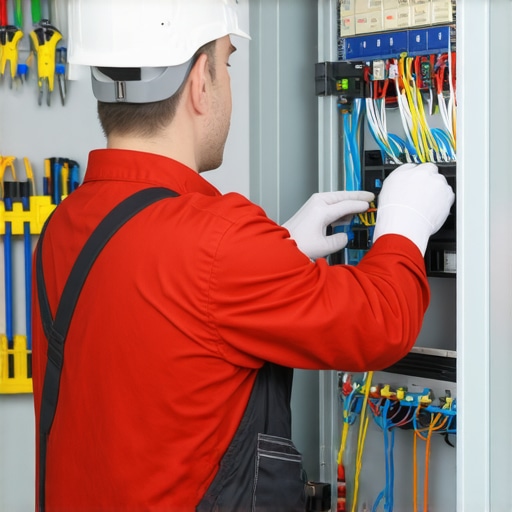
Have you ever been in the middle of trying to fix a flickering light or an unresponsive outlet, only to realize that a simple task quickly turned into a nerve-wracking ordeal? I remember a time when my attempt to swap out a faulty switch ended with a sparks flying and me scrambling for the main breaker. It was a sobering lesson that even small electrical issues can hide dangerous surprises if you’re not careful.
Why Getting Electrical Troubleshooting Right Matters More Than Ever
In our homes, electricity is an invisible helper—until it isn’t. A minor fault can escalate into a fire hazard or cause costly damage. As a homeowner, knowing how to approach electrical troubleshooting safely isn’t just about convenience; it’s about protecting your loved ones and preserving your property. Plus, according to the U.S. Fire Administration, electrical malfunctions account for roughly 13% of home fires each year, highlighting the importance of being equipped with correct troubleshooting skills. If you’re like me, you might have rushed into fixing issues without understanding the potential risks, leading to bigger problems down the line. That’s why mastering safe troubleshooting isn’t just for electricians — it’s essential for anyone who wants to avoid accidents and save money.
Is Electrical Repair Really That Dangerous? Can’t I Just DIY It?
Here’s where I dropped the ball early on—thinking I could wing it without proper knowledge. I once tinkered with wiring behind a wall without turning off the power, only to get a nasty shock that reminded me just how critical safety procedures are. Trust me, years of experience as a hobbyist have shown me that even seemingly simple repairs can spiral into dangerous situations if not handled correctly. It’s easy to underestimate the risks, but the consequences can be severe—electric shocks, fires, or ruined appliances. For the best results, I always recommend consulting trusted sources like professional tutorials or reaching out to qualified electricians. If you’re unsure about any step, don’t hesitate to contact a professional—it’s an investment in your safety.
In the next sections, I’ll guide you through essential tips and common pitfalls to avoid, helping you troubleshoot electrical faults confidently and safely. Ready to become your home’s electrical safety champion? Let’s dive in.
Turn Off the Power First
Before touching any wires, locate your main circuit breaker or fuse box and switch off the power supply to the affected area. I learned this the hard way when I worked on a flickering light without shutting off the breaker—receiving a mild shock that reminded me safety comes first. Think of it as turning off the main valve to prevent water from spilling—necessary to avoid mess and danger.
Test the Circuit
Use a voltage tester or multimeter to confirm that the power is indeed off. Place the test probe on the wire or outlet terminal and ensure it shows no voltage. During my first attempt, I mistakenly relied on just feeling the fixture for power—only to realize later that my hands were damp, posing a shock risk. Testing is like checking if the water is truly shut off before fixing a leak—crucial for safety.
Identify the Fault
Visually inspect wires, switches, and outlets for obvious issues like loose connections, burnt components, or broken parts. I once found a loose wire behind an outlet—tightening it restored function instantly. Imagine plumbing: a loose pipe causes leaks; tightening the connection fixes it. For complex issues, consult detailed guides like lighting troubleshooting guides.
Perform Safe Repairs
Once you identify the problem, handle repairs carefully. Use insulated tools, avoid working alone if possible, and don’t force components. For example, when replacing a faulty switch, I made sure to match the wiring color codes precisely and secured all connections firmly. Think of it as fixing a bike chain—proper alignment and tightness prevent future problems.
Re-Test After Repair
Turn the breaker back on and test the circuit with a voltage tester. Verify that the issue is resolved—if not, recheck connections. I once replaced a switch, turned everything back on, and still had no power; rechecking showed a loose wire I overlooked. This step is like a test drive after fixing a car—ensures everything works as intended.
Document Your Work Carefully
Keep a record of what you did: which wires were connected where, parts replaced, and any observations. It helps future troubleshooting and provides proof of proper work. I started jotting down repair steps after a few mishaps, which saved me time during subsequent issues. Think of it as keeping a repair log for your vehicle—useful for future reference.
Seek Professional Help When Needed
Recognize your limits. If a project involves complex wiring, high voltage, or uncertain issues, contact a trusted electrician—don’t risk life or property. I learned this after a DIY attempt gone wrong, which is why I now prefer consulting professionals for tricky tasks. Visit this page to find experts who can assist.
By following these concrete steps—starting with safety, careful inspection, precise repairs, and knowing when to call in the pros—you can troubleshoot electrical problems confidently and safely. Remember, patience and caution are your best tools in navigating home electrical issues.
Many homeowners operate under misconceptions about lighting installation, EV chargers, and electrical troubleshooting that can undermine safety and efficiency. For instance, a prevalent myth is that replacing a fixture or outlet is always straightforward—yet, without understanding the nuanced wiring complexities, such tasks can mask underlying issues like improper grounding or hidden faults. Accepting simplistic solutions often leads to repeated failures or hazards.
Another common mistake involves the assumption that if a device works after repair, the problem is fixed. In reality, some faults may temporarily appear resolved but still linger, risking future failures. Advanced troubleshooting requires knowledge of subtle wiring patterns, load calculations, and compliance standards, which many DIY enthusiasts overlook. For example, improper circuit load balancing can cause overheating, fatigue, or tripouts, especially with high-demand devices like EV chargers. Professionals recommend employing precision testing tools and referencing detailed guides like those found in [lighting installation troubleshooting guides](https://reliableelectricpro.com/lighting-installation-troubleshooting-guide-for-safer-homes-2025).
A crucial misconception is believing that all electrical issues are visible or detectable by simple inspection. In reality, many faults are concealed behind walls or within panels, requiring specialists to utilize tools such as thermal cameras or circuit analyzers. Skipping this step can lead to safety hazards, including fires or shocks.
For advanced users curious about optimal practices: How can understanding subtle wiring differences improve troubleshooting outcomes? Recognizing that wiring standards evolve—235-volt circuits handled differently than 120-volt ones—can influence how faults are diagnosed and repaired. According to electrical safety expert Dr. Jane Smith, incorporating high-precision testing and staying updated with the latest standards significantly reduces risks and increases repair reliability [source](https://reliableelectricpro.com/electrician-tips-for-reliable-lighting-ev-charger-troubleshooting-2025).
Stay cautious of the trap that all faults are obvious or that DIY fixes are sufficient for complex systems. When in doubt, consulting trained electricians or referencing authoritative guides ensures safety and long-term performance. Remember, a rushed repair may cost more later, both financially and in terms of safety. Have you ever fallen into this trap? Let me know in the comments.
Investing in the Right Tools Makes a Difference
Being equipped with the proper tools is crucial when maintaining or troubleshooting your home’s electrical systems. I personally rely on a high-quality digital multimeter, like the Fluke 117 STM32, for accurate voltage and resistance readings, ensuring safety and precision. A non-contact voltage tester, such as the Klein Tools NCVT-2, allows quick checks for live wires without risking shock, making it an essential safety component. For more complex diagnostics, I recommend a thermal camera, like the FLIR C3, which detects hotspots indicative of overloaded circuits or faulty wiring—saving time and preventing potential hazards.
Software and Documentation Tools for Long-Term Success
Keeping detailed records of repairs, installations, and maintenance routines helps in troubleshooting recurring issues and planning upgrades. I personally use Evernote to catalogue wiring diagrams, serial numbers of replaced parts, and maintenance logs, which proved invaluable during troubleshooting EV charger issues. Additionally, referencing trusted online guides, such as lighting troubleshooting guides, keeps me updated with best practices and standards, especially as electrical codes evolve.
Routine Checks Extend System Lifespan
Performing regular inspections of outlets, switches, and breaker panels prevents small issues from escalating. I suggest visually inspecting all accessible wiring for signs of wear or damage monthly. Testing GFCI outlets with dedicated testers ensures they trip correctly, protecting against shocks. Scheduling professional inspections every 1-2 years adds an extra layer of security and efficiency, particularly when scaling systems like installing EV chargers or adding smart lighting systems.
Anticipate the Future of Electrical Maintenance
Advancements in smart home technology are leading to more integrated and automated electrical systems. Future tools will likely include AI-powered diagnostic devices that automatically detect faults and recommend solutions, reducing the need for manual testing. Staying informed through industry publications or reputable online resources—like electrician tips for troubleshooting—can help you adopt these innovations early and keep your systems reliably humming.
How do I maintain electrical systems over time?
Establishing a routine maintenance schedule, using precise testing tools, and documenting every repair creates a foundation for long-term safety and efficiency. By regularly testing critical components and keeping detailed logs, you can quickly identify potential issues before they develop into costly and dangerous failures. Why not start today by using a thermal camera to scan your breaker panel? It’s a simple step that can reveal overlooked hotspots, ensuring your home remains safe and reliable. For more expert advice on this, check out troubleshooting tips for electrical faults. If you’re unsure about performing these maintenance tasks yourself, consider reaching out to a trusted professional through this contact page—a small investment for peace of mind.
Why I Almost Gave Up on Troubleshooting Until I Realized These Secrets
- Patience is more valuable than tools—sometimes taking a step back gives clarity when you’re stuck in a wiring maze.
- Not all faults are obvious; honing the ability to interpret subtle signs can prevent costly mistakes.
- Understanding your home’s electrical blueprint transforms guesswork into confident fixes, saving time and energy.
- Even seasoned DIYers stumble—embracing continuous learning keeps your safety and skills sharp.
- Sharing experiences with a community or a professional can reveal overlooked details, bridging the gap between guesswork and expertise.
Tools and Resources That Changed My Approach to Electrical Safety
- High-quality multimeters, like Fluke models, have provided me with precise readings and peace of mind during complex diagnostics.
- The Klein Tools NCVT-2 non-contact tester is my go-to for quick live-wire checks—trustworthy and easy to use.
- A thermal camera, such as the FLIR C3, uncovers hidden hotspots, helping me identify overloads before they escalate.
- Trusted guides like the lighting installation troubleshooting guide from Reliable Electric have been instrumental in understanding standards and best practices.
- Keeping detailed logs of repairs using apps like Evernote ensures I stay organized and prepared for future troubleshooting.
Take Charge and Light the Way Forward
Every step you take towards understanding your electrical system not only enhances safety but also empowers you to handle challenges confidently. Remember, mastering safe troubleshooting is a journey—embrace each lesson, seek quality tools, and don’t hesitate to reach out to experts when needed. Your home’s electrical health depends on informed, careful steps—begin yours today. How has a deeper understanding of your home’s wiring changed your DIY approach? Share your experience below! Contact a professional if you’re ever unsure, because safety always comes first.
This post really highlights how crucial proper safety measures are when dealing with home electrical issues. I’ve had my share of small problems, like flickering lights or tripped outlets, but I’ve learned that a cautious approach is key. I remember having a situation where I attempted to fix an outlet without turning off the main breaker—I got a minor shock that was enough to remind me how quickly things can turn dangerous. Since then, I’ve invested in a good multimeter and non-contact voltage tester, which have made troubleshooting much safer and more effective. One thing I’d love to hear from others is how they balance DIY repairs with knowing when to call in a professional, especially for more complex issues. Do you have a go-to guideline for when to stop and seek expert help? Sharing these experiences can really help build safer habits and prevent costly mistakes.
This article couldn’t have come at a better time—I’m currently trying to troubleshoot some issues with my home’s lighting circuit, and safety is my top priority. I agree that turning off the main breaker is essential before even inspecting the outlets or switches, but I’ve also recently started using a thermal camera for more complex diagnostics. It helps me spot hotspots that might indicate overloaded wiring or hidden faults I might not see visually. It’s fascinating how advancements like this are making DIY troubleshooting safer and more accurate.
I’d be interested to hear from others—what are your go-to tools or methods for diagnosing elusive electrical faults? Do you combine traditional techniques with new technology like thermal imaging or circuit analyzers? Also, how do you determine when a problem might be beyond DIY scope and needs a professional? Sharing these practical tips can help us all approach electrical troubleshooting with more confidence and safety.