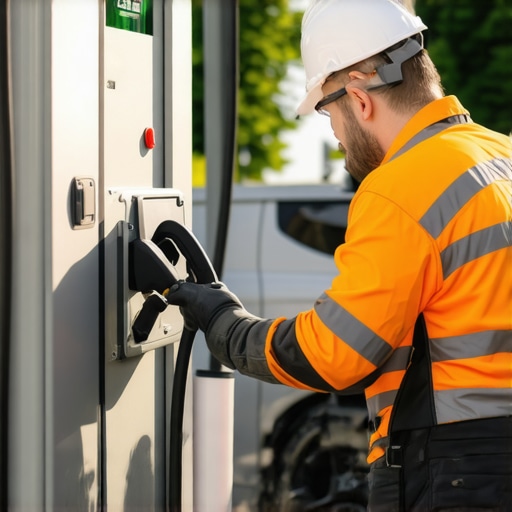
One evening, after a long day, I hurried to plug in my EV charger only to find it dead silent. The screen blinked, then went dark. Frustration simmered as I realized a simple mistake I made early on was now costing me precious time. That moment made me vow to learn everything I could about troubleshooting and ensuring reliable EV charging at home. If you’ve ever faced similar frustration, you’re not alone. Reliable electric setups don’t happen by accident—they’re a result of understanding key tips I’ve picked up through trial and error, and from trusted experts in the field.
Why Reliable EV Charging Should Be Top Priority for Homeowners
In today’s world, owning an electric vehicle is almost a necessity rather than a luxury. But if your Charger isn’t reliable, it can turn your eco-friendly choice into a constant headache. Imagine waking up to find your car’s battery is almost empty, but your charger simply won’t work. That’s not just inconvenient; it’s a safety concern and a waste of your investment. According to recent studies, nearly 30% of EV owners have experienced charging issues that disrupt their routines.
Understanding how to troubleshoot common problems isn’t just for tech-savvy electricians; it’s essential for any homeowner. I’ve learned that even small mistakes early in setup or maintenance can lead to bigger trouble later. For example, I once ignored the importance of proper grounding during my initial installation, which caused intermittent charging faults. The good news? With a bit of knowledge, most issues are fixable — and often faster than calling an electrician for every little hiccup.
Is DIY Troubleshooting Actually Worth the Hassle?
Many skeptics worry that tinkering with their EV charging station might do more harm than good. Initially, I made the mistake of trying to fix a wiring issue on my own, only to realize I was complicating an otherwise simple problem. It’s tempting to save money, but improper troubleshooting can pose safety risks. That’s why consulting trusted guides, like those found on expert repair tips, is invaluable. Remember, a small mistake today can lead to bigger safety hazards tomorrow.
In the sections ahead, I’ll walk you through practical, tested strategies to keep your EV charger reliable and safe. From diagnosing common faults to knowing when to call in a pro, you’ll gain the confidence to troubleshoot effectively — just like I did. Ready to start? Let’s dive into why paying attention to setup details makes all the difference.
,
Start with the Basics First
When your EV charger refuses to work, my first move was always to verify the power supply. Think of it like checking if your phone is plugged in—simple but crucial. I once found a tripped circuit breaker because I ignored the main disconnect during routine maintenance, which caused my charger to be dead. Always inspect your breaker panel for any switches flipped off or tripped—this is often the culprit before diving into complex wiring issues.
Check the Connection and Cables
Next, examine the physical connection. Loose or damaged cables are a common cause of charging faults. I recall a time I noticed my connector was slightly loose after a windy night; reseating the plug restored proper function. Make sure your cables aren’t frayed, cracked, or kinked. Use a multimeter to test for continuity if you suspect internal wire damage. This step is as straightforward as testing a light bulb before replacing a fixture.
Test the Outlet’s Voltage
Reliable charging depends on stable voltage levels. Use a voltage tester or multimeter to confirm your outlet supplies the correct volts, typically around 120V or 240V depending on your setup. I once faced intermittent charging because the outlet wiring was faulty, fluctuating voltage levels. By testing and confirming the voltage was within specs, I avoided unnecessary replacements. Remember, inconsistent power often stems from outdated wiring or poor connections, which might require a professional inspection.
Inspect Earthing and Grounding
Proper grounding is critical for safety and equipment longevity. Think of grounding like a safety net—it directs excess current away from your device. During my installation, I overlooked ensuring a solid ground connection. After consulting a trusted guide on safe and efficient setup, I corrected my grounding, which resolved my sporadic faults and improved safety. Use a tester or consult a professional if you’re unsure about grounding standards.
Evaluate the Charger and App Connections
If your charger connects via an app, ensure it’s updated and configured correctly. I once couldn’t initiate charging because of outdated firmware. Updating the app and rebooting the charger often fixes software issues that mimic hardware faults. For detailed steps on maintaining optimal performance, visit top maintenance tips.
Identify Internal Faults Carefully
If all external checks are clear but problems persist, internal faults may be to blame—like blown fuses or internal circuit failures. Sometimes, my own experience with faulty fuses was enough to resolve issues—replacing a blown fuse restored power. However, opening the charger involves risk; consult a professional if you’re not experienced with electrical components. Proper troubleshooting reduces hazards and prevents further damage.
Know When To Call a Certified Electrician
Complex issues or unfamiliar symptoms signal it’s time for the experts. For example, if your outlet tests fine but your charger still won’t power up, a licensed electrician can perform advanced diagnostics. They can verify wiring integrity, check potential grounding issues, and ensure code compliance. Remember, safety and compliance should never be compromised; visit contact us for professional guidance. When in doubt, trusting an electrician saves time, money, and peace of mind.
While many believe troubleshooting electrical issues is straightforward, the truth is far more nuanced. A common myth is that replacing components like fuses or outlets guarantees resolution, but often, the real problem lies deeper in wiring or grounding faults that are invisible without advanced testing. For example, some homeowners assume that if a socket is dead, the circuit breaker must be tripped, yet in reality, a loose connection or corrosion can cause intermittent faults that mimic breaker issues, leading to costly misdiagnoses. Experts emphasize that comprehensive testing, including voltage and continuity measurements, is essential to identify the root cause rather than just addressing surface symptoms. Rushing to replace parts without proper diagnostics can also introduce new hazards, especially if proper safety protocols are ignored during DIY fixes. This mistake can be costly; according to the National Fire Protection Association, electrical failures are the leading cause of home fires, often stemming from improper troubleshooting. Advanced troubleshooting techniques involve understanding load calculations, reviewing detailed wiring diagrams, and recognizing subtle signs like unusual buzzing or flickering lights—symptoms overlooked by many. For those considering DIY repairs, reviewing trusted resources like professional electrician advice is invaluable. Remember, complex issues often require specialized tools and expertise. Engaging qualified electricians not only ensures safety but also guarantees the problem is resolved efficiently, preventing costly future failures. Have you ever fallen into this trap? Let me know in the comments.
Keep It Running with Precision Tools
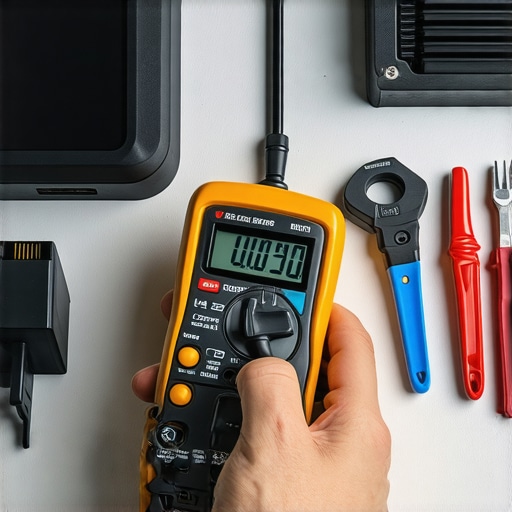
Maintaining your EV charging setup over time demands the right equipment. I personally rely on a high-quality digital multimeter, specifically the . Its accuracy allows me to swiftly detect voltage inconsistencies or wiring faults, which are often the root of charging issues. Unlike generic meters, the Fluke provides detailed readings that help me pinpoint problems before they escalate. Additionally, I keep a Clamp Meter handy for diagnosing current flow without disconnecting wires, a feature invaluable in complex setups. These tools save me time and ensure safety during maintenance tasks.
Leverage Software for Proactive Monitoring
Beyond physical tools, I utilize specialized software like EV charger monitoring apps. These applications connect via Wi-Fi or Bluetooth to your charger, providing real-time data on operation status, error logs, and energy consumption. By regularly reviewing this data, I proactively address potential issues, such as voltage drops or firmware glitches, before they lead to failure. Embracing these digital tools allows me to optimize performance and extend the lifespan of my charging station.
How do I maintain my EV charging station over time?
Consistent maintenance starts with regular inspections. I schedule quarterly checks using my multimeter to verify voltage levels and wiring integrity. Cleaning the charging port with a soft brush keeps corrosion at bay, especially in humid environments. Updating firmware through manufacturer apps ensures the software stays secure and bug-free, vital for reliable operation. Additionally, I test grounding connections annually, referencing standards outlined in NFPA guidelines. Combining these practices minimizes downtime and keeps your system running smoothly for years to come.
As the trend toward smart, connected electrical systems accelerates, integrating IoT-enabled diagnostics will become standard. Future innovations may include AI-driven predictive maintenance, alerting you to issues before they affect charging efficiency. Stay ahead by adopting current tools and preparing to upgrade your setup when these technologies emerge.
If you’re ready to take your maintenance game further, I recommend trying out a professional-grade clamp meter combined with monitoring software. Regular use of these tools will empower you to troubleshoot faster and ensure your EV charger remains dependable. Don’t forget—proper maintenance not only preserves your investment but also ensures safety. For detailed guidance on upgrading your tools or techniques, check out expert electrician advice and get started today!
What I Learned the Hard Way About Troubleshooting Your Home EV Charger
One of the most valuable lessons I uncovered is that many charging issues stem from overlooked details rather than major faults. I once thought a faulty charger was beyond simple fixes, only to discover that a tiny disconnected wire was the culprit. Small things like proper grounding or snug cable connections can save hours or even days of frustration. Never underestimate the power of a meticulous inspection; these lessons can prevent costly mistakes and keep your system running smoothly.
Another insight was realizing how often software glitches mimic hardware problems. Regular updates and resetting your charger through trusted guides ensures you don’t chase ghosts. Over time, I found that proactive software maintenance is just as essential as technical checks—think of it as caring for your car’s software updates to avoid sudden breakdowns.
Importantly, learning when to call a professional is key. I found that attempting complex repairs without proper tools or knowledge can do more harm than good. Trusting licensed electricians for internal faults, especially grounding or wiring issues, protects your safety and your investment, and often offers peace of mind that DIY can’t match.
Reading through this post really resonated with my own experience with EV chargers. I learned the hard way that ignoring grounding checks early on can lead to unpredictable issues! Like the author, I once faced intermittent faults that I couldn’t explain until I finally checked the grounding, which was loose. It’s surprising how such a small detail can make such a big difference in reliability and safety. What’s your take on incorporating regular software updates and hardware checks into routine maintenance? I’ve found that combining both proactive software management with periodic physical inspections greatly extends the lifespan of my charger. Has anyone experimented with smart diagnostic tools or IoT devices that alert you to issues before they become major problems? I’d love to hear about technologies or strategies others are using for smarter maintenance. It’s clear that a well-rounded approach not only saves money but also enhances safety and performance, especially as our systems become more complex.
Reading this post really hit home with me, especially the part about grounding and electrical safety. I had a similar issue when my charger started behaving erratically, and it turned out a loose ground connection was the culprit. It’s incredible how such a small oversight can cause big headaches. I’ve been trying to adopt a more proactive maintenance routine, including regular voltage checks and software updates, as you suggested. It’s also helped me to invest in some key diagnostic tools like a multimeter and a Wi-Fi-enabled monitoring system, which send me alerts if anything’s off. This kind of tech makes troubleshooting much easier and safer, especially for DIY enthusiasts. I wonder, do others find that integrating smart technology into their EV chargers actually reduces downtime and repairs? It would seem that being alerted early can avoid major problems. Also, for those who DIY, what’s your experience with balancing safety with cost savings? Would love to hear different approaches or recommended tools for maintaining reliability over time.
This post really struck a chord with me, especially the emphasis on grounding and proper wiring checks. I recall a time when my charger suddenly refused to work, and after some troubleshooting, I realized a loose ground connection was the culprit. It’s amazing how such a small detail can cause so many issues and safety concerns. Since then, I’ve started routine inspections and use a multimeter regularly to catch problems early. I’m curious, has anyone integrated smart diagnostic tools or IoT devices to monitor their EV chargers? I’ve been thinking about adding a Wi-Fi-enabled system that alerts me to voltage irregularities or connection issues before they turn into major problems. Do these tools genuinely save time and reduce repairs? It seems like a proactive approach can extend the lifespan of the equipment and ensure safety. I’d love to hear about your experiences with smart tech or any additional tips for maintaining reliable and safe home charging setups.