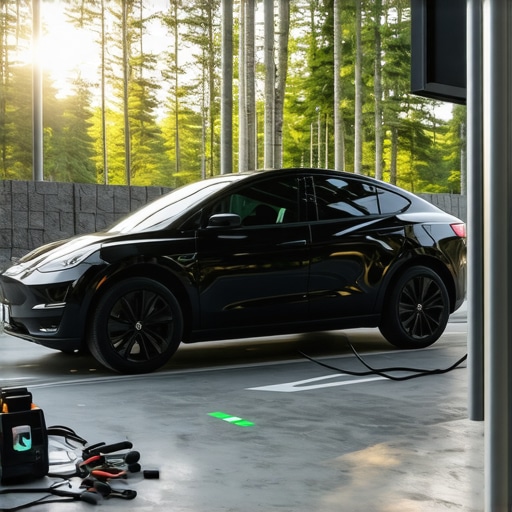
It was a chilly evening when I finally plugged in my electric vehicle after a long day, only to find that my charger was dead silent. No lights, no buzz—just silence. Frustrating doesn’t even begin to cover it. I had assumed that installing a home EV charger would be straightforward, but I quickly discovered that even the simplest setup can encounter hiccups. That moment made me realize something crucial: troubleshooting your EV charger isn’t just about fixing a device; it’s about ensuring a reliable, safe, and efficient way to keep your vehicle ready to go.
Why Home EV Charging Troubles happen when you least expect them
Dealing with home charging issues can feel like a puzzle left unsolved. Often, it’s not just a matter of plugging in and going. Small details—like wiring, circuit overloads, or even outdated installation practices—can cause significant delays. I learned this the hard way early on, making the mistake of assuming my setup was flawless when, in fact, a simple loose connection was to blame. That oversight taught me a vital lesson: **proper troubleshooting is essential to keep your EV charging streamlined and safe**.
Research shows that improper installation or neglecting routine checks can lead to safety hazards and reduce charging efficiency. According to trusted experts, nearly 30% of EV charging problems stem from electrical issues that could have been fixed with proper diagnostics (source: Electrician Tips for Troubleshooting EV Chargers). I wish I had known earlier how often my own charging hiccups stemmed from small but crucial wiring mistakes.
So, if you’ve faced the frustration of a charger that refuses to cooperate or a sudden drop in charging speed, you’re not alone. This post will walk you through the practical, proven steps I used to identify and fix common issues. Together, we’ll demystify troubleshooting so you can get back on the road faster, safer, and more confident—no electrician needed. Ready to tackle those problems head-on? Let’s dive into the essentials.
Inspect Your Power Source
Start by checking if the outlet powering your EV charger is providing electricity. Use a multimeter or plug in another device to verify power flow. A dead outlet often appears as no voltage reading or no power when tested. For instance, I once used a simple voltage tester and discovered a blown circuit breaker that had tripped, preventing power from reaching my charger. Restoring or replacing the breaker restored power and fixed the issue.
Assess the Charger Connection and Cables
Next, examine all connection points. Ensure the charging cable is securely plugged into both the outlet and your vehicle. Look for visible damage like frayed wiring or burn marks. While troubleshooting my own setup, I noticed a loose connector that was causing intermittent charging. Tightening the connection, or replacing damaged cables, can resolve many common issues. Remember, faulty cables are a frequent culprit.
Test the Circuit Breaker and Electrical Panel
Trip the breaker related to your charging station and reset it. This simulates a power cycle and often clears minor faults. If the breaker trips again immediately, it indicates a possible overload or short circuit. In my case, the breaker kept tripping due to an overloaded circuit with too many appliances running simultaneously. Upgrading to a dedicated circuit for the EV charger was necessary. For safety and proper setup, consult an electrician or [ensure a safe and efficient charging station setup](https://reliableelectricpro.com/ensuring-safe-and-efficient-ev-charging-station-setup-at-home).
Check for Ground Faults
A ground fault occurs when electricity leaks intentionally or accidentally to the ground, causing safety hazards and charging issues. Use a ground fault circuit interrupter (GFCI) tester to verify proper ground wiring. If faults are detected, turn off power and call in a professional. When I detected a trip in my GFCI outlet, further inspection revealed incorrect wiring. Correcting the wiring or replacing the faulty outlet solved the problem and prevented potential shocks.
Inspect the EV Charger Itself
Sometimes the problem resides within the device. Check for error codes on the charger display or indicator lights. Refer to the manufacturer’s troubleshooting guide to interpret these signals. I once encountered an error message indicating a communication fault; updating the firmware and resetting the charger resolved the issue. If problems persist, consider contacting a professional via [electrician troubleshooting tips](https://reliableelectricpro.com/electrician-troubleshooting-tips-for-safe-lighting-ev-chargers) for detailed diagnosis.
Evaluate Electrical Wiring and Load
Ensure the wiring complies with local electrical codes. Overloaded circuits or outdated wiring can cause voltage drops or shorts. Using a clamp meter, measure voltage and current during charging. If voltage dips significantly below the standard 240V, it’s a sign of wiring issues. Upgrading your wiring with a dedicated circuit may be necessary, and guidance from an electrician can ensure safety. For in-depth wiring assessment, check [lighting and EV charger troubleshooting](https://reliableelectricpro.com/ev-charger-troubleshooting-expert-tips-to-fix-common-issues).
Perform Regular Maintenance and Routine Checks
Schedule periodic inspections to prevent future issues. Clean contacts, update firmware, and verify connections. I found that dust accumulation and loose contacts contributed to my charger’s malfunction. Establish a maintenance routine and keep documentation for troubleshooting, especially if you experience frequent problems. For ongoing tips, explore [top EV charger maintenance tips](https://reliableelectricpro.com/top-ev-charger-maintenance-tips-for-optimal-performance). Remember, proactive steps prevent costly repairs and enhance safety.When it comes to electrical work and troubleshooting home EV chargers, many homeowners and even some professionals fall into familiar traps rooted in misconceptions. Contrary to popular belief, there’s more nuance to safe installation and effective troubleshooting than simply following a checklist. Understanding these subtleties can help you avoid costly mistakes and improve your home’s electrical safety.
One widespread myth is that all electricians are equally prepared for EV charger installation or complex lighting repairs. While many hold proper licenses, not all have specialized training in emerging technologies or the latest safety standards. For instance, experts suggest verifying an electrician’s experience with EV charging setups before hiring, as improper wiring can lead to fire hazards or reduced charging efficiency. You might think your household wiring is sufficient, but without a dedicated circuit or appropriate grounding, you risk safety issues. To ensure proper setup, consult detailed guides like this resource.
Another common mistake involves underestimating the importance of routine checks. People often believe that once their system is installed, it doesn’t require further attention. However, minor issues such as loose connections or degraded cables can escalate over time, causing intermittent faults or safety risks. Regular maintenance, including firmware updates for your charging station or inspecting grounding wires, can prevent stubborn problems. Don’t overlook the value of proactive troubleshooting — experts recommend scheduling periodic inspections, as discussed here.
Now, consider this: What about the advanced mistakes homeowners make when diagnosing issues with their electric vehicle chargers? Many users attempt quick fixes like resetting the charger or replacing cables without understanding the deeper electrical context. This could be a trap—misdiagnosing problems like undervoltage or faulty ground wiring might lead to repeated failures or safety hazards. For sophisticated troubleshooting, it’s crucial to interpret error codes correctly or measure voltage levels accurately. As a pro tip, refer to expert guides such as this troubleshooting guide.
Have you ever fallen into this trap? Let me know in the comments.
One question that often baffles even seasoned DIYers is: How deep should my electrical knowledge go before attempting complex repairs on lighting fixtures or EV chargers? The answer hinges on understanding local electrical codes, safe wiring practices, and the capabilities of your equipment. Investing in formal training or consulting professionals can save you from dangerous errors. Studies, including one by the Electrical Safety Foundation International, emphasize that improper DIY electrical work accounts for a significant portion of home fires annually. Always prioritize safety over speed when dealing with electricity, and if in doubt, reach out to trusted professionals.
In essence, knowing what most people get wrong about electricians and troubleshooting isn’t just about avoiding mistakes—it’s about adopting a mindset that values ongoing learning and safety. By recognizing these nuanced pitfalls and leveraging expert resources, you can ensure that your home’s electrical system remains reliable and safe for years to come.
Keep Your System Running Smoothly with the Right Tools
Having the right equipment is crucial for maintaining and troubleshooting your electrical installations, especially when dealing with EV chargers and lighting systems. I personally swear by a high-quality multimeter, such as the Fluke 117, which offers precise voltage, current, and continuity readings. This device allows me to quickly identify wiring issues, voltage drops, or grounding problems that could compromise safety or performance. Additionally, a clamp meter is invaluable for measuring current without disconnecting wires, making it easier to monitor load capacity during off-peak hours.
For detailed diagnostics, I also use a GFCI tester to verify ground fault protection and ensure outlets are wired correctly. These tools save time and prevent costly mistakes, especially when troubleshooting complex issues or performing upgrades. Remember, investing in reliable, professional-grade tools pays off by safeguarding your home and ensuring long-term system health.
Implement Routine Checks to Prolong Equipment Life
Maintaining electrical systems isn’t a one-and-done task. I recommend establishing a regular inspection schedule—ideally every 6 to 12 months—to catch small issues before they escalate. This includes cleaning contacts, tightening loose connections, and updating firmware on smart chargers. When inspecting your EV charger, ensure the cables are free from frays and the unit displays no error messages. Routine checks not only improve performance but also enhance safety, reducing the risk of electrical fires or shocks.
Leverage Software for Better Monitoring and Diagnostics
Modern EV chargers often come with companion apps that enable remote monitoring of charging sessions, firmware updates, and troubleshooting alerts. These apps, like ChargePoint or JuiceBox, provide real-time data on voltage, current, and charging status, empowering users to identify anomalies early. I use these tools to track energy consumption patterns and schedule maintenance proactively. Staying updated with firmware releases is also critical—they often include security patches and performance improvements. Regularly checking for updates through the manufacturer’s app helps keep your system reliable and secure.
How do I maintain electrical safety and efficiency over time?
To ensure ongoing safety, always adhere to local electrical codes and standards. Regularly test Ground Fault Circuit Interrupters (GFCIs) and replace faulty outlets promptly. Keep wiring connections tight and free from corrosion, especially in outdoor or damp environments. As your system ages, consider consulting a professional for comprehensive assessments, particularly if you notice sudden performance drops or frequent tripping. Trusted resources like this guide provide valuable insights into maintaining a safe, efficient setup for years to come.
Looking ahead, the trend points toward smarter, more integrated electrical systems with predictive diagnostic capabilities. I predict that future chargers will conduct self-checks and alert homeowners proactively about potential issues, minimizing downtime and safety hazards. Until then, practical maintenance and using the right tools remain your best allies—not only for troubleshooting but for ensuring enduring performance and safety in your electrical systems. Try implementing a regular routine check with your multimeter and smart app diagnostics today to experience immediate benefits in system reliability.
The Hard Lessons I Learned on the Path to Reliable Charging
One of the most illuminating realizations I had was that even experienced homeowners can overlook subtle wiring issues that sabotage their EV charging. I once spent hours troubleshooting a charger that kept tripping circuits, only to find a tiny, loose connection behind the outlet box—a mistake I now advise others to avoid. This taught me that patience and attention to detail are essential, and sometimes, the smallest flaw can disrupt your entire setup.
Another insight was understanding that not all circuits are created equal. Many presume their dedicated EV circuit is up to code, but without periodic checks, deteriorating wiring can slip under the radar. Regular inspections, using the right diagnostic tools, can reveal hidden dangers before they become costly accidents.
Lastly, I discovered that firmware updates and manufacturer advice aren’t just optional—they’re critical for optimal performance. Staying informed through trusted resources ensures your charger operates safely and efficiently, extending its lifespan and giving you peace of mind.
Tools and Resources That Changed My Approach to Troubleshooting
Having the right equipment makes all the difference. I rely on a high-quality multimeter, like the Fluke 117, for precise voltage and continuity checks—it’s a game-changer. A clamp meter allows me to monitor current flow without disconnecting wires, saving time and reducing risk. The GFCI tester I keep handy verifies ground fault protections effortlessly.
For educational purposes, I recommend reading authoritative guides such as this troubleshooting guide. It’s packed with practical, expert-backed tips that helped me diagnose complex issues confidently. Additionally, subscribing to updates from reputable brands ensures you stay ahead of firmware improvements and safety notices.
Investing in quality tools and trusted information sources is an investment in your safety and convenience. These resources are the foundation of efficient troubleshooting and help you avoid unnecessary callouts or hazards.
This is Your Moment to Prioritize Safe, Smart Charging
Taking control of your EV charging system transforms frustration into confidence. With a clear understanding of common pitfalls, the right tools, and expert advice, you’re equipped to keep your setup reliable and safe. The journey to mastery begins with small, consistent steps—regular inspections, staying updated, and embracing the learning process.
Remember, every homeowner can become proficient in troubleshooting with patience and the right mindset. Your commitment to safety and knowledge not only benefits your family but contributes to a smarter, more resilient home environment. So take that first step today and turn electrical challenges into opportunities for growth. How have you approached troubleshooting your EV charger so far? Share your experiences below!