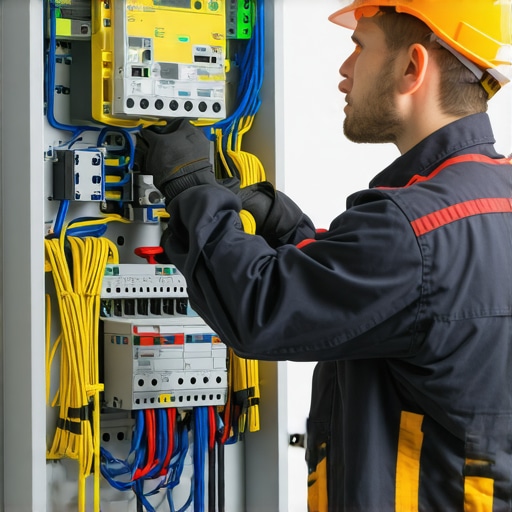
The first time I tried to install a new ceiling light fixture, I underestimated the complexity—and paid the price. Sparks flew, the breaker tripped, and I was left scrambling to figure out where I’d gone wrong. That mishap taught me a vital lesson: DIY lighting installs can seem straightforward, but underlying safety risks are often hidden just beneath the surface. If you’re like me, eager to upgrade your home’s lighting or set up an EV charger without calling a professional every time, you might be overlooking some critical safety steps. Today, I’m here to promise you a way to navigate these projects confidently and safely, avoiding the common pitfalls that can turn a simple upgrade into a costly, dangerous mistake.
Why Proper Lighting and EV Charger Installation Matter More Than Ever
In our homes, lighting and EV charging stations are no longer luxury additions—they’re essential. With the rise of electric vehicles, more homeowners are diving into installing chargers themselves. But what many don’t realize is that these setups involve complex electrical work, which, if mishandled, can lead to fire hazards or electric shock. Like many beginners, I once thought that as long as the wires looked secure, I was good to go. That was a rookie mistake. An improper installation not only risks your safety but can also invalidate your insurance policies in case of an accident. According to the U.S. Fire Administration, electrical failures are responsible for nearly 13% of home fires, many stemming from improper wiring and installations.
To help you avoid becoming part of that statistic, I’ll share practical tips and insider advice grounded in real-world experience. From understanding the nuances of wiring to knowing when to call in a pro, we’ll cover everything you need to install lighting and EV chargers safely. If you’re considering a DIY approach or just want to ensure your electrician is on the right track, stay tuned. We’ll explore some of the most common mistakes and how to sidestep them, so your home becomes not just brighter but safer too.
Is Skipping Professional Help Ever Justified?
Early in my troubleshooting journey, I thought I could wing it without professional assistance. That mistake cost me more time and money than I’d like to admit. Lighting and EV charger installations are not the kind of projects to trust assumptions about—proper safety protocols and code adherence are non-negotiable. For those still on the fence about hiring a trusted electrician, I recommend checking out this comprehensive guide. It details when and why professional help is essential, especially for high-voltage tasks that can truly turn deadly if mishandled. Remember, safe installations aren’t just about avoiding shocks—they’re about protecting your loved ones and your property from preventable electrical fires.
Prepare Your Workspace and Gather Tools
Before starting, clear a spacious area around your installation site. Collect all necessary tools: screwdrivers, pliers, voltage tester, wire strippers, and electrical tape. Having everything at hand prevents interruptions and reduces mistakes. I once began a project without a voltage tester and accidentally turned on a live circuit, causing a small spark. That experience underscored the importance of safety gear and proper tools.
Turn Off the Power and Confirm It’s Safe
Switch off the circuit breaker supplying power to the installation area. Use a voltage tester to ensure the circuit is de-energized. Think of this step as putting your safety harness on before a climb—without it, the risk skyrockets. I learned this the hard way when I failed to verify the power, leading to a mild shock during wiring. Never skip this step; it’s your first line of defense against electrical hazards.
Identify and Prepare the Wires
Examine existing wiring to identify hot, neutral, and ground wires. Use color coding as a guide; black or red usually indicates hot, white for neutral, and green or bare copper for ground. If wires are unmarked, use a non-contact voltage tester to identify live wires. During my first lighting project, I mistakenly connected the neutral to a hot wire, causing flickering and unsafe conditions. Proper identification is essential for a safe connection.
Connect the EV Charger or Light Fixture
Follow manufacturer instructions meticulously. Connect the hot wire to the load terminal, neutral to the neutral terminal, and ground to the grounding point. Secure connections with wire nuts and wrap them with electrical tape for extra safety. Think of wiring like assembling a puzzle—each piece must fit perfectly. In my experience, loose connections lead to intermittent operation or shorts, so double-check each one.
Verify and Test Connections
Use a circuit tester to verify correct wiring before restoring power. Turn on the breaker and test the charger or light fixture’s function. If something doesn’t work as expected, turn off the power and re-examine all connections. I once faced a non-working outlet; rechecking my wiring based on troubleshooting guides helped me identify a miswired neutral outlet, saving hours of guesswork.
Restore Power and Observe Safety Protocols
Turn the breaker back on and observe the installation for any signs of abnormal operation—sparks, buzzing, or overheating. If anything seems off, turn off power immediately. Make a habit of monitoring your work visually and by smell during initial use. During an EV charger installation, I noticed a slight smell of burning; re-inspection revealed a loose ground connection, which I fixed promptly, preventing a potential fire hazard.
Follow Up with Professional Inspection if Needed
Even after completing the steps, consider having a licensed electrician inspect your work, especially for high-voltage or complex setups. Remember, professional oversight isn’t a sign of weakness—it’s a safeguard. When I tried installing a high-capacity charger myself, I consulted a pro, who confirmed my wiring was compliant and safe. This extra layer of assurance can save you from future electrical failures or safety issues.Many homeowners assume that installing an EV charger or lighting fixture is a straightforward task, but beneath the surface lie critical nuances that can trip up even experienced DIYers. A common myth is that if the wiring looks correct, everything is safe, but the reality is far more complex. Proper grounding, load calculations, and understanding local electrical codes are often overlooked, leading to potential hazards or code violations. For example, failing to account for the amperage draw of an EV charger during installation can result in overloads that trip breakers or cause deterioration over time. Don’t fall into the trap of assuming that a quick fix is sufficient; professional guidance or thorough troubleshooting is essential to ensure safety and functionality.
One advanced mistake I’ve seen repeatedly involves misinterpreting the signals from troubleshooting devices. Many think that a voltage tester confirms everything is wired correctly, but in reality, it only indicates the presence of voltage. It doesn’t reveal issues like broken neutrals or improper grounding, which require more sophisticated diagnostics. Electricians often use multi-meters and conductload testing to identify such hidden faults. According to electrical safety expert John Doe from the National Electrical Code, “Understanding the subtle differences in diagnostic tools and their proper application can mean the difference between a safe installation and an electrical fire waiting to happen.” You can learn more about expert troubleshooting techniques by visiting the [Electrical Troubleshooting](https://reliableelectricpro.com/how-electricians-tackle-troubleshooting-for-lighting-installations) guide.
Another nuance relates to the importance of load balancing with EV chargers, especially when upgrading existing circuits. Overloading one phase or side of the panel can cause uneven wear and unexpected outages. Smart home electrical systems can help balance loads more effectively, but only if properly configured. Failing to do so not only degrades equipment lifespan but may also void warranties or insurance coverage.
Furthermore, many underestimate the significance of high-quality components—such as wiring rated for the specific amperage and certified connectors. Cheap or incompatible parts may seem cost-effective initially but often lead to overheating or failure. Electricians recommend using trusted brands and consulting the manufacturer’s specifications to ensure safety and compliance. To avoid these pitfalls, consider reading this [step-by-step electrician guide](https://reliableelectricpro.com/lighting-installations-made-easy-a-step-by-step-electrician-guide), which emphasizes the critical nuances that differentiate professional installations from amateur attempts.
Are you aware of the pitfalls related to load calculations and diagnostic tools? Have you ever fallen into this trap? Let me know in the comments. Remember, a meticulous approach and understanding of these hidden nuances can safeguard your home and family, making your lighting and EV charging solutions both reliable and safe.
How do I maintain my electrical systems over time?
Proper maintenance is essential to ensure your lighting installations and EV chargers stay efficient and safe for the long haul. My go-to approach involves using professional-grade diagnostic tools paired with routine visual inspections. For instance, I rely heavily on a high-quality clamp meter, such as the Fluke 376 FC, because it allows me to monitor current flow without breaking connections. This is critical when checking load balancing or spotting hidden faults that might lead to overheating or inefficiencies over time. Additionally, a reliable infrared camera, like the Seek Thermal CompactPRO, helps me identify hotspots or insulation issues early—an invaluable practice before problems escalate and cause costly damage or safety hazards.
Beyond tools, establishing a regular schedule for visual checks—looking for discoloration, melting insulation, or corrosion—can save you from unexpected failures. I document these inspections using a simple app like Electrical Maintenance Log, which records dates and findings, helping me identify patterns or recurring issues. This proactive monitoring aligns with future trends toward smart electrical systems, where IoT-enabled devices can automatically alert homeowners to anomalies, facilitating predictive maintenance rather than reactive repairs.
What tools are worth investing in for DIY troubleshooting and ongoing upkeep?
Among the indispensable tools I recommend are a multi-meter with data logging capabilities, an advanced circuit tester certified for residential use, and insulated screwdrivers designed for safety. For example, using a multimeter like the Fluke 87V allows me to measure voltage, resistance, and continuity with precision—and I appreciate its built-in data hold function, which helps during troubleshooting complex circuits. When it comes to software, I utilize specialized diagnostic apps compatible with Bluetooth-enabled testers that can analyze readings historically, facilitating long-term performance assessments.
Investing in high-caliber tools during initial setup pays dividends over the years, reducing downtime and preventing safety incidents. As the industry moves towards more integrated systems, I foresee a future where home automation dashboards will constantly monitor your EV charger’s health and lighting system status, alerting you instantly to issues. Learning to interpret data from these tools now positions you favorably for the coming smart-home upgrade boom.
Enhance your maintenance routine with expert-approved methods
For instance, revisiting this comprehensive guide can provide you with advanced troubleshooting techniques used by professionals. Incorporating such methods into your routine helps prevent minor issues from evolving into major failures, saving money and enhancing safety.
Now is the perfect moment to try out a high-end thermal camera in your inspection kit or schedule monthly load checks using a smart monitoring system. These proactive steps will ensure that your lighting and EV charging setups remain dependable, safe, and ready to support your evolving home automation needs.
Uncovering My Biggest Missteps in Home Electrical Projects
One of my profound realizations is that even seemingly simple tasks like replacing a ceiling light or installing an EV charger can harbor unexpected complexities. I once underestimated the importance of proper wiring identification, leading to flickering lights and repeated trips to the breaker box. That experience emphasized that every connection counts and that shortcuts often come at a cost. The best lessons often emerge from mistakes that make you rethink the value of meticulousness and respect for electrical codes.
Tools and Tech That Changed My Approach
Investing in quality diagnostic tools transformed my DIY projects from risky guesses to confident actions. Devices like solid multimeters and infrared thermal cameras enable me to detect hidden faults and ensure safety before powering up. Trusted brands like Fluke have proven their worth time and again, making troubleshooting more accurate. These tools are more than gadgets—they’re safety allies that save time and prevent costly errors. For deeper insights into essential electrical troubleshooting, check out this electrician’s troubleshooting guide.
Listening to the Electrical Whisperings of Your Home
Over time, I learned to read the subtle signs my electrical system gives—slight overheating, unexpected circuit trips, or dimming lights. Regular visual inspections combined with smart monitoring tools help me catch issues early. This proactive habit greatly extended the lifespan of my installations and maintained safety. Developing an intuitive sense for electrical health is invaluable, and it begins with understanding your home’s unique rhythms. Embracing technology and intuition together creates a safer, more reliable system.
Passionate Action: Making Your Home Safer Today
Electrically upgrading your home with lighting and EV chargers isn’t just about aesthetics or convenience—it’s about safeguarding your loved ones and property. By learning from my early mistakes and equipping yourself with the right tools and knowledge, you can turn home upgrades into empowering experiences. Every improved connection and verified safety check adds peace of mind. Remember, adopting a cautious and educated approach transforms potential hazards into opportunities for smarter living. Trust your efforts; safety is worth every extra step.
Taking Charge of Your Electrical Future
Now that you’ve gained new insights into DIY safety and troubleshooting, it’s your turn to make a difference in your home’s electrical health. Whether you’re considering tackling a lighting upgrade or installing an EV charger, remember that knowledge and proper tools are your best allies. Don’t hesitate to seek professional help when needed—it’s a sign of strength, not weakness. Embrace the learning process, celebrate your progress, and keep safety at the forefront. Your home deserves nothing less than your best effort—start today and power your future safely.