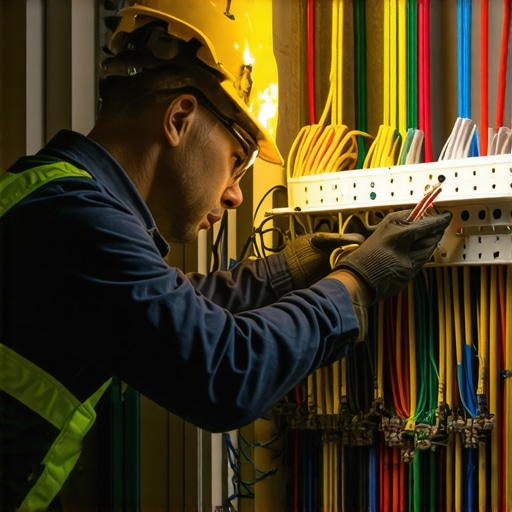
I’ll never forget the late evening when I tried to fix a flickering light in my living room, only to realize I had no idea where the main breaker was hidden — or how dangerous it could be if I messed up. That frustrating moment made me realize something crucial: safely troubleshooting electrical wiring and lighting isn’t just for professionals—it’s a vital skill every homeowner should develop. But where do you start, and how can you avoid potentially hazardous mistakes? Today, I’ll share practical, expert-backed tips to help you troubleshoot electrical issues confidently, without risking your safety or causing further damage.
Why Proper Troubleshooting Can Save You From Big Hazards
Understanding how to diagnose and fix wiring or lighting problems can feel daunting. A wrong move might lead to electrical shocks, fires, or costly damages. Early in my journey, I made the mistake of assuming a simple fuse was the culprit, only to find out I’d ignored a underlying wiring fault that was lurking behind the wall. According to the U.S. Fire Administration, electrical failures and malfunctions are responsible for thousands of home fires each year—many caused by amateur fixes gone wrong. This emphasizes the importance of knowing what you’re doing and when to call in a professional.
Are DIY Fixes Truly Worth the Risk?
Many homeowners think that quick fixes or following online tutorials can solve electrical issues. I used to believe that too—until I learned the hard way that electrical troubleshooting isn’t a DIY job for everyone. A small mistake, like not turning off the power correctly, can lead to serious injury. For a safe and thorough approach, sometimes it’s best to consult trusted electricians. If you’ve ever had doubts about your safe handling skills, visit this contact page to find professional help nearby.
In the next sections, I’ll walk you through essential safety precautions and practical troubleshooting steps so you can address common electrical issues with confidence and care. Ready to become a smarter, safer homeowner? Let’s dive into the core techniques that keep your home safe while resolving your wiring and lighting woes.
Cut Power Before Starting Your Troubleshooting
Never work on live circuits. Turn off the breaker supplying power to the area you’ll be working on. I recall a time when I was troubleshooting a flickering light and almost forgot this crucial step; luckily, I remembered just in time, avoiding a potentially dangerous shock. Use the main breaker if necessary, and verify that power is off with a voltage tester before proceeding. This simple step is your first safeguard against electrical accidents.
Gather Essential Tools and Knowledge
Have a multimeter, insulated screwdrivers, and a flashlight ready. Think of troubleshooting like repairing a car engine: you need the right set of tools and a good understanding of how the system works. Watching the troubleshooting guide here gave me insights into reading voltage and resistance correctly. Familiarity with your home’s wiring diagram helps identify potential faults faster, turning guesswork into targeted action.
Identify and Isolate the Problem Step-by-Step
Check the Power Source
Start by confirming the power supply is working. Test outlets and switches with a multimeter. I once found a tripped GFCI outlet in my kitchen that was causing a light flicker—resetting it solved the issue. If the outlet or circuit breaker is faulty, replace or repair them before proceeding further. For complex setups like EV chargers, ensure the station is receiving consistent voltage; consult expert tips for thorough guidance.
Inspect Wiring Connections
Loose or damaged wires are common culprits. Carefully remove the switch or outlet cover, and check for burned, frayed, or loose connections. Use insulated tools to tighten screw terminals; avoid leaving any wire exposed. Remember, a loose connection can imitate more serious faults, so secure everything properly. During my last fix, a loose wire was causing intermittent power, but tightening it restored stable operation.
Test Components Individually
Use the multimeter to test switches, outlets, and light fixtures for continuity. If these parts pass tests but the issue persists, the problem may be embedded within the wiring or the main circuit. For troubleshooting EV chargers, focus on the wiring harness and connector integrity. Learn more about such detailed diagnostics from guides like this ultimate troubleshooting guide.
Repair or Replace Faulty Parts
Once the faulty component is identified, replace it with a compatible part—preferably OEM or quality equivalents. For lighting fixtures, a new bulb or ballast might do the trick. For wiring issues, consider upgrading to heavier gauge wire if needed. I replaced an old dimmer switch with a modern model that supports smart controls, improving both safety and functionality. Always double-check your work before restoring power.
Restore Power and Test the System
Switch the breaker back on and test the affected circuit. Observe for proper operation—lights should turn on steadily, and devices should function without flickering or interruptions. If problems persist, retrace your steps or contact a professional. For complex installations like EV chargers, it’s wise to consult expert electricians to ensure everything complies with safety standards.
Document and Prevent Future Issues
Keep a record of what you repaired and note any recurring problems. Regular inspections can prevent serious faults—consider scheduling routine checks especially for high-use systems like lighting and chargers. In my experience, preventative maintenance with occasional professional checks extends the lifespan of electrical components and keeps your home safe.
Even seasoned electricians can fall prey to misconceptions that hinder effective troubleshooting or lead to safety hazards. One widespread myth is that all electrical issues are straightforward and can be fixed with a simple online tutorial. However, electrical systems are complex, and superficial fixes often mask underlying problems, which, if overlooked, can compromise safety or cause subsequent damage. As I’ve learned through experience, diagnosing electrical faults requires nuanced understanding—not just basic tool usage. Rushing into repairs based on assumptions can cause the very issues you aim to solve. For instance, some believe that replacing a faulty switch or outlet is always sufficient, yet the root cause could be a damaged wire or a faulty breaker elsewhere in the circuit. Ignoring such intricacies may result in recurrent issues or dangerous situations. During EV charger troubleshooting, many assume that a blinking indicator light indicates a simple network error, but in reality, it might point to wiring faults or inadequate grounding that requires professional intervention. Recognizing and addressing advanced wiring nuances can prevent costly repairs and elevate safety standards.
What Are the Subtle Signs You’re Overlooking a Critical Wiring Issue?
Let’s dig into subtle signs that your electrical system might be more complicated than it appears. Frequent flickering lights, persistent tripping of circuit breakers under light loads, or outlets that feel warm to the touch indicate deeper wiring problems. These issues are often dismissed as minor inconveniences but can signal severe faults like loose connections or insulation degradation. A common mistake is to treat these symptoms with quick fixes—changing bulbs or resetting breakers—without inspecting the wiring. For a thorough diagnosis, understanding how to measure resistance and continuity with proper tools is essential. Invest in learning advanced troubleshooting techniques, such as verifying proper grounding and bonding, which are critical for safety especially when installing high-powered devices like EV chargers. According to electrical safety standards outlined by the National Fire Protection Association, neglecting these nuances increases the risk of fires and electric shocks. To avoid falling into superficial fixes, consider consulting experts who are trained to recognize these hidden issues and implement comprehensive solutions. Want to explore more about how to identify hidden wiring faults? Check detailed guidance on electrical fault troubleshooting.
Stay vigilant—assuming all wiring problems look the same can lead to dangerous oversights. Ensuring your electrical setup is safe and reliable involves not just fixing what’s obvious but understanding the complex nuances that underpin secure operation. Have you ever fallen into this trap? Let me know in the comments.
Keep It Working with the Right Tools and Techniques
Maintaining a safe and effective electrical system at home hinges on having the right tools and a disciplined approach. Over years of experience, I’ve found that certain equipment not only streamlines troubleshooting but also significantly enhances safety and long-term performance.
Invest in a Quality Multimeter and Know Its Use
A reliable multimeter is the cornerstone of electrical diagnostics. I personally prefer digital multimeters with auto-ranging features because they save time and reduce user error. A good multimeter allows you to measure voltage, current, and resistance precisely, enabling you to quickly identify wiring faults or faulty components, especially when troubleshooting complex systems like EV chargers or lighting circuits.
Moreover, understanding how to interpret multimeter readings is crucial. For instance, measuring resistance across a switch can confirm its operational status, while verifying voltage levels ensures your wiring receives proper power. Consistent use of this tool is key to preemptively catching issues before they escalate.
Use Insulated Screwdrivers and Voltage Testers
Safety should always come first. I recommend insulated screwdrivers with ergonomic grips for secure handling, preventing accidental short circuits during work. Before touching any wires or terminals, always verify that the power is off with a non-contact voltage tester. Regularly checking your testers for reliability, as recommended by electrical safety standards, ensures accurate readings and protects you from shocks. Integrating these tools into your routine minimizes risks and guards your home’s wiring health.
Adopt a Systematic Troubleshooting Method
Beyond tools, a methodical approach makes the process manageable and effective. Break down the issue step by step—start from the power source, then inspect connections, and verify individual components. Document your findings along the way. This meticulous process aids in diagnosing recurrent problems and planning long-term maintenance. For example, when dealing with lighting that flickers intermittently, systematically checking wiring connections and testing switches can reveal hidden faults that simple bulb replacements can’t fix.
Regularly reviewing recent diagnostic data helps identify patterns, facilitating predictive maintenance. As the trend in electrical work moves toward smarter homes, integrating diagnostic apps compatible with multimeters can offer insights and logs for future reference. Technologies that allow remote monitoring are on the rise, promising even greater reliability and ease of maintenance in coming years.
How Do I Maintain My Electrical System Over Time
Consistent maintenance involves periodic inspections, cleanup, and testing. Schedule professional checkups annually or after significant electrical work. Keep tools calibrated and easily accessible. When installing new devices like EV chargers, carefully follow manufacturer instructions and local codes—reliable information can be found in technical guides such as this detailed setup guide. Additionally, staying informed about safety standards, like the National Electrical Code, helps adapt your practices to emerging requirements. By proactively monitoring and maintaining your electrical systems, you ensure safety, efficiency, and longevity.
As electricity becomes even more integrated into daily life, the importance of skilled troubleshooting with the latest tools will only grow. Test out a multimeter with an auto-ranging feature today; it’s a game-changer that makes diagnosing electrical issues faster and safer. And remember, when in doubt, don’t hesitate to reach out to a professional—your safety and the health of your home depend on it. For specialized support, contact trusted electricians near you.
Throughout my years working on electrical systems, I’ve faced surprises that challenged my assumptions and shaped my approach to troubleshooting. One of the most valuable lessons I learned was the importance of never rushing to fix symptoms without understanding their root cause. Sometimes, what looks like a simple bulb flicker hides a more complex wiring issue that can compromise safety if overlooked.
What I Wish I Knew Before Jumping Into Repairs
- Patience Pays Off: Taking the time to methodically test each component prevents repetitive failures and keeps your home safe. Rushing might seem efficient but often leads to overlooking hidden faults.
- Trust the Data, Not Just the Visual Clues: Using a multimeter to verify voltage and resistance can reveal issues that eyes can’t see. I’ve learned that relying on concrete measurements reduces guesswork and improves accuracy.
- Not All Faults Are Equal: What appears as a wiring problem could be a faulty breaker or a poor connection. Recognizing this saves time and money, especially when consulting a professional.
- Know When to Call in Reinforcements: Sometimes, the safest move is to consult expert electricians. Their experience with complex wiring faults or EV charger issues is invaluable. If you’re unsure, visiting this contact page can connect you with trusted pros.
- Remember Safety Is Non-Negotiable: Always shut off power before troubleshooting, verify with tools, and double-check your work. Your safety and the integrity of your home depend on disciplined habits learned early in my journey.
My Go-To Resources That Elevate My Skills
- ReliableElectricPro’s Troubleshooting Guides: Their step-by-step instructions and safety tips are a solid foundation for both DIYers and professionals. I trust them because they emphasize safety and clarity.
- Electrician-Approved Tools: A quality multimeter with auto-ranging features has been a game changer for me. Reliable tools make complex diagnostics more manageable.
- Technical Standards and Codes: Staying updated with the latest NEC guidelines helps prevent code violations and safety hazards. Reading these has deepened my understanding of proper wiring practices.
- Community Forums and Expert Blogs: Connecting with experienced electricians online provides fresh perspectives and solutions I might not have considered. They often share practical tips you won’t find in manuals.
Take Charge and Keep Growing
Embarking on electrical troubleshooting might seem intimidating at first, but remember that every problem solved enhances your confidence and safety. Start with small projects, utilize trusted resources, and don’t hesitate to seek professional help when needed. As the electrical systems in our homes become more integrated and complex, honing your troubleshooting skills is more important than ever. Want to learn more about making your electrical system safer and more reliable? Explore the expert testing and troubleshooting tips here to continue your journey toward a safer home.
How has your experience with electrical troubleshooting shaped your confidence? Share your stories or questions below—I’d love to hear from you!
,
Reading through this detailed guide on troubleshooting electrical wiring and lighting really resonates with my experience as a DIY enthusiast. Safety first has always been my mantra, especially since I once nearly touched a live wire while trying to fix a faulty switch. I agree wholeheartedly with the importance of cutting power before starting any work—it’s the simplest yet most vital step that can prevent serious accidents. I also found the tip about using a multimeter invaluable; understanding how to interpret the readings helps pinpoint issues more accurately instead of guessing. One thing I’d add is that maintaining good documentation of your electrical systems can save a lot of time during troubleshooting. Keeping a wiring diagram or record of recent repairs makes it easier to track recurring problems or identify potential weak points. How do others keep track of their home’s wiring system? Do you have any tips for organizing or storing this information effectively?