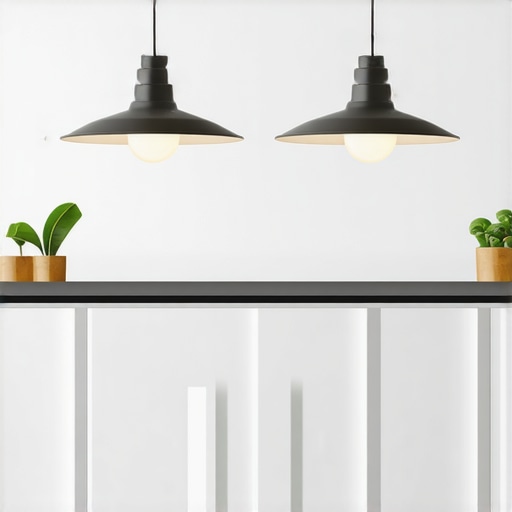
The Deceptive Beauty of the 2026 Kitchen
You’ve seen the renders: sleek quartz, matte black hardware, and those oversized, hand-blown glass pendant lights dangling over a massive island. It looks like a sanctuary, but as an electrician who has spent decades diagnosing the sins of DIYers and cut-rate contractors, I see something else. I see a high-load environment being shoe-horned into infrastructure that was never meant to handle the amperage of 2026 technology. Most of these kitchens are being built into homes from the 1970s, where the skeleton is brittle and the brain—the load center—is a primitive relic. I walked into a ‘fully renovated’ kitchen last month where the flipper had buried live junction boxes behind a designer tile backsplash. I found them with my tracer because the owner complained of a faint buzzing sound behind the stove. That ‘renovated’ kitchen was a death trap waiting for one loose neutral to start a fire. If you’re planning a kitchen upgrade, don’t let the aesthetics blind you to the physics of failure.
1. The Cold Creep Catastrophe: Mixing Modern Pendants with Mid-Century Aluminum
If your home was built between 1965 and 1975, there is a high probability your branch circuits are wired with solid aluminum. This is the ‘Time Bomb’ scenario. Most homeowners buy a high-end pendant light and think they can just wire-nut it into the existing ceiling box. They are wrong. Aluminum has a specific physical property called ‘Cold Creep.’ When electricity flows, the wire heats up and expands. Because aluminum expands at a significantly different rate than the copper leads on your new pendant light, the pressure under the wire nut causes the metal to slowly squeeze out of the connection. This is the vibration analysis services of the electrical world on a microscopic level—constant thermal movement. Over time, the connection loosens. A loose connection creates resistance. Resistance creates heat. Heat creates fire.
“Aluminum wire connections can overheat and cause a fire without tripping the circuit breaker.” – CPSC Safety Alert 516
You cannot just twist copper and aluminum together. You need a specialized rough-in strategy using AlumiConn connectors or COPALUM crimps. If you don’t address this, that beautiful light fixture will eventually arc, melting the Romex jacket and potentially igniting the attic insulation. Always use a tick tracer to verify the circuit is dead, but more importantly, identify the metallurgy of your home’s bones before you hang a single oz of glass.
2. The Structural Lie: Overloading the ‘Old Work’ Box
In the rush to achieve the 2026 look, people are hanging massive, multi-tiered pendants that weigh 30 to 50 pounds. Most existing ceiling boxes are rated for a maximum of 50 pounds, but that’s only if they are properly braced to the joists. I’ve seen countless ‘handyman specials’ where a heavy light was mounted to a plastic ‘old work’ box held into the drywall by nothing but two little plastic ‘ears.’ Gravity is relentless. Over months of thermal expansion and the slight vibrations from the HVAC system or footsteps upstairs, those plastic ears fail. You wake up at 3 AM to the sound of $2,000 worth of glass shattering on your quartz island. When doing office lighting upgrades or kitchen remodels, we insist on threaded steel supports or heavy-duty fan-rated boxes. If you are doing a shed wiring install or a high-end kitchen, the support is as critical as the wire. Don’t trust a box you didn’t personally see lag-bolted into a 2×4. You can learn more about the physical requirements in our lighting installations guide.
3. The 60 Amp Panel Delusion: Modern Load vs. Heritage Infrastructure
The 2026 kitchen isn’t just about lights. It’s about the induction cooktop, the built-in steam oven, and the hidden level 2 EV charger in the garage that’s pulling 40 amps while you’re making dinner. Many older homes are still running on a 60-amp or 100-amp service. Trying to run a modern high-performance kitchen on a 60 amp panel upgrade budget is like trying to fuel a jet engine with a garden hose. The main lugs in those old panels, like the infamous Federal Pacific or Zinsco brands, are prone to jamming. They won’t trip when they’re overloaded; they’ll just sit there and cook. I’ve performed drone thermography scans on exterior meter cans where the heat signature looked like a glowing coal because of the demand from modern appliances on old bus bars. If you are adding pendant lights as part of a larger renovation, you likely need load center upgrades. If your lights flicker when the refrigerator kicks on, you’ve already exceeded the safe capacity of your system. You might even need to consider arc flash studies if you’re moving into commercial-grade kitchen equipment for a residential space. Ensure you check our tips on safe EV charging setup to understand how high-draw devices impact your total load.
4. Harmonic Distortion and the Ghost in the Dimmer
The final mistake is the ‘Trim-out’ failure. Modern LED pendants use sophisticated drivers to convert AC to DC. These drivers can create ‘Total Harmonic Distortion’ (THD) on the neutral wire. In older homes, the neutral wire is often shared between circuits. When you install high-wattage LED arrays on cheap dimmers, you get the ‘disco effect’—flickering that drives you mad. But it’s worse than that. High THD can cause the neutral wire to overheat even if the hot wire is well within its amperage rating. It’s a silent killer. This is where how electricians tackle troubleshooting for lighting installations becomes vital. We use a Wiggy or a true-RMS multimeter to check for stray voltage on the ground and harmonics on the neutral. If you’re planning on adding a generator transfer switch later, these harmonic issues can play havoc with the sensitive electronics in a standby generator.
“Luminaires shall be supported independently of the outlet box unless the outlet box is listed and marked for the support of luminaires.” – NEC 314.27(A)
Don’t just slap a dimmer on the wall and call it a day. Ensure your dimmer is rated for the specific capacitive load of the LEDs you’ve chosen. If the back of the switch feels hot to the touch, it’s not just ‘working hard’—it’s failing. Use dikes to clean up your splices, ensure your home run is clear of interference, and for the love of all that is holy, use monkey shit (duct seal) if you’re running any conduit to an exterior shed or wet bar to prevent moisture from wicking back into your panel. Electrical work isn’t a hobby; it’s a discipline of fire prevention. If you’re smelling ozone or seeing a fishy scent near your outlets, stop reading this and call an expert. For more technical help, view our troubleshooting guide. “