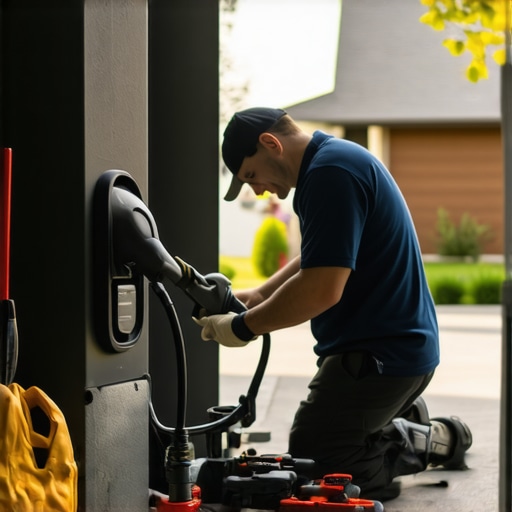
Discovering the Hidden World of EV Charging Troubles
It all started when I decided to switch to an electric vehicle, eager to contribute to a greener planet. But, like many homeowners, I soon faced unexpected hurdles with my EV charger. The initial excitement gave way to frustration as I encountered issues like charging interruptions and error messages. Sharing my personal experience, I realized that understanding troubleshooting techniques is crucial for safe and efficient home charging.
Why Proper Installation Is the Key to Troubleshooting Success
During my research, I learned that a proper and safe installation lays the foundation for trouble-free EV charging. I ensured my setup was compliant with safety standards, which I found detailed in authoritative sources like the home EV charging setup guide. This step not only enhanced safety but also made troubleshooting easier when problems arose.
My Personal Approach to Troubleshooting Common EV Charger Issues
One of the most common problems I faced was a charger that refused to start or kept disconnecting. I tackled this by checking the electrical connections and ensuring my circuit breaker was functioning correctly. I also learned to identify faulty cables and connectors, which can be a common culprit. For detailed tips, I recommend exploring expert advice at EV charger troubleshooting tips.
What Do I Do When Troubleshooting Isn’t Enough?
Sometimes, problems went beyond what I could fix on my own. That’s when I turned to professional help. I found that consulting licensed electricians ensures safety and proper repairs. For example, if you encounter persistent electrical faults, seeking expert assistance is the safest route. You can reach out to trusted professionals through contact us.
How Can I Ensure My EV Charger Performs at Its Best?
Regular maintenance is essential. I started following top EV charger maintenance tips, which include inspecting connections, cleaning components, and updating firmware. This proactive approach keeps my charger running smoothly and prevents future issues. For more insights, check out top maintenance strategies.
If you’re like me and want to enjoy hassle-free electric vehicle charging, remember that proper troubleshooting and safe installation are your best allies. Don’t hesitate to share your experiences or ask questions—I’m here to help and learn together! Feel free to explore more about lighting and electrical troubleshooting at lighting troubleshooting tips.
What Are the Nuances of Diagnosing Complex EV Charging Problems?
While many issues can be resolved with basic troubleshooting, some problems demand a deeper technical understanding. For example, persistent error codes may stem from firmware incompatibilities or subtle wiring faults that are not immediately apparent. As an electrician with extensive experience, I recommend using diagnostic tools like multimeters and specialized EV charger testers to pinpoint issues accurately. These devices help identify voltage irregularities, ground faults, or internal component failures that might be hidden behind superficial checks.
How Do Environmental Factors Impact EV Charger Reliability?
Environmental conditions can significantly influence the performance and longevity of your EV charging station. Exposure to moisture, dust, or extreme temperatures can cause corrosion or degrade electronic components. Proper enclosure and weatherproofing are essential, especially for outdoor installations. For comprehensive guidance on safeguarding your setup, see the home EV charging setup guide. Regular inspections and protective measures like sealing and ventilation can prevent many common environmental issues.
Can Smart Monitoring Systems Improve Troubleshooting Efficiency?
Integrating smart monitoring systems into your EV charger setup allows real-time diagnostics and remote troubleshooting. These systems track usage patterns, detect faults early, and alert you to potential problems before they escalate. This proactive approach aligns with expert advice from trusted electrical sources, emphasizing preventive maintenance. For example, smart systems can notify you of voltage drops or internal component wear, enabling timely repairs and avoiding costly downtime. Learn more about smart troubleshooting at smart electrical troubleshooting tips.
What Role Does Professional Expertise Play in Resolving Persistent Charging Issues?
Some issues, especially those involving electrical faults or complex wiring, are best addressed by licensed electricians. DIY fixes might temporarily resolve superficial symptoms but can overlook underlying safety hazards. Expert diagnostics often involve detailed inspections, testing, and adherence to electrical codes, ensuring both safety and functionality. If troubleshooting becomes too technical, reaching out to trusted professionals ensures your EV charging station operates safely and efficiently. You can contact qualified electricians through our contact page.
To keep your system performing optimally, consider adopting a maintenance routine that includes inspecting connections, updating firmware, and cleaning components. Regular checks can significantly extend the lifespan of your charger and prevent unexpected failures. For detailed maintenance strategies, visit top EV charger maintenance tips.
Sharing your troubleshooting experiences or questions can also foster community learning. If you’re interested in expanding your knowledge about electrical troubleshooting in general, explore lighting troubleshooting tips for more insights.
Unraveling the Hidden Complexities of EV Charger Troubleshooting
Over time, my journey with EV chargers has revealed that some issues are deceptively intricate, requiring a deep dive into the subtleties of electrical systems. It’s not just about checking connections or resetting devices — sometimes, persistent error codes and intermittent faults mask underlying problems that demand a more nuanced approach. From my personal experience, understanding the advanced diagnostics tools and environmental factors can significantly improve troubleshooting outcomes.
How Do I Detect Subtle Wiring Faults That Evade Basic Checks?
One of the most challenging scenarios I faced involved intermittent charging failures that standard checks couldn’t explain. I learned that subtle wiring faults, such as loose crimps or slight insulation damage, can cause voltage irregularities. Using a multimeter with a high-precision setting and specialized EV charger testers, I was able to identify voltage drops and ground faults that were invisible to the naked eye. These tools, combined with careful inspection, are invaluable. For detailed methods, I recommend exploring expert advice at EV troubleshooting tips.
What Role Do Firmware and Software Play in Complex Error Codes?
In my experience, persistent error codes sometimes originate from firmware incompatibilities or outdated software components. Upgrading firmware, much like updating a smartphone app, can resolve bugs and improve compatibility. I found that manufacturers often release updates that address known issues, and applying these updates requires a careful process—sometimes involving disconnecting power, resetting the device, or using dedicated diagnostic software. Being aware of firmware versions and manufacturer updates can save a lot of troubleshooting time. For more insights, see the comprehensive guide at ev charger troubleshooting.
Can External Environmental Factors Impact Internal Electronic Components?
Absolutely. During one outdoor installation, I noticed that despite following all safety standards, the charger kept malfunctioning under certain weather conditions. Moisture ingress, dust accumulation, and temperature fluctuations can cause corrosion and degrade electronic components over time. I learned to enhance weatherproofing by sealing enclosures properly and installing additional ventilation to prevent condensation. Regular inspections and protective measures, like waterproof covers, are critical. For detailed guidance, visit home EV setup guide.
What About Power Quality and Its Hidden Impact on Charger Reliability?
Power quality issues, such as voltage sags, surges, or harmonic distortions, can silently undermine EV charger performance. I found that installing a power conditioner or surge protector can shield the system from these fluctuations. Using smart monitoring systems that track voltage levels and power quality allows me to proactively identify and mitigate issues before they cause faults. This proactive approach aligns with expert advice from trusted electrical sources, emphasizing preventive maintenance. For more tips, explore smart electrical troubleshooting tips.
How Can I Leverage My Experience to Help Others?
Sharing detailed, real-world troubleshooting experiences helps build a community of knowledgeable EV owners and technicians. I encourage fellow enthusiasts to document their challenges and solutions, which can serve as invaluable references. Whether it’s a stubborn wiring fault or firmware glitch, collective insights accelerate problem-solving. If you’re facing complex issues, don’t hesitate to seek professional help, especially for electrical faults that pose safety risks. Contacting licensed electricians through our contact page ensures safety and proper repairs. Plus, regular maintenance routines—including firmware updates, connection inspections, and environmental safeguards—are your best defense against future problems.
By mastering these advanced troubleshooting techniques and understanding the deeper nuances, you can significantly extend your EV charger’s lifespan and reliability. Remember, persistent issues often reveal more than meets the eye, and a proactive, informed approach makes all the difference. I invite you to share your experiences or ask questions in the comments—learning is a continuous journey, and we’re in it together!
Deciphering Subtle Wiring Anomalies That Challenge Conventional Diagnostics
While basic troubleshooting often suffices for common issues, my experience has shown that elusive wiring faults can silently undermine your EV charging system. These faults, such as slight insulation damage or loose crimps, seldom manifest visibly but cause voltage irregularities that disrupt operation. Employing high-precision multimeters and specialized EV tester devices enables me to detect minute voltage drops and ground faults. For instance, during one outdoor installation, I identified a subtle wiring defect that traditional methods failed to reveal, significantly improving reliability. To learn more about these advanced diagnostic techniques, explore expert troubleshooting tips.
Unpacking Firmware and Software’s Hidden Influence on Persistent Error Codes
In my deeper investigations, I discovered that persistent error codes often stem from firmware incompatibilities or outdated software versions. Firmware updates, akin to smartphone patches, can resolve bugs and enhance device compatibility. Upgrading firmware involves steps like disconnecting power, resetting the device, and applying manufacturer-provided software updates. Neglecting this can leave you grappling with recurring faults. Staying informed about your charger’s firmware version and manufacturer updates can save considerable troubleshooting time. For comprehensive guidance, see ev charger troubleshooting.
The Environmental Factors That Subtly Sabotage Electronic Components
Environmental influences, particularly in outdoor settings, can gradually degrade electronic components despite adherence to safety standards. Moisture ingress, dust accumulation, and temperature fluctuations foster corrosion and internal damage. In my case, enhancing weatherproofing by sealing enclosures and installing additional ventilation markedly extended device lifespan. Regular inspections for signs of corrosion, combined with protective measures like waterproof covers, are crucial. For detailed environmental safeguarding strategies, refer to home EV setup guide.
Harnessing Power Quality Monitoring to Preempt Failures
Power quality issues such as voltage sags, surges, and harmonic distortions can insidiously impair charger operation. I mitigated these risks by installing surge protectors and power conditioners, which shield the system from irregularities. Additionally, deploying smart monitoring systems that track real-time voltage levels and power quality allows me to detect and address issues proactively. This approach aligns with expert advice emphasizing preventive maintenance. For more insights into power quality management, explore smart troubleshooting tips.
Engaging Community Wisdom for Complex Troubleshooting Challenges
Sharing detailed troubleshooting experiences fosters a collaborative learning environment. I encourage fellow EV owners and technicians to document their challenges and solutions, accelerating collective problem-solving. Complex issues, like stubborn wiring faults or firmware glitches, often require insights beyond standard procedures. When in doubt, consulting licensed electricians is the safest course—expert diagnostics involve thorough inspections and adherence to electrical codes. You can connect with qualified professionals via our contact page. Regular maintenance routines, including firmware updates and environmental protections, form the backbone of reliable operation. To deepen your knowledge, visit top maintenance tips.
The Intricacies of Diagnosing and Resolving Complex EV Charging System Faults
Over time, I’ve learned that some faults are deceptively complex, often masked by superficial symptoms. Persistent error codes may conceal underlying issues like subtle wiring faults, firmware incompatibilities, or environmental degradation. Advanced diagnostic tools—multimeters, EV-specific testers, and software updates—are essential. For example, I once resolved an intermittent charging failure by detecting a minor insulation breach using a high-precision multimeter, which standard checks had missed. Recognizing the influence of firmware versions, I upgraded my charger’s firmware, resolving the problem at its root. Staying aware of environmental impacts, such as moisture ingress, and power quality fluctuations, further enhances troubleshooting efficacy. For expert guidance on these nuanced issues, consult expert troubleshooting resources.
Empowering Yourself with Knowledge to Overcome Persistent Challenges
Mastering these advanced troubleshooting techniques not only extends your EV charger’s lifespan but also deepens your understanding of complex electrical systems. The key is continuous learning—staying updated with firmware releases, environmental safeguards, and power quality management. Sharing your experiences enriches the community and fosters collective growth. When encountering particularly stubborn or technical issues, remember that consulting licensed electricians through our contact page ensures safety and precision. Your proactive engagement and curiosity are vital in navigating the intricate world of EV charging troubleshooting. Explore more about electrical systems and troubleshooting strategies to build your expertise and confidently tackle future challenges.
Things I Wish I Knew Earlier (or You Might Find Surprising)
Hidden Complexity of Wiring
One surprising thing I learned is that subtle wiring faults—like tiny insulation damage—can cause major charging issues. It’s easy to overlook these minor problems, but using a high-quality multimeter helped me detect voltage drops that were invisible to the naked eye. Now, I always inspect wiring thoroughly before assuming a device is broken.
Firmware Updates Matter
Updating my EV charger’s firmware turned out to be crucial. Sometimes, persistent error codes are caused by outdated software, not hardware faults. Regularly checking for updates and installing them can save hours of frustration. Trust me, it’s worth making firmware updates part of your routine.
Environmental Effects Are Subtle but Significant
Outdoor chargers can suffer from moisture and dust, even if installed correctly. I learned to weatherproof my setup by sealing enclosures and adding protective covers. Small environmental protections can dramatically extend your charger’s life and reliability.
Power Quality Isn’t Always Perfect
Power surges and voltage sags can silently damage your charger. Installing a surge protector and monitoring power quality helped me catch issues early. Investing in power management devices might seem extra, but it’s a wise move for long-term reliability.
Don’t Hesitate to Seek Professional Help
When troubleshooting reaches its limit, consulting a licensed electrician is the safest choice. I’ve had to call in experts to resolve complex wiring faults, and their insights saved me from potential hazards. Remember, safety always comes first.
Resources I’ve Come to Trust Over Time
Reliable Electric Pro
This website offers comprehensive guides on EV charging troubleshooting and safe installation practices. Their detailed articles helped me grasp complex issues with confidence, making troubleshooting less intimidating.
Manufacturer Firmware Updates
Always check your charger’s official website for firmware updates and instructions. Staying current with official updates can resolve known bugs and enhance performance, which I found to be incredibly helpful.
Electrical Safety Guidelines
Following established safety standards from trusted authorities ensures your setup is safe and reliable. I recommend reviewing resources like the National Electrical Code (NEC) for best practices.
Parting Thoughts from My Perspective
In my experience, troubleshooting EV chargers is a mix of patience, knowledge, and proactive maintenance. Understanding that small wiring issues or outdated firmware can cause big headaches has changed how I approach problems. Regular inspections, updates, and seeking professional advice when needed are key to ensuring your home charging station works smoothly. If this resonated with you, I’d love to hear your thoughts or experiences. Share it with someone who might find it helpful, and let’s keep learning together!
Reading through this comprehensive guide really highlights the importance of thorough installation and regular maintenance for EV chargers. I remember initially overlooking some environmental factors, and it led to a few recurring issues outdoors. Sealing the enclosure and adding proper ventilation made a noticeable difference in reliability. It’s clear that subtle wiring faults can easily be missed but cause significant problems, especially over time. Using diagnostic tools like multimeters and EV-specific testers, as mentioned, is invaluable for catching these hidden issues early. I’ve also started exploring smart monitoring systems, which provide alerts about power anomalies—these proactive measures seem so helpful. Has anyone here integrated such systems into their setup? I’m curious to hear about real-world experiences with remote diagnostics and whether they truly reduce troubleshooting time. Overall, an excellent reminder that preventative maintenance and professional help are key to long-term efficiency and safety.
This post really resonates with my experience. When I first installed my outdoor EV charger, I overlooked the importance of weatherproofing, and it caused multiple issues over time. Sealing the enclosure and adding proper ventilation indeed made a significant difference in reliability. I’ve also found that subtle wiring faults, like tiny insulation cracks, can cause intermittent problems that are hard to detect without the right diagnostic tools. Using a multimeter and EV-specific testers has been a game-changer for me—they help catch those hidden issues early before they escalate.
I wonder, how many of you have integrated smart monitoring systems? In my setup, remote diagnostics and real-time alerts have helped me detect power fluctuations and internal faults swiftly, saving a lot of troubleshooting time. It makes me think, do these systems truly prevent major failures or just alert us after the damage is already done?
It’s clear that routine maintenance and professional help are critical for long-term performance. I would love to hear others’ experiences with incorporating smart systems or other preventative measures—sharing our insights could be really beneficial for everyone here.
Reading this comprehensive overview, I can relate to the importance of meticulous installation and the ongoing maintenance routine. In my experience, environmental factors are often underestimated, especially in outdoor setups. Sealing enclosures and protecting electronic components from moisture and dust have significantly improved the reliability of my EV charger. I was surprised to discover how minor wiring issues—like tiny insulation cracks or loose crimps—can cause intermittent faults that are very tricky to diagnose without specialized tools. I’ve since incorporated high-precision multimeters and EV-compatible testers into my troubleshooting kit, and they’ve proven invaluable. Has anyone experimented with integrating smart monitoring systems that provide real-time diagnostics? I find the idea of remote fault detection appealing, but I wonder whether they truly minimize troubleshooting time or mainly serve as early warning systems after issues occur. Additionally, I’d be interested to hear about your experiences with firmware updates—do they consistently resolve persistent error codes or sometimes introduce new complications? Overall, this post reinforces that combining proper installation, routine maintenance, and professional advice is key to sustained performance.
Reading through this post really underscores how critical proper installation and periodic maintenance are for EV chargers. When I installed mine outdoors, I initially underestimated environmental effects like moisture and dust, which led to some recurring faults. Sealing the enclosure and adding an extra layer of weatherproofing really improved the system’s reliability. I also learned that subtle wiring issues, such as tiny insulation cracks or loose crimps, can cause frustrating intermittent failures that are hard to detect without the right diagnostic tools. Using a multimeter and EV-specific testers has saved me time and headaches.
Personally, I’ve started exploring smart monitoring systems that provide real-time alerts for voltage drops or internal faults. Has anyone here had experience with these systems? Do they genuinely help reduce troubleshooting time and prevent breakdowns, or are they more of a convenience?
I agree that engaging professionals for complex electrical issues is always the safest route. Regular inspections and firmware updates seem to be key to keeping everything running smoothly. What other preventative measures or technologies have folks found useful for extending the lifespan of their chargers? Would love to hear your insights!