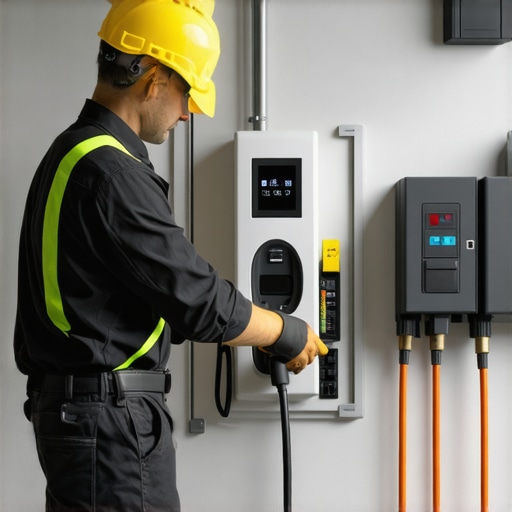
Getting Started: My Journey Into Safe EV Charger & Lighting Installations
My fascination with electrical work started when I first decided to upgrade my home’s lighting system. I remember nervously reading through the local electrical codes and feeling both excited and overwhelmed. It was during this process that I learned the importance of following expert electrician tips to ensure safety and efficiency. When I decided to install an electric vehicle (EV) charger at home, my experience deepened, and I realized how crucial proper installation is for safety and performance.
Why Safe EV Charger & Lighting Installation Matters — From My Personal Perspective
Over the years, I’ve seen firsthand how improper wiring or overlooked safety checks can lead to hazards like electrical fires or equipment failure. That’s why I always prioritize thorough planning and adherence to best practices. For example, I now always consult reliable sources such as the [Ultimate Guide to EV Charger Troubleshooting](https://reliableelectricpro.com/ultimate-guide-to-ev-charger-troubleshooting-safe-installation) to ensure my installations meet the highest safety standards. Trustworthy electrical work not only protects my home but also gives me peace of mind when charging my vehicle or enjoying well-lit spaces.
What Are the Key Steps I Take to Ensure Safety During Installations?
First, I make sure to turn off the main power supply before starting any work. Then, I verify compatibility of the electrical panel with the new devices. My experience has shown that using high-quality components and following manufacturer instructions is essential. Additionally, I always check grounding and circuit protection devices, as these are vital for preventing electrical faults. When in doubt, I reach out to licensed electricians or refer to trusted articles like [Troubleshooting Electric Faults](https://reliableelectricpro.com/troubleshooting-electric-faults-lighting-installation-tips-for-homeowners) to troubleshoot potential issues effectively.
How Do I Handle Unexpected Challenges During Installations?
One time, I encountered a wiring inconsistency that could have been dangerous. Instead of rushing, I paused and carefully diagnosed the problem, consulting external resources and even reaching out to a professional. This cautious approach saved me from bigger problems later. I’ve learned that patience and proper troubleshooting are key, especially when dealing with complex installations like EV chargers or sophisticated lighting systems. When I face tricky situations, I visit [Lighting Installations Made Easy](https://reliableelectricpro.com/lighting-installations-made-easy-a-step-by-step-electrician-guide) for step-by-step guidance.
Curious About Troubleshooting Common Installation Issues?
If you’re like me, troubleshooting can be daunting but rewarding. I recommend starting with reliable external guides and never ignoring warning signs like flickering lights or tripped breakers. Remember, safety always comes first, and consulting a licensed electrician for complex issues is the best approach. Feel free to share your own experiences or ask questions in the comments below—I’m here to learn together!
For comprehensive safety tips and expert advice, I often visit the [Expert Electrician Tips for Troubleshooting](https://reliableelectricpro.com/how-electricians-tackle-troubleshooting-for-lighting-installations). It’s a great resource that highlights the importance of precise troubleshooting and safe practices.
Deepening the Knowledge: How Do Expert Electricians Approach Troubleshooting Complex Electrical Issues?
As someone passionate about electrical safety and efficient installations, I’ve learned that troubleshooting is both an art and a science. When faced with complex lighting or EV charging problems, the first step is always a systematic diagnosis. This involves verifying the power source, inspecting wiring connections, and testing circuit protection devices. For instance, using a multimeter to check voltage levels can reveal hidden faults that aren’t immediately obvious. Drawing from trusted resources like expert troubleshooting guides helps refine this process, ensuring that no detail is overlooked.
One nuanced approach I’ve adopted involves isolating sections of the system to identify where the fault originates. This might mean temporarily disconnecting certain components or switching off circuits one at a time. This methodical process reduces the risk of causing further damage and allows for precise pinpointing of issues. I also rely heavily on the latest diagnostic tools, which can detect subtle issues like ground faults or wiring inconsistencies that traditional methods might miss.
What Are the Practical Implications of Proper Troubleshooting for Long-Term System Reliability?
Proper troubleshooting isn’t just about fixing an immediate problem—it’s about ensuring the long-term safety and reliability of your electrical system. For example, addressing a flickering light promptly and correctly can prevent more significant issues like electrical fires or equipment damage. Similarly, resolving EV charger malfunctions quickly avoids unnecessary downtime and extends the lifespan of the device. Regularly consulting authoritative sources such as lighting troubleshooting tips from experts can help maintain the integrity of your system over time.
Moreover, adopting a proactive mindset towards electrical maintenance—like scheduled inspections and preventive repairs—can save homeowners substantial costs and safety hazards in the future. This approach aligns with expert electrician recommendations, emphasizing that prevention is always better than cure.
If you’re eager to delve deeper into troubleshooting techniques and best practices, I suggest exploring comprehensive guides and tutorials that cover everything from basic circuit checks to advanced diagnostic methods. Sharing your experiences or questions in the comments can foster a community of knowledgeable homeowners and professionals alike. Remember, when in doubt, reaching out to licensed electricians ensures your system remains safe and compliant with local codes.
For example, my go-to resource for troubleshooting complex issues is lighting troubleshooting tips from expert electricians. It’s packed with practical advice that has helped me resolve numerous challenges efficiently.
Reflections on the Continuous Journey of Electrical Safety and Troubleshooting
Every time I delve into troubleshooting complex electrical issues, I am reminded of the importance of staying curious and proactive. Troubleshooting isn’t just about fixing the immediate problem; it’s about understanding the nuanced interactions within the entire system. Over the years, I have realized that each challenge presents an opportunity to deepen my knowledge and refine my skills, especially with the ever-evolving landscape of electrical technology.
Exploring the Nuances of Ground Fault Detection and Prevention
One area that has particularly fascinated me is ground fault detection. Modern systems rely heavily on residual current devices (RCDs) to prevent dangerous faults, but understanding their limitations and proper testing procedures is crucial. For instance, regularly testing RCDs with the manufacturer’s test button can reveal hidden issues before they become hazards. I’ve also learned that advanced diagnostic tools, such as clamp meters and specialized ground fault detectors, provide more precise insights into the system’s health. This knowledge helps me ensure that my installations not only meet safety standards but also operate reliably over the long term.
How Do I Approach Complex Troubleshooting with a Systematic Mindset?
From my experience, adopting a systematic approach is essential. I often start by reviewing the entire wiring diagram, then proceed to verify each segment step by step. For example, when dealing with an EV charger that intermittently fails, I check the power supply, the circuit breaker, and the wiring connections, documenting my findings along the way. This methodical process minimizes guesswork and helps pinpoint subtle issues like loose connections or insulation degradation. I also find that maintaining a troubleshooting checklist based on trusted sources, like electrician troubleshooting guides, keeps me organized and thorough.
What Are the Advanced Techniques for Diagnosing Hidden Wiring or Insulation Problems?
Diagnosing hidden wiring or insulation problems often requires advanced tools and techniques. For instance, insulation resistance testers can measure the integrity of wiring insulation, revealing degradation that might not be visible externally. Similarly, thermal imaging cameras can detect abnormal heat signatures caused by poor connections or overloaded circuits. I’ve found that combining these tools with traditional multimeter tests enhances my diagnostic capabilities significantly. These methods, supported by expert advice from resources like expert troubleshooting tips, enable me to address issues proactively and prevent potential failures.
Why Is Regular Maintenance and Preventive Troubleshooting Vital for Long-Term Safety?
Beyond reactive troubleshooting, I firmly believe that regular maintenance and preventive checks are vital. Scheduling periodic inspections, verifying circuit integrity, and updating safety devices can save homeowners from costly repairs and hazards. For example, replacing aging wiring or upgrading circuit breakers before issues arise can significantly enhance safety and system longevity. This proactive mindset aligns with what professional electricians recommend, emphasizing that prevention is always better than cure. It’s a mindset I encourage every homeowner to adopt, whether they’re installing new lighting or an EV charging station.
If you’re interested in expanding your troubleshooting skills or sharing your own experiences, I invite you to explore further resources or leave a comment below. Learning from each other’s journeys not only enriches our understanding but also fosters a community dedicated to electrical safety and excellence.
For those eager to dive deeper, I recommend reviewing comprehensive guides such as lighting troubleshooting tips from expert electricians. These resources have been invaluable in helping me troubleshoot complex issues confidently and safely.
Mastering Ground Fault Detection: The Nuances That Make a Difference
In my ongoing journey of electrical safety, a particularly intriguing area has been ground fault detection. Modern Residual Current Devices (RCDs) are marvels of safety, yet understanding their limitations and the correct testing procedures can significantly enhance system reliability. I’ve found that regular testing with manufacturer-specific tools, beyond just pressing the test button, helps uncover subtle issues that could compromise safety. For example, advanced clamp meters capable of detecting minute leakage currents enable me to monitor the integrity of wiring connections in real-time, especially in complex setups like EV charging stations and integrated lighting systems.
According to a detailed analysis by the expert troubleshooting guide, consistent verification of ground fault detection devices is essential. This proactive approach helps prevent dangerous faults and ensures compliance with safety standards, ultimately protecting my home and loved ones.
Approaching Complex Troubleshooting with a Systematic and Sophisticated Mindset
Over time, I’ve refined my troubleshooting methodology, adopting a systematic approach that combines technical rigor with intuitive insights. When faced with intermittent issues like EV charger failures or flickering lighting, I start by reviewing wiring diagrams meticulously, then proceed through a layered testing process. Using advanced diagnostic tools such as thermal imaging cameras and insulation resistance testers, I can identify hidden wiring degradation or insulation breakdown that traditional multimeters might miss. This multi-faceted strategy minimizes guesswork and helps me pinpoint root causes efficiently.
For instance, thermal imaging has revealed hot spots in wiring connections that were previously overlooked, enabling preemptive repairs. This aligns with the principles outlined in the lighting troubleshooting tips from experts, emphasizing the importance of comprehensive diagnostics for long-term system health.
Would You Like to Discover Advanced Diagnostic Techniques for Hidden Wiring and Insulation Issues?
If you’re eager to elevate your troubleshooting skills beyond basic checks, I encourage you to explore specialized tools and methods. Sharing your experiences or questions can foster a community where knowledge exchange enhances safety practices. Remember, complex issues often require advanced diagnostics, and consulting seasoned professionals or authoritative resources can provide invaluable guidance. Check out the expert lighting troubleshooting resource for detailed insights.
Integrating Continuous Learning and Proactive Maintenance for Long-Term Safety
Every troubleshooting challenge reinforces the importance of ongoing education and preventive measures. Regular inspections, combined with the latest diagnostic technologies, enable me to catch potential faults early, avoiding costly repairs or hazards. Upgrading aging wiring, verifying circuit integrity, and ensuring all safety devices are functional are practices I prioritize, aligning with professional electrician recommendations. This proactive mindset is essential in maintaining a resilient and safe electrical environment, especially in complex systems like EV chargers and smart lighting setups.
Engaging with authoritative guides, such as the lighting troubleshooting tips, helps me stay updated on best practices. I invite you to share your troubleshooting journeys or ask for expert advice—collective knowledge enhances our safety and technical mastery.
If you’re committed to deepening your understanding of advanced troubleshooting techniques, I recommend exploring comprehensive resources and tutorials. Remember, when in doubt, consulting licensed electricians ensures your system remains compliant and safe, fostering peace of mind for years to come.
Things I Wish I Knew Earlier (or You Might Find Surprising)
Mastering Grounding: The Hidden Key
One of the most overlooked aspects in electrical work is proper grounding. I once skipped a detailed grounding check during an installation, only to experience flickering lights later. Since then, I’ve learned that grounding isn’t just a formality; it’s the foundation of safety, preventing dangerous faults and ensuring equipment longevity. Consulting trusted resources like expert troubleshooting guides has shown me how critical this step is for peace of mind.
The Power of Regular Testing
I used to assume that once installed, electrical systems would stay safe forever. Not true. Regular testing of devices like RCDs (Residual Current Devices) can reveal hidden faults before they become hazards. I now schedule routine checks, which have saved me from potential shocks and fires. It’s a simple habit that pays huge safety dividends, and I recommend everyone adopt it.
Anticipating the Unexpected
During a lighting upgrade, I faced a wiring inconsistency that could have been disastrous. Instead of rushing, I paused and methodically diagnosed the issue, often referencing professional troubleshooting tips. That experience taught me that patience and thoroughness are vital, especially with complex systems like EV chargers or smart lighting setups.
The Nuance of Advanced Diagnostic Tools
Initially, I relied solely on multimeters, but I soon realized that tools like thermal imaging cameras and insulation resistance testers provide invaluable insights into hidden wiring issues. These advanced tools help me identify problems before they escalate, aligning with expert advice from trusted sources. Investing in them has been a game-changer for long-term safety and system reliability.
Proactive Maintenance: A Long-Term Investment
Preventive checks, such as replacing aging wiring and verifying circuit integrity, are essential. I’ve learned that these small steps can prevent costly repairs and safety hazards. Regular inspections, combined with the latest diagnostic technologies, have kept my home safe and my systems running smoothly. This proactive approach, supported by authoritative guides, is the best way to ensure peace of mind over time.
Resources I’ve Come to Trust Over Time
- Lighting Troubleshooting Tips from Experts: This resource has helped me understand complex issues and troubleshoot effectively.
- Ultimate Guide to EV Charger Troubleshooting: A comprehensive guide that deepened my knowledge of EV safety and troubleshooting procedures.
- Expert Electrician Troubleshooting Tips: Trusted advice that I rely on for systematic diagnosis.
Parting Thoughts from My Perspective
Electrical safety, especially when installing EV chargers and lighting systems, is a journey of continuous learning. Every challenge teaches me something new about the nuances of wiring, grounding, and troubleshooting. I’ve come to see that proactive maintenance, the right tools, and consulting trusted resources are essential for long-term safety and peace of mind. If this resonates with you, I’d love to hear your own experiences or tips—sharing knowledge makes us all safer. Feel free to drop a comment or share this article with someone who might benefit from it. Remember, safe electrical practices aren’t just a checklist—they’re a mindset that ensures your home and loved ones stay protected for years to come.
Reading this article really resonated with me, especially the part about systematic troubleshooting and the importance of using advanced diagnostic tools like thermal imaging cameras. I’ve found that incorporating these tools early into my routine has prevented a lot of potential issues down the line. The emphasis on regular maintenance and testing, particularly of RCDs, is something I practice diligently, and it’s paid off by giving me peace of mind. I wonder, how often do others here test their ground fault detection systems, and have you come across any effective routines or schedules for this? It seems that staying proactive is key to maintaining safety and reliability in complex setups like EV chargers and smart lighting.
I really appreciate this detailed insight into safe EV and lighting system installations. As someone who recently embarked on upgrading my home’s electrical setup, I’ve learned firsthand that meticulous planning and understanding your system’s components are crucial. Using tools like multimeters and thermal cameras has really made a difference in diagnosing issues early. What’s been your experience with integrating smart, automated lighting systems alongside EV chargers? I’ve found that these systems can introduce new complexities, especially with grounding and circuit protection, so thorough troubleshooting becomes even more important. Also, I agree that proactive maintenance, like testing RCDs regularly, can prevent costly hazards down the line. How often do you recommend scheduling these safety checks? Would love to hear more tips from experienced homeowners like yourself to improve my routine and ensure everything runs smoothly and safely.
This post really resonates with my own experience installing EV chargers and lighting at home. I started out feeling overwhelmed with the electrical codes, but I found that breaking down each step and double-checking grounding and circuit protection made a huge difference. I also learned that consistent testing of devices like RCDs (Residual Current Devices) is essential for ongoing safety, especially for complex setups involving smart lighting and EV charging stations. Something I’ve noticed is that as systems become more advanced, the importance of regular maintenance and using diagnostic tools like insulation resistance testers and thermal imagers increases. It’s incredible how much these tools can reveal potential issues before they escalate. For those just starting out, do you have any tips on creating a maintenance schedule that’s manageable yet effective? How often do you test the entire system to ensure everything remains compliant and safe? Would love to hear insights or personal routines that work well.