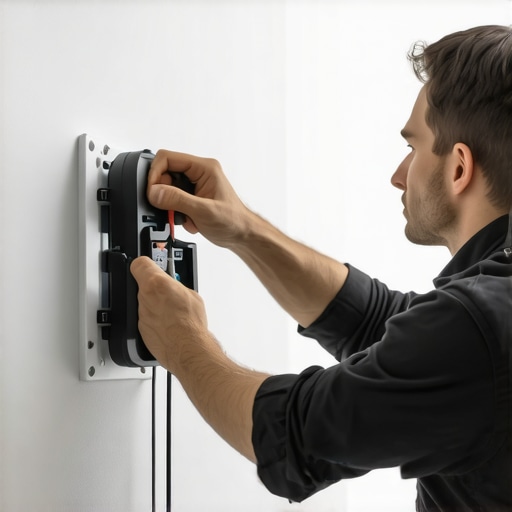
How a Simple Lighting Fix Turned into an Unexpected Learning Experience
I’ll never forget the day I decided to upgrade the lighting in my living room. I thought it would be a straightforward task, but I quickly learned that lighting installation can be more complex than it seems.
Initially, I assumed I could handle it myself, following basic online guides. However, midway through, I encountered flickering lights and inconsistent wiring. That’s when I realized the importance of proper troubleshooting and safety precautions. From my experience, understanding the electrical system and wiring basics is crucial to prevent hazards.
My First Encounter with Lighting Troubleshooting
During the installation, I noticed that some switches didn’t work as expected. After some research, I found that issues like these often stem from faulty wiring or loose connections. I referred to trusted resources like electrician troubleshooting guides to diagnose the problem.
To my surprise, I discovered that simple solutions like tightening connections or replacing a switch could solve major issues. It was a reminder that patience and careful inspection are key to effective troubleshooting.
Why Proper Lighting Installation Matters More Than You Think
Lighting isn’t just about aesthetics; it’s about safety. Properly installed fixtures and wiring reduce the risk of electrical fires or shocks. From my experience, always use high-quality components and adhere to local electrical codes. If you’re unsure, consulting a professional electrician can make all the difference.
What Are the Best Practices for Safe Lighting Troubleshooting at Home?
In my journey, I learned that turning off the power before inspecting or fixing wiring is essential. Using a voltage tester helps prevent accidental shocks. Additionally, following manufacturer instructions and ensuring connections are secure can save you from future headaches. For more detailed tips, I recommend checking out lighting troubleshooting tips from expert electricians.
If you’re ever in doubt, don’t hesitate to contact a licensed electrician. Safety should always come first!
I’d love to hear your own experiences with lighting installation or troubleshooting. Feel free to share your stories or ask questions in the comments below!
Mastering the Art of Troubleshooting Your Home Lighting
When it comes to lighting, even seemingly minor issues can hint at larger electrical problems. As an experienced electrician, I’ve seen how small mistakes or overlooked details can lead to flickering lights or faulty switches. The key to effective troubleshooting lies in understanding the wiring system, recognizing common faults, and applying systematic checks. A good starting point is always turning off the power before inspecting any wiring or fixtures, which minimizes risks of electric shocks. Using a reliable voltage tester to verify circuit de-energization is essential for safety and accuracy. Additionally, ensuring all connections are tight and free of corrosion can often resolve flickering or intermittent lighting issues. For more detailed guidance, consult trusted resources like electrician troubleshooting guides. Proper troubleshooting not only restores functionality but also enhances safety and prevents future faults.
Why Proper Wiring and Installation Are Critical for Safety
Proper wiring isn’t just about aesthetics—it’s a vital safety measure. Faulty wiring can lead to electrical fires, shocks, or damage to your appliances. That’s why adhering to local electrical codes and using high-quality components are non-negotiable steps in any lighting project. When installing or repairing fixtures, always verify that the circuit is fully de-energized and follow manufacturer instructions meticulously. If you’re uncertain about your wiring skills, it’s prudent to consult with a licensed electrician who can assess your setup comprehensively. Remember, a correct installation can prevent costly repairs and safeguard your home and loved ones from hazards. For expert assistance, consider reaching out via our contact page to get professional help tailored to your needs.
What Are the Most Overlooked Details That Could Lead to Lighting Safety Hazards?
One often overlooked aspect is the importance of grounding and ensuring proper insulation of wires. Insufficient grounding can cause electric shocks, while damaged insulation increases fire risk. Another critical detail is the use of the correct wattage bulbs and fixtures, as exceeding recommended wattages can overheat wiring and cause damage. Additionally, inspecting your circuit breakers and fuses regularly ensures they function correctly and trip during faults. Regular maintenance and periodic inspections can catch issues early before they escalate into dangerous situations. For homeowners wanting to learn more about safe lighting practices, I recommend reading lighting installation troubleshooting tips from experts, which delve into common pitfalls and preventive measures.
If you’re ever unsure about your wiring or troubleshooting steps, don’t hesitate to contact a professional electrician at Reliable Electric Pro. Safety and compliance should always be your top priorities.
Share Your Troubleshooting Stories or Ask for Expert Advice
Have you encountered tricky lighting issues that took more than a simple fix? Or perhaps you’ve found a clever solution that others could benefit from? Sharing your experiences can help build a community of knowledgeable homeowners and DIY enthusiasts. Don’t forget, when in doubt, consulting an expert can save you time, money, and potential hazards. For more insights, explore our comprehensive guides on lighting troubleshooting and EV charger troubleshooting. Your safety and satisfaction are worth the effort!
Reflecting on the Nuances of Home Electrical Safety and Troubleshooting
Over the years, my journey through lighting troubleshooting has revealed that many homeowners overlook subtle yet critical details that can significantly impact safety. For instance, I’ve seen cases where seemingly minor issues, such as loose grounding wires or degraded insulation, become major hazards over time. These overlooked aspects underscore the importance of not just quick fixes but comprehensive inspections, especially in older homes where wiring may have deteriorated without proper updates.
In my experience, understanding the complexity of electrical systems is crucial. It’s not just about replacing faulty switches or fixtures; it’s about recognizing the interconnectedness of components and the potential for hidden faults. For example, a flickering light might seem trivial, but it could be indicative of loose neutral connections or overloaded circuits. Delving into these details requires patience, a systematic approach, and sometimes, a willingness to consult expert resources or professionals.
How Can Homeowners Develop a More Sophisticated Approach to Troubleshooting?
One of the most valuable lessons I’ve learned is the importance of continuous learning and applying advanced troubleshooting techniques. For homeowners eager to build this skill, I recommend starting with foundational knowledge—understanding circuit diagrams, safety protocols, and the proper use of tools like voltmeters and testers. From there, adopting a methodical approach—checking connections, testing circuits, and inspecting wiring—can prevent misdiagnoses and unsafe fixes.
Moreover, staying informed about new electrical standards and technologies is vital. For example, smart lighting systems and EV chargers introduce new complexities, requiring updated troubleshooting strategies. Resources like professional electrician guides are invaluable for deepening understanding and ensuring compliance with safety standards.
What Are the Risks of Cutting Corners in Electrical Repairs?
This is a question I often ponder, especially when witnessing DIY attempts that bypass safety protocols. Cutting corners—like using substandard wiring, ignoring grounding requirements, or failing to turn off power—can lead to devastating consequences such as fires, shocks, or damage to appliances. It’s a stark reminder that safety isn’t a place to compromise, and consulting licensed electricians when in doubt is always the wisest choice. Remember, electrical safety is about protecting your home and loved ones, not just fixing a problem temporarily.
If you’re interested in elevating your troubleshooting skills or ensuring your electrical system’s safety, I encourage exploring comprehensive guides on lighting installation troubleshooting. Sharing your stories or asking questions can foster a community where safety and knowledge grow hand in hand. Your experiences might inspire others to approach electrical issues with greater confidence and caution.
Advancing Your Home Electrical Knowledge — What’s Next?
The journey of mastering home electrical safety is ongoing. As new technologies emerge, so do new challenges and learning opportunities. For instance, the increasing adoption of EV chargers and smart home integrations demands that homeowners stay informed and proactive. Regular inspections, professional consultations, and continuous education are key components of responsible ownership.
Ultimately, understanding the deeper intricacies of electrical systems transforms troubleshooting from a daunting task into a manageable, even rewarding, part of maintaining a safe and efficient home. I invite you to explore related topics, such as EV charger troubleshooting and lighting installation guides, which can further empower you in your electrical endeavors. Remember, safety and knowledge are the best tools in your home maintenance arsenal. Feel free to share your insights or questions—I’m here to help foster an informed, safety-conscious community around electrical safety and troubleshooting.
Unraveling the Hidden Complexities of Home Wiring: A Deep Dive into Safety and Efficiency
As my experience with home electrical troubleshooting deepened, I encountered situations where superficial fixes proved insufficient, revealing underlying issues that demanded a more nuanced understanding. For example, in an older residence, I discovered that worn insulation and subtle neutral wire faults were causing intermittent flickering, a problem often misdiagnosed by DIYers. Recognizing these subtleties requires a keen eye and comprehensive knowledge of electrical systems, especially regarding how aging components interact with modern fixtures.
In such cases, employing advanced diagnostic tools like clamp meters and thermal imaging cameras can be invaluable. Thermal imaging, in particular, allows electricians to detect hotspots indicative of overloaded circuits or loose connections that aren’t visible to the naked eye. According to a study on electrical fire prevention (National Fire Protection Association), regular thermal inspections significantly reduce fire risks caused by hidden faults.
What Are the Best Strategies for Detecting Subtle Wiring Faults That Conventional Methods Miss?
Detecting these hidden faults involves adopting a layered approach—combining visual inspections, electrical testing, and thermal analysis. It’s essential to understand that some issues, like micro-fractures in insulation or degraded neutral connections, may only manifest under specific load conditions. Therefore, simulating real-world usage during inspections can reveal faults that static tests overlook. For instance, testing circuits under typical operational loads helps identify intermittent faults that only occur when the system is stressed.
Additionally, understanding the importance of proper grounding and bondings is crucial. Faulty or degraded grounding can lead to voltage fluctuations and safety hazards, especially with sensitive equipment or smart home systems. Regularly reviewing your system’s grounding integrity, perhaps with an insulation resistance tester, can preempt potential disasters.
For homeowners and professionals aiming to elevate their troubleshooting skills, consulting authoritative resources like professional electrician troubleshooting guides is indispensable. These resources emphasize the importance of systematic diagnostics—something that separates a quick fix from a comprehensive safety solution.
How Do Modern Electrical Standards Influence Troubleshooting and Repairs?
The evolution of electrical codes, driven by safety standards such as the NEC (National Electrical Code), has introduced new requirements that profoundly impact troubleshooting protocols. For example, the advent of AFCI (Arc Fault Circuit Interrupter) protection has added an additional layer of complexity, as many faults now manifest as nuisance trips if not properly diagnosed.
Adhering to these standards isn’t just about compliance but about ensuring long-term safety and system robustness. For instance, understanding the nuances of AFCI and GFCI (Ground Fault Circuit Interrupter) devices helps in diagnosing false trips or failures. Moreover, integrating smart diagnostics—like remote monitoring systems—can alert homeowners to emerging faults before they escalate.
Moreover, with the rise of EV charging stations and smart home automation, troubleshooting now extends to interconnected systems. Each new component introduces potential points of failure, emphasizing the need for continuous education and adaptation. For those interested in mastering these modern challenges, I recommend exploring comprehensive guides like the ultimate troubleshooting guide tailored for safe and efficient system management.
How Can Homeowners Stay Ahead of Rapid Technological Changes in Electrical Systems?
Staying current involves proactive learning—attending seminars, subscribing to industry publications, and participating in online forums. Practical experience, combined with formal education, enables homeowners to understand the intricacies of new systems, from smart lighting to EV chargers. Additionally, establishing a relationship with licensed electricians for periodic inspections ensures that your system remains compliant and safe amidst technological advancements.
Engaging with expert resources like professional troubleshooting tips can accelerate your learning curve and provide peace of mind. Remember, safety doesn’t come from guesswork but from informed, deliberate actions grounded in expertise.
If you’re eager to deepen your understanding or share your troubleshooting experiences, I encourage you to explore further and connect through our contact page. Your journey toward electrical mastery not only enhances your home’s safety but also empowers you to handle future challenges with confidence.
Things I Wish I Knew Earlier (or You Might Find Surprising)
1. The Subtle Signs of Wiring Deterioration
Early on, I underestimated how small issues like flickering lights or warm switches could indicate serious underlying wiring problems. Over time, I learned that these subtle signs often point to degraded insulation or loose connections that need immediate attention.
2. The Power of Thermal Imaging
Discovering thermal imaging cameras was a game-changer. They revealed hotspots in my wiring that I couldn’t see, helping me prevent potential fires before they happened. This tool showed me how critical regular inspections are, especially in older homes.
3. The Importance of Grounding and Bonding
Proper grounding isn’t just a technical detail—it’s a crucial safety feature. I found out that even minor grounding issues could lead to dangerous shocks or equipment damage, emphasizing the need for thorough checks during any electrical work.
4. Modern Electrical Standards Matter
Keeping up with the latest electrical codes, like AFCI and GFCI requirements, can be confusing but essential. These standards help prevent fires and shocks, and understanding them has made my troubleshooting more effective and compliant.
5. The Risks of Cutting Corners
Attempting quick fixes with substandard parts or ignoring safety protocols can have severe consequences. I now know that investing in quality components and consulting professionals when unsure is a smart choice to ensure long-term safety.
6. Continuous Learning Is Key
Electrical systems evolve, and so should our knowledge. Attending seminars, reading trusted guides, and consulting experts have all helped me stay ahead and troubleshoot more effectively, especially with smart home systems and EV chargers.
Resources I’ve Come to Trust Over Time
- National Fire Protection Association (NFPA): Their guidelines on fire prevention and electrical safety have been invaluable for understanding risk factors and best practices.
- Electrical Safety Foundation International (ESFI): Offers comprehensive safety tips and latest updates on electrical standards—highly recommended for homeowners.
- Electrician Troubleshooting Guides: These detailed resources have helped me diagnose complex issues and understand the nuances of wiring faults.
Parting Thoughts from My Perspective
Understanding the hidden complexities of home wiring has truly transformed how I approach electrical safety. It’s not just about fixing problems quickly but ensuring long-term safety and efficiency. Small signs can hide bigger issues, and being proactive with regular inspections and staying informed is the best way to protect your home and loved ones. If this resonated with you, I’d love to hear your thoughts or experiences. Share this with someone who might find it helpful, and remember—never hesitate to contact a professional electrician for safety and peace of mind. Your home’s electrical system is too important to leave to guesswork—invest in knowledge and safety for a brighter, safer future.