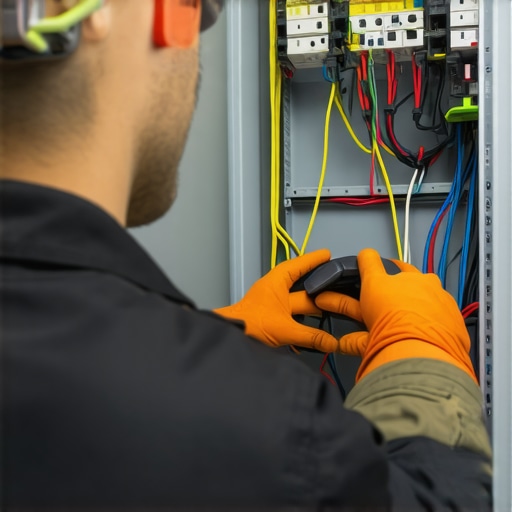
My Journey into Troubleshooting Electrical Wiring & Lighting Safety
Ever since I installed my own lighting system in my home, I’ve faced my fair share of electrical issues. I remember the first time I encountered flickering lights and thought, “This can’t be too complicated to fix.” That initial experience sparked my curiosity and led me to learn more about troubleshooting electrical wiring and lighting safety.
Understanding the Basics of Electrical Troubleshooting
One thing I’ve learned is that troubleshooting begins with safety. Before diving into any repairs, I always turn off the power at the circuit breaker — it’s a simple step, but absolutely essential. From there, inspecting connections, looking for loose wires, and testing with a multimeter has become my routine. I found that many issues stem from poor connections or damaged wiring, which can be easily overlooked without careful inspection.
My Favorite Strategies for Diagnosing Common Lighting Problems
When I face lighting issues, I follow a systematic approach. First, I check the bulb itself — sometimes, it’s as simple as replacing a burnt-out bulb. If that doesn’t help, I examine the fixture, ensuring that wiring connections inside are secure. Sometimes, the problem is in the switch wiring or the circuit breaker, which I troubleshoot by tracing the circuit step-by-step.
How Do I Handle Unexpected Electrical Faults?
Unexpected faults can be challenging. For example, I once had a circuit that kept tripping without an obvious reason. I learned to isolate sections of the wiring, testing each segment. Using resources like authoritative guides from [reliableelectricpro.com](https://reliableelectricpro.com/how-electricians-tackle-troubleshooting-for-lighting-installations) helped me identify hidden faults. Sometimes, a simple reset isn’t enough, and I need to replace faulty components or rewire certain sections to ensure safety and reliability.
Why Is It Better to Consult Professional Electricians for Complex Issues?
I’ve realized that while DIY troubleshooting is rewarding, certain problems require expert knowledge. For instance, complex wiring setups or issues with high-voltage systems can be dangerous without proper training. According to experts from [reliableelectricpro.com](https://reliableelectricpro.com/troubleshooting-electrician-tips-for-safe-ev-charger-lighting-installation), professional electricians possess the experience to diagnose and fix issues safely and efficiently. When in doubt, I always recommend calling in licensed professionals to prevent accidents or further damage.
If you’ve faced similar issues or have your own troubleshooting tips, I’d love to hear your stories. Feel free to share your experiences in the comments or explore more expert advice on [lighting installation troubleshooting](https://reliableelectricpro.com/lighting-installation-troubleshooting-guide-for-safer-brighter-homes-2025).
The Nuances of Troubleshooting Electrical Wiring in Modern Homes
As an experienced electrician, I often encounter intricate wiring configurations, especially in newer homes equipped with smart systems and advanced lighting setups. These complexities demand a nuanced approach that balances technical knowledge with practical troubleshooting skills. When confronting wiring issues, I start by consulting detailed wiring diagrams and referencing trusted sources like [reliableelectricpro.com](https://reliableelectricpro.com/how-electricians-tackle-troubleshooting-for-lighting-installations) to ensure that I understand the specific circuit layouts involved. This foundational step prevents misdiagnosis and promotes safety during repairs.
How Can Advanced Lighting Systems Pose Unique Challenges?
Modern lighting systems—such as dimmable LEDs, smart lighting, and integrated home automation—introduce unique challenges. For example, compatibility issues between dimmers and LED bulbs can cause flickering or non-responsive fixtures. In such cases, I recommend verifying the specifications of each component, ensuring they are compatible and correctly installed. Additionally, testing circuits with a multimeter or a dedicated lighting tester can help identify voltage irregularities or faulty switches. For detailed troubleshooting, professional electricians often use specialized tools like circuit analyzers to detect subtle faults that might escape a DIY inspection.
What Are the Practical Steps for Diagnosing Hidden Wiring Faults?
Hidden faults—such as damaged insulation, loose connections behind walls, or corroded terminals—are especially tricky. To diagnose these issues, I employ a systematic process: first, isolating sections of the wiring by turning off circuits and inspecting accessible connections. When visual inspection isn’t enough, I utilize non-contact voltage testers and insulation resistance testers to identify faults without invasive procedures. Sometimes, a thermal imaging camera reveals hotspots caused by poor connections or overloaded circuits. If you’re interested in mastering these techniques, exploring authoritative guides from [reliableelectricpro.com](https://reliableelectricpro.com/troubleshooting-electrician-tips-for-safe-ev-charger-lighting-installation) can expand your diagnostic toolkit.
Why Is Professional Intervention Critical for Complex Electrical Repairs?
Despite the satisfaction of DIY troubleshooting, certain issues demand professional expertise, especially when dealing with high-voltage systems or complex automation wiring. Incorrect handling can lead to safety hazards, code violations, or further damage. Certified electricians possess the experience to perform comprehensive diagnostics and repairs, ensuring compliance with safety standards. According to industry leaders, leveraging professional services not only guarantees safety but can also save time and money in the long run. To find trusted electricians, visit [reliableelectricpro.com/contact-us](https://reliableelectricpro.com/contact-us), where I often refer my clients for reliable service.
If you’ve encountered particularly stubborn wiring faults or advanced lighting challenges, I encourage you to share your stories in the comments. For those eager to deepen their troubleshooting skills, I recommend reading more about expert lighting troubleshooting strategies at [top-lighting-installation-troubleshooting](https://reliableelectricpro.com/top-lighting-installation-troubleshooting-strategies-for-homes-2025), which offers valuable insights from seasoned electricians.
Delving into the Intricacies of Modern Electrical Systems
As I continued my journey in troubleshooting electrical wiring, I realized that modern homes introduce a level of complexity that demands not just technical skills but also a nuanced understanding of smart systems and automation. For instance, when dealing with interconnected lighting and smart home devices, the troubleshooting process becomes a puzzle of compatibility, communication protocols, and software interfaces.
Addressing Compatibility Challenges in Smart Lighting
One of the more perplexing issues I encountered was flickering in a smart LED lighting setup. It turned out that the dimmer switch was incompatible with the LED bulbs, causing instability. To resolve this, I had to verify the specifications of each component and ensure they matched, following guidelines from authoritative sources like lighting installation troubleshooting. Upgrading to a compatible dimmer and recalibrating the system restored stability and brightness.
Diagnosing Hidden Wiring Faults in Complex Networks
Hidden faults, such as damaged insulation behind walls or corroded terminals, are particularly challenging. I’ve found that non-invasive tools like thermal imaging cameras can reveal hotspots that indicate poor connections or overloads. When visual inspection isn’t sufficient, insulation resistance testers help identify deteriorated wiring without invasive procedures. These advanced techniques have saved me hours of guesswork and prevented potential safety hazards.
Why Do Advanced Systems Require Specialized Tools?
Modern systems often involve communication protocols like Zigbee, Z-Wave, or Wi-Fi, which require specialized diagnostic tools for troubleshooting. For example, circuit analyzers and network sniffers can detect issues in signal transmission or interference that simple multimeters cannot. According to expert electrician guides, leveraging these tools is crucial for ensuring system reliability and safety in complex installations.
What Are the Risks of DIY Troubleshooting in High-Voltage or Automated Systems?
Attempting DIY repairs on high-voltage wiring or intricate automation setups can pose serious safety risks. Without proper training, there’s a danger of electrical shock, fire, or further damage. Certified electricians possess the experience and equipment to perform diagnostics safely and in compliance with local codes. For complex issues, I always recommend consulting professionals through trusted resources like contact pages. Your safety and the integrity of your electrical system depend on it.
If you’ve encountered similar challenges or have developed your own troubleshooting strategies, I invite you to share your stories. Exploring these experiences can deepen our collective understanding and help us navigate the evolving landscape of electrical systems effectively. For more insights, check out top troubleshooting strategies from seasoned professionals.
Deciphering the Complexity of Smart Home Electrical Networks
As I delve deeper into modern electrical systems, the intricate web of smart home wiring and automation protocols demands a refined troubleshooting approach. Unlike traditional setups, these systems integrate communication protocols like Zigbee, Z-Wave, and Wi-Fi, creating layers of complexity that can challenge even seasoned electricians. When diagnosing issues in these environments, I rely heavily on specialized tools such as network analyzers and circuit analyzers, which help me interpret data signals and identify interference or communication breakdowns. This advanced diagnostic capability ensures I can pinpoint faults that elude basic multimeter checks, saving time and enhancing safety.
The Art of Diagnosing Hidden Wiring Faults in Sophisticated Installations
Hidden wiring faults pose significant risks, especially in homes with extensive automation. Damaged insulation, corroded connectors, or loose terminals behind walls are often the culprits behind intermittent faults or fire hazards. To uncover these issues, I employ non-invasive techniques like thermal imaging cameras to detect hotspots indicating poor connections or overloads. Additionally, insulation resistance testers allow me to assess the integrity of wiring without invasive procedures. These tools, combined with detailed wiring diagrams and professional experience, enable me to diagnose and rectify faults before they escalate into safety hazards.
How Do I Ensure Compatibility in Complex Smart Lighting Systems?
Compatibility issues between smart lighting components can cause flickering, non-responsiveness, or system crashes. To prevent these problems, I meticulously verify the specifications and communication protocols of each device, ensuring they align perfectly. For instance, mismatched dimmers and LEDs are common sources of instability. Upgrading to compatible dimmers and recalibrating the system often resolves these issues seamlessly. For in-depth guidance, I consult authoritative resources like lighting troubleshooting guides that provide insights into optimizing smart home lighting performance.
What Are the Risks of DIY Troubleshooting in Advanced Systems?
Embarking on DIY repairs in high-voltage or complex automation systems carries significant risks, including electrical shock, fire, or further damage. Without specialized knowledge and tools, attempts to diagnose or repair these systems can compromise safety standards and void warranties. Certified electricians possess the experience and equipment necessary to perform diagnostics safely, ensuring compliance with local electrical codes and standards. When dealing with high-voltage or integrated automation challenges, I always recommend consulting trusted professionals through platforms like contact pages. Prioritizing safety not only protects your home but also preserves the longevity of your electrical investments.
Integrating Future-Proof Solutions for Evolving Home Systems
As technology advances, future-proofing my electrical installations has become a priority. This involves using modular components, scalable wiring architectures, and smart system compatibility considerations. For example, planning for higher load capacities and incorporating accessible junction boxes facilitate future upgrades without invasive rewiring. Moreover, selecting devices adhering to industry standards ensures seamless integration with emerging protocols. Staying informed through authoritative resources like expert guides empowers me to design resilient systems that adapt to evolving technological landscapes, reducing long-term maintenance challenges.
How Can I Leverage My Expertise to Enhance Home Safety and Efficiency?
My journey into mastering advanced troubleshooting techniques enables me to advise homeowners on optimizing safety and energy efficiency. By conducting comprehensive diagnostics, I identify potential faults before they lead to hazards, and I recommend upgrades such as surge protectors and energy-efficient components. Sharing my insights through detailed consultations or content like this blog helps demystify complex electrical issues for my clients and readers alike. If you’re eager to deepen your understanding of high-level troubleshooting strategies, I invite you to explore more at top electrician tips. Together, we can foster safer, smarter homes equipped to meet the demands of the future.
Things I Wish I Knew Earlier (or You Might Find Surprising)
Hidden Dangers in Simple Fixes
One thing I realized over time is that even small electrical issues can hide bigger safety risks. I once ignored a loose switch connection, only to find it caused intermittent flickering and potential fire hazards. Now, I always take the time to thoroughly inspect and ensure all connections are secure, understanding that safety should never be compromised.
The Power of Proper Tools
Initially, I tried troubleshooting with basic tools, but I quickly learned that investing in quality multimeters and insulation testers made all the difference. These tools help me diagnose problems accurately and avoid invasive procedures, which can sometimes cause more harm than good if not done carefully.
When to Call a Pro
No matter how much I enjoy DIY, I’ve learned my limits—especially with high-voltage systems or complex wiring. Knowing when to seek professional help ensures safety and compliance with local codes. Trusting experienced electricians like those at Reliable Electric has saved me from costly mistakes and potential accidents.
Understanding Modern Wiring Complexities
Modern homes with smart systems and automation demand a nuanced approach. Compatibility issues, like mismatched dimmers and LEDs, can cause frustration. I now verify specifications carefully, referencing detailed guides such as lighting troubleshooting guides to keep systems running smoothly.
Diagnosing Hidden Faults
Hidden wiring faults behind walls are tricky. I use thermal imaging cameras and insulation resistance testers to locate problems without invasive repairs. These techniques have become my go-to methods for saving time and maintaining safety.
The Role of Advanced Tools
For sophisticated smart home systems, specialized tools like circuit analyzers are essential. They help detect communication issues and interference that basic tools can’t identify. I’ve found that leveraging such equipment ensures reliable and safe operation of complex systems.
Resources I’ve Come to Trust Over Time
- Reliable Electric: Their comprehensive guides and tips have been invaluable for troubleshooting and ensuring safety in my electrical projects.
- Electrical Safety Foundation International (ESFI): Provides authoritative safety standards and best practices that I follow diligently.
- National Electrical Code (NEC): Staying updated with NEC guidelines helps me ensure my work meets legal and safety requirements.
Parting Thoughts from My Perspective
Through my journey, I’ve learned that troubleshooting electrical wiring isn’t just about fixing problems—it’s about understanding systems, respecting safety, and knowing when to seek expert help. Using the right tools, resources, and safety precautions transforms a daunting task into a rewarding experience. If this resonates with you, I’d love to hear your stories or tips. Remember, when in doubt, trusting professionals like those at Reliable Electric is always the safest choice for complex issues. Happy troubleshooting, and stay safe!
Reading through this detailed journey into troubleshooting electrical wiring really resonated with me, especially since I’ve had my fair share of flickering lights and circuit trips in my own home. I agree that safety always comes first; I make it a point to turn off the breaker before inspecting anything. One thing I’ve found helpful is creating a wiring diagram as I go, especially in older homes where connections can get messy over years of repairs. This has saved me a lot of time when tracking down faults. What tools or methods do others find most effective for diagnosing hidden or intermittent wiring issues? I’ve started using thermal cameras, which are a game-changer for identifying hotspots without invasive probing. Would love to hear if anyone else has tried these or other advanced tools and what their experiences have been.
I really appreciated this detailed look into troubleshooting modern electrical systems, especially since I’ve recently been dealing with compatibility issues in my smart home setup. The point about verifying specifications and using the right tools resonates with me; I’ve found that investing in a good insulation resistance tester and thermal imaging camera has significantly improved my diagnostic accuracy. One challenge I’ve encountered is identifying intermittent faults that only appear under specific conditions, like certain times of day or load scenarios. Has anyone used data loggers or specialized testing modules that can record voltage or current fluctuations over time? I think integrating these kinds of tools could help catch faults that are otherwise elusive. Additionally, the importance of consulting wiring diagrams can’t be overstated, especially in newer homes with complex automation wiring. What are some best practices for keeping those diagrams up to date, especially after multiple repairs or upgrades? Would love to hear any tips from experienced troubleshooters on managing these intricate systems effectively.
This post really hits home for me, especially the part about safety being the starting point of any troubleshooting. I remember my first DIY project involving replacing a switch; I was eager but didn’t fully appreciate how crucial turning off the breaker was until I experienced a small shock. It’s always a reminder to prioritize safety first, even in seemingly simple tasks. I also agree that creating a wiring diagram as I go is incredibly useful, especially for older houses with complex wiring. Personally, I’ve found that using a non-contact voltage tester before handling any wiring saves a lot of trouble. Has anyone here experimented with smart testing tools or apps that can help keep wiring diagrams updated automatically after repairs? I’d be interested in any recommendations. Also, I’ve faced issues with compatibility in smart lighting setups, so verifying component specs before installation has saved me from flickering and non-responsive lights. Overall, this is a fantastic resource for DIY enthusiasts to understand when to handle issues themselves and when to call in a professional for safety and reliability.
Reading this post really resonated with me, especially the emphasis on safety and proper troubleshooting procedures. I recall a time when I tried to fix a flickering ceiling light without turning off the breaker first — luckily, I caught myself before any mishaps, but it was a stark reminder of how dangerous DIY electrical work can be without proper precautions. What I’ve learned is that investing in a good non-contact voltage tester and a multimeter has saved me countless headaches, especially in complex wiring setups. It’s interesting to consider how smart home technology complicates troubleshooting — compatibility issues and communication errors can be tricky to diagnose without the right tools. I wonder, how many DIYers have tried using a network analyzer to troubleshoot smart lighting and automation systems? Do you think there’s a risk of over-reliance on digital diagnostic tools, which might overshadow fundamental safety practices? I’d love to hear others’ experiences with these advanced troubleshooting methods and any tips for staying safe during repair attempts. It’s clear that knowing when to call in a professional can prevent serious hazards, especially as home systems become more interconnected.