Imagine this: You’re plugging in your electric vehicle after a long day, expecting a quick charge so you can hit the road early tomorrow. But instead of the familiar hum of your charger working smoothly, you’re met with flickering lights and a frustrating error message. That sinking feeling hits you — what if this problem isn’t just a minor glitch, but something that could threaten your home’s safety? I’ve been there, and believe me, the first time I ignored a warning sign, it almost cost me more than a few hours of inconvenience.
Why Electrical Troubleshooting for EV Chargers Matters Now More Than Ever
With the rise of electric vehicles, the importance of proper, safe home charging solutions can’t be overstated. A faulty connection or overlooked wiring issue isn’t just an annoyance — it’s a real safety risk. According to the U.S. Fire Administration, electrical malfunctions are a leading cause of home fires, and EV charging stations are no exception. Proper troubleshooting, maintenance, and setup not only protect your home but also ensure your EV charges efficiently and reliably.
If you’ve faced issues like inconsistent charging, tripped breakers, or strange noises from your charger, you’re not alone. These are common problems that can often be resolved with some expert guidance. But the real trick is knowing where to start and how to avoid the mistakes I made early on — like ignoring a small flicker that turned into a major power surge. Trust me, a little knowledge can save you a lot of trouble.
Is Electrical Troubleshooting for EV Chargers Actually Worth the Effort?
Absolutely. When I first started installing my own charger, I thought I could handle it on my own. Turns out, I missed some critical safety checks, which nearly led to a dangerous short circuit. That experience taught me that proper troubleshooting isn’t just about fixing a problem — it’s about understanding your home’s electrical system and preventing future hazards. If you want to keep your family safe and your vehicle charged without worry, investing in expert tips and regular maintenance is key. Want to learn the best ways to troubleshoot your EV charger? Check out these troubleshooting tips and get your home ready for safe, reliable EV charging.
Check Your Breakers and Outlets First
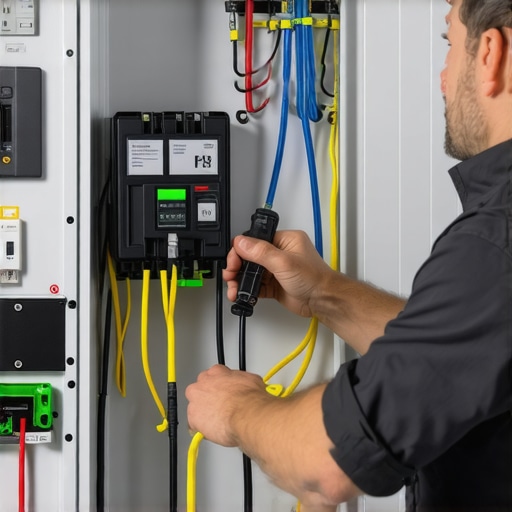
My own troubleshooting journey started when my EV charger kept tripping the circuit breaker every night. I immediately switched off the breaker and inspected the outlet. Using a reliable multimeter, I tested for voltage stability—if the outlet isn’t delivering consistent power, your charger can’t work properly. If you notice flickering lights or inconsistent voltage, it’s time to call a qualified electrician. Remember, a faulty breaker or outlet is a common culprit and fixing it early prevents dangerous electrical faults.
Inspect the Wiring and Connectors
Next, I examined the wiring connections on my charger. I made sure all connectors were tight and free of corrosion. Loose or damaged wiring can cause intermittent charging or even electrical fires. Think of your wiring like the veins of your home’s electrical system—if they’re blocked or broken, your EV charger won’t operate safely. If you find damaged wires, don’t attempt to fix them yourself unless you’re trained; instead, consult a professional. Proper wiring ensures safety and optimal performance, which you can learn more about at this troubleshooting guide.
Test the Charger Itself
After confirming the outlet and wiring are sound, I tested the charger with another compatible vehicle or used a different charger on the same outlet. This helps isolate whether the problem is with the charger or the home’s electrical system. If the charger is faulty, replacement or professional repair is necessary. Sometimes, cleaning the contacts and ensuring no debris interfere with connection can resolve minor issues. Remember, a well-maintained charger is crucial for safety and efficiency, so review maintenance tips.
Ensure Proper Grounding and Safety Measures
Incorrect grounding is a hidden hazard that can cause shocks or fires. I checked that my EV charging station was properly grounded using a grounding tester. If you’re unsure, it’s best to have a professional verify this. Proper grounding ensures that any fault current is safely diverted, protecting you and your home. For detailed setup instructions, see home charging station setup tips.
Regular Maintenance and Professional Checks
Finally, I scheduled regular inspections with a licensed electrician. They perform detailed diagnostics and ensure all components meet safety standards. Remember, ongoing maintenance prevents unexpected failures and keeps your charging system running smoothly. For expert advice and routine checks, explore maintenance best practices.
When it comes to troubleshooting your electric vehicle (EV) charger, many homeowners fall prey to misconceptions that can lead to costly mistakes or safety hazards. Let’s dig deeper into some of the most common myths and reveal the hidden nuances that even seasoned DIY enthusiasts might overlook. Understanding these nuances is crucial for ensuring your home charging setup remains safe, efficient, and reliable.
Why Many Believers in DIY Fixes Miss the Mark
A widespread myth is that troubleshooting is a simple process anyone can master with basic electrical knowledge. While it’s true that some minor issues like loose connectors or dirty contacts can be addressed by homeowners, the complexity of modern EV charging stations often requires professional intervention. Modern chargers integrate sensitive electronics, sophisticated grounding systems, and communication protocols that, if mishandled, can cause further damage or safety risks. According to this expert guide, a nuanced understanding of electrical codes and safety standards is essential—something that a generic DIY approach might overlook.
Don’t Fall for the Fix-It-All Trap
Another common trap is the belief that replacing a single component—like the charging cable or circuit breaker—resolves all issues. In reality, problems often stem from interconnected faults. For example, a tripping breaker might be caused by wiring damage, improper grounding, or a faulty charger circuit, not just a worn-out cable. Addressing only the symptom rather than the root cause can exacerbate the problem. This is why regular maintenance and comprehensive diagnostics from qualified electricians are recommended, as outlined in these maintenance tips.
Advanced Troubleshooting: What the Pros Know
For the more advanced or persistent issues, understanding the importance of proper grounding, load balancing, and communication protocols can make a real difference. A common misconception is that grounding simply involves connecting wires; in fact, improper grounding can cause shocks, reduce system efficiency, or trigger false fault signals. Professionals use specialized testing tools and adhere to detailed standards, such as those outlined in home setup guidelines, to ensure all components work harmoniously. Missing these nuances can turn a minor glitch into a major safety concern.
Have you ever fallen into this trap? Let me know in the comments. Remember, when in doubt, consulting a trusted electrician not only saves you time but also keeps your home safe and your EV charging reliable.
How do I keep my EV charger running smoothly over time?
Maintaining your EV charger is crucial for ensuring safe, efficient, and long-lasting performance. Over the years, wear and tear, environmental factors, and electrical fluctuations can impact your charging station’s reliability. To stay ahead of potential issues, I rely on a few specific tools and routines that have proven effective in my experience.
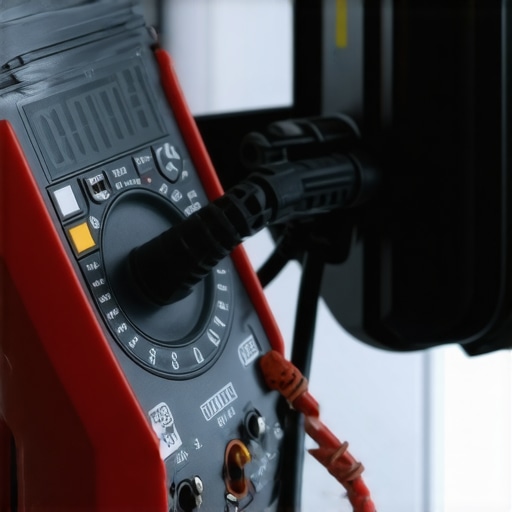
The first essential tool I recommend is a high-quality multimeter. I personally use the Fluke 117, which provides precise voltage and continuity readings. This allows me to regularly test outlets, wiring connections, and grounding systems without needing to call in a professional for basic diagnostics. Consistent voltage checks help catch fluctuations early and prevent damage to your charger or home wiring.
Secondly, I use a dedicated circuit tester, like the Klein Tools ET300. This device quickly verifies proper wiring and ground connections, making routine inspections faster and more reliable. I’ve found that testing my setup monthly helps identify loose connections or deteriorating wiring before they cause faults or safety hazards.
Beyond hardware, software tools can also streamline maintenance. I recommend using a smartphone-compatible electrical inspection app, such as ElectroDroid, to keep detailed logs of tests, readings, and maintenance schedules. Keeping records not only helps track issues over time but also provides valuable documentation if you need professional assistance or warranty claims.
For ongoing performance, I schedule quarterly inspections with a licensed electrician. I choose electricians experienced in EV installations, referencing their work through detailed reports and photos. This proactive approach helps identify hidden problems, like corroded wiring or improper grounding, that could compromise safety and efficiency. Regular professional checks are supported by standards outlined in expert troubleshooting guides.
Looking ahead, the trend is moving toward smarter, self-monitoring charging stations. Future models will likely incorporate built-in diagnostic systems that alert homeowners to issues via mobile apps, reducing the need for manual testing. For now, combining reliable tools with routine checks offers the best assurance of long-term performance.
What steps can I take to keep my EV charger functioning optimally?
Start with regular visual inspections—look for signs of wear, corrosion, or loose connections. Use your multimeter to verify voltage stability and ensure your grounding system remains intact. Keep the charger and its connectors clean and free of debris, which can interfere with proper operation. Additionally, consult your electrician for periodic system upgrades or rewiring if your home’s electrical capacity changes.
Try implementing a quarterly maintenance routine using your multimeter and testing tools. This small investment of time pays off by preventing costly repairs and ensuring your EV is always ready to go when you are. For more detailed maintenance strategies, explore these expert tips.
Remember, staying proactive with maintenance not only extends the lifespan of your charging station but also keeps your home safe. As the market evolves, expect smarter diagnostic features to assist us further, but for now, diligent manual checks and reliable tools are your best allies.
The Hardest Lesson I Learned About EV Charger Troubleshooting
Early in my journey, I ignored a flickering indicator on my EV charger, thinking it was a minor glitch. That small sign turned into a costly repair because I skipped essential safety checks. The key lesson? Never overlook seemingly minor warning signs—every flicker or beep hints at underlying issues that could escalate if ignored.
Three Myths About EV Charging Maintenance That Held Me Back
I used to believe that once my charger was installed, it would run flawlessly forever. I also thought that replacing a single faulty cable would solve all problems. It wasn’t until I learned about the interconnected nature of electrical faults and the importance of regular professional inspections that my system became truly reliable. Regular maintenance isn’t optional; it’s essential for safety and longevity.
What Experts Won’t Tell You About Troubleshooting Your EV Charger
One thing I discovered through experience is that proper grounding is often overlooked by DIY enthusiasts. A faulty ground connection can cause shocks or fires, and it’s not something you want to experiment with. Professional electricians use specialized tools and adhere to strict standards—trusting their expertise is the smartest move. For detailed setup and troubleshooting, check out this comprehensive guide.
My Essential Toolkit for Maintaining Your EV Charger
Over time, I relied on a high-quality multimeter like the Fluke 117 to regularly test voltage stability and wiring integrity. A dedicated circuit tester, such as Klein Tools ET300, helped verify proper wiring connections quickly. Using these tools monthly has prevented major issues and kept my system running smoothly. Keeping detailed logs with inspection apps like ElectroDroid further simplifies ongoing maintenance. Regular professional check-ups complement these routines and ensure everything remains safe and efficient.
Your Turn to Take Action and Keep Charging Safely
Maintaining your EV charger isn’t just about convenience—it’s about protecting your home and loved ones. Regular checks, expert consultations, and being attentive to warning signs can make all the difference. As technology advances, smarter diagnostics will emerge, but for now, diligent manual checks are your best safeguard. Ready to implement these tips and keep your EV charging safe? Share your experiences or questions below—I’d love to hear from you!
This article really hits home for me because I experienced a similar situation with my EV charger last year. I initially thought that simple troubleshooting—like resetting the breaker or cleaning contacts—would fix the problem, but it turned out to be more complex. After calling in an electrician, we discovered improper grounding and damaged wiring that could have posed serious safety hazards if left unaddressed. I’ve learned that regular maintenance and professional inspections are not just recommendations but essential for ensuring safety and avoiding costly damage. What are some signs homeowners should watch for that indicate their charger might need immediate professional attention beyond basic checks? I’m curious about how others handle ongoing maintenance and whether smart diagnostic tools are truly reliable for early problem detection.
This post really hit close to home, as I’ve faced similar issues with my EV charger. I initially tried the usual resets and checked outlets, but it wasn’t until I called an electrician that I realized the grounding was all wrong, and some wiring was corroded. It’s a stark reminder that DIY fixes are helpful for minor glitches, but when it comes to safety-critical systems like home charging stations, professional inspections are essential. I’ve also started using a smart diagnostic device recommended by my electrician, and honestly, it’s been a game-changer for early detection of potential problems. Have others found these tools to be reliable, or do they sometimes give false alarms? I think combining routine visual checks with smart diagnostics and professional inspections is the best way to keep everything running smoothly and safely. What’s your take on integrating smart technology into regular maintenance routines? Feel free to share your experiences on this aspect.