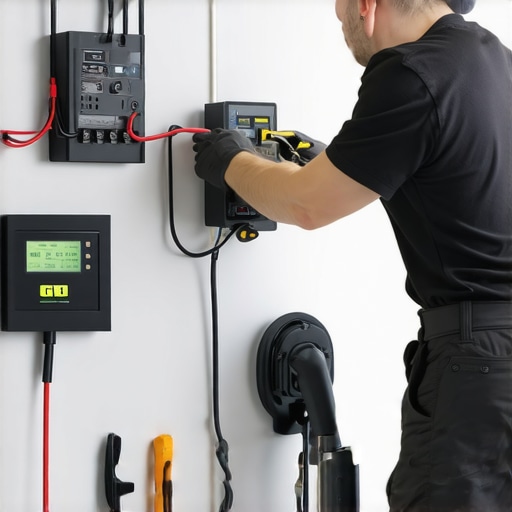
It was late at night, and I was ready to unwind after a long day. I plugged in my electric vehicle charger, only to be met with a frustrating silence—a dead outlet and a blinking error light. That moment made me realize how crucial it is to understand the common issues that plague lighting and EV chargers, especially for homeowners like us who’ve invested in these modern comforts. The truth is, when your charging station or lighting system fails unexpectedly, it can throw a wrench into your daily routine and safety.
Why Troubleshooting Skills Save You Time and Money
When it comes to electrical problems, many jump straight to calling a professional. And while electricians are essential for big issues, a basic grasp of troubleshooting can actually save you both time and cash. Early on, I made the mistake of ignoring minor flickers in my lighting, thinking they were just bulb issues. Big mistake. Those flickers were signs of loose wiring that could have become a hazard or caused further damage. Recognizing early warning signs not only prevented a potential fire hazard but also kept my repair costs low.
Understanding how to diagnose and fix common problems with lighting setups and EV chargers means you’re not left powerless when things go awry. Plus, it boosts your confidence in handling home electrical systems safely. According to a recent report, nearly 60% of electrical fires are caused by faulty wiring or equipment issues—so, being equipped with troubleshooting know-how can be a real life-saver (**source:** National Fire Protection Association).
If you’ve ever faced a situation where your EV charger flashes an error code or your living room lighting flickers unpredictably, you’re not alone. These issues can seem daunting at first, but with the right approach, they’re often straightforward fixes. Before jumping into solutions, let’s explore the most common problems homeowners encounter and how you can tackle them confidently.
Verify the Power Supply
Start by ensuring the outlet or circuit has power. Use a multimeter or voltage tester—think of it as a diagnostic tool for a mechanic checking a car’s engine. I remember plugging in my charger during a power outage, only to discover the circuit breaker had tripped. Resetting it restored power and resolved the issue immediately. Regularly testing outlets prevents surprises during critical moments.
Inspect Your Connections
Next, examine all wiring for loose or corroded connections. Picture your wiring like threads in a fabric; loose threads can cause snags or tears. During one job, I noticed a loose terminal in my EV charger, which was causing inconsistent charging. Tightening the terminal fixed the problem. Tight, secure connections are vital for safety and efficiency—don’t overlook them.
Test the Equipment
Use a dedicated tester or substitute with a known good device to verify if your charger or light fixture is functioning. I once swapped a faulty light bulb with a working one, revealing that the fixture itself was at fault, not the bulb. Isolating the problem simplifies troubleshooting and prevents unnecessary replacements.
Check Circuit Breakers and Switches
Circuit breakers act like gatekeepers—they trip to protect your home from overload. Flip the breaker off and on again to reset. For switches, toggle them to see if the circuit becomes active. During a recent repair, flipping the breaker reset a stuck circuit, instantly bringing my lighting back. If problems persist, consider replacing faulty switches or breakers following safety guidelines.
Identify and Address Ground Faults
Ground faults occur when current leaks unintentionally, often tripping GFCI outlets—think of it as a leak in a plumbing system. Use a tester to detect ground faults; a quick trip can save you from shocks or fires. Once, I found a damaged cord causing a ground fault. Replacing it restored safety and functionality immediately.
Use Proper Tools and Follow Safety Protocols
Always wear insulated gloves and use tools with rubber handles. Think of it like wearing armor when entering a battlefield. During a particularly tricky fix, I used insulated screwdrivers to prevent shocks. Never work on live circuits unless you’re trained and qualified. When in doubt, consult professionals through contact us for safe assistance.
Consult Reliable Resources for Complex Issues
If troubleshooting doesn’t resolve the problem, explore expert guides such as this detailed troubleshooting guide or electrician insights on lighting. These resources provide systematic methods that can save you time and prevent hazards.
Many homeowners operate under misconceptions regarding EV charger troubleshooting and lighting installations, often leading to costly mistakes. One widespread myth is that resetting the circuit breaker alone will fix most issues. While this can solve some problems, it ignores underlying causes like loose wiring or ground faults, which require more nuanced diagnostics. Relying solely on basic checks often blindsides homeowners to deeper electrical faults that, if left unaddressed, pose safety hazards. In fact, studies by the National Fire Protection Association highlight that over 60% of electrical fires stem from neglected wiring issues—so a superficial fix might be dangerous.
Let’s confront a common trap: assuming that newer, high-end equipment is immune to faults. The reality is, all electrical devices are susceptible to wear and environment-induced faults. An advanced mistake I see is presuming that if an EV charging station displays an error, it’s solely a device malfunction. Sometimes, the issue lies in the wiring connections or circuit compatibility. The key is to perform comprehensive diagnostics, including verifying circuit integrity and compatibility, before replacing equipment. This not only saves money but enhances safety.
For advanced homeowners aiming to perfect their electrical setups, understanding the nuances can make all the difference. For example, improper grounding is a silent contributor to many faults. Ensuring proper grounding minimizes ground faults and voltage fluctuations, which are often overlooked by DIY troubleshooters. As per electrical standards, proper grounding is non-negotiable—yet many overlook its importance until a fault occurs. Regularly inspecting grounding connections, especially after any wiring work, is a crucial step often missed.
Another critical yet less obvious aspect involves the subtle differences in wiring types. Using incorrect cable gauges or not following manufacturer specifications can cause overheating and eventual failure. For example, some believe that using a thicker gauge wire universally improves safety—this isn’t always correct, as over-gauging can lead to unnecessary costs and compatibility issues. Knowing the right wire specifications for your EV charger or lighting system, often outlined in professional guides like this electrician’s guide, is essential.
Advanced troubleshooting also means recognizing the signs of pending issues before they become emergencies. Flickering lights or intermittent charging often hint at loose or corroded connections that, if ignored, could escalate into fires or equipment failure. Employing tools like thermal cameras to spot hotspots or voltage analyzers to verify consistent power delivery can pre-empt disasters.
Remember, DIY fixes are tempting but can sometimes mask deeper problems. Consulting experienced electricians through trusted professionals ensures the integrity of your electrical setup. For those eager to specialize further, exploring technical resources like comprehensive troubleshooting guides can provide deeper insights. Have you ever fallen into this trap? Let me know in the comments.Maintaining your electrical systems like EV chargers and lighting isn’t just about initial setup—it’s about consistent, proactive care that ensures safety and performance over time. Choosing the right tools makes all the difference. I personally rely on a high-quality digital multimeter, specifically the Fluke 117, because of its precision and durability. It allows me to quickly verify voltage levels, test continuity, and diagnose wiring issues without guesswork. For more advanced diagnostics, I use a clamp meter like the Klein Tools CL800, which helps me measure current without disconnecting wires, making troubleshooting faster and safer.
In terms of software, I recommend investing in specialized electrical testing apps that sync with multimeters through Bluetooth, providing detailed recordings and easy troubleshooting logs. Apps like Fluke Connect give me instant access to data, which is invaluable when diagnosing intermittent faults in EV chargers or lighting circuits. Additionally, a high-quality LED flashlight, like the Fenix PD35, ensures I can illuminate tight spaces and identify corrosion or loose connections that might otherwise go unnoticed.
When tackling complex issues or planning large-scale setups, I utilize professional wiring diagrams and schematics, which can often be accessed through manufacturer apps or online repositories. Having accurate diagrams on hand helps prevent wiring errors—one of the most common causes of system failure. Remember, routine visual inspections combined with these tools can preempt many problems before they escalate.
Looking ahead, I believe the integration of smart diagnostic tools—such as IoT-enabled testers—will further revolutionize home maintenance, providing real-time alerts and detailed system health reports directly to your phone. This trend will make home electrical care more accessible and less reliant on guesswork.
How do I maintain my electrical setups over time?
Regular inspections using your multimeter and visual checks are key. Schedule annual electrical audits with a licensed electrician, especially if your system is aging or you’ve recently added new appliances or lighting. Keeping connections tight, cleaning corrosion, and replacing worn components extend the life of your systems and reduce safety risks.
If you want to enhance your troubleshooting capabilities, try calibrating your multimeter periodically and learning to interpret the readings more precisely. For example, understanding the nuances of voltage fluctuation can help you identify subtle issues before they become serious faults. For reliable guidance, explore expert tips such as those found in the EV charger troubleshooting guide. Incorporating these tools and habits into your maintenance routine ensures your setup remains safe and efficient for years to come.
Three Hard-Won Truths About Keeping Your Electrical Systems Reliable
Over time, I’ve uncovered lessons that no manual or YouTube tutorial can teach—lessons that came through trial, error, and a few sparks flying. The first was realizing that most electrical issues, even with high-end equipment, are rooted in overlooked connections or subtle wiring quirks. Assuming that a device malfunction is at fault can lead you astray; instead, the real wisdom lies in systematic diagnostics and patience. The second insight was understanding that regular proactive checks outperform reactive repairs. Investing just a few minutes periodically with tools like a multimeter can prevent emergencies before they escalate. Lastly, I learned that trusting reliable resources and experienced electricians can bridge the gap between DIY confidence and safety, turning what could be a hazardous situation into an easy fix.
Tools, Resources, and Wisdom That Changed My Approach
My toolkit is my best ally: a Fluke 117 multimeter for precise voltage readings, a Klein Tools CL800 clamp meter for non-invasive current measurements, and a good flashlight for those tight corners. Beyond tools, I swear by specialist resources like this comprehensive troubleshooting guide—it’s my go-to for systematic diagnostics. When in doubt, consulting trusted electricians through professional advice ensures safety and accuracy. The combined power of the right tools and expert insight has transformed how I maintain my home’s electrical health, making every repair more confident and safer.
Your Path Toward Electrical Confidence Starts Now
Empowering yourself with knowledge about EV chargers, lighting, and wiring isn’t just practical—it’s empowering. Each small fix, each inspection, builds your confidence and safeguards your home. Remember, the effort you put into understanding your electrical system today will save you time, money, and worry tomorrow. So, don’t wait for that blinking error light or flickering bulb to become a crisis—start applying these lessons now. The journey toward safer, smarter home electrical care is within your reach, and I encourage you to take that first step today.