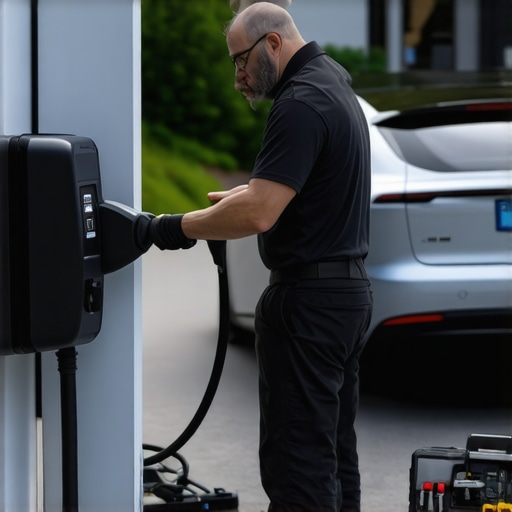
Discovering the World of EV Charging: My First Experience
It all started when I finally decided to switch to an electric vehicle. Excited but a bit overwhelmed, I embarked on my journey to install an EV charger at home. Sharing this experience might help others who are navigating similar paths, especially when it comes to troubleshooting unexpected issues along the way.
Choosing the Right EV Charger: What I Learned
After researching various options, I realized that not all EV chargers are created equal. I focused on selecting a model compatible with my vehicle and my home’s electrical system. For detailed insights, I found this guide on safe and efficient EV charger setup extremely helpful in making an informed decision.
Installation Day: Navigating Electrical Challenges
The installation process was smoother than I expected, thanks to hiring a professional electrician. However, during setup, I encountered a few hiccups. Recognizing the importance of proper wiring and circuit protection, I learned from electricians’ troubleshooting tips that many issues stem from simple wiring errors or circuit overloads.
What If My EV Charger Won’t Power Up?
This was my first troubleshooting challenge. After checking the circuit breaker, outlet, and charger connections, I discovered that a loose wire was the culprit. Consulting the expert troubleshooting guide helped me resolve the problem swiftly. It reinforced that understanding basic troubleshooting steps can save time and stress.
Why Do EV Chargers Sometimes Experience Connectivity or Power Issues?
From my experience and research, issues can arise from outdated firmware, poor grounding, or incompatible electrical setups. Regular maintenance and updates are essential to keep everything running smoothly. Additionally, consulting authoritative sources like the Department of Energy’s EV charging recommendations can provide valuable insights.
I encourage anyone considering an EV charger installation to stay patient and proactive with troubleshooting. Each problem solved is a step closer to seamless electric driving. If you’ve faced similar challenges, please share your experiences in the comments—I love learning from fellow EV enthusiasts!
Unraveling the Mysteries of EV Charger Connectivity: What Every Homeowner Should Know
Encountering connectivity issues with your EV charger can be frustrating, but understanding the underlying causes can help you troubleshoot effectively. Often, problems stem from outdated firmware, poor grounding, or electrical incompatibilities. Regularly updating your charger’s firmware, which can be done through the manufacturer’s app or website, ensures you have the latest features and security patches. Poor grounding can lead to inconsistent charging or error messages; thus, verifying proper grounding is crucial for safety and performance. Additionally, ensuring that your electrical system matches the charger’s specifications helps prevent overloads and damage.
How Can Proper Maintenance and Routine Checks Prevent Charging Failures?
Consistent maintenance is key to avoiding unexpected issues. Schedule periodic inspections of your charging station, checking for loose connections, corrosion, or signs of wear. Clean the charging port and connectors gently to remove dust and debris, which can interfere with the connection. Keep firmware updated to benefit from bug fixes and improvements. For more detailed advice, explore expert maintenance tips for EV chargers.
What Are the Practical Steps to Troubleshoot and Fix Power Failures?
When your EV charger suddenly loses power, start by inspecting the circuit breaker—sometimes, a tripped breaker is the culprit. Reset it if necessary, but also investigate for underlying causes such as overloads or short circuits. Next, verify the power outlet with a multimeter or by plugging in another device—this confirms whether the issue is with the outlet or the charger itself. If the outlet is functional, check the charger’s internal fuse, which might have blown. Replacing a blown fuse is straightforward but should be done following safety protocols. For complex issues, consulting a qualified electrician is advisable—more troubleshooting tips can be found at comprehensive troubleshooting guides.
What Role Does Firmware Play in EV Charger Reliability and How to Keep It Updated?
Firmware acts as the brain of your EV charger, controlling its operations and compatibility with your vehicle. Outdated firmware can cause communication errors, slow charging speeds, or complete failure to connect. Manufacturers often release updates to fix bugs, improve stability, and add features. Regularly checking for updates via the manufacturer’s app or website keeps your charger in peak condition. As recommended by the Department of Energy, maintaining up-to-date firmware is a simple yet vital step in ensuring reliable EV charging.
Are you experiencing persistent issues with your EV charger? Sharing your experiences in the comments can help others troubleshoot their setups more efficiently. Also, don’t forget to explore our detailed guides on lighting and electrical troubleshooting for further insights into maintaining a safe and efficient electrical system at home.
Unpacking the Nuances of Firmware Failures: My Personal Lessons in EV Charger Reliability
One of the most overlooked yet critical aspects of maintaining an EV charger is understanding the role of firmware. During my early days of troubleshooting, I underestimated how much firmware updates could impact overall performance. It wasn’t until I experienced intermittent charging errors that I realized my charger’s firmware was outdated, causing compatibility issues with my vehicle’s latest software updates. Updating firmware isn’t just a routine task; it’s a vital step in ensuring your charger stays resilient against bugs and security vulnerabilities. As highlighted by the Department of Energy, regular firmware updates can prevent a host of connectivity and power issues, saving you time and frustration in the long run.
Deep Dive into Grounding: Beyond the Basics of Safe and Stable Charging
While most homeowners focus on circuit breakers and outlet quality, proper grounding often remains an afterthought—yet it’s fundamental for both safety and performance. My personal experience taught me that poor grounding can lead to erratic charger behavior, error messages, or even safety hazards. I learned that verifying grounding involves not just visual inspection but also testing with a multimeter to ensure compliance with electrical codes. When I had my electrician revisit the grounding system, the difference in charging stability was immediately noticeable. For anyone serious about reliable EV charging, I recommend exploring detailed grounding checks, which might seem complex but are critical for long-term peace of mind. For more detailed guidance, check out electricians’ troubleshooting tips.
What Are the Hidden Electrical Setup Pitfalls That Could Sabotage Your Charging Experience?
Beyond the obvious, there are subtle electrical setup issues that can undermine your charging station’s performance. For instance, using an outlet that has a loose connection or is part of a daisy chain can cause voltage fluctuations, leading to charging interruptions. I found that dedicated circuits for EV chargers significantly improve reliability, especially if your home has an older wiring system. Another often-overlooked factor is the amperage rating—oversized or undersized wiring can either cause trips or prevent your charger from delivering optimal power. To truly optimize your setup, I suggest consulting a qualified electrician who can assess and tailor your electrical system. For comprehensive troubleshooting strategies, visit expert troubleshooting guides.
How Can I Cultivate a Proactive Maintenance Routine to Prevent Unexpected Failures?
In my journey, I realized that proactive maintenance is the best insurance against unexpected downtime. Setting a schedule to inspect connections, clean contact points, and update firmware keeps the system in top shape. For instance, I now check my charging port for dust and debris monthly—simple yet effective in maintaining a stable connection. Additionally, I keep a log of firmware updates and error codes to identify patterns over time. This approach not only extends the lifespan of my equipment but also provides peace of mind. For detailed maintenance tips, I recommend exploring expert maintenance advice.
How Do I Address Persistent Connectivity Issues with My EV Charger?
Persistent connectivity problems can be frustrating, especially when they disrupt your routine. From my experience, the root cause often lies in weak Wi-Fi signals, outdated firmware, or incompatible network configurations. Improving Wi-Fi coverage around the charger, resetting network settings, or updating firmware can often resolve these issues. Sometimes, even interference from other electronic devices can cause disruptions. I found that creating a dedicated, interference-free zone around the charger significantly improved stability. If these steps fail, consulting with an electrician or the manufacturer’s support can help diagnose deeper issues. For more advanced troubleshooting insights, visit our troubleshooting resource.
What Deep Technical Questions Should Homeowners Ask About Their EV Charging Systems?
One profound question I pondered was how the electrical system’s capacity and configuration influence long-term reliability. For example, is my home’s wiring optimized for future upgrades? Are there hidden loads that might impact circuit stability? Understanding these nuances can prevent costly repairs down the line. I also recommend homeowners inquire about load balancing options, especially if they plan to add more appliances or EV chargers in the future. Addressing these questions early ensures a resilient electrical system. For more insights into electrical system planning, consider reaching out via our contact page.
Mastering the Art of Load Balancing for Complex Electrical Systems
One of the critical yet often overlooked facets of ensuring a reliable EV charging experience is sophisticated load balancing within your home’s electrical infrastructure. As my understanding deepened, I realized that simply installing a high-capacity charger isn’t sufficient; integrating smart load management is paramount. This involves leveraging advanced load balancing devices that dynamically distribute power across multiple circuits, preventing overloads and optimizing energy consumption. According to the Department of Energy, adopting such technologies not only prolongs equipment lifespan but also enhances overall safety. For homeowners contemplating future expansions, I recommend consulting an electrician about integrating load management systems early on, ensuring your electrical system remains resilient and adaptable to evolving needs.
What Are the Cutting-Edge Technologies in Smart EV Charging Infrastructure?
Exploring beyond traditional setups, I’ve delved into the realm of smart EV charging stations that communicate seamlessly with home automation systems. These advanced stations utilize IoT capabilities, allowing remote monitoring, scheduled charging, and real-time diagnostics. Implementing such systems can significantly reduce operational costs and enable proactive maintenance. For instance, some chargers send alerts when firmware updates are available or if abnormal usage patterns emerge. I encourage fellow enthusiasts to investigate models that support open standards, ensuring future compatibility. For a more detailed overview, check out our comprehensive guide on EV station setup.
Deepening Your Understanding of Firmware Security and Its Role in Reliability
Firmware security isn’t merely about preventing hacking attempts; it directly influences the stability and performance of your charger. During my research, I discovered that outdated firmware can expose vulnerabilities that may lead to erratic behavior, compromised safety, or even data breaches. Manufacturers regularly release patches to address these issues, emphasizing the importance of routine updates. Interestingly, I found that some chargers now support automatic firmware updates via secure connections, akin to smartphone updates, reducing user effort while maintaining security. As I integrated this practice, my charger’s reliability noticeably improved. For insights into best practices, I recommend reviewing expert maintenance tips to stay ahead of potential vulnerabilities.
How Can I Conduct a Thorough Electrical System Assessment to Prevent Future Failures?
Preemptively identifying weak points in your electrical system is a proactive step that pays dividends. My approach involved comprehensive testing of wiring integrity, circuit capacity, and grounding effectiveness. Using professional-grade multimeters and load testers, I uncovered subtle issues such as marginal connections or insufficient wiring gauge, which could have led to future failures. For homeowners interested in this meticulous process, I suggest engaging a qualified electrician to perform a detailed assessment, including load calculations and compliance checks. For further guidance, explore our troubleshooting resources for advanced diagnostics.
Implementing a Long-Term Maintenance Strategy for Your EV Charging System
In my experience, routine maintenance is the foundation of long-term reliability. Beyond basic inspections, I’ve adopted a systematic approach that includes firmware updates, cleaning contact points, and verifying grounding integrity quarterly. Additionally, maintaining detailed logs of error codes, update dates, and inspection results has helped me identify patterns and preempt potential issues. This disciplined routine ensures my charging station remains efficient and safe over the years. For those seeking a structured plan, I recommend reviewing our maintenance checklist.
What Are the Best Practices for Future-Proofing Your Electrical System Against Technological Advances?
Future-proofing involves anticipating technological evolutions and ensuring your home’s electrical infrastructure can accommodate them. My strategy has been to install flexible wiring pathways, upgrade main panels with higher capacity, and incorporate modular components that can be easily upgraded. For example, planning for additional circuits or higher amperage capacity now can save significant costs later. Additionally, consulting with electrical professionals about emerging standards and integration options helps keep your system aligned with industry advancements. To get started, I suggest reaching out via our contact page for tailored advice on future-proofing your home’s electrical design.
Things I Wish I Knew Earlier (or You Might Find Surprising)
1. Firmware Updates Are More Than Just Software Tweaks
When I first installed my EV charger, I underestimated how crucial regular firmware updates are. It wasn’t until I faced persistent connectivity issues that I realized outdated firmware could cause more problems than I thought, affecting everything from charging speed to security. Staying updated isn’t just a technical detail; it’s essential for reliable performance.
2. Grounding Can Make or Break Your Charging Experience
I used to dismiss grounding as a minor detail, but after some troubleshooting, I learned that poor grounding can lead to erratic charger behavior and even safety hazards. A simple multimeter test revealed grounding issues I hadn’t noticed before, and fixing them dramatically improved my charging stability.
3. Dedicated Circuits Are Worth the Investment
Using a shared outlet might seem convenient, but I found that dedicated circuits significantly reduce voltage fluctuations and interruptions. If you’re serious about seamless charging, consider consulting an electrician to optimize your electrical setup—trust me, it pays off in the long run.
4. Routine Maintenance Saves Time and Money
Regularly inspecting connections, cleaning ports, and updating firmware has prevented many potential failures. I now schedule maintenance quarterly, which keeps my charging station running smoothly and extends its lifespan. A little proactive care goes a long way.
5. Connectivity Issues Often Have Simple Causes
Wi-Fi interference, outdated app versions, or weak signals are common culprits. Improving Wi-Fi coverage around the charger or resetting network settings can resolve most connectivity hiccups. Sometimes, a straightforward fix is all it takes to restore reliable operation.
6. Future-Proofing Your Electrical System Is a Smart Move
Upgrading your main panel and planning for higher load capacity now can save headaches later, especially if you plan to add more EV chargers or appliances. Thinking ahead ensures your electrical system can handle future demands without costly rewiring.