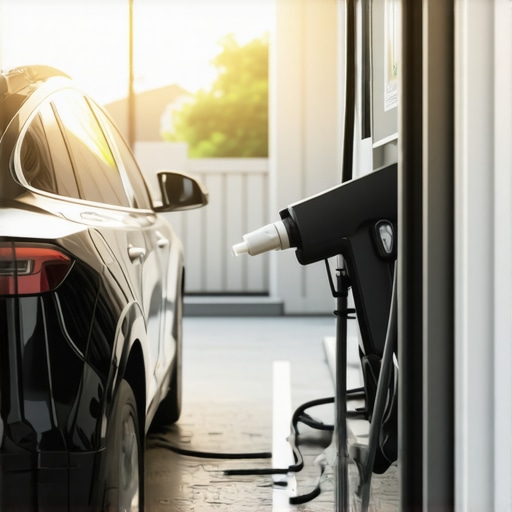
Imagine plugging in your electric vehicle after a long day, eager for that sweet rush of fast charging, only to find it crawling along at a snail’s pace. Frustration sets in, and suddenly, that sleek, modern charger feels more like a cumbersome obstacle than a helpful tool. I had that moment not too long ago. As someone passionate about electric vehicles and their convenience, I thought I knew everything about troubleshooting EV chargers. Turns out, a single overlooked issue can turn a quick charge into a multi-hour ordeal.
Why Slow Charging Drives Me Nuts—and Should Matter to You
The truth is, slow or inconsistent charging can put a real damper on your EV experience. It might not seem like a big deal at first—after all, your car still charges, right? But over time, these hiccups can not only drain your patience but also affect your vehicle’s battery health and overall performance. Studies show that improper troubleshooting and neglecting small issues can lead to costly repairs down the line. That’s why understanding the common causes of slow charging and how to fix them quickly is essential for every EV owner, whether you’re a newbie or a seasoned driver.
Have You Faced This Problem?
If you’ve ever felt that surge of disappointment when your EV charger isn’t delivering as expected, you’re not alone. I remember a day when I thought my charger was faulty, only to discover I was missing a simple connection. That mistake—forgetting to check the circuit breaker—cost me precious hours and a lesson learned the hard way. As I started to troubleshoot my own issues, I realized that many problems are common yet easily fixable if you know what to look for. Want to learn my go-to tips for troubleshooting your EV charger and boosting that charging speed? Keep reading!
To build trust and ensure safe, effective fixes, I always refer to expert advice. For a comprehensive approach, check out this guide on troubleshooting EV chargers, which offers step-by-step solutions from certified electricians. Now, let’s dive into the common mistakes that might be slowing you down and how to fix them—so you can get back on the road faster and smarter.
Check the Power Source First
My recent experience with slow EV charging taught me the value of verifying the basics before diving into complex fixes. I started by inspecting the outlet—just like checking if your smartphone charger is plugged in properly. Ensure your electrical outlet is providing consistent power; a faulty or loose connection can severely affect charging speed. Use a multimeter to test voltage stability or try plugging in another device. If the outlet isn’t delivering power, contact a licensed electrician or visit this contact page for expert help.
Inspect the Charging Cable and Connector
Next, examine your charging cable for damage—frayed wires, bent pins, or scorch marks indicate issues. I once had a cable with tiny cracks that seemed insignificant but caused slow or failed charges. Clean the connector pins gently with a dry cloth, ensuring no dirt or corrosion impedes the connection. If the cable appears compromised, replace it, or ask a professional to determine if repairs are needed. For detailed guidance on proper electric vehicle charger handling, see this electrician troubleshooting guide.
Verify Circuit Breaker and Electrical Panel
Sometimes, a weak or tripped circuit breaker limits power flow. I had a moment where my breaker tripped due to overload, causing sluggish charging. Reset the breaker—turn it off, wait for a few seconds, then turn it back on. Consider upgrading to a dedicated circuit for your EV charger; shared circuits can cause fluctuations. Check for signs of overload or heat around your breaker panel. If uncertain, consult a trusted electrician or visit this expert advice page.
Test the Charging Station and Its Settings
If your charger has multiple ports or settings, ensure it’s configured correctly. Some models have adjustable charging speeds; settings might have inadvertently been lowered. Reset the station to default or select the optimal charging mode. I experienced this firsthand when I mistakenly set my charger to a slow mode during busy times—once corrected, charging speed improved dramatically. Many stations support remote diagnostics; consult the manufacturer’s app or manual. To ensure your station is properly installed and configured, review this installation checklist.
Assess External Factors and Environmental Conditions
Extreme temperatures can impair battery and charging performance. Cold weather made my car charge unusually slowly—after warming the batteries, speeds increased. Ensure your vehicle isn’t exposed to excessive cold or heat during charging. Also, check for obstructions around the station or wiring—animals or debris can cause shorts or damage. If external factors seem to be an issue, consider relocating your charger or installing protective enclosures. For more detailed environmental considerations, see lighting and electrical safety tips.
Schedule a Professional Inspection
When all self-checks don’t resolve the issue, it’s time to call in a licensed electrician. They can perform advanced diagnostics, inspect wiring, and ensure your system meets safety standards. During my own troubleshooting, after verifying all steps I could, I finally contacted a professional. The electrician identified a subtly damaged wiring hub that was causing intermittent issues. Properly maintained, your charging station benefits from regular inspections—visit this expert troubleshooting guide for tips on maintenance schedules.
Many homeowners and even some professionals operate under misconceptions when it comes to lighting installations and EV charging systems. One common myth is that executing DIY repairs or installations is always a cost-saver or straightforward process. In reality, the nuances and complexities involved require a keen understanding of electrical codes, load calculations, and safety standards. For example, a seemingly simple lighting upgrade can unexpectedly cause voltage drops or tripping circuits if not properly planned, leading to repeated troubleshooting effects.
What Are the Advanced Mistakes That Can Trip Up Even Seasoned Electricians?
One overlooked area is the impact of improper grounding or insufficient circuit capacity. Many assume that replacing a switch or adding an outlet is as simple as following the wiring diagram. However, neglecting to check for adequate amperage, or ignoring the importance of on-site load balancing, can lead to ongoing flickering lights or slow EV charging speeds. Studies from electrical safety boards emphasize that neglecting these subtleties significantly raises the risk of equipment damage or fire hazards. As I have learned from experience, paying attention to the hidden details—like correct conductor sizing and proper disconnects—can make the difference between a safe, reliable system and a costly repair nightmare.
Another trap is assuming all troubleshooting steps are equally effective. For instance, many believe that simply resetting a breaker can resolve persistent issues. But if the root cause is a faulty wiring connection or a corroded connector, merely cycling the breaker won’t help and might mask the real problem. Advanced troubleshooting involves using proper diagnostic tools, such as multimeters and clamp meters, to truly pinpoint issues. If you want to master these techniques or avoid common pitfalls, refer to this electrician troubleshooting guide for expert strategies.
How Do You Recognize When an Issue Requires a Professional’s Touch?
Recognizing your limits is crucial. When your troubleshooting reveals recurring problems despite following standard procedures—like frequent tripped GFCI outlets or inconsistent EV charging speeds—it’s time to seek professional help. Hiring a licensed electrician isn’t just about safety; it’s about precision and peace of mind. For complex issues such as shared circuits or unexpected electrical faults, professional diagnostics ensure compliance with code and long-term safety. To ensure your system’s integrity, consider consulting trusted electrician advice.
In sum, understanding the hidden nuances—like load balancing, grounding, proper wiring practices, and the importance of professional diagnostics—is vital to avoiding costly mistakes. Whether you’re installing new lighting or troubleshooting an EV charger issue, elevating your knowledge beyond the basics will save you time, money, and hassle. Have you ever fallen into this trap? Let me know in the comments.
Keeping Your System in Top Shape With the Right Tools
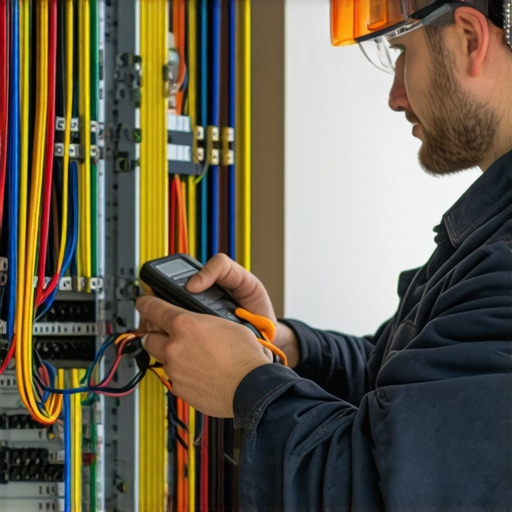
Maintaining your lighting setup and EV charging station over time requires more than just basic knowledge — it demands equipment that’s both precise and durable. I personally rely on a selection of trusted tools that have become indispensable in my work. For instance, a high-quality digital multimeter, like the Fluke 117, is my go-to device for verifying voltage stability, diagnosing wiring issues, and ensuring system safety. Its accuracy and ease of use make it essential for quick diagnostics and long-term reliability.
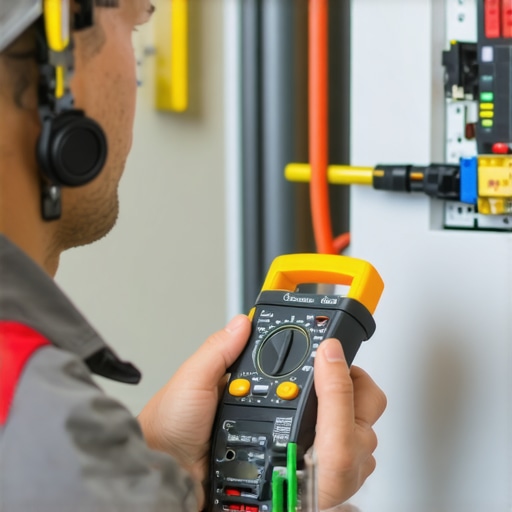
Another tool I recommend is a clamp meter, specifically models like the Uni-T UT210E. It allows me to measure current without disconnecting wires, which is invaluable when troubleshooting EV chargers and lighting circuits installed in complex setups. This non-intrusive method saves time and reduces risk, especially in systems with high amperage or multiple load points.
For physical inspections, a set of precision screwdrivers and insulated pliers are critical. They enable me to carefully inspect and tighten connections, avoiding issues caused by loose or corroded contacts. Additionally, a reliable flashlight with a focused beam helps illuminate hard-to-see areas, making inspections safer and more efficient during troubleshooting or routine maintenance.
Software tools have become an essential part of diagnosing electrical problems today, especially for smart lighting and connected EV chargers. I personally use diagnostic apps provided by device manufacturers and third-party platforms that offer real-time voltage, current, and system status monitoring. These tools often provide detailed reports that help identify patterns or recurring issues, guiding better preventative maintenance.
Predicting the Future of Maintenance Tools
Looking ahead, I believe the trend will lean heavily toward smart diagnostic tools integrated with AI capabilities. Such systems could predict potential failures before they happen, based on usage patterns and historical data, similar to predictive maintenance in industrial settings. This anticipatory approach will reduce downtime and extend the lifespan of your lighting and EV charging infrastructure.
What Strategies Keep Your Systems Running Smoothly over Time?
Regularly scheduled inspections using these precise tools are vital. I recommend setting a quarterly check-up routine where you verify wiring integrity, test ground connections, and inspect control modules. Don’t forget to keep your multimeter calibrated — many models require periodic recalibration for maintaining accuracy, as highlighted in this troubleshooting guide. Additionally, investing in high-quality surge protectors for your outdoor lighting and EV chargers can prevent damage caused by voltage spikes, saving costly repairs down the line.
Finally, staying updated with the latest electrical standards and manufacturer guidelines is crucial. Many issues stem from outdated practices or unawareness of new safety protocols. Remember, if your system begins to show signs of trouble despite using these tools, consulting a trusted electrician is the safest route. For expert advice tailored to your setup, visit this contact page.
Try incorporating a digital clamp meter into your routine — it’s a game-changer for quick, non-intrusive diagnostics. With the right tools and regular maintenance, you can ensure your lighting and EV charging systems always perform at their best.
As I reflect on my journey troubleshooting lighting installations and EV chargers, I realize that some of the most valuable lessons came from unexpected moments of clarity. Fast-paced troubleshooting often tempts us to overlook simple details, but often, the breakthrough is just a small adjustment away.
The Unexpected Lessons That Changed My Approach
- Patience Outperforms Speed: Rushing through troubleshooting can lead to missing critical signs. Taking a step back, reviewing each component carefully, often reveals overlooked issues.
- Initial Checks Save Time: Verifying power sources or connections early prevents unnecessary disassembly or calls for professional help, saving valuable time and resources.
- Small Things Matter Substantially: Corroded connectors or loose ground wires are tiny details that can cause major problems. Paying attention to these can prevent repeated issues down the line.
- Ask the Right Questions: Instead of focusing solely on fixing the symptom, delve deeper—why did the problem start, and how can I prevent it? This mindset shift has enhanced my DIY skills and safety awareness.
- Continual Learning Is Key: Even seasoned electricians can learn new troubleshooting nuances. Staying updated with the latest guides and manufacturer recommendations makes all the difference.
Tools That Keep My Projects Smooth and Safe
- High-Quality Multimeter: A calibration-aware multimeter like the Fluke 117 is my go-to for accurate voltage and current readings, which are critical in both lighting and EV charger checks.
- Clamp Meter for Fast Diagnostics: Using a clamp meter such as the Uni-T UT210E allows for non-intrusive current measurements, saving time and avoiding accidental damage.
- Reliable Insulated Pliers and Screwdrivers: Ensuring connections are tight and safe is easier with tools that provide a good grip and insulation, especially during troubleshooting in tight spaces.
- Smart Diagnostic Apps: Apps that sync with smart lighting systems or EV chargers provide real-time status updates, helping to pinpoint issues with precision and act proactively.
Push Forward With Confidence and Knowledge
Every project, whether installing ceiling lights or troubleshooting an EV charger, brings an opportunity to learn and improve. Embracing patience, attention to detail, and the right tools not only resolves current issues but also builds a solid foundation for future successes. Remember, even the most complex systems are manageable when approached with curiosity and care. If you’re eager to deepen your expertise, consider exploring resources like this comprehensive troubleshooting guide.
What’s been your most valuable lesson in troubleshooting lighting or EV chargers? Share your experience below and let’s learn together!