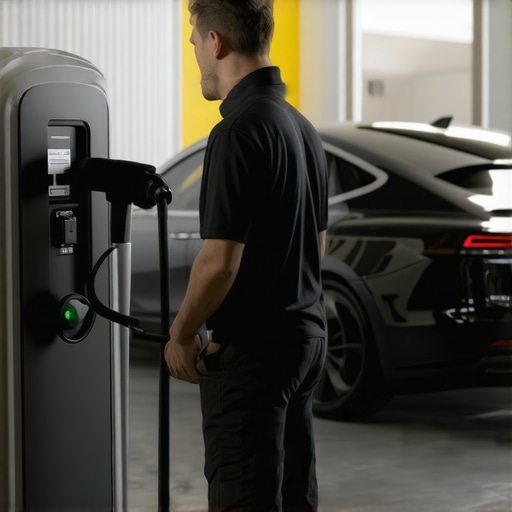
Have you ever been ready to leave but your EV refuses to charge properly? I’ve been there. One chilly morning, I plugged in my electric vehicle after a long day, only to find the charger blinking and no power flowing. Frustration set in fast. That lightbulb moment hit me—my home charging setup was more fragile than I thought. It’s a common story among EV owners, and understanding the root causes can save you hours of hassle and money.
Why Troubleshooting Your EV Charger Matters Right Now
In a world where electric vehicles are becoming more mainstream, reliable home charging isn’t just a convenience; it’s a necessity. According to the Department of Energy, an efficient EV charging station can cut charging time significantly and extend the lifespan of your equipment. But without proper troubleshooting skills, minor issues can turn into big headaches, leaving you stranded or forcing costly professional repairs. My own early mistakes taught me an invaluable lesson—assuming that every charging problem is a quick fix can lead to overlooked wiring issues or faulty connections, which are more serious than they seem.
Today, I want to help you avoid those pitfalls. We’ll go through practical, expert-approved tips to diagnose and fix common EV charging problems at home—quickly and safely. Whether your charger isn’t powering up, the connection keeps dropping, or you’re just not getting the fast charge you expected, these insights will help you regain control and get back on the road faster.
Is EV Charging Troubleshooting Truly Worth the Hype?
Absolutely. When I first started, I underestimated the importance of proper wiring and the subtle signs of electrical faults. I learned the hard way that ignoring small issues can lead to bigger, more expensive problems down the line. Proper troubleshooting not only speeds up repairs but also ensures your home’s electrical safety. For a comprehensive guide, check out these expert tips for EV troubleshooting. Trust me, a little knowledge goes a long way.
If you’ve faced this frustrating scenario with your EV charger, you’re not alone. Keep reading, and I’ll walk you through the essential steps to troubleshoot your system effectively, avoiding costly calls to electricians for issues you can fix yourself or with minimal help.
Inspect Your Power Source First
Start by ensuring your outlet is supplying power. I once faced a stubborn issue where my charger blinked but refused to power up. Using a multimeter, I checked the outlet and discovered it wasn’t delivering voltage due to a tripped breaker. Resetting the breaker restored power, and my charger worked like new. Always verify your power supply before suspecting the charger itself.
Check the Charging Cable and Connections
Next, examine the cable and connectors for damage or dirt. I once had a cable with a frayed wire that caused intermittent charging. I cleaned the connectors and replaced the damaged cable, which instantly fixed the problem. Keep cables free of debris and replace worn cords promptly to avoid issues.
Test the Vehicle’s Charging Port
Sometimes the issue isn’t with the charger but with your vehicle’s port. I once found my EV’s port slightly dirty, causing poor contact. Cleaning it gently with a soft cloth resolved the connection drops. Use a flashlight to inspect the port for debris or corrosion and clean carefully if needed.
Evaluate the Charger’s Indicator Lights
Charger lights are your quick diagnostic tools. A blinking or unlit indicator often signals specific issues. For example, a blinking light might mean a wiring fault or overload. Refer to your charger’s manual to interpret these signals accurately. I kept a quick-reference guide handy and once identified a wiring fault that needed professional repair, preventing further damage.
Perform a Reset and Reboot
Power cycling your charger can resolve software glitches. Disconnect the charger from power, wait 30 seconds, then reconnect. I experienced a stubborn error code that cleared after a simple reset, restoring normal operation. This is a quick step worth trying before diving deeper.
Inspect Electrical Wiring and Circuit Breakers
If issues persist, the problem might lie in your home’s wiring. A loose connection or faulty breaker can cause charging failures. I once noticed a loose wire in my breaker panel. Tightening it fixed the problem and improved overall electrical safety. For complex wiring checks, consult an electrician to avoid hazards.
Confirm Compatibility and Firmware Updates
Ensure your charger’s firmware is up to date—sometimes, outdated software causes compatibility issues. I checked my charger’s app and updated firmware, which improved stability. Also, verify that your vehicle and charger are compatible, especially if you recently changed models or chargers.
Seek Professional Help When Needed
If all else fails, don’t hesitate to contact a professional. Electricians are trained to identify hidden faults safely. I once tried troubleshooting a complex wiring fault myself, but it was safer and faster to call a trusted electrician. Visit this page to find qualified help.
By systematically checking these areas, you can often resolve common EV charging issues yourself or better understand what needs professional attention. Troubleshooting isn’t just about fixing problems—it’s about ensuring your home’s electrical safety and your peace of mind.
Many homeowners and even seasoned electricians often fall prey to misconceptions about EV charger troubleshooting and lighting installations. Let’s clear up some of the most persistent myths and shed light on the nuances that can make or break your electrical safety and efficiency. Contrary to popular belief, the most common mistake is oversimplifying electrical issues, assuming that a blinking light or a tripped breaker is always a minor problem. In reality, these symptoms can mask serious wiring faults or compatibility issues that require deeper investigation.
One trap I’ve seen many fall into is relying solely on visual cues like indicator lights. While these lights provide quick diagnostics, they don’t tell the whole story. For example, a steady green light might seem normal, but hidden corrosion or loose wiring behind the scenes could be the real culprit. That’s why it’s critical to use proper diagnostic tools and consult expert guides, such as these troubleshooting tips.
Another misconception is that lighting installations are straightforward, especially for DIY enthusiasts. However, the nuances of electrical code compliance and load balancing are often overlooked. Incorrectly wired lighting fixtures can cause flickering, electrical surges, or even fire hazards. As explained in this comprehensive guide, professional electricians pay attention to load calculations and grounding techniques that are crucial for safe and reliable installations.
For advanced practitioners, understanding the importance of proper circuit design is vital. Many assume adding more outlets or lighting points is simple, but without considering the breaker ratings and wiring gauge, you risk overloading circuits. Studies, including those from the National Electrical Code (NEC), emphasize the importance of correct wire sizing and circuit protection to prevent electrical faults.
Finally, I want to emphasize that the biggest mistake is ignoring the hidden complexities and rushing through troubleshooting or installation. Always prioritize safety, verify your work, and don’t hesitate to seek professional help when needed. If you want to get ahead, explore expert electrician tips for troubleshooting and ensure your setup is both safe and efficient. Have you ever fallen into this trap? Let me know in the comments!
Maintaining your EV charging station and electrical systems over time requires more than just basic knowledge; it demands the right tools and a disciplined approach. As electric vehicle adoption grows, so does the importance of reliable, efficient maintenance practices that can prevent costly repairs and ensure safety. Here, I’ll share some specific tools, techniques, and insights I’ve personally found invaluable for keeping everything running smoothly in the long run.
Invest in a Quality Multimeter and Why It Matters
For any serious troubleshooting, a digital multimeter is an absolute must-have. I personally rely on a Fluke 117, which offers high accuracy, durability, and ease of use. This device helps me verify voltage levels at outlets, check wiring continuity, and diagnose issues with circuit breakers or wiring faults. Its true RMS feature is especially helpful for measuring AC voltage in residential environments, ensuring I get accurate readings even with complex loads. Remember, a cheap multimeter can give false readings, leading you down the wrong path or risking safety. Regularly testing your outlet voltage and wiring connections with this tool can catch issues early before they escalate.
Use a Smartphone App for Firmware and Compatibility Checks
Modern EV chargers often come with companion apps, allowing you to monitor and update firmware remotely. I recommend checking your charger’s app regularly for updates, as manufacturers often release patches that improve stability and compatibility. In my experience, outdated firmware can cause intermittent disconnections or slow charging, which are frustrating and hard to diagnose without the right tools. Always ensure your app is connected securely, and follow manufacturer instructions for updates. Combining this with a reliable Wi-Fi connection ensures you stay ahead of potential software glitches that could affect long-term performance.
Implement Proper Load Management with Smart Breakers and Monitors
One trend heading into the future is smart load management. Installing a smart circuit breaker or whole-home energy monitor like the Sense Energy Monitor allows me to track real-time electrical consumption and identify anomalies. These tools help prevent overloads and ensure your wiring remains within safe limits over years of use. They also provide historical data that can inform maintenance schedules or upgrades. While initial investment can be higher, the long-term savings in safety and performance are worth it. This proactive approach minimizes the risk of wiring degradation or breaker faults that could otherwise cause downtime or hazards.
How do I maintain electrical connections and wiring over time?
Consistent inspection and gentle tightening of connections are key. I schedule a biannual check of my breaker panel and outlets, looking for signs of corrosion, loose screws, or discoloration. Using a insulated screwdriver, I tighten any loose terminals, which can develop over years of thermal cycling. Also, replacing worn wiring or damaged cables before they fail prevents unexpected outages. For complex wiring, I always consult an electrician, especially if I notice signs of overheating or corrosion—safety first! Regularly reviewing the wiring and connections aligns with best practices outlined in this detailed guide.
Finally, don’t forget to keep your tools organized and up-to-date. A well-maintained set of screwdrivers, pliers, and testing equipment ensures you can perform diagnostics quickly and accurately. As I look to the future, automation and smarter electrical systems will make maintenance even more intuitive—think predictive diagnostics powered by AI. Until then, sticking with proven tools and routines is your best bet for long-term reliability.
Try integrating a smart energy monitor into your system and see how it transforms your maintenance routine. Regularly checking your wiring and using your multimeter will save you time and money, and keep your EV setup safe and efficient for years to come.
Lessons I Wish I Learned Sooner About EV Charging Safety
One of my biggest lightbulb moments was realizing that not every blinking indicator on my EV charger was just a minor glitch. Sometimes, those signals mask serious wiring faults that could lead to dangerous situations. It taught me the importance of not rushing into repairs and always verifying with proper diagnostic tools, like a multimeter, before assuming it’s a simple fix. This experience made me appreciate the depth of electrical troubleshooting and the value of patience.
Another lesson was the misconception that DIY can handle all lighting and EV charging setups. While some tasks seem straightforward, neglecting load calculations or grounding practices can cause flickering or surges. Consulting comprehensive guides from trusted sources and understanding electrical code compliance saved me from potential hazards and costly mistakes. It’s a reminder that knowing when to call a professional is crucial for safety and reliability.
Finally, I discovered that firmware updates and compatibility checks are often overlooked but essential. Updating your EV charger’s software can resolve persistent connectivity issues and improve overall performance. Staying proactive with these updates, especially through official apps, keeps your system running smoothly and reduces troubleshooting time. These lessons have shaped my approach to electrical safety and efficiency, making me more confident in managing my home’s electrical systems.
My Must-Have Tools and Resources for EV and Lighting Success
Investing in a high-quality multimeter like the Fluke 117 has been transformative. It provides accurate readings and helps me identify wiring issues early, preventing bigger problems. I also rely on smart energy monitors such as the Sense Energy Monitor, which give real-time insights into my electrical load and help prevent overloads. For firmware management, I trust the official apps provided by my EV charger manufacturer—they keep my device updated and compatible with my vehicle.
In addition, I consult trusted guides like this comprehensive lighting installation guide and these expert EV troubleshooting tips. These resources have consistently helped me troubleshoot effectively and ensure safety. Combining these tools and trusted information sources has made my electrical maintenance routine more efficient, safer, and less stressful.
Step Into a Safer, Smarter Future for Your EV Setup
Taking charge of your EV charging and lighting installation isn’t just about fixing problems—it’s about building confidence and ensuring safety for years to come. With the right tools, knowledge, and a cautious approach, you can troubleshoot issues quickly and prevent hazards before they arise. Remember, safety and reliability go hand in hand, and every small step you take today is an investment in your home’s future. Keep learning, stay curious, and don’t hesitate to seek professional help when needed—your peace of mind depends on it.
What’s the biggest electrical safety lesson you’ve learned from troubleshooting your EV charger or lighting setup? Share your story below—let’s learn from each other’s experiences!