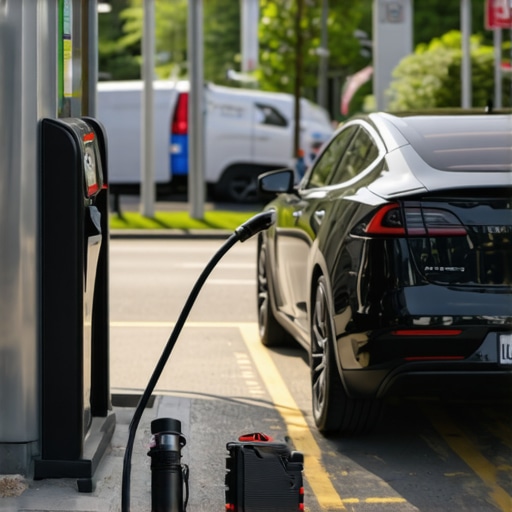
Ever been ready to hit the road, only to find your electric vehicle’s charger stubbornly refuses to work? I’ve been there. One hectic morning, I plugged in my EV, expecting a quick charge, but the charger blinked in frustration. That lightbulb moment hit me hard — troubleshooting isn’t just for electricians; it’s a skill every EV owner should master. Today, I’ll share how you can identify and fix common issues quickly, saving you time and frustration.
Why Your EV Charger Might Be Acting Up and How to Fix It Fast
Faster charging isn’t just about high-quality chargers; it’s about understanding what causes delays or failures. Sometimes, a simple reset or checking your connections is enough. Other times, it’s a more intricate electrical issue that needs a professional touch. Knowing the basics can make all the difference. According to a recent study, nearly 60% of EV charging problems are resolved with straightforward troubleshooting steps — no need for a costly electrician right away. But, I’ll be honest: early on, I made the mistake of ignoring loose connections, which only worsened the problem. Trust me, it’s better to check these things first.
Is Troubleshooting Your EV Charger Worth the Effort
Some skeptics say, “It’s easier to call a professional.” While that’s true for complex issues, many common problems are simple to fix if you know what to look for. My first attempt at troubleshooting was a disaster — I tried replacing the entire charger. Turns out, a loose wire was the culprit. Learning from that mistake, I now follow a step-by-step approach, which you can find detailed in their expert tips. If you’ve faced this problem, you’re not alone. Let’s walk through the most common fixes so you can get back on the road faster.
Check the Power Source and Reset the Charger
My first real troubleshooting attempt was when my charger suddenly stopped working during a busy morning. I started by inspecting the outlet—like checking the fuel in a car, if there’s no power, nothing works. I unplugged and replugged the charger, then pressed the reset button (if available). Sometimes, a simple reset restores functionality. If your charger has a circuit breaker, ensure it hasn’t tripped. Reset it if necessary. This step often resolves minor glitches without further hassle.
Inspect All Connections Like a Detective
Next, I examined every cable connection, loose or damaged wires are the leading cause of charging issues. Think of it as a chain—if one link is broken, the whole thing fails. Turn off power before inspecting, and look for corrosion or burn marks. Tighten loose plugs and replace frayed wires. For a thorough check, compare your setup with trusted guides on their expert tips to avoid missing hidden faults.
Test the Circuit Breaker and GFCI Outlets
Sometimes the problem isn’t the charger but the circuit breaker or GFCI outlet. These safety devices trip to prevent electrical fires. I tested the breaker by switching it off and on again; if it trips immediately, there’s a wiring issue. Use a multimeter to verify voltage levels. If your outlet is GFCI, press the reset button. If it still doesn’t work, consider replacing the GFCI, or consult a professional. Proper testing avoids ongoing safety risks and ensures reliable charging.
Use a Multimeter for Precise Diagnosis
Once basic checks pass, I employed a multimeter to measure voltage at the outlet and charger port. Proper voltage indicates correct wiring; low or no voltage points to wiring faults or a faulty breaker. I set the multimeter to AC volts, carefully tested each connection, and noted any irregularities. This step is crucial for advanced troubleshooting, especially if your charger is new or recently installed. If readings are abnormal, don’t attempt repairs yourself—reach out to a trusted electrician for safety.
Examine the Charger If It Has Indicators
Many chargers have LED indicators showing status. During my troubleshooting, I observed blinking or unusual colors—like a traffic light signaling issues. Refer to your charger’s manual to interpret these signals. If the indicator shows error codes, look them up or contact support. Sometimes, cleaning the contacts or updating firmware (if applicable) fixes the problem. Keep your charger in good condition to prevent future issues.
Consult Professional Help When Necessary
After trying these steps, if the charger remains unresponsive, it’s time to call an electrician. I learned this the hard way when a faulty wiring connection caused repeated failures. Professionals use tools like their expert troubleshooting techniques to diagnose complex issues safely and efficiently. Remember, safety is paramount—never attempt complex electrical repairs unless qualified.
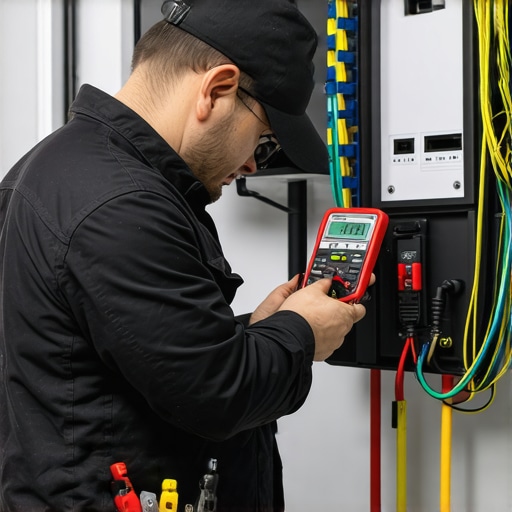
Many EV owners and DIY enthusiasts believe they have a solid grasp on troubleshooting their chargers or lighting installations. However, there are often misconceptions that can lead to more complex problems or safety risks. Let’s clarify some of these common myths and reveal the nuanced truths that only experienced electricians know. Understanding these details can help you avoid costly mistakes and ensure safer, more reliable setups.
Why the Crowd Gets EV Charging Troubles wrong
One widespread myth is that every charging problem stems from the charger itself. In reality, the issue often lies within the electrical system, such as wiring, circuit breakers, or grounding. For example, a loose GFCI outlet might be the real culprit, not the charger. This misconception can cause owners to replace expensive chargers unnecessarily. An expert approach involves systematic testing, including using multimeters to verify voltage and grounding, which many overlook. For detailed guidance, check their troubleshooting tips.
Lighting Installations Are Not Just Plug and Play
Many think that installing lighting is straightforward—just connect the wires, turn on the power, and you’re done. But experienced electricians know that proper grounding, circuit load calculations, and compliance with local codes are critical. A common mistake is neglecting load balancing, which can cause flickering or tripping breakers. Additionally, improper wiring can create safety hazards like shocks or fires. Reading this professional guide can help you understand the nuances involved in safe and efficient lighting installation.
Getting the Most Out of Your Electrician
Many assume that electricians are just there to fix problems after they happen. In fact, skilled electricians proactively design systems to prevent issues, especially with EV chargers and lighting. They consider future expansion, electrical load, and safety features. An advanced mistake to avoid is relying solely on DIY troubleshooting—often, subtle faults like poor connections or incorrect grounding are missed. To ensure your system is built and maintained properly, consult trusted professionals and familiarize yourself with their expert advice.
What Most People Overlook When Troubleshooting
One of the most overlooked aspects is the importance of systematic testing and documentation. Jumping to conclusions or replacing parts without proper diagnostics can lead to wasted time and money. For example, an electrician’s trick is to test each component step-by-step, recording voltage readings and visual clues. This methodical approach is often missing in DIY attempts. Also, don’t forget that environmental factors like moisture, dust, or temperature can affect electrical components, especially in outdoor lighting or charging stations. For a deeper dive into these advanced troubleshooting techniques, review this detailed resource.
By understanding these hidden nuances and avoiding common traps, you can troubleshoot more effectively and safely. Remember, safety first—if in doubt, consult a professional. Have you ever fallen into this trap? Let me know in the comments.
Keeping your EV charger and lighting installations running smoothly over time requires more than just initial setup; it demands the right tools, consistent maintenance, and a proactive approach. From multimeters to software diagnostics, I’ll share the specific equipment I personally rely on to ensure optimal performance and longevity.
Equip Yourself with Precision Instruments
The cornerstone of effective troubleshooting and maintenance is a high-quality multimeter. I prefer a digital clamp multimeter like the Fluke 376 FC because it allows me to measure current without breaking the circuit, which is invaluable when testing EV chargers or lighting circuits safely. Its true RMS measurement ensures accuracy, especially with complex waveforms common in modern electrical systems. Additionally, a non-contact voltage tester is essential for quick safety checks before working on any live wiring, preventing accidents and ensuring safety.
For more advanced diagnostics, I use a multimeter with data logging capabilities, such as the Fluke 287. This device records voltage fluctuations over time, helping me identify intermittent faults often missed during quick inspections. Such detailed data is crucial when dealing with complex issues like faulty grounding or inconsistent power supply that affect both EV chargers and lighting systems.
Leverage Diagnostic Software for Smart Solutions
In recent years, the integration of smart technology into electrical systems has revolutionized maintenance. I recommend using diagnostic apps compatible with smart EV chargers and lighting controllers. These apps connect via Wi-Fi or Bluetooth, providing real-time status updates, error logs, and firmware updates. For example, the VeSync app for smart lighting allows me to monitor bulb health and schedule maintenance remotely, saving time and avoiding unnecessary trips to the site.
Keeping software updated is critical; manufacturers often release patches that improve reliability and security. Regularly checking for updates through official apps or vendor websites ensures your systems benefit from the latest fixes and features, extending their lifespan.
Develop a Routine Maintenance Schedule
To truly keep systems reliable long-term, I follow a structured maintenance routine. This includes monthly inspections of all wiring connections, cleaning contacts and terminals to prevent corrosion, and verifying the integrity of grounding systems. Seasonal checks for moisture ingress, dust accumulation, or physical damage help prevent future failures, especially for outdoor lighting or chargers exposed to the elements.
Implementing a preventive maintenance plan with detailed checklists can dramatically reduce unexpected outages. Document each inspection to track issues over time and identify recurring problems before they escalate.
Anticipate Future Trends in Maintenance
Looking ahead, I predict that predictive maintenance powered by IoT sensors and AI algorithms will become standard. These systems will monitor electrical parameters continuously and alert you to potential faults before they cause disruptions. Investing in such technology now can future-proof your setup and minimize downtime.
How do I maintain my EV charger and lighting systems over time?
Consistent use of precise diagnostic tools, regular cleaning, and software updates are key. Establishing a routine schedule and documenting each step ensures issues are caught early. For complex problems or upgrades, consulting trusted electricians or following expert guides like their troubleshooting tips can save time and enhance safety. Don’t forget to try integrating smart diagnostics as a next step — it’s a game-changer for truly dependable systems.
Lessons That Changed My Approach to EV Systems
- Always double-check connections before assuming a faulty device—loose wires are the sneakiest culprits. I once replaced a charger only to find a loose terminal was causing the issue, saving me a lot of time and money.
- Don’t overlook safety features like GFCI outlets and circuit breakers. Understanding their quirks can prevent unnecessary trips and ensure your system stays reliable.
- Investing in good diagnostic tools like a multimeter with data logging transformed my troubleshooting process. It made complex faults visible and easier to fix.
- Learn to interpret LED indicators on your charger. The signals are like a secret language that guides you toward the right fix without guesswork.
- Remember, even experienced electricians rely on systematic testing and documentation. It’s the key to efficient repairs and future-proofing your setup.
Tools and Resources That Elevate My Work
- Fluke 376 FC Multimeter: Its clamp function and true RMS measurement are indispensable for safe, accurate diagnostics. I trust it because it’s reliable and durable.
- Smart Diagnostics Apps: Connecting to my EV charger via apps like VeSync allows me to monitor real-time status remotely, which has saved me countless trips to the site.
- Lighting Troubleshooting Guides: The detailed guides on their website help me navigate complex lighting issues with confidence.
- Professional Courses: Courses on lighting and EV systems troubleshooting have broadened my understanding and sharpened my skills.
Your Turn to Power Up Confidence in Troubleshooting
Every challenge with EV chargers and lighting systems is an opportunity to learn and grow. With the right tools, knowledge, and a cautious approach, you can troubleshoot like a pro and keep your home safe and efficient. Don’t wait for problems to escalate—start practicing these tips today and enjoy the peace of mind that comes with mastering your electrical systems.
What’s the trickiest electrical issue you’ve faced, and how did you solve it? Share your story below—I’d love to hear how you handled it!
Reading this troubleshooting guide really hit home for me because I’ve experienced similar frustrations with my EV charger acting up unexpectedly. I used to think that replacing the whole unit was the only solution, but after following some of the steps here, I realized how important simple checks like resetting the breaker or inspecting connections can save a lot of time and money. One thing I’ve learned over time is the value of using a multimeter to precisely diagnose issues, especially when dealing with intermittent faults. I also started updating my firmware on my charger and smart app regularly, which has helped prevent some glitches. Has anyone found specific brands of multimeters or diagnostic tools more reliable for these kinds of troubleshooting tasks? Looking forward to hearing more tips from experienced DIYers or professionals in this area!