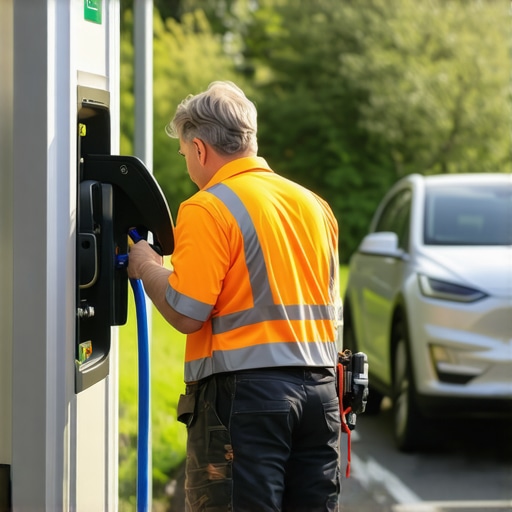
I vividly remember the night my EV charger sparked and shut down unexpectedly. It was late, and I was just about to finish my evening commute, only to be greeted by a flashing error message on my app. Heart pounding, I realized I had ignored some early signs—loose connections, inconsistent power flow—that could have been addressed sooner. That frustrating experience was my lightbulb moment. It made me realize how vital proper troubleshooting and installation are for safe, reliable EV charging. Today, I want to share what I learned so you won’t have to face the same stressful surprise.
Why Ignoring Small Issues Can Lead to Big Problems
In my journey as an EV owner, I learned that seemingly minor glitches—like flickering lights or sudden power drops—are often early warnings. Neglecting these signals can escalate into serious electrical faults, risking damage to your vehicle or home. Proper troubleshooting isn’t just about fixing problems—it’s about preventing hazards before they happen. From my own mishaps, I discovered that understanding the intricacies of EV charger setup and maintenance can save you time, money, and peace of mind.
Could a simple mistake compromise your safety?
Early on, I mistakenly thought that just plugging in was enough. But I realized that improper wiring or loose connections could cause sparks or shorts, jeopardizing safety. In fact, according to trusted [electrician troubleshooting tips](https://reliableelectricpro.com/troubleshooting-electrician-expert-tips-for-lighting-ev-chargers), many common issues stem from overlooked wiring errors. Ensuring your setup adheres to expert standards is crucial for a secure charging environment.
Are you confident your current setup is foolproof? If you’re unsure or have faced strange behaviors with your charger, don’t wait for an emergency. Connecting with knowledgeable professionals and following comprehensive guides—like [this expert troubleshooting](https://reliableelectricpro.com/ev-charger-troubleshooting-expert-tips-to-fix-common-issues)—can help you diagnose and fix issues safely. The next sections will guide you through practical, reliable steps to troubleshoot common problems effectively and keep your EV charging experience smooth and secure.
Check Your Connections Thoroughly
Imagine your EV charger is like an elaborate pipe system. A loose connection is akin to a leak that can cause pressure drops or sparks. In my own experience, I started by unplugging and inspecting every connector. I reseated all cables, ensuring tight fitments. If any wiring appears worn or frayed, replace it immediately. Always turn off the power at the breaker before handling wiring to prevent shocks. Remember, a secure connection is the backbone of safe charging. For detailed wiring guidance, visit our lighting installation troubleshooting page.
Test Power Supply Like a Pro
Think of your power source as the heartbeat of your setup. During my troubleshooting, I used a multimeter to verify voltage stability. Fluctuations or dips can lead to device errors or sparks. Set your multimeter to read AC voltage, and carefully test the outlet against standard household voltage (around 120V in North America). If readings are inconsistent or lower than expected, it indicates an unstable supply. In that case, consult with a licensed electrician. For expert advice, explore EV charger troubleshooting tips.
Inspect the Equipment for Wear
My first attempt at troubleshooting involved examining the charger unit itself. Visual cues—burn marks, melted components, or loose screws—are telltale signs of faulty hardware. Gently open the housing following manufacturer instructions, and look for obvious damage. Replace damaged parts or the entire unit if needed. Use a flashlight to scrutinize internal wiring for corrosion or loose terminals. Equipment wear can compromise safety, making professional replacement or repair essential. For safe installation practices, check advice on installing your charging station.
Monitor for Unusual Behavior During Charging
Once everything is assembled, I monitored the charging process closely. Sudden sparks, unusual noises, or frequent disconnects signal underlying issues. I kept my hand nearby and observed for overheating or flickering lights—signs of electrical problems. If any irregularities occur, immediately unplug the charger and review your setup. Don’t ignore these warning signs; they often prevent bigger failures. For troubleshooting common issues, visit top maintenance tips.
Keep Records and Seek Expert Support
Document any issues, repairs, or parts replaced during troubleshooting. This record helps in future diagnostics, just like a mechanic keeps a car log. If problems persist despite your efforts, contact a professional electrician through our contact page. An expert can perform advanced diagnostics, ensuring your system is both safe and efficient. Remember, safety should never be compromised—trust professional guidance when in doubt.Many homeowners believe that basic electrical knowledge suffices for installing lighting or EV chargers, but in reality, there are critical nuances and misconceptions that can lead to serious safety risks. One prevalent myth is that all electrical components are interchangeable, which is simply false; using incompatible parts can cause circuit faults or even fires. For example, some assume that a higher amperage rating means better safety, but overrating wiring can lead to overheating if not properly managed. According to expert electrician troubleshooting tips, understanding the specific requirements of each component is essential for a safe and durable installation.
Are You Overlooking the Complexity of Electrical Load Calculations?
Many DIY enthusiasts focus on the physical installation, neglecting load calculations that ensure your circuit can handle the added demand, especially with EV chargers drawing high power. Misjudging this can cause circuit overloads, breaker trips, or damage to your system. A common oversight is assuming that standard outlets can support high-capacity chargers without upgrades; however, professional guidance often reveals necessary wiring augmentations or dedicated circuits, as detailed in trusted wiring safety resources. To avoid these pitfalls, always consult with licensed electricians and comprehensive guides like [lighting installation troubleshooting](https://reliableelectricpro.com/lighting-installations-made-easy-a-step-by-step-electrician-guide). This expertise helps prevent costly mistakes that compromise safety and performance.
Furthermore, many misunderstand the importance of proper grounding and circuit protection, mistakenly believing that standard grounding suffices for all setups. In truth, advanced grounding techniques reduce electrical noise and enhance safety, especially in complex systems with multiple high-power devices. External studies indicate that proper grounding can prevent a significant percentage of electrical faults, emphasizing the need for detailed planning and professional installation. For a detailed approach, see [comprehensive troubleshooting guides](https://reliableelectricpro.com/expert-troubleshooting-guide-for-lighting-ev-chargers) and ensure your wiring adheres to current standards.
Common Mistakes That Can Cost You
A notable mistake is underestimating the importance of quality components. Cutting costs by opting for cheaper wiring or outdated connectors often results in shorter system lifespan or hazards. Additionally, neglecting inspection and maintenance — assuming a new setup requires no ongoing oversight — can allow small issues to escalate unchecked. Regularly reviewing connections, testing power stability, and monitoring equipment for wear are simple yet often overlooked habits that safeguard your investment.
Lastly, overconfidence in troubleshooting skills can lead to risky shortcuts. While DIY troubleshooting is empowering, it’s vital to recognize when professional intervention is necessary. Ignoring persistent faults or attempting unsafe fixes can jeopardize your safety and void warranties. Before attempting complex diagnostics, consult trusted resources or reach out through our [contact page](https://reliableelectricpro.com/contact-us). Remember: your safety depends on respecting expert guidance and understanding the intricate details that aren’t apparent at first glance.
In conclusion, recognizing these hidden nuances and debunking common myths empowers you to make smarter decisions about lighting, EV charging, and electrical troubleshooting. Don’t fall into the trap of oversimplification; deep knowledge and careful assessment are your best tools for ensuring safety and longevity in your electrical systems. Have you ever fallen into this trap? Let me know in the comments.Maintaining your electrical systems, including EV chargers and lighting installations, requires precision tools and consistent care. One indispensable piece of equipment I rely on is a high-quality multimeter. Personally, I use a Fluke 117 because of its accuracy and durability, enabling me to quickly test circuit voltages and identify weak connections without guesswork. For troubleshooting complex wiring issues, a non-contact voltage tester is invaluable—it’s a quick way to verify live circuits safely, saving time and reducing risk during maintenance. I also swear by a digital circuit analyzer, like the Amprobe AMP-530, which helps monitor real-time electrical behavior, ensuring your setup stays within safe operating parameters.
For software support, I recommend using a detailed electrical troubleshooting app such as Electrical Tools, which provides step-by-step diagnostics based on symptoms you input. This tool helps streamline diagnosis, especially when dealing with intermittent faults in lighting or chargers. As technology advances, integrating IoT-enabled inspection cameras can be a game-changer, allowing for internal inspection of wiring behind walls or in hard-to-reach fixtures. These tools not only facilitate effective troubleshooting but also enhance long-term system integrity.
Preventive maintenance is critical for long-term reliability. Scheduling regular visual inspections for signs of wear—like frayed wiring or loose connections—can prevent costly failures. I recommend establishing a quarterly maintenance routine that includes cleaning electrical contacts, tightening connections, and verifying circuit load capacities. For example, ensuring your electrical load calculations are up-to-date can help prevent overloads or trips, which are common issues when systems age or expand.
In the future, we’re likely to see more smart diagnostic tools becoming standard, integrating with home automation systems to offer real-time alerts when anomalies are detected. This proactive approach could save homeowners from unexpected failures and extend equipment lifespan.
How do I maintain electrical systems over time?
Taking the time to familiarize yourself with your system’s components and keeping a maintenance log can greatly enhance reliability. Regularly testing voltage levels, using diagnostic apps, and performing visual checks will keep your setup running smoothly. For detailed guidance on lighting installation troubleshooting, I recommend referring to trusted resources like this comprehensive electrician guide. Additionally, collaborating with licensed electricians for advanced inspections ensures safety and compliance, especially for high-power installations like EV chargers. Trying out an advanced multimeter calibration or installing IoT monitoring devices can be game-changers—these investments help catch issues early before they escalate into costly repairs. Remember, a well-maintained system not only ensures safety but also maximizes efficiency and lifespan.
What I Wish I Knew Before My First Fix
My biggest lightbulb moment came when I realized that most electrical issues aren’t random—they’re predictable if you know what signs to look for. Ignoring early warnings like flickering or minor sparks can lead to costly repairs or safety hazards. Now, I’d say patience and careful inspection are your best allies. Trust me, a calm approach with the right tools turns troubleshooting from a chore into a learning opportunity.
Tools that Turn Puzzles into Solutions
Over the years, I’ve found that having a solid toolkit, including a quality multimeter and non-contact voltage tester, makes all the difference. These tools didn’t just help me fix problems—they educated me on what’s really happening behind the scenes. For someone serious about safe EV charging or lighting, investing in reliable equipment like the Fluke 117 or an electrical app can be a game-changer. Remember, good tools are your first line of defense against electrical surprises.
A Personal Warning About Cutting Corners
One thing I’ve learned is that saving a few dollars on cheap wiring or outdated components often costs more in the long run. I once skipped a professional check and paid the price with a faulty connection that caused sparks. The takeaway? When it comes to electrical safety, quality and proper installation matter immensely. Never compromise, and when in doubt, consult a licensed electrician through trusted resources like our contact page.
Practical Steps to Keep Your System Healthy
Establishing a regular routine of inspecting connections, testing power supply stability, and monitoring your equipment has kept my setup running smoothly. Simple acts like reseating connectors or verifying outlet voltage can prevent emergencies. I also keep detailed records of repairs—this habit saves me time during troubleshooting and provides clarity when consulting professionals. For detailed guides, check out this step-by-step lighting troubleshooting resource.
Embracing the Wisdom of Slow and Steady
One of my most valuable lessons is not to rush. Taking the time to carefully diagnose issues, rather than rushing to fix, often uncovers root problems that quick fixes can’t address. When dealing with sensitive systems like EV chargers, patience and methodical checks—like inspecting wiring, testing circuits, and monitoring during operation—are your best strategies. Over time, this deliberate approach has empowered me to handle almost any electrical issue confidently.