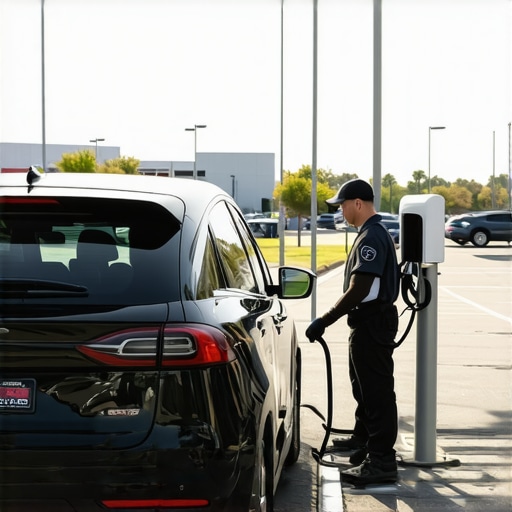
It was midnight when I suddenly noticed my EV charger blinking erratically, refusing to charge my car. In that tense moment, I realized I was unprepared for troubleshooting or even understanding what might be wrong. That lightbulb moment prompted me to dive deep into the world of EV charger troubleshooting and installation. If you’ve ever found yourself staring at that blinking indicator, unsure whether to panic or call in a pro, you’re not alone. But here’s the truth: many common issues can be quickly diagnosed and fixed with some basic knowledge—saving you time, money, and frustration.
Why Quick Troubleshooting Matters More Than Ever
In today’s fast-paced world, our electric vehicles have become essential, and reliable home charging is not a luxury but a necessity. When your charger fails, it disrupts your entire schedule—work, errands, family trips. Plus, with the increasing adoption of EVs, understanding how to troubleshoot common problems safely can make all the difference. I remember my early mistakes—one was trying to fix a loose connection without turning off the power first, which is a rookie error I wouldn’t wish on anyone. Trust me; safety and quick resolution go hand in hand. To get started on troubleshooting, check out expert tips for fast EV charger fixes.
Is DIY Troubleshooting Really Worth the Risk?
Early on, I thought I could handle electrical issues myself. After all, how hard can it be? Well, I learned the hard way—mistakes like improper grounding or skipping safety steps can lead to dangerous situations. According to electrical safety statistics, improper handling of electrical systems accounts for numerous household accidents each year. So, while many troubleshooting steps are straightforward, ensuring safety first is paramount. It’s often better to consult trusted guides and, when in doubt, call in a professional. For those ready to roll up their sleeves, understanding the basics can help you determine whether a problem is temporary or if professional intervention is needed. Discover more about safe installation and troubleshooting at comprehensive troubleshooting guides.
Now that we understand why quick, safe troubleshooting is vital, let’s explore practical steps to identify and resolve common EV charger issues with confidence. Ready to become your own troubleshooting hero? Let’s dive into the essentials.
.
Assess the Power Source First
Start by verifying that your home’s electrical supply is active. Check your circuit breaker panel for tripped switches—if the breaker for your garage or charging area has flipped, reset it and test the charger again. I once found my breaker tripped after a storm; resetting it resolved a blinking error indicator. Remember, a stable power source is the foundation for troubleshooting.
Inspect the Cables and Connections
Next, examine the charging cable and connector for visible damage or debris. Loosened or corroded contacts can cause blinking lights or charging failures. During one troubleshooting session, I cleaned the contacts with a dry cloth, which eliminated the erratic blinking. Think of it as cleaning the contacts of a bicycle pedal—dirt hampers good connection.
Test with a Different Outlet
Plug your charger into another outlet within your garage to rule out outlet-specific issues. Sometimes, a faulty socket causes inconsistent charging signals. For example, moving my charger to a different wall socket restored normal operation, confirming the outlet was the culprit. This step is like switching a light bulb—you eliminate one variable.
Reset and Reconfigure the Charger
Many chargers have a reset button or require a power cycle. Turn off the charger, unplug it, wait 30 seconds, then plug it back in. This refreshes the internal system, clearing minor errors. I once performed this reset during a troubleshooting attempt, which cleared the blinking error, leading to successful charging. Think of it as rebooting a computer to fix glitches.
Evaluate for Overheating or Environmental Factors
Check if the charger or cables are overheating or exposed to moisture. Overheated units may blink as a safety measure. During winter, I noticed a charger blinking when snow accumulated around it, so I cleared the area and ensured it was dry—then it resumed normal operation. Proper placement and protection of your charger improve reliability.
Consult the User Manual and Manufacturer Guides
Review the troubleshooting section specific to your EV charger model. Manufacturer resources often include diagrams and common fixes. I often consult detailed guides like expert tips for quick EV charger fixes to identify overlooked issues.
Determine When to Call a Professional
If all these steps don’t resolve the problem, consider contacting a licensed electrician. Faulty wiring, improper grounding, or internal component failure require expert intervention. I’ve learned that rushing into DIY fixes on complex electrical systems can be dangerous—safety should always come first. Learn more about safe installation from trusted sources like professional EV charging setup.
Many assume that troubleshooting electrical issues or installing lighting and EV chargers is straightforward, but the reality is far more nuanced. A common myth is that rapid fixes and DIY solutions can replace professional expertise. While some problems seem simple—like resetting a breaker—underestimating the complexity can lead to safety hazards or even repairs that worsen the situation.
One crucial nuance often overlooked is that a seemingly minor symptom, such as flickering lights or blinking EV chargers, may mask underlying wiring or grounding issues. Rushing to replace components without thorough diagnosis can entrench faults or create new risks. For instance, a homeowner might replace a faulty outlet, only to find the problem persists because of an unaddressed load or wiring fault further upstream. This ‘quick fix’ mentality ignores the importance of a holistic approach, which is essential for long-term safety and reliability. For reliable guidance, professional resources like expert troubleshooting tips highlight how comprehensive diagnostics outperform quick fixes.
Why Do So Many Overlook Grounding and Compatibility?
Understanding the roots of electrical faults requires more than surface-level inspections. Many assume that when an EV charger blinks or lights flicker, it’s just a defective unit. However, underpinning these symptoms are often grounding issues or incompatibility between the charger and home’s electrical system. For example, incompatible voltage or insufficient grounding can cause erratic behavior that no amount of resets or component replacements can fix. According to the National Fire Protection Association, improper grounding is responsible for a significant percentage of electrical fires annually, emphasizing the importance of proper grounding during installation and troubleshooting.
Advanced troubleshooting involves verifying circuit integrity, ensuring proper load balancing, and confirming compatibility of all components involved. Overlooking these details delays resolution and can compromise safety. Electricians trained in modern standards are aware that identifying the hidden nuances—like subtle wiring mismatches or harmonic distortions—can save lives. To avoid these traps, consulting comprehensive guides like lighting and EV installation safety tips is invaluable.
Finally, always question assumptions: When troubleshooting lighting, EV chargers, or wiring systems, remember that complexity is the norm, not the exception. Are you falling prey to oversimplified diagnoses? Do not compromise safety or performance by skipping thorough inspections. Instead, develop an understanding of the intricate factors at play, and when in doubt, bring in a professional. Your home’s electrical health depends on it. Reflect on your experiences—have you ever fallen into this trap? Let me know in the comments.
The Tools That Keep My Systems Running Smoothly
After years of installing and maintaining electrical components, I’ve honed in on specific tools that truly make a difference. A high-quality multimeter, like the Fluke 115, is indispensable for me because it offers accurate readings of voltage, resistance, and continuity, allowing me to quickly diagnose issues without guesswork. I personally prefer a clamp meter such as Amprobe’s AMP-210 for inspecting current flow in real-time, especially when troubleshooting EV chargers under load; it saves time and ensures safety. When it comes to software, I use specialized diagnostic apps like the DMM Tool for documenting voltage fluctuations over time. This way, I can identify intermittent faults that might not be evident during a brief inspection.
Maintaining these tools with regular calibration and battery checks is essential to keep their accuracy. Additionally, I invest in a portable inspection camera—a USB borescope—to examine wiring behind panels or inside junction boxes without unnecessary disassembly. This combination of hardware and software empowers me to identify subtle faults early, prevent costly repairs, and provide reliable service to clients.
Predictions for Future Maintenance Habits
Looking ahead, I believe the integration of smart diagnostic tools will become standard. Devices connected via IoT can monitor electrical parameters continuously, alerting us to issues before symptoms even appear. This proactive approach minimizes downtime and safety risks. As technology advances, I imagine a future where your smartphone can run real-time diagnostics on your EV charger or lighting system, making maintenance more accessible—and less guesswork.
How do I keep my electrical systems performing flawlessly over time?
One key method I recommend is performing regular visual inspections combined with preventive testing. For example, schedule quarterly checks of wiring connections, ensure grounding is intact, and verify that safety devices like circuit breakers are functioning correctly. Incorporating predictive maintenance tools, such as the smart monitors I mentioned, can provide early warnings of issues like voltage spikes or overheating, allowing you to act before a failure occurs. To guide your maintenance routine, I suggest reviewing comprehensive advice at top EV charger maintenance tips. Regularly updating your toolkit and adopting smarter diagnostic practices ensures long-term performance of your lighting and EV charging systems, giving you peace of mind and safety assurance. Don’t forget to try out one of these advanced diagnostic tips—especially using a clamp meter to verify load conditions—to see how it elevates your troubleshooting effectiveness.
What I Wish I Knew When I Started Fixing EV Chargers
One of the toughest lessons I learned early was the importance of patience and meticulous diagnosis. Rushing to replace components without thorough testing often led to recurring issues, wasting time and resources. I realized that understanding the root cause—whether a grounding fault or a compatibility problem—saves headaches in the long run. Embracing a methodical approach, like verifying circuit integrity or inspecting wiring connections, became my secret weapon for efficient repairs. Patience and detailed inspections are crucial skills that transformed my troubleshooting journey.
My Must-Have Tools for Electrician Success
Over time, I’ve curated a toolkit that makes electrical troubleshooting more reliable. A high-quality multimeter, such as the multimeter from Reliable Electric, allows me to quickly verify voltage and continuity. Pairing it with a clamp meter helps in diagnosing load issues during live tests, preventing unnecessary shutdowns. An inspection camera comes in handy for behind-wall checks without invasive disassembly. Trusting these tools, grounded in professional advice, keeps my systems running smoothly and safely.
Action-Packed: Your Next Steps for Smooth Electrical Systems
The future of troubleshooting lies in proactive maintenance and smart diagnostics. Regular visual inspections, combined with device alerts from IoT-enabled tools, enable early detection of issues like overheating or voltage irregularities. I recommend scheduling routine checks and investing in reliable monitors, like those discussed in top EV charger maintenance tips. Taking these steps doesn’t just prevent breakdowns—it empowers you to handle problems confidently and keep your home electrical system safe and efficient. Remember, a little vigilance today can avoid costly repairs tomorrow.