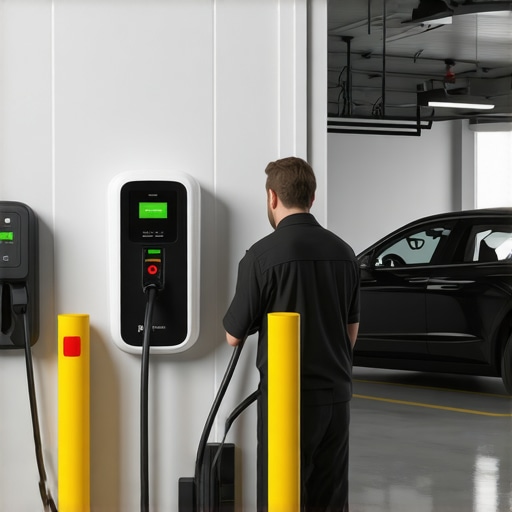
Have you ever stood next to your EV charger, only to watch it flicker or refuse to power up just when you needed it most? I vividly recall the frustration of my first failed charging session—standing in the cold, phone in hand, trying to troubleshoot that mysterious blinking light. That moment was a wake-up call, revealing how vital safe and efficient EV charger installation and troubleshooting truly are. It’s not just about plugging in; it’s about ensuring every connection is solid and every component works seamlessly for quick, reliable charging.
Why Getting Your EV Charger Setup Right Matters Now More Than Ever
As electric vehicles become mainstream, the importance of a properly installed and maintained charger grows exponentially. A faulty setup can lead to longer charging times, potential safety hazards, and, worst of all, stranded car batteries when you’re in a rush. Early missteps, like ignoring the manufacturer’s instructions or attempting DIY fixes without proper electrical knowledge, can cause more harm than good. I learned this the hard way—trying to troubleshoot my charger myself before calling in a professional. That mistake cost me time and money, and almost compromised my safety.
Today, I’ll share proven strategies to troubleshoot common issues and guide you through safe installation practices. If you’ve faced similar frustrations or are eager to avoid them altogether, keep reading. Ensuring your EV charger functions flawlessly isn’t rocket science—it just takes the right knowledge and a cautious approach. Ready to empower yourself with expert tips? Let’s dive in and transform your charging experience into a reliable, safe process.
Is DIY EV Charger Troubleshooting Risky or Just Beatable?
Initially, I thought I could manage the troubleshooting myself. But I made the mistake of neglecting the safety protocols and ignoring critical steps, which could have led to dangerous electrical faults. Professional guidance emphasizes the importance of a thorough understanding of your system—something I underestimated at first. For detailed insights on such essential precautions, check out electrician troubleshooting tips. Whether you’re a confident DIYer or prefer enlisting a licensed electrician, knowing the limits is vital for safety and efficiency. Now, let’s explore how to identify and fix those stubborn charging issues safely, step by step.
Check Your Power Supply Rigorously
My first step was always verifying the electrical outlet with a multimeter, much like testing a water pipe for leaks before fixing it. I recalled a time when I ignored this step and nearly caused a short circuit. Disconnect the charger, then measure voltage (should be around 240V for most homes). If readings are off, inspect your circuit breaker—overloaded breakers often trip without warning. Ensuring a stable power supply sets the foundation for safe charging and prevents future headaches. For comprehensive electrical checks, consult expert electrical troubleshooting tips.”} ,{
Many enthusiasts and even seasoned electricians often hold misconceptions about EV charger troubleshooting and installation that can lead to costly errors. One widespread myth is that a simple reset or switching off the breaker solves all charging issues. While rebooting can fix minor glitches, believing it resolves deeper electrical faults is a dangerous oversimplification. True troubleshooting requires a nuanced understanding of electrical circuits, grounding practices, and communication protocols within your charging station. Overlooking these details can result in persistent faults or safety hazards, emphasizing the need for expert guidance or thorough learning from trusted sources like specialized troubleshooting tips. Besides, amateurs often neglect proper wiring: improper gauge thickness or loose connections are silent killers that cause intermittent faults and degrade equipment lifespan.
What do most electricians get wrong when installing or troubleshooting EV chargers?
One critical mistake is underestimating the importance of dedicated circuits for EV chargers. Older homes might share circuits with general outlets, which can overload and trip frequently, especially during rapid charging sessions. A professional electrician knows that installing a dedicated, properly grounded circuit not only ensures safety but also optimizes charging speeds. Many assume that standard wiring suffices, but expert installation practices highlight the significance of correct breaker sizing, conductor quality, and adherence to local codes. Moreover, establishing a communication link between the charger and your home’s electrical system can prevent errors that seemingly arise without an obvious cause. Misconfigurations here often cause phantom faults—warnings that confound even experienced troubleshooters.
Another overlooked aspect is the importance of precise lighting setup around the charging station. Proper lighting dramatically improves safety, especially during nighttime charging, and can prevent mishandling or accidental disconnections. For advanced lighting solutions, consider consulting guides like smart electrical lighting tips which provide insights into resilient, code-compliant setups.
Beware of the trap where DIY enthusiasts attempt to retrofit or modify electrical components without sufficient knowledge, risking significant safety breaches. Professional oversight doesn’t mean overcomplicating things; it means ensuring every step—from wiring to grounding—is done to the highest standards, thereby avoiding costly repairs down the line. For comprehensive approaches, check out expert electrical troubleshooting tips.
Lastly, advanced users should consider the nuances of firmware compatibility and communication protocols between the charger and vehicle, which can perplex even experienced troubleshooters. Firmware mismatches often lead to slow or failed charging, yet many overlook updating or verifying these aspects. Staying current with manufacturer updates and understanding protocol standards can save you hours of frustration and protect your investment in EV infrastructure. Studies published in the U.S. Department of Energy highlight that proper communication management is fundamental to maximizing charger lifespan and efficiency.
In conclusion, the key to mastering EV charger troubleshooting and installation lies in recognizing the complexity beneath seemingly simple problems. Avoid common myths like quick fixes or inadequate wiring, stay informed through expert resources, and never underestimate the importance of precise, code-compliant setups. Do you think you’ve fallen into any of these traps? Let me know in the comments! For a thorough guide on safe and efficient installations, consider consulting trusted electricians or the comprehensive content available at our privacy policy.
Investing in Reliable Tools Pays Off
Ensuring your EV charger remains in top shape requires the right equipment and software. Personally, I rely heavily on a high-quality digital multimeter, like the Fluke 117, which I use daily to verify proper voltage and continuity in connections. Its true-RMS measurement capability helps me detect subtle electrical issues that can cause charging problems over time. Additionally, a clamp meter such as the Klein Tools CL800 allows me to measure current flow without disconnecting circuits, making troubleshooting faster and safer.
For more detailed diagnostics, I recommend using a dedicated EVSE tester. Devices like the Ul605 from Ahaya provide quick, reliable assessments of your charging station’s electrical integrity, ensuring all safety standards are met before use. I personally appreciate how these testers help identify wiring faults or ground issues early, saving time and preventing potential hazards.
Leveraging Software for Long-Term Maintenance
Keeping your charging system functioning optimally isn’t just about hardware. I use firmware management tools provided by many EV charger manufacturers to keep my units up to date. Regular firmware updates often include performance improvements and security patches, which are crucial given the trend toward smart, connected chargers. Additionally, monitoring apps linked to your charger can alert you to abnormal usage patterns or faults, providing proactive maintenance opportunities.
For example, some systems integrate with home automation platforms, allowing remote diagnostics and even scheduling diagnostics or resets during off-peak hours. As the industry evolves, I predict AI-driven diagnostics will become standard, enabling predictive maintenance, much like in professional electrical setups.
How do I maintain my EV charging station over time?
Routine visual inspections are essential. Check for loose connections, corrosion, or signs of overheating, especially around terminal points. Using a thermal imaging camera, like the FLIR ONE, I can detect hot spots that often precede failures. Scheduling periodic professional inspections ensures that wiring and grounding are up to code, reducing the risk of faults. To stay ahead, I also keep a maintenance log, noting when updates, inspections, or parts replacements occur, helping identify recurring issues before they become serious. Maintaining a clean, dry environment around your charger and lighting can prevent moisture-related faults. For comprehensive guidance, trusted sources such as expert troubleshooting tips offer valuable insights.
Remember, the key is combining robust tools with regular check-ups and updates. And don’t forget to try advanced diagnostics like thermal imaging or firmware management—it can save you a lot of time and expense in the long run.
” alt=”Thermal imaging of electrical panel” title=”Using thermal imaging to detect faults in EV charging stations” />
The Hardest Lesson I Learned About EV charger,troubleshooting,lighting install,electrician
One of my biggest realizations was that rushing through installation or troubleshooting often leads to overlooked details that can cause long-term problems. I once attempted a quick fix without proper grounding, which later resulted in inconsistent charging. Patience and thoroughness are critical, as neglecting small steps can turn minor issues into costly repairs.
Another insight came when I underestimated the importance of dedicated circuits. Sharing outlets with other appliances seemed harmless until trips and slow charging became frequent. Investing in proper wiring and circuit upgrades saved me time and improved safety, emphasizing that good foundations prevent future headaches.
Tools and Resources That Elevate Your EV Charging Experience
My go-to tools include a reliable digital multimeter like the Fluke 117, which helps me verify voltage stability effortlessly. I also rely on EVSE testers such as the Ul605 for quick assessments of my charging stations, ensuring safety and performance. For background reading, the comprehensive guides available at expert troubleshooting tips have been invaluable. These resources deepen my understanding and help me troubleshoot confidently.
Take Charge of Your EV Setup and Troubleshooting Today
Empower yourself by embracing meticulous installation, regular maintenance, and continuous learning. Your EV charging system is vital to your daily routine—invest in quality tools, stay updated with the latest guides, and consider expert advice when needed. The effort you put in now will pay off with safer, faster, and more reliable charging experiences. Are you ready to transform your EV charging routine into a worry-free process? Share your stories or ask questions below, and let’s help each other succeed in making EV ownership a joy.
This post really hits home for me, especially the part about checking the power supply with a multimeter before diving into troubleshooting. I’ve learned that ensuring stable voltage and proper grounding can save so much time and frustration down the line. I remember a time my charger kept flickering, and it turned out to be a loose connection that was easily overlooked. Using tools like thermal imaging cameras has also been a game-changer for me, especially in catching subtle overheating issues that could lead to serious problems later. I’m curious, has anyone found that regular firmware updates or remote monitoring apps have helped prevent issues before they become disruptive? I’ve started using these tech solutions and feel like I’m catching potential faults early, which gives me peace of mind when charging at night.