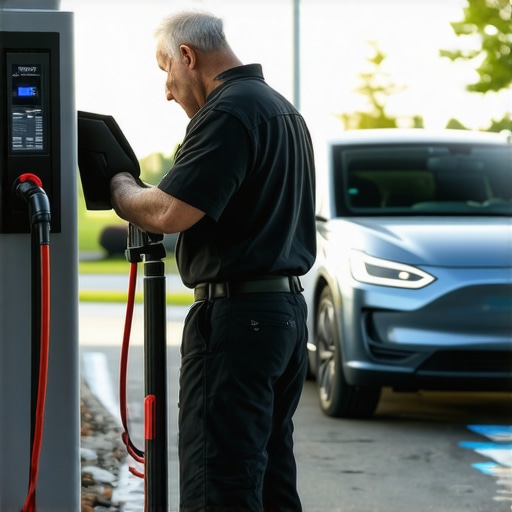
Ever been ready to plug in your electric vehicle only to find that your charger isn’t working? I’ve been there. One minute, everything’s set for a smooth charge; the next, I’m scratching my head, wondering why it’s not cooperating. That frustrating moment when your EV charger refuses to start can throw your whole day off. But here’s the thing — most of these issues aren’t as complicated as they seem. With a bit of know-how, you can troubleshoot effectively and even tackle some installation hiccups yourself.
Why Fixing EV Charging Problems Should Be a Priority
Let’s face it, EVs are becoming the norm, not the exception. According to the Department of Energy, the number of electric vehicles on the road is expected to hit 18 million by 2030. That’s a lot of charging stations and a lot of potential troubleshooting headaches. If your charger isn’t working properly, it’s more than just an inconvenience — it’s a barrier to reliable, eco-friendly transportation. A faulty charger can lead to charging delays, increased costs, or worse, safety hazards if not addressed promptly. Trust me, ignoring these issues doesn’t make them go away; it only makes them worse over time.
Is EV Charger Troubleshooting Actually Worth the Hype?
When I first started troubleshooting my own EV charger, I made the mistake of assuming it was a major electrical problem. Turns out, many issues are simple fixes, like loose connections or outdated firmware. Early on, I overlooked some basic checks, which led to unnecessary callouts and expenses. Learning from that, I now recommend following a systematic troubleshooting process, which you can find detailed in this expert guide. It’s surprising how often the solution is something straightforward, but missing it can waste time and money. That’s why understanding common problems and how to fix them is a game-changer for any EV owner.
In the next sections, I’ll walk you through the most common issues, how to identify them, and when to call in a professional. Whether it’s your home setup or the charger itself, knowing what to look for makes all the difference. Ready to turn that charging frown upside down? Let’s dive into the practical tips that will keep your EV ready to go whenever you are.
Check Your Power Source and Connections
Start with the basics by inspecting your power outlet and the connection to your EV charger. Think of it like checking the gas cap before assuming the fuel gauge is wrong—simple but crucial. I once found a loose plug after a quick wiggle test, and that fixed my charging issue instantly. Ensure all cables are securely connected and look for signs of wear or damage. If the outlet or cable appears compromised, it’s time to replace or repair it, which you can learn more about in lighting installation tips.
Examine the Circuit Breaker and Fuses
Next, verify that your circuit breaker hasn’t tripped. It’s like a safety valve that cuts off power when overloaded. A quick flip of the breaker switch back to the ON position can restore power. If the breaker keeps tripping, it’s a sign of underlying electrical issues that demand professional attention. I had a similar problem and called an electrician, who identified a faulty breaker causing intermittent power. For detailed guidance, see troubleshooting tips from electricians.
Test Your Charger with a Different Outlet
Sometimes, the problem isn’t the charger but the outlet itself. Try plugging the charger into a different, known-good outlet. It’s like testing a light bulb in various sockets to pinpoint the fault. If it works elsewhere, the original outlet might be faulty or need repair. If not, the charger itself could be the culprit, which you can troubleshoot further with manufacturer guidance or professional help. I learned this the hard way when an outlet kept tripping, but switching outlets resolved my charging issues entirely.
Update Firmware and Reset Your Charger
Many modern EV chargers have firmware that occasionally requires updates. Check your charger’s app or manual for update instructions. Resetting the device can also clear temporary glitches—like rebooting your phone to fix a frozen app. I once faced a stubborn charger that refused to recognize my vehicle until I performed a reset, which was detailed in expert troubleshooting tips. Keeping firmware current ensures optimal performance and helps prevent issues before they start.
Inspect the Electrical Wiring and Grounding
Faulty wiring or poor grounding can cause charging problems or even safety hazards. Think of wiring like blood vessels—if they’re blocked or damaged, it affects the whole system. Visually inspect accessible wiring for signs of corrosion, burns, or loose connections. If you notice any irregularities, do not attempt repairs yourself; contact a licensed electrician. Proper grounding is essential for safety and reliable operation, and a professional can verify this during a thorough inspection. I had a grounding issue that caused intermittent charging interruptions, which a qualified electrician fixed swiftly.
Schedule Regular Maintenance and Professional Checks
Prevent future problems by scheduling routine inspections with a trusted electrician. Think of it like regular health check-ups—catch issues early before they become costly repairs. Electricians can perform comprehensive diagnostics, update firmware, and ensure your setup complies with safety standards. For expert advice on maintenance, visit maintenance tips from electricians. This proactive approach keeps your EV charging station reliable and safe, giving you peace of mind for every charge.
Many EV owners fall into the trap of believing popular myths about charging their electric vehicles, which can lead to costly mistakes or overlooked issues. Let’s dig deeper into some misconceptions that persist in the EV community and clarify what the expert insights reveal.
Are All EV Chargers Created Equal
One common mistake is assuming that any EV charger will do the job equally well. In reality, not all chargers are compatible with every vehicle or installation environment. For example, Level 2 chargers vary in amperage, connector types, and smart features, which can impact charging speed and safety. Relying on generic advice without considering your specific setup can cause inefficient or unsafe charging. To ensure your charger is suitable, consult a professional or review detailed guides like this troubleshooting guide.
Overlooking the Importance of Proper Grounding
A hidden nuance many owners miss is the critical role of proper electrical grounding. Faulty grounding can cause intermittent charging issues or even safety hazards. Despite this, some assume that as long as the charger powers on, grounding isn’t an issue. However, according to electrical safety standards, correct grounding ensures safe operation and prevents electrical faults. Neglecting this step might lead to dangerous situations. Always have a licensed electrician verify your grounding during regular maintenance, which you can schedule through contacting professionals.
Why Do My Firmware Updates Matter More Than I Thought
Many assume firmware updates are just minor software patches, but they actually play a vital role in the charger’s performance and safety. Outdated firmware can cause compatibility issues, slower charging, or missed security patches. Advanced users often ignore updates, thinking their device is working fine. However, manufacturers recommend regular updates to optimize efficiency and fix known bugs. As highlighted by industry experts, neglecting firmware updates can lead to preventable problems, making it worth checking regularly through your app or manual. For detailed tips, visit this resource.
Have you ever fallen into this trap? Let me know in the comments, and remember, understanding the nuances can save you time, money, and safety in your EV charging journey!
How do I keep my EV charging station running smoothly over time?
Maintaining your EV charger isn’t just about fixing issues when they arise; it’s about proactive care that ensures consistent performance. One of my go-to strategies involves using specialized diagnostic tools that give me real-time insights into the health of my setup. For example, the FLuke 117 Electrician’s Multimeter is a device I rely on heavily. It’s compact, precise, and can quickly verify voltage, current, and continuity, helping me identify wiring issues or faulty connections before they cause bigger problems. Regular use of such tools can prevent unexpected breakdowns and extend the lifespan of your system.
Another essential component is keeping your firmware updated. Modern chargers often come with software that improves efficiency and security, but these updates are only beneficial if installed regularly. I make a habit of checking the manufacturer’s app or portal every few months, ensuring my firmware is current. This small step can resolve bugs that may cause intermittent charging or slowdowns, saving me time and hassle.
For physical maintenance, I recommend inspecting your cables and connectors monthly. Look for signs of wear, corrosion, or damage. If you notice any issues, replace parts promptly. The top maintenance tips from trusted electricians emphasize that early intervention can prevent safety hazards and costly repairs down the line.
Having the right tools and a consistent maintenance routine is key to keeping your EV charger reliable. As the technology evolves, I predict that smart diagnostic systems integrated with AI will become commonplace, offering even more precise and predictive maintenance capabilities. These advancements will make troubleshooting faster and more efficient, allowing homeowners to address issues before they impact usability.
What advanced methods can I use to troubleshoot persistent problems?
If you’re dealing with stubborn issues, consider employing professional-grade testing equipment like the Clamp Meter for checking current flow or a Network Analyzer for assessing communication protocols. These tools provide deeper insights than basic multimeters and can pinpoint complex faults such as network configuration errors or internal hardware failures. Using these devices might seem daunting at first, but with proper guidance, they can dramatically improve troubleshooting accuracy.
Finally, don’t forget to document your maintenance activities and issues. Keeping a log helps track recurring problems and the effectiveness of your interventions. When in doubt, consulting with a certified electrician through professional support ensures safety and compliance with electrical standards.
So, why not try implementing a regular firmware check combined with using a multimeter for quick diagnostics? These small but powerful steps can make a significant difference in keeping your EV charging station in top shape, providing peace of mind and reliable service for years to come.
The Hardest Lesson I Learned About EV Charger Troubleshooting
Early in my experience with electric vehicle charging, I believed most issues required professional help. It wasn’t until I faced a stubborn charger that refused to work despite simple checks that I realized the importance of understanding basic troubleshooting techniques. Now, I know that many problems are just a few steps away from a solution, saving time and money.
3 Myths About EV Charging That Held Me Back
One popular misconception is that all chargers are created equal, leading many to overlook compatibility issues. Another myth is that if the charger powers on, grounding isn’t an issue—when in fact, proper grounding is crucial for safety and consistent operation. The third false belief is that firmware updates are optional; in reality, they can resolve bugs and improve performance. Disentangling these myths has empowered me to troubleshoot more effectively and avoid costly mistakes.
What Experts Won’t Tell You About EV Troubleshooting
Many seasoned electricians emphasize the importance of routine maintenance and professional checks but often don’t stress enough how small, proactive steps can prevent major problems. Regularly inspecting cables, updating firmware, and verifying grounding can dramatically extend your charger’s lifespan. The real secret is that you don’t need to be an expert to implement these habits—just a bit of knowledge and a proactive mindset can make all the difference.
Curated Resources for Smarter EV Charging
My Essential Toolkit for EV Troubleshooting includes a reliable multimeter like the FLuke 117, which helps me verify voltage and connections quickly. I also trust the detailed guides found on this troubleshooting resource—it’s packed with practical tips from industry professionals. Lastly, my favorite source for ongoing learning is the maintenance tips from trusted electricians, helping me stay ahead of potential problems.
Your Turn to Try
Now that you know some of the hidden lessons and trusted tools, it’s time to put them into practice. Regular maintenance, quick diagnostics, and a proactive approach can keep your EV charging station running smoothly for years. Remember, understanding your system is the key to reliable, safe charging. Are you ready to troubleshoot your EV charger with newfound confidence? Let me know your experiences below and share your tips!
I recently had a similar experience where my EV charger wouldn’t start, and it turned out to be a loose connection at the outlet. Once I secured everything properly, it worked like a charm! Your tips about checking the power source and wiring are spot on. What’s interesting is that sometimes the issue is surprisingly simple, but we tend to overlook these basics in favor of more complex fixes. I’ve also found that keeping firmware updated really helps prevent glitches that can be tricky to diagnose. Have any of you tried using diagnostic tools like multimeters or firmware check apps to troubleshoot? I’d love to hear which methods have worked best for others, especially for those who want to do more DIY fixes before calling in a pro.