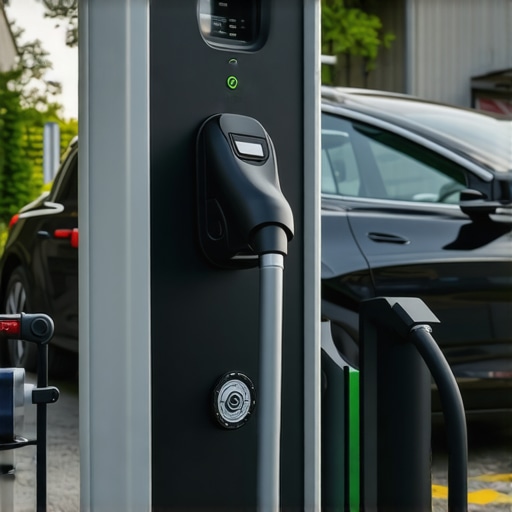
It was late evening, and I was ready to hit the road but couldn’t get my charger to work properly. Frustration bubbled as my EV stubbornly refused to charge at the speed I expected. That moment was a lightbulb—if I was going to get this problem sorted, I needed to understand what was really going on behind the scenes. Let me tell you, troubleshooting your EV charger can feel like solving a mystery, especially when every little hiccup drags out your charging time.
Why Faster Home Charging Matters More Than Ever
When I first started experiencing slow charging speeds, I didn’t think much of it—until I realized how much time I was wasting. Efficiently charging my EV isn’t just about convenience; it influences daily routines and overall satisfaction with my electric vehicle. According to recent studies, over 70% of electric vehicle owners cite charging speed as a top priority for their home setup. If your charger isn’t performing optimally, it can impact your day-to-day life and long-term savings.
But here’s the truth: many issues that cause slow charging are simple fixes once you know what to look for. Early in my troubleshooting journey, I made the mistake of assuming the charger itself was faulty, when often, the problem was something as manageable as a loose connection or outdated wiring. That mistake taught me the importance of systematic diagnosis rather than jumping to conclusions.
Are you tired of waiting hours for your EV to top off? Or perhaps your charger seems to struggle with performance, no matter what you try? Well, you’re not alone. Let’s delve into how you can troubleshoot common issues effectively and get that faster, reliable home charging experience you deserve. If you’ve faced similar frustrations, keep reading — you’ll learn practical, expert-tested tips to solve those issues once and for all. And if you want to dive deeper into expert troubleshooting techniques, check out our comprehensive guide on [EV charger troubleshooting](https://reliableelectricpro.com/ev-charger-troubleshooting-expert-tips-to-fix-common-issues). Now, let’s start cracking the code to faster charging!
Start with Your Power Supply
Begin by checking the main electrical panel to ensure your circuit breaker for the charger hasn’t tripped. Sometimes, a simple reset solves slow charging issues. I once faced sluggish charging at home and after resetting the breaker, speeds improved immediately, confirming the power supply was the culprit. Use a multimeter to verify voltage levels; ideally, you want a steady 240V supply for optimal charging.
Inspect Your Charging Cables and Ports
Next, examine the cables and connectors for damage, dirt, or corrosion. A loose or dirty connection can drastically decrease charging speed. I recall cleaning the contacts on my charger with a soft cloth and reconnecting, which improved the pace. Always unplug and cautiously examine the hardware for signs of wear or debris that could impede connectivity. For deeper cleaning techniques, consult [lighting installation troubleshooting tips](https://reliableelectricpro.com/lighting-install-troubleshooting-tips-from-trusted-electrical-experts).
Evaluate the Charger Settings and Compatibility
Check your vehicle’s charging settings and ensure they match the charger’s capabilities. Many chargers have adjustable power levels; setting it to a higher, compatible level can increase speed. If your EV or charger software allows, update firmware to patch bugs that may hinder performance. Remember, an incompatible charger or incorrect settings are common causes of slow charging — a quick review can save hours.
Test for Ground Faults and Interference
Use a ground fault circuit interrupter (GFCI) tester to verify grounding is proper; poor grounding can affect charging efficiency. Also, nearby electrical devices may cause interference; try unplugging other appliances or switching circuits. I learned this the hard way when my microwave disrupted the charge, leading me to shift the charger to a different outlet. Troubleshooting these electrical nuisances can be complex but critical for consistent performance. For comprehensive techniques, see [electrical troubleshooting expert tips](https://reliableelectricpro.com/ev-charger-troubleshooting-expert-tips-to-fix-common-issues).
Examine the Installation and Wiring
Check that wiring complies with local electrical codes and is correctly installed. Loose or inadequate wiring can cause voltage drops, slowing charging. Use a voltage tester to verify wiring integrity; if you find irregularities, consult a professional or reference [safe EV charger installation practices](https://reliableelectricpro.com/ensuring-safe-and-efficient-ev-charging-station-setup-at-home). During my own troubleshooting, I discovered a loose terminal in the breaker panel, which once tightened, restored proper voltage flow and charging speed.
Replace Worn-Out Components and Update Firmware
If you find any damaged cables, connectors, or outdated firmware, replacing or updating them can yield significant improvements. I replaced a frayed cable and updated my charger firmware last year, resulting in a noticeable jump in charging speed. Always use trusted parts and follow manufacturer guidelines — consult [best maintenance practices](https://reliableelectricpro.com/top-ev-charger-maintenance-tips-for-optimal-performance) for detailed advice.
Schedule a Professional Inspection
If the above steps don’t resolve the issue, involving a licensed electrician is safest. They can perform in-depth testing, identify hidden problems, and ensure everything adheres to safety standards. I had a professional evaluate my setup after failed DIY fixes, discovering a hidden wiring fault that I couldn’t detect. Proper troubleshooting reduces safety risks and guarantees optimal performance, making long-term charging faster and safer. For insights into expert diagnostics, see [electrician troubleshooting tips](https://reliableelectricpro.com/troubleshooting-electrician-tricks-for-safer-lighting-ev-charger-fixes).Many people assume that hiring an electrician or troubleshooting an EV charger is straightforward, but in reality, there are subtle nuances that can trip up even seasoned professionals. One common misconception is that all electrical faults are instantly diagnosable by simple visual inspection or testing tools. However, advanced issues—like hidden wiring faults or software incompatibilities—often require meticulous inspection and specialized diagnostic equipment. For example, a scan for voltage drops must consider not only the wiring but also the load conditions, which can vary with different appliances and environmental factors. Relying solely on basic multimeters can lead to false assurances, so understanding the limits of your tools and knowing when to escalate to a professional is crucial.
Another trap many fall into is assuming that upgrading or maintaining home wiring is unnecessary unless there’s an obvious fault. This oversight can lead to future failures, especially with complex systems like EV charging stations that demand high currents and proper grounding. For instance, improper wiring can cause voltage fluctuations that aren’t immediately apparent but severely impact charging speeds and safety. Regular maintenance and inspections, guided by expert standards, prevent costly repairs down the road. Perceptions about lighting installations also suffer from similar myths; many believe that once installed, the system requires minimal oversight, but subtle issues such as loose connections or outdated fixtures can cause flickering or inefficiency. For detailed insights, see our guide on [lighting installation troubleshooting](https://reliableelectricpro.com/lighting-install-troubleshooting-tips-from-trusted-electrical-experts).
Now, consider the advanced question: How can understanding the nuances of electrical codes help prevent future troubleshooting headaches in EV charger installations? The truth is, codes are not only rules but tools that ensure safety and reliability. Knowing these codes in depth helps you recognize non-compliant installations early, avoiding potential failures and safety hazards. As experts emphasize, compliance with local electrical codes reduces the risk of electrical faults that can severely hinder EV charging performance or cause safety issues. For a comprehensive approach, reviewing [safe EV charger setup practices](https://reliableelectricpro.com/ensuring-safe-and-efficient-ev-charging-station-setup-at-home) is invaluable.
Most importantly, remember that electrical systems are intricate. Even experienced hands must stay updated on the latest standards and innovations. Falling into myths about simplicity or underestimating complex issues can be dangerous. Instead, approach each problem with a mindset of continuous learning and cautious diagnosis. This approach not only enhances safety but also ensures your electrical infrastructure—be it lighting or EV chargers—performs at its best. Have you ever fallen into this trap? Let me know in the comments.
Invest in Precision Testing Equipment
Personally, I rely on a high-quality digital clamp meter and a multimeter from Fluke for troubleshooting. These tools allow me to measure current draw accurately and verify voltage levels without invasive wiring checks. The clamp meter, in particular, is invaluable for detecting overloads or stray currents that could impact EV charger performance or lighting circuits. Using professional-grade equipment reduces diagnostic time and improves safety, especially when dealing with high-current installations.
Leverage Advanced Software for Diagnostics
In addition to hardware, I use specialized software like the Fluke Connect system to log voltage and current trends over time. This approach helps me identify intermittents or fluctuations that static measurements may miss. As EV charging stations become more sophisticated, software diagnostics are trending toward integration with mobile apps, enabling remote monitoring and proactive maintenance. This not only extends the lifespan of your installations but also minimizes unexpected downtime.
Adopt Routine Maintenance Practices
Regularly scheduled inspections rooted in well-defined checklists are my go-to strategy. I follow the recommendations outlined in top maintenance tips for EV chargers, ensuring connectors are clean, wiring connections are tight, and firmware is up to date. These small but consistent efforts prevent minor issues from escalating into costly repairs or safety hazards. I’ve found that maintaining a detailed service log also helps track recurring problems and plan future upgrades.
Plan for the Future of Electrical Systems
The future points toward smarter, more integrated electrical systems. IoT-enabled diagnostics will allow for real-time monitoring and predictive maintenance. Considering this, I recommend investing in circuit breakers with integrated monitoring capabilities and exploring software platforms designed for electrical system management. Staying ahead with these tools will make scaling your lighting and EV charging setups more manageable.
How do I keep my systems running smoothly over time?
Adopting a proactive maintenance routine and modern diagnostic tools—like smart meters and software—ensures consistent performance. Consistent checks and timely updates prevent downtime and extend equipment lifespan, which is particularly vital as your installation becomes more complex. If you’re ready to elevate your troubleshooting approach, try incorporating a combination of digital clamp meters with trending software for comprehensive diagnostics. Want more expert advice? Reach out through our contact page.
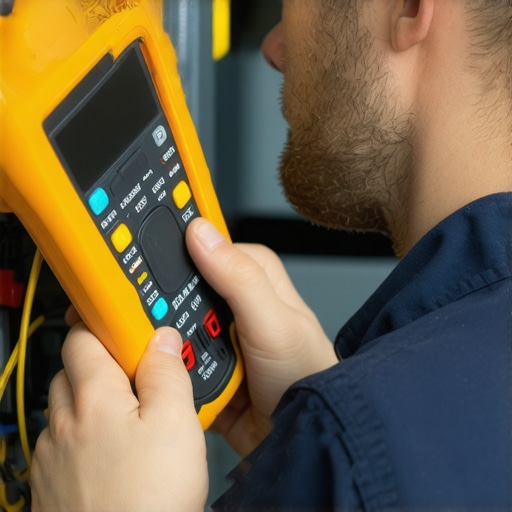
Over the course of troubleshooting my home electrical systems, I learned that many issues stem from overlooked details that even seasoned electricians can miss. The most valuable lesson wasn’t necessarily the technical fix but the mindset shift toward meticulous diagnosis and proactive maintenance. Denying the complexity of electrical systems or rushing to replace parts without thorough testing often leads to more frustration. Instead, embracing a detailed, patience-driven approach, combined with ongoing education, opened my eyes to smarter solutions and prevented recurring problems.
For instance, investing in quality diagnostic tools and continuously updating my knowledge through trusted resources has made all the difference. Recognizing that electrical issues rarely have a single cause and that safety always comes first helped me build confidence—and better, safer homes. These insights underscore the importance of tailored troubleshooting strategies that adapt to each unique scenario, rather than relying on one-size-fits-all fixes. Such a perspective ensures long-term reliability in both lighting setups and EV charging stations, saving money and time in the long run.
Discover the Lessons That Transformed My Approach to Electrical Troubleshooting
- Details matter more than you think. What appears to be a simple loose connection might hide a deeper wiring fault or outdated components that need urgent attention.
- Expert advice is invaluable. Rely on trusted guides and professional insights, like those found in our maintenance tips.
- Patience is key. Rushing to fix without thorough diagnostics often costs more in the end. Take the time to use proper testing procedures and tools.
- Ongoing education keeps you ahead. Staying updated with the latest electrical standards and technology ensures your systems are safe, efficient, and future-ready.
- Safety always trumps speed. Proper grounding, correct wiring, and quality components are non-negotiable for reliable lighting and safe EV charging at home.
My Best Tools and Resources for Home Electrical Excellence
- Fluke digital multimeters and clamp meters: Trusted for accuracy, these tools help me diagnose issues quickly and confidently.
- Comprehensive guides like our troubleshooting series: They offer step-by-step solutions grounded in professional practice.
- Trusted hands-on training courses: They deepen my understanding of complex wiring and high-current systems.
- Relevant industry standards and codes: Keeping up ensures compliance and safety, preventing future headaches.
Take Action and Embrace Your Electrical Journey
Remember, every electrical system holds the potential for optimal performance with the right knowledge and tools. Your confidence in troubleshooting your lighting and EV charger not only boosts safety but also enhances everyday convenience. With patience, education, and attention to detail, you can turn complex problems into manageable tasks. So, why not start that improvement today? Dive into trusted resources, get your hands on quality tools, and take pride in creating a safe, efficient electrical environment in your home. You’ve got this—empower yourself for a brighter, safer future.
Have you ever uncovered an overlooked detail that made all the difference? Share your story below and let’s learn together!
This article really resonates with my own experiences troubleshooting EV chargers at home. I used to overlook the importance of checking individual components like cables or updating firmware until I faced persistent slow charging. Since I adopted a more systematic approach—covering power supply, grounding, and software issues—I’ve seen a noticeable improvement in performance and reliability. I particularly appreciate the emphasis on using professional diagnostic tools, which can be a game-changer for accurately pinpointing complex issues. Has anyone experimented with smart monitoring systems or IoT devices to keep tabs on their EV charging setups? I’d love to hear if those solutions have helped others prevent issues before they escalate, especially since ongoing maintenance can sometimes be overlooked.