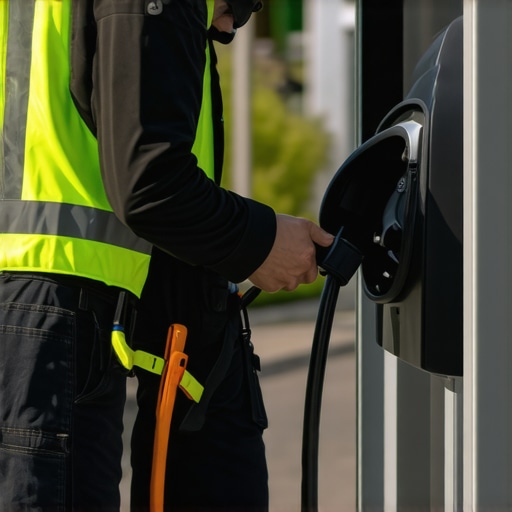
Ever been stranded in your driveway, staring at your EV charger blinking or refusing to work, and felt that sinking frustration? I’ve been there. One evening, my charger just stopped responding, and I was about to call a professional—until I remembered a few crucial troubleshooting tricks I’d picked up over the years. That night, I learned a valuable lesson: many EV charger issues aren’t as complex as they seem, and a little expert knowledge can save you time, money, and stress.
Why Reliable EV Charging Matters More Than Ever
With the rise of electric vehicles, having a dependable home charging station isn’t just a convenience—it’s a necessity. According to recent studies, nearly 70% of EV owners experience charging problems at some point, which can disrupt daily routines and even impact vehicle lifespan if not addressed properly. The good news? Many of these problems can be solved with a few expert electrician troubleshooting tips, ensuring your EV is always ready to hit the road.
But here’s the catch: I initially made a mistake that many homeowners do. I assumed that every charging issue was a sign of a faulty device or a need for expensive repairs. That assumption led me down a frustrating path of unnecessary replacements and calls to electricians. The turning point was realizing that most issues stem from simple electrical faults or setup errors—things I could learn to identify myself.
If you’ve ever faced a stubborn charging problem, you’re in the right place. Today, I’ll share the essential troubleshooting strategies I’ve found invaluable. These tips are based on practical experience and backed by expert advice from trusted sources, like this comprehensive guide on EV charger troubleshooting. Trust me, mastering these can turn you into your own troubleshooting hero.
Is It Really Worth the Hype? My Honest Take on Troubleshooting EV Chargers
At first, I doubted whether all this troubleshooting was worth the effort. Wouldn’t calling a pro be simpler? But I learned that early diagnosis and basic electrical checks can prevent bigger problems down the line. Plus, it’s empowering. For instance, I used to ignore loose connections, thinking they weren’t a big deal—until a minor fix saved me from a costly replacement. The key is knowing what to check first, and that’s what I want to share with you now. Curious about how to start troubleshooting? Keep reading, because the next steps might just save your day—and your wallet.
Start with the Basics to Diagnose
When my charger suddenly stopped working, I first checked for obvious issues like loose connections or tripped breakers. Think of it like checking your car’s fuel gauge before calling a mechanic—simple but crucial. Ensure the charger’s power supply is active by flipping the circuit breaker off and on again. If you notice the charger’s indicator blinking or not responding, it could be a power issue or a faulty connection.
Check the Power Source
Use a multimeter to verify that the outlet is delivering the correct voltage. For instance, I once found that a loose outlet wire caused my charger to malfunction. If you’re unsure about testing voltage, consider consulting an electrician through this contact page. Remember, safety first—turn off the power before inspecting wiring.
Inspect the Electrical Connections
Loose or corroded wiring can mimic more complex faults. I once found a corroded terminal inside my charger’s plug. To fix this, I disconnected the plug, cleaned off corrosion with a wire brush, and reconnected it tightly. Think of electrical connections like the arteries in your body—if they’re blocked or weak, the whole system suffers. Tighten all terminal screws and ensure wires are firmly connected. If you see damaged insulation or burned components, it’s time to replace parts or call a professional.
Test the Circuit Breaker and GFCI
Sometimes, the issue isn’t with the charger but with the breaker or GFCI outlet. I had a GFCI outlet trip without my noticing, which prevented my charger from functioning. Reset the breaker or GFCI and test again. Use a socket tester or multimeter to confirm proper operation. If the breaker trips repeatedly, it indicates an underlying electrical problem that warrants expert attention.
Evaluate the Charger Hardware
If all wiring and power sources seem fine, inspect the charger unit itself. Look for error codes or blinking lights, then consult the user manual. I once reset my charger by unplugging it for 10 seconds, which cleared a minor glitch. For persistent hardware issues, check the manufacturer’s troubleshooting guide or contact expert troubleshooting tips. Don’t attempt complex repairs unless you’re qualified—interfering with internal components can be dangerous and void warranties.
Test the Charger with a Different Outlet
If possible, try plugging your charger into another outlet to rule out outlet-specific issues. I once moved my charger to a different room and it worked perfectly, confirming the original outlet was faulty. This step is like testing a light bulb in different sockets—eliminates the outlet as the source of the problem. If the charger works elsewhere, focus on fixing or replacing the faulty outlet.
Ensure Proper Setup and Compliance
Verify that your charger installation complies with local electrical codes and manufacturer instructions. Sometimes, improper setup causes issues that mimic faults. For example, I initially installed my charger without a dedicated circuit, which led to frequent trips. Consulting a professional electrician for proper setup can save headaches later. For detailed instructions, visit this guide.
When to Call in the Experts
If troubleshooting doesn’t resolve the problem, it’s time to seek professional help. Electricians can perform advanced diagnostics, check for hidden faults, and ensure your setup is safe. Remember, working with high voltage can be dangerous; never attempt repairs beyond your skill level. You might also explore ongoing maintenance tips at top EV charger maintenance tips to keep your system reliable in the long run.
Many homeowners assume that troubleshooting EV chargers is straightforward, often focusing solely on obvious issues like loose connections or tripped breakers. However, this approach can lead to overlooked nuances that significantly impact the charging system’s reliability. One common myth is that all faults are hardware failures; in reality, subtle electrical or setup errors often cause recurring problems. For example, improper grounding or outdated wiring can mimic hardware faults, causing unnecessary replacements and expenses. To avoid these pitfalls, it’s crucial to understand the complex electrical environment surrounding EV chargers and recognize signs of underlying issues that might seem minor but have major consequences.
Another misconception is that regular maintenance isn’t necessary once the charger works initially. In truth, environmental factors such as humidity, dust, and temperature fluctuations can degrade connections over time, leading to intermittent faults. Many users overlook the importance of periodic inspections, which can prevent costly breakdowns. For instance, corrosion inside outlet connections or worn insulation can escalate into safety hazards if not addressed promptly. For advanced homeowners, adopting a proactive maintenance routine—like inspecting connections with a multimeter and consulting expert guidelines—can extend the lifespan of your system and ensure consistent performance.
What are the risks of ignoring subtle electrical faults in EV charging systems?
Ignoring nuanced electrical faults can result in safety hazards, including electrical fires or electrocution risks. According to electrical safety studies, small issues like loose wiring or inadequate grounding are responsible for a significant percentage of residential electrical accidents. These faults often go unnoticed because they don’t trigger obvious symptoms initially—leading to dangerous accumulations of heat or arc faults over time. Recognizing early signs, such as slight buzzing noises, warm outlet covers, or inconsistent charging speeds, can help prevent disasters. Engaging a qualified electrician for routine diagnostics, especially if your system experiences unexplained trip cycles, is essential for safeguarding your home. Remember, even small faults can escalate rapidly without proper intervention, so don’t dismiss the importance of nuanced electrical knowledge. For comprehensive safety tips, check out expert electrical safety guidance. Have you ever fallen into this trap? Let me know in the comments.
Maintaining your EV charging system is crucial for ensuring reliable performance and extending its lifespan. Over time, even high-quality chargers can develop issues if not properly cared for. Fortunately, there are specific tools and routines that can help you stay ahead of potential problems and keep your system functioning optimally. In this post, I’ll share my favorite equipment, software, and maintenance strategies that I personally use to ensure my EV charger stays in top shape.
Invest in a Good Multimeter for Precise Diagnostics
A multimeter is an essential tool for any homeowner serious about troubleshooting EV chargers. I rely on my Fluke 117 multimeter because it provides accurate voltage readings and easy-to-read displays. Regularly checking outlet voltage, grounding connections, and wiring integrity helps identify subtle issues before they escalate. For instance, I use it to verify that my outlet consistently delivers 240V, preventing unexpected trips or slow charging. A high-quality multimeter like Fluke ensures safety and precision, making it worth the investment.
Use a Circuit Tester to Confirm Proper Grounding
Proper grounding is vital for safety and optimal operation. I always run a simple socket tester when installing or inspecting outlets for my EV charger. This quick check helps me confirm that the outlet is grounded correctly, reducing the risk of electrical faults. A reliable tester like the Southwire 40150 can detect wiring issues instantly. Regular testing ensures that your setup remains compliant with safety standards and prevents potential hazards.
Maintain Software and Firmware for Enhanced Performance
Many modern EV chargers come with firmware that can be updated via manufacturer apps or web portals. I make it a point to check for updates periodically, as these often include bug fixes, security patches, and performance improvements. Keeping your software current not only enhances reliability but also adds new features that can improve your charging experience. Always follow manufacturer instructions when updating firmware, and ensure your Wi-Fi connection is stable during the process.
Implement Routine Visual Inspections for Long-Term Reliability
Beyond tools, regular visual checks of your charger and wiring can catch issues early. Once a month, I inspect all visible wiring for signs of corrosion, loose connections, or damage. I also clean dust and debris from the unit to prevent overheating. If I notice anything unusual, I consult the troubleshooting guide or contact an electrician. This simple habit can prevent costly repairs and keep your system running smoothly for years to come.
Predict the Future of EV Charger Maintenance
As EV technology advances, I believe integrated diagnostic systems and remote monitoring will become standard. These innovations will allow homeowners and professionals to detect issues proactively and schedule maintenance before problems occur. Investing now in smart chargers that support remote diagnostics can save time and money in the long run. For a comprehensive overview of maintenance strategies, I recommend reviewing this guide.
How do I keep my EV charger working without surprises?
The key is consistency. Regularly using diagnostic tools like multimeters and circuit testers, updating firmware, and performing visual inspections are your best bets. I also suggest scheduling a professional check-up annually, especially if you notice irregularities. By staying vigilant and proactive, you can avoid unexpected failures and ensure your EV charger provides reliable service for years to come. Ready to try one of these maintenance tips today? Start with a quick multimeter test — it’s simple and highly effective!
The Hardest Lesson I Learned About EV Charger Troubleshooting
One of the biggest surprises I encountered was underestimating the importance of proper grounding and wiring checks. I used to think that if the charger powered up, everything was fine. But I learned that subtle issues like corroded terminals or loose connections could cause intermittent faults that are tricky to diagnose without a multimeter. This lightbulb moment taught me to always inspect connections thoroughly before jumping to expensive replacements.
My Essential Toolkit for Reliable EV Charging
Over time, I’ve curated a set of tools that have become my troubleshooting essentials. A high-quality multimeter like the Fluke 117 is invaluable for precise voltage measurements. I also rely on a reliable socket tester to verify grounding and wiring correctness. For software updates, manufacturer apps ensure my charger stays current. These tools, combined with routine visual inspections, give me peace of mind that my electrical system is safe and efficient.
Take Action Now and Drive Forward
Your journey to hassle-free EV charging starts today. Don’t wait for problems to pile up—regular maintenance, early diagnostics, and understanding your system can save you time, money, and stress. Remember, mastering basic troubleshooting makes you less dependent on costly repairs and more confident about your home’s electrical safety. Ready to empower yourself with these tips? Your reliable EV charger is just a few steps away from flawless performance.