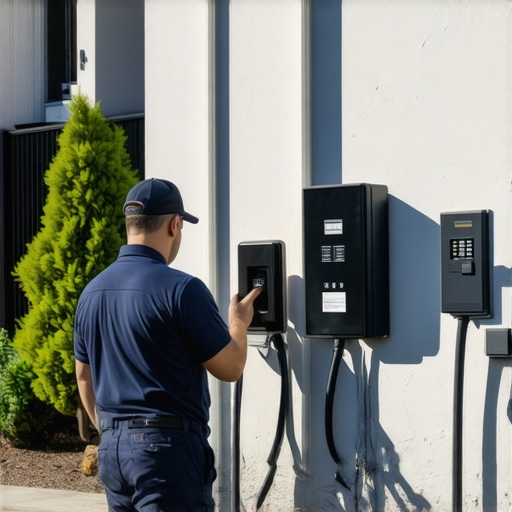
Discovering the Hidden Challenges of EV Charging at Home
Last summer, I faced a frustrating issue with my electric vehicle charger that kept tripping the circuit breaker. As someone passionate about sustainable living, I knew the importance of safe and efficient home charging solutions. My experience taught me valuable lessons about troubleshooting EV chargers and lighting systems, which I want to share with fellow homeowners eager to ensure their setups are safe and reliable.
How I Tackled Lighting and EV Charging Glitches
One evening, I noticed flickering lights whenever I tried to charge my EV. It was concerning because I didn’t want any electrical hazards. I remembered reading about troubleshooting tips from trusted sources like Electricians’ troubleshooting strategies. Carefully inspecting the wiring and using a multimeter, I identified loose connections and overloaded circuits. This hands-on approach significantly improved my system’s safety and performance.
Why Safe Troubleshooting Matters for Homeowners
Understanding the importance of proper troubleshooting cannot be overstated. Faulty wiring or improper installation can lead to dangerous situations, including electrical fires. I learned that consulting professional electricians, especially for complex issues like EV charger installation and lighting troubleshooting, is crucial. They follow standards outlined by authorities like the National Fire Protection Association, ensuring safety and compliance.
What are the key signs that my EV charger or lighting system needs troubleshooting?
In my experience, signs like persistent circuit trips, flickering lights, or unusual noises indicate something’s amiss. Addressing these early prevents escalation and potential hazards. I always recommend homeowners to stay vigilant and seek expert advice when unsure.
If you’re facing similar challenges, I encourage you to share your experiences or ask questions below. Troubleshooting electrical issues can be daunting, but with the right knowledge and professional help, your home can be both safe and efficient for EV charging and lighting.
Unraveling Complex Electrical Challenges in Home EV Charging and Lighting
As a seasoned electrician, I often encounter homeowners grappling with puzzling issues like inconsistent EV charging speeds or flickering lights, which can hint at deeper wiring or circuit problems. These issues, if unaddressed, pose safety risks and can cause costly damages. Drawing from my extensive experience and trusted resources such as expert lighting troubleshooting, I’ll guide you through nuanced diagnostic steps and preventative measures to ensure your home’s electrical system remains safe and reliable.
Deep Dive: Why Your Home’s Electrical System Might Be Struggling
Electrical issues often stem from outdated wiring, overloaded circuits, or improper grounding. For instance, if your EV charger isn’t functioning optimally, it could be due to insufficient circuit capacity or a loose connection. Similarly, flickering or dimming lights might result from voltage fluctuations or poor connections—problems that require careful testing and sometimes, rewiring. Understanding these root causes is crucial for targeted troubleshooting and avoiding recurring issues.
What diagnostic tools and techniques do expert electricians recommend for complex troubleshooting?
Professionals typically use multimeters, clamp meters, and circuit analyzers to assess voltage stability, current flow, and circuit integrity. For example, a multimeter can verify if the circuit voltage aligns with manufacturer specifications, while a clamp meter can detect abnormal current draws. When dealing with EV chargers, inspecting the wiring connections at the outlet and the charger unit itself is critical. Additionally, testing the circuit breaker for proper operation prevents safety hazards. If these diagnostics reveal issues beyond simple fixes, consulting a licensed electrician ensures adherence to safety standards and code compliance, as emphasized by lighting installation best practices.
How can homeowners prevent electrical problems before they escalate?
Preventive maintenance is key. Regularly inspecting wiring and circuits, especially after renovations or electrical upgrades, can catch problems early. Upgrading outdated panels and ensuring proper load balancing reduces the risk of overloads and circuit trips. Installing surge protectors and dedicated circuits for high-demand appliances like EV chargers further enhances safety. I recommend homeowners familiarize themselves with signs of imminent issues—such as persistent flickering, burning smells, or frequent breaker trips—and seek professional assessment promptly. For a comprehensive approach, exploring detailed troubleshooting strategies can be invaluable, as outlined in expert troubleshooting tips.
What are the latest innovations or best practices for ensuring safe, efficient EV charging at home?
Smart charging stations equipped with monitoring features allow homeowners to track energy consumption and receive alerts for irregularities. Additionally, integrating home electrical systems with smart home automation can optimize load management, preventing overloads during peak hours. Following the latest safety standards and codes, such as those from the National Fire Protection Association, ensures compliance and safety. Professional electricians can help design and install these advanced systems, often leveraging solutions like safe EV charging setups. Staying informed about emerging technologies and best practices empowers homeowners to maintain a safe, efficient, and future-proof electrical system.
If you’ve experienced similar issues or want to share your troubleshooting successes, I encourage you to comment below. Sharing practical insights helps build a community of informed homeowners and professional electricians dedicated to electrical safety and innovation.
Delving Deeper: How Do I Identify Hidden Electrical Issues That Could Compromise Safety?
Over the years, my journey through troubleshooting home electrical systems has revealed that many problems are not immediately obvious. Subtle signs like persistent mild flickering or intermittent power drops often hint at underlying issues such as corroded wiring or hidden circuit overloads. I’ve learned that employing advanced diagnostic tools like circuit analyzers and inspecting wiring behind walls can uncover these concealed hazards before they escalate. For instance, using a multimeter and circuit analyzer together allows me to detect voltage inconsistencies and pinpoint problematic connections that might otherwise go unnoticed.
In my experience, addressing these hidden issues requires patience and a keen eye for detail. Sometimes, the root cause lies in outdated wiring that has deteriorated over time, or in improperly grounded circuits. Regular inspections and updates are essential, especially if your home’s electrical system is over a decade old. Remember that safety standards evolve; consulting a professional electrician to evaluate your wiring according to current codes, like those recommended by the National Fire Protection Association, can save lives and prevent costly damages.
What Advanced Techniques Are Essential for Troubleshooting Complex Lighting and EV Charging Issues?
In my work, I’ve found that troubleshooting complex electrical problems often goes beyond simple visual inspections. Techniques such as load testing and circuit impedance measurements can reveal issues like voltage drops under load, which indicate overloaded circuits or faulty wiring. For example, testing the impedance of wiring circuits with a clamp meter can expose hidden resistance that causes flickering or insufficient power delivery to EV chargers.
Moreover, I highly recommend integrating smart diagnostics systems that monitor voltage and current in real-time. These systems can alert homeowners to fluctuations and irregularities early, giving you a chance to intervene before damage occurs. When dealing with high-demand devices like EV chargers, ensuring your home’s electrical panel can handle the load is vital. Upgrading to a panel with dedicated circuits for EV charging and lighting often makes a significant difference in system reliability and safety. For detailed guidance on these advanced troubleshooting techniques, I suggest exploring this comprehensive guide.
How Can I Balance Load and Prevent Future Electrical Failures in My Home?
One of the most effective strategies I’ve implemented in my own home is load balancing. Distributing electrical load evenly across circuits prevents overloads that can trip breakers and cause flickering or even electrical fires. Installing a smart panel with load management capabilities, which can prioritize and distribute power dynamically, has been a game-changer. Additionally, I’ve learned that regular maintenance, including tightening connections and replacing aging wiring, prolongs the lifespan of electrical components.
Another critical aspect is surge protection—both at the panel and for individual devices. Surge protectors guard against voltage spikes caused by lightning or grid fluctuations, protecting sensitive electronics and prolonging the life of your EV charger and lighting systems. Ultimately, proactive planning, combined with regular inspections by qualified electricians, ensures your home’s electrical system remains both safe and efficient. If you’re interested in exploring more about these advanced solutions, check out professional EV charging setup tips.
If you’ve faced similar issues or have insights to share, I invite you to leave a comment below. Sharing real-world experiences not only helps build community but also fosters collective knowledge that can prevent accidents and enhance safety for all homeowners.
Harnessing Diagnostic Precision to Preempt Electrical Failures
Over the years, my deep dive into complex electrical diagnostics has revealed that many persistent issues stem from subtle underlying faults. Employing advanced diagnostic tools, such as high-resolution circuit analyzers and thermal imaging cameras, allows for pinpointing hidden hotspots or resistance anomalies in wiring that standard tools might overlook. For instance, thermal imaging can reveal overheating connections behind walls, signaling potential fire hazards before they manifest visibly. These methods, combined with meticulous load testing, enable a proactive approach to electrical maintenance, significantly reducing downtime and safety risks.
The Nuances of Grounding and Circuit Compatibility
One often underestimated aspect is the importance of proper grounding and circuit compatibility, especially with high-demand devices like EV chargers. Outdated or improperly installed grounding can lead to voltage fluctuations and electrical noise, impairing device performance and risking safety. I recommend verifying grounding integrity using specialized testers and ensuring circuits are rated for the specific load demands, aligning with standards from authoritative bodies like the National Fire Protection Association. Upgrading grounding systems and matching circuit ratings can dramatically boost system stability and longevity.
Integrating Smart Diagnostics for Future-Ready Home Electrical Systems
Looking ahead, integrating smart diagnostic systems offers real-time monitoring and early warning capabilities. These systems, leveraging IoT technology, can continuously track voltage, current, and temperature parameters, alerting homeowners or electricians to anomalies via mobile apps. This proactive monitoring not only prevents catastrophic failures but also optimizes energy efficiency. For example, smart panels equipped with load balancing and fault detection features can dynamically distribute power, preventing overloads during peak usage, especially during simultaneous EV charging and lighting demands. To explore cutting-edge solutions, I suggest reviewing this expert guide on smart electrical systems.
Deepening Your Understanding: How Do I Identify Subtle Electrical Anomalies?
Identifying subtle anomalies requires a keen eye and experience. Persistent mild flickering, intermittent power drops, or unusual residual heat around outlets can indicate loose connections or deteriorating insulation. I have found that employing combination diagnostics—such as using a multimeter alongside thermal imaging—offers comprehensive insights. Regular inspections, especially in homes with older wiring, are essential. Incorporating predictive maintenance strategies, like scheduled thermal scans, can catch developing issues early, avoiding costly repairs or safety hazards. For detailed methodologies, I recommend visiting this step-by-step lighting troubleshooting guide.
Expert Techniques for Managing Load and Preventing Failures
Effective load management begins with precise calculations and strategic circuit design. Installing dedicated circuits for high-demand appliances like EV chargers and lighting fixtures minimizes interference and overload risks. Additionally, employing load balancing devices that dynamically distribute power helps maintain system equilibrium. Surge protection remains vital; installing high-quality surge protectors at the panel and individual outlets guards against voltage spikes that can damage sensitive electronics. I have personally benefited from integrating these solutions, which sustain system reliability and safety over the long term. For expert recommendations, visit this resource on troubleshooting EV chargers.
Engage with My Personal Insights on Electrical Safety Innovations
If you are eager to delve deeper into these advanced troubleshooting techniques or share your own experiences, I invite you to comment below. The collective knowledge of homeowners and professionals can create a safer, more efficient electrical environment. Staying informed about emerging safety standards and innovative solutions ensures your home remains resilient against evolving electrical challenges. Together, we can foster a community committed to electrical excellence and safety.
Things I Wish I Knew Earlier (or You Might Find Surprising)
1. The Subtle Signs Are Often the First Clues
Early indicators like flickering lights or occasional circuit trips can seem minor, but they often point to deeper wiring issues that, if ignored, might lead to safety hazards. I learned this the hard way when a slight flicker turned into a full-blown problem, reminding me to pay attention to my home’s electrical whispers.
2. Overloading Circuits Is More Common Than You Think
Many homeowners underestimate the power demands of EV chargers and lighting systems, leading to overloads. Distributing load evenly and upgrading the panel can save you from unexpected trips and potential fires. My experience taught me the importance of load balancing during renovations.
3. Professional Help Is Worth Every Penny
While DIY troubleshooting can be satisfying, complex issues like faulty grounding or hidden wiring problems are best handled by licensed electricians. Their expertise, combined with tools like circuit analyzers, can prevent costly mistakes and ensure safety.
4. Regular Maintenance Extends System Lifespan
Routine inspections, especially after home upgrades or wiring age, can catch problems early. I now schedule annual checkups, which have saved me from unexpected failures and prolonged the life of my lighting and EV charging systems.
5. Safety Standards Are Evolving—Stay Updated
Standards from organizations like the NFPA are regularly updated, reflecting new safety insights. Keeping informed and ensuring your home’s wiring meets current codes is crucial for safety and compliance. I recommend consulting with professionals familiar with the latest standards.
6. Smart Monitoring Is a Game-Changer
Integrating smart diagnostics and load management systems provides real-time alerts for anomalies. These technologies help me catch issues before they escalate, giving peace of mind and protecting my investments.
Resources I’ve Come to Trust Over Time
- Electricians’ Troubleshooting Strategies: This resource offers practical techniques for diagnosing wiring issues and lighting problems, which have been invaluable in my troubleshooting journey.
- NFPA Official Website: Staying updated with the latest safety standards from the National Fire Protection Association ensures my home remains compliant and safe.
- ReliableElectricPro Blog: Their expert guides on EV charger troubleshooting and home lighting installation are comprehensive and easy to follow, making complex topics accessible.
Parting Thoughts from My Perspective
Reflecting on my experiences, the most valuable lesson is that proactive maintenance and professional guidance are key to a safe and efficient home electrical system. Troubleshooting lighting and EV charging issues might seem daunting at first, but with the right knowledge and tools, you can keep your home safe and reliable. If this resonated with you, I’d love to hear your thoughts. Share it with someone who might find it helpful or drop your own experiences in the comments below — together, we can build a smarter, safer home environment for all.
Reading this post reminded me how critical regular inspections and proper troubleshooting are for maintaining electrical safety in homes, especially with high-demand devices like EV chargers. I experienced flickering lights last year after installing a new circuit for my EV charger, which was a clear sign something wasn’t right. I learned that using a multimeter to check for voltage consistency and inspecting the connections behind outlets could uncover underlying issues before they become serious hazards. I’m curious, has anyone here upgraded their electrical panel specifically for EV charging? If so, how did you approach load balancing and ensuring your system was future-proof? Sharing these experiences could help others prevent costly repairs and safety risks, and I’d love to hear different approaches to optimizing home electrical systems for EV use.
Your firsthand account of troubleshooting EV charger issues really hit home for me, especially the part about inspecting wiring with a multimeter and identifying loose connections. I faced a similar problem last year when my EV charger kept tripping the circuit breaker unexpectedly. It turned out that the circuit was overloaded due to inadequate wiring capacity, and I had to upgrade my electrical panel to handle the increased load. One thing I’ve learned is how crucial proper load balancing is, particularly when multiple high-demand devices are involved. Has anyone here explored smart load management systems or panels with dynamic load balancing? These solutions could be a game-changer for ensuring safety and efficiency at home. It’s reassuring to see such detailed troubleshooting guidance—thanks for sharing these insights. Navigating home electrical safety can be daunting, but with the right tools and knowledge, we can prevent bigger hazards and extend the lifespan of our systems.