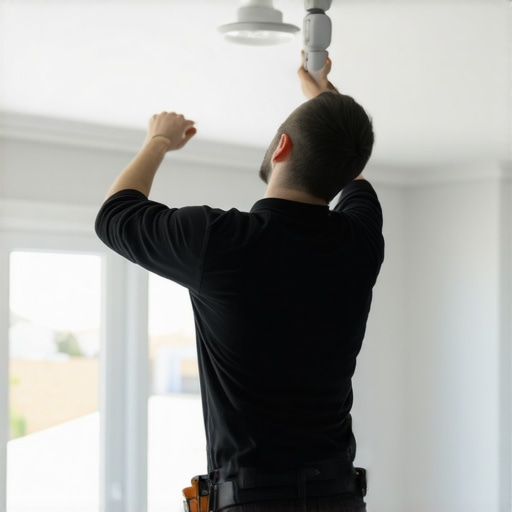
Ever experienced that sinking feeling when you flip a switch and nothing happens? Or worse, flickering lights that seem to dance on their own? I’ve been there, and I know how frustrating and even dangerous lighting issues can be. One night, I found myself in a room with flickering lights and a faint smell of burning plastic. It was a wake-up call. That moment made me realize how crucial proper lighting installation and troubleshooting are for home safety. If you’re like me, you want a home that’s not just bright but also safe and reliable.
Why Home Lighting Matters More Than Ever in 2025
Lighting isn’t just about aesthetics; it’s a fundamental part of home safety and efficiency. Faulty wiring or improper installation can lead to electrical fires, shocks, or damage to your appliances. With the rise of electric vehicles and smart home systems, the electrical load on our homes is increasing dramatically. According to a recent study, electrical fires caused by improper wiring or malfunctioning devices account for nearly 50,000 house fires annually in the U.S. alone. That’s a staggering number that underscores the importance of expert installation and troubleshooting. If you’ve ever faced flickering or inconsistent lighting, you know how disruptive and dangerous it can be. Today, I’ll share practical tips and insights to help you troubleshoot common issues and ensure your home lighting system is safe and reliable. Want to prevent a potential fire or electrical shock? Keep reading.
Is DIY Troubleshooting Really Enough or Is It Risky?
Early in my journey, I made the mistake of thinking I could handle small electrical fixes myself. I replaced a faulty switch without turning off the main power, thinking it was a quick job. Big mistake. Not only did I risk electrocution, but I also worsened the problem. That experience taught me that while some minor issues can be tackled safely with proper knowledge, many problems require a professional touch. If you’re unsure about your skills, it’s best to consult trusted electricians or follow comprehensive guides, like those found at Expert Lighting Installation Troubleshooting.
So, are you tired of flickering lights, tripped breakers, or unexplained outages? Do you worry about electrical safety in your home? If so, you’re in the right place. In the next sections, I’ll walk you through the key steps to troubleshoot and fix common lighting issues, helping you create a safer, more reliable home environment for 2025 and beyond.
,
Test Your Circuit Breakers
Start with the basics by checking your main circuit breaker. Think of it as the gatekeeper for your home’s electrical flow. If a breaker has tripped, it cuts off power to prevent damage or fire. Locate your breaker panel, usually in the basement or utility closet, and look for any switches in the OFF position or that are visibly discolored. Resetting a tripped breaker is simple: flip it fully OFF, then back ON. I once had a flickering kitchen light; after resetting the breaker, the flickering stopped, restoring safety and peace of mind.
Identify Faulty Switches and Fixtures
Next, inspect the switches and fixtures associated with the flickering or outages. Turn off the power at the breaker before touching any components. Remove the switch cover with a screwdriver, and look for loose wires or burn marks. Tighten any loose connections using a wire stripper and screwdriver. Be cautious—if wires are burnt or damaged, it’s best to consult a professional. I learned this the hard way when I ignored a loose connection, which caused sparks during troubleshooting. Proper inspection can prevent further damage or fire hazards.
Examine the Wiring System
Wiring issues are often the root cause of lighting problems. Use a voltage tester or multimeter to check if wires are carrying current correctly. For example, I used a multimeter on a problematic fixture and discovered a broken wire connection inside the junction box. Carefully disconnect the fixture, then reattach or replace faulty wiring. Always turn off the main power before opening junction boxes. If wiring appears old or damaged, consider upgrading to meet current safety standards. For comprehensive wiring inspection and upgrades, visit Lighting Installations Made Easy.
Test and Replace Faulty Components
Identify faulty components like switches, dimmers, or bulbs. When a bulb flickers or a switch feels loose, replace it with a new, compatible model. For example, I replaced a dimmer switch that caused flickering; choosing a model rated for LED lights fixed the issue. Always use the correct wattage and type specified by the manufacturer. If replacing fixtures or switches doesn’t solve the problem, the component may be internally damaged and need professional replacement. You can find expert tips on Lighting Installation Troubleshooting.
Perform Regular Maintenance Checks
Prevent future issues by scheduling routine inspections. Check for loose connections, corrosion, or signs of overheating in your electrical panel and fixtures. I set a reminder to review my wiring every six months, which helped me catch a loose terminal before it caused a fire. Keep an eye out for warm switches or buzzing sounds, which indicate potential trouble. Also, ensure your home’s electrical system can handle increased loads from devices like EV chargers. For guidance on safe EV charger setup, refer to EV Charging Station Setup.
When to Call a Professional
If troubleshooting steps don’t resolve issues or if you notice burning smells, sparks, or persistent outages, it’s time to get expert help. An electrician can perform in-depth diagnostics and repairs safely. Remember, electrical work is complex and dangerous if mishandled. Trust licensed professionals to ensure your home remains safe, especially as electrical demands grow. For trusted assistance, contact us via Contact Us.
Many homeowners believe they can handle all lighting issues on their own, but this can lead to overlooked nuances that compromise safety and system integrity. A prevalent misconception is that flickering lights are always caused by loose bulbs or outdated fixtures. While this is sometimes the case, often the problem stems from wiring or circuit overloads that are not immediately visible. Relying solely on basic troubleshooting without understanding the underlying electrical principles can be dangerous and ineffective.
Another common myth is that resetting a circuit breaker or replacing a switch is a quick fix that doesn’t require professional inspection. However, frequent breaker trips or persistent flickering can be signs of deeper issues like faulty wiring, aging panels, or even hidden damage caused by previous electrical faults. Ignoring these symptoms can result in fire hazards or electrical shocks, especially as your home’s electrical demands grow with new devices such as EV chargers. For advanced troubleshooting, it’s better to consult expert electricians or review comprehensive resources like Lighting Installations Made Easy.
Why Do Many People Overlook Voltage Fluctuations?
One often-missed nuance is the impact of voltage fluctuations on home lighting. Many assume that if the lights flicker intermittently, it’s a minor issue. But consistent voltage dips or surges can damage sensitive electronic components and cause bulbs to burn out prematurely. Modern LED lighting, in particular, is vulnerable to unstable power supply, which can be caused by poor wiring connections or overloaded circuits. Understanding how voltage stability affects your lighting can help you avoid costly replacements and safety risks. A study from the National Electrical Safety Foundation highlights that voltage irregularities are a leading cause of electrical failures in residential systems, emphasizing the importance of proper load management and professional diagnostics.
Have you ever fallen into this trap? Let me know in the comments. Remember, when in doubt, consulting experienced electricians ensures your home remains safe and your lighting system reliable. Don’t underestimate the complexity of electrical systems—what seems like a simple fix might hide more serious issues. For comprehensive guidance, visit Expert Lighting Installation Troubleshooting or contact professional electricians for personalized advice.
Keeping your home lighting and electric vehicle (EV) charging systems running smoothly over time requires the right tools and a proactive maintenance routine. In this guide, I’ll share the specific equipment I personally use to diagnose and maintain these systems, along with strategies to ensure long-term reliability. As technology advances, so do the tools available, making it easier than ever to troubleshoot and keep your electrical setup in top shape.
Invest in a Quality Multimeter and Voltage Tester
The cornerstone of any electrical troubleshooting kit is a dependable multimeter. I personally prefer the Fluke 117 Electrician Multimeter because of its precision, durability, and ease of use. It allows me to measure voltage, current, and resistance accurately, helping identify wiring issues, voltage fluctuations, and faulty components. A good multimeter is essential for safely testing circuits before performing any work. Additionally, a non-contact voltage tester, like the Klein Tools NCVT-3, helps quickly verify live wires without risking shock, saving time during inspections.
Use a Thermal Camera for Hidden Hotspots
In my experience, thermal imaging cameras, such as the FLIR TG165-X, are game-changers for identifying overheating components or loose connections that can cause flickering or fire hazards. These devices visualize heat patterns, revealing problems behind walls or inside junction boxes that are invisible to the naked eye. Regular scans can catch issues early, preventing costly repairs and safety risks. As smart home systems become more integrated, thermal cameras are expected to become even more compact and affordable, making routine inspections more accessible for homeowners.
Adopt Software for System Monitoring
For EV chargers and smart lighting systems, I recommend using reliable monitoring apps like Lighting Installations Made Easy. These apps provide real-time status updates, diagnostics, and troubleshooting guides. They empower homeowners to perform basic checks and understand when professional intervention is needed. In the future, I predict increased integration of AI-powered diagnostics that can proactively alert you to potential issues before they escalate, further reducing downtime and repair costs.
Schedule Routine Inspections and Keep Records
Besides the tools, maintaining a detailed log of inspections, repairs, and part replacements helps you track system health over time. I use a simple spreadsheet to record dates, findings, and actions taken, which simplifies future troubleshooting. Regular inspections of wiring connections, circuit breakers, and EV charger outlets—at least twice a year—can prevent surprises. For example, I discovered a loose terminal during a routine check, which prevented a potential fire hazard. Don’t forget to document any upgrades or modifications for future reference and warranty purposes.
How do I maintain my electrical systems over time?
Consistent maintenance involves cleaning connections, checking for corrosion, and verifying that your electrical load is balanced. Use your multimeter regularly to monitor voltage stability, especially if you notice flickering lights or power surges. Keep an eye on your EV charger’s performance via its app, and follow the manufacturer’s maintenance recommendations, like those outlined at Top EV Charger Maintenance Tips. Upgrading aging wiring and circuit breakers as your electrical demands grow ensures safety and efficiency. Remember, when in doubt, consulting with a licensed electrician is always the safest choice. For comprehensive system health checks, consider scheduling professional inspections and leveraging tools like thermal cameras and monitoring software to stay ahead of potential issues.
By investing in the right equipment and adopting a disciplined maintenance routine, you can extend the lifespan of your home’s electrical systems, prevent costly repairs, and ensure safety for years to come. Why not start today by testing your system with a multimeter or scheduling a thermal scan? Small steps today lead to peace of mind tomorrow.
Lessons I Wish I Learned Sooner About Home Lighting Safety
- One of the hardest lessons I learned was the importance of not ignoring small signs of trouble, like flickering or buzzing, because they often signal bigger issues lurking behind the scenes. Addressing these early can prevent fires or shocks.
- Another insight is that DIY fixes have limits. While it’s tempting to save money, some problems—especially wiring and panel issues—are best left to licensed professionals to avoid dangerous mistakes.
- Finally, I realized that regular maintenance and proper tools are the best investments you can make. A good multimeter and thermal camera saved me from costly repairs and kept my family safe.
Tools and Resources That Elevated My Approach
- Fluke 117 Multimeter – Its precision and durability make it my go-to for testing voltage and resistance safely. I trust it because it’s built for electricians and serious homeowners alike.
- FLIR TG165-X Thermal Camera – Spotting hotspots before they turn into fires is a game-changer. I use it regularly to catch overheating wiring or connections hiding behind walls.
- Expert Lighting Troubleshooting Guides – The comprehensive guides at Lighting Installations Made Easy helped me understand complex issues and DIY safely when appropriate.
- Monitoring Apps for EV Chargers and Smart Lighting – These tools give real-time feedback, helping me catch issues early and plan maintenance effectively, ensuring long-term reliability.
Your Next Step Toward a Safer Home Lighting System
Remember, small proactive steps today can prevent major safety hazards tomorrow. Whether it’s testing your wiring with a multimeter or scheduling a professional inspection, taking action now will pay dividends in safety and peace of mind. Home electrical systems are intricate, but with the right knowledge and tools, you can master them and create a safer environment for everyone.
What’s the first electrical issue you plan to tackle in your home? Share your story below—I’d love to hear your journey toward safer lighting!
,
Reading through this comprehensive guide really hit home. I’ve had my fair share of flickering lights and circuit breaker trips, especially after adding new appliances and upgrading my home’s electrical system. What stood out most to me was the emphasis on regular maintenance and using the right tools like a multimeter and thermal camera. I’ve found that investing in these tools early on saved me from more expensive repairs down the line. Additionally, I once ignored small signs of electrical issues, thinking they weren’t serious, but it turned into a much bigger problem later. It makes me wonder—how often do others here perform routine inspections beyond their annual checkups? I’d love to hear about the strategies other homeowners are using to keep their systems safe and efficient, especially with the increased electrical loads we’re all facing today.