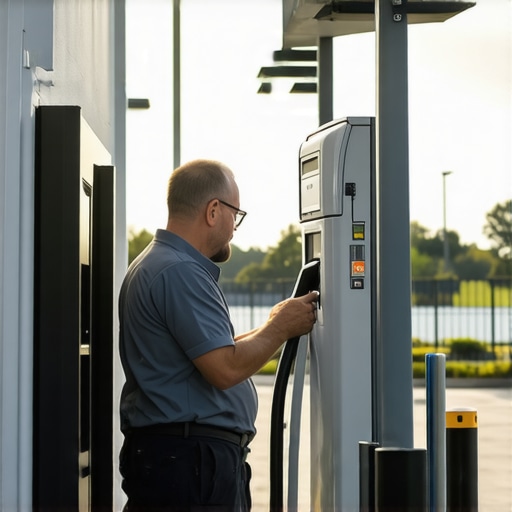
Ever been halfway through charging your electric vehicle or flipping a switch for the lighting, only to have everything suddenly go dark or the charger refuse to work? That sinking feeling when your home’s electrical system throws a tantrum is more common than you might think. I remember the first time I faced this frustration—thinking I could just reset a breaker and all would be well. Turns out, that was just the tip of the iceberg. The real challenge was understanding what was causing the problem and how to fix it safely and effectively.
Why Troubleshooting Skills are Your Best Friend in Home Electrical Work
Troubleshooting isn’t just for electricians with years of experience. It’s a skill that homeowners and DIY enthusiasts can develop to save time, money, and headaches. When your EV charger or lighting system malfunctions, a systematic approach helps you identify the root cause rather than just patching symptoms. Did you know that improper troubleshooting can lead to dangerous electrical fires? According to the National Fire Protection Association, electrical failures are a leading cause of home fires, often caused by incorrect repairs or misdiagnosis of issues.
If you’ve ever wondered whether you should call a professional or try fixing things yourself, you’re not alone. I’ve been there, too. And I’ll tell you, the difference between a quick fix and a costly mistake is understanding the common pitfalls and how to avoid them. For example, early on I made the mistake of ignoring loose wiring connections, which later caused more extensive damage. That experience taught me the importance of thorough inspection and proper safety measures.
Have You Faced This Problem Before?
Is your home experiencing frequent electrical issues that disrupt your EV charging or lighting? Do you worry about safety when troubleshooting these problems? Don’t worry—help is available. I’ll walk you through the essential steps to troubleshoot your EV chargers and lighting installations like a pro. Whether it’s a tripped breaker, faulty wiring, or a defective device, I’ll share proven tips from my own troubleshooting adventures that you can apply today. For a comprehensive guide, check out this expert troubleshooting resource.
Now, let’s get into the practical steps that will empower you to diagnose and fix common electrical problems safely and efficiently. Ready to become your own troubleshooting hero? Let’s dive in.
Step Into the Troubleshooting Zone
When your EV charger or lighting system fails, the first instinct might be to panic or call an electrician immediately. However, developing a systematic troubleshooting approach turns you into your own handyman hero. I remember one evening when my living room lights flickered unexpectedly. Instead of rushing to call a pro, I followed a clear process that saved me time and money.
Check the Basics First
Start by inspecting obvious issues. Make sure the device is plugged in properly, switches are turned on, and there are no visible signs of damage. For example, I once found my EV charger’s power cord loose. Simply securing it restored charging instantly. Think of this step as the foundation of a house—you need a solid base before building upward.
Test the Circuit Breaker
Next, verify the circuit breaker. Locate your electrical panel and look for any tripped breakers. Resetting a breaker is straightforward—flip it fully off, then back on. I recall a time when a breaker tripped after a storm, cutting power to my garage. Resetting it fixed the problem, but only after I checked for underlying causes like a surge. For complex lighting or EV issues, consult this step-by-step lighting guide.
Inspect Wiring Connections
Loose or damaged wiring is a common culprit. Turn off the power before inspecting. Use a voltage tester to confirm no current flows before handling wires. I once found a loose terminal in my outdoor lighting fixture that caused flickering. Tightening the connection immediately resolved the issue. Remember, if you’re uncomfortable handling wiring, it’s wise to consult a professional to avoid safety hazards.
Test the Device Itself
If the circuit and wiring are fine, the problem might lie with the device. Try plugging the EV charger or light into a different outlet. If it still doesn’t work, consider testing the device on another circuit or replacing it. I replaced a faulty light switch that was causing intermittent power, which was a game-changer. For troubleshooting tips specific to EV chargers, check this guide.
Use Diagnostic Tools
Multimeters and circuit testers are invaluable. They help measure voltage and continuity, pinpointing faults quickly. When I used a multimeter to test my outdoor wiring, I identified a broken wire that wasn’t visible to the naked eye. Proper use of these tools accelerates troubleshooting and prevents guesswork.
Document and Take Action
Keep notes of what you’ve checked and the results. This record helps identify patterns and informs whether you need further professional help. If after these steps your problem persists, reaching out to a licensed electrician is the safest move. For expert assistance, visit our contact page.
When it comes to troubleshooting electrical problems in your home, many homeowners fall prey to misconceptions that can lead to unsafe practices or ineffective repairs. Let’s dig deeper into some of the most common myths and reveal the hidden nuances that can make your troubleshooting efforts more successful and safer.
Why Every Troubleshooter Should Question the Myth That Resetting Breakers Fixes All Problems
One widespread belief is that simply resetting a tripped breaker will resolve electrical issues. While this might work temporarily, it often masks underlying problems like overloaded circuits, faulty wiring, or failing devices. Relying solely on this quick fix can be dangerous, especially if the breaker trips again soon after. Electricians know that frequent breaker trips are a warning sign of deeper issues that require careful diagnosis. For advanced troubleshooting, using diagnostic tools like multimeters to check voltage and continuity can uncover hidden faults that a simple reset won’t address. Always remember, if a breaker trips repeatedly, it’s best to consult a professional rather than assume it’s a minor nuisance. For more detailed guidance, explore this troubleshooting resource.
Beware of the Trap: Ignoring the Importance of Proper Safety Protocols
Many DIY enthusiasts overlook the importance of safety when troubleshooting electrical issues. The misconception that electrical work is safe as long as you turn off the power is flawed. In reality, wiring and components can still carry residual voltage or be improperly grounded, posing serious risks. Electricians emphasize the necessity of verifying that power is truly off with a voltage tester before handling any wiring. Additionally, wearing appropriate personal protective equipment (PPE) and following established safety standards can prevent injuries or worse. Skipping these precautions is a common mistake that can have severe consequences. Remember, safety should always come first—if you’re unsure, reaching out to a licensed electrician is the wisest choice. Learn more about safe troubleshooting practices at this expert guide.
What Are the Nuances That Even Experienced DIYers Miss
Experienced homeowners often assume that if a device isn’t working, replacing it is the solution. However, this overlooks the nuanced electrical relationships within your system. For example, a faulty switch might not be the root cause; instead, the problem could stem from a damaged wiring connection or an overloaded circuit. Furthermore, many overlook the importance of proper grounding and circuit balancing, which can lead to intermittent issues or even electrical fires. Advanced troubleshooting involves understanding how different components interact, inspecting wiring integrity, and testing circuits systematically. Electricians use tools like clamp meters and circuit analyzers to diagnose complex issues efficiently. To avoid common pitfalls, consider reviewing this detailed troubleshooting guide.
Have you ever fallen into this trap? Let me know in the comments. By challenging these misconceptions and paying attention to the hidden nuances, you can troubleshoot more effectively and keep your home safe.
Keeping your home electrical system running smoothly over the years requires more than just patching problems as they appear. It’s about investing in the right tools, performing regular maintenance, and understanding how to scale your efforts as your home’s electrical needs grow. In this guide, I’ll share the specific tools I recommend for maintaining your electrical setup and how they can help you achieve long-term reliability.
Why a Good Multimeter Is Your Best Friend
First and foremost, a high-quality multimeter is essential. I personally use the Fluke 117 Electrician’s Multimeter because of its accuracy, durability, and ease of use. It allows me to measure voltage, current, and resistance precisely, which is invaluable when diagnosing intermittent issues or verifying safety before working on circuits. Regular testing with a multimeter helps prevent minor faults from escalating into costly repairs or dangerous situations. As technology evolves, I predict that multimeters will incorporate smarter features—like Bluetooth connectivity for logging readings—making maintenance even more straightforward in the future.
Invest in Circuit Testers and Voltage Detectors
Beyond multimeters, non-contact voltage detectors are quick tools I always keep handy. I rely on the Klein Tools NCVT-3 to instantly check if a circuit is live without risking contact with wires. For ongoing maintenance, I also use circuit analyzers like the Southwire 40150N to troubleshoot complex wiring issues. These tools save time and enhance safety during inspections, especially when dealing with older wiring or new installations. As the trend moves toward smart home systems, I foresee these testers integrating with apps to provide real-time diagnostics and alerts.
Using Software and Apps for Troubleshooting
While physical tools are vital, software solutions are becoming increasingly important. I recommend using electrical troubleshooting apps that can help log and analyze readings over time. For example, the Fluke Connect app pairs with multimeters and allows you to track voltage fluctuations or fault patterns remotely. This long-term data collection aids in identifying recurring issues before they turn into failures, and prepares you for professional repairs if needed. As AI-driven diagnostics develop, future tools may even predict failures before they happen based on historical data.
How do I keep my electrical system working over time?
Regular inspections are key. Schedule annual checks where you test outlets, switches, and wiring with these tools. Keep your equipment calibrated and replace batteries in your testers as recommended. Clean and tighten connections periodically, especially after extreme weather events. If your system is aging, consider upgrading circuits or adding dedicated lines for high-demand appliances like EV chargers. Proper maintenance not only prolongs the lifespan of your electrical infrastructure but also keeps your home safe and efficient.
Ready to step up your maintenance game? Try using your multimeter to verify that all outlets and switches are functioning correctly, especially after storms or heavy usage. It’s an easy, proactive way to catch issues early. For more detailed tips on maintaining your EV charging station, visit this resource.
Over the years, I’ve learned that the most valuable skill when dealing with home electrical issues isn’t just knowing how to reset a breaker—it’s understanding the deeper lessons that turn a frustrating problem into an opportunity for smarter, safer repairs. Here are some of the top insights I’ve gained from my troubleshooting journey that I wish I knew early on.
What I Wish I Had Known About Electrical Troubleshooting
- The Hardest Lesson wasn’t about the tools but about patience. Rushing into a fix often leads to overlooking simple but critical issues like loose connections or faulty devices. Taking the time to methodically test each component saved me from costly mistakes.
- Myth-Busting: Not every trip of the breaker is a minor nuisance. Frequent trips are often signs of bigger problems like overloaded circuits or damaged wiring—ignoring them can be dangerous.
- Safety First isn’t just a phrase. I realized that verifying power is off with a reliable voltage tester before handling wires is the difference between a safe repair and a disaster. Skipping safety protocols can have serious consequences, so always wear PPE and double-check.
- Nuances That Matter: Replacing a device without inspecting the wiring or circuit conditions is like treating symptoms without curing the disease. Understanding how components interact and ensuring proper grounding can prevent future issues.
Tools That Changed How I Maintain My Home
My essential toolkit includes a high-quality multimeter like the Fluke 117, which helps me quickly diagnose voltage and continuity issues. I also keep a non-contact voltage detector handy for quick safety checks. For ongoing monitoring, I rely on apps that log readings over time, making it easier to spot patterns before problems escalate. Regular inspections using these tools have been crucial for preventing emergencies and maintaining a safe, reliable electrical system.
Keep Learning and Stay Safe
The future of home electrical troubleshooting is exciting, with smarter tools and AI-driven diagnostics on the horizon. But the core principle remains the same: always prioritize safety, be systematic, and keep learning. If you’re ready to take your troubleshooting skills to the next level, start by testing your outlets and circuits regularly with the right tools. For more detailed guidance, visit this comprehensive lighting guide.
What has been your biggest electrical challenge at home? Share your experience below—I’d love to hear your story and help you troubleshoot smarter!
Reading through this detailed troubleshooting guide really resonated with me. I remember when I first started tackling electrical issues around my home, I was overwhelmed and sometimes even scared of making things worse. I learned that having the right tools like a good multimeter and a voltage tester makes a massive difference—not just for safety, but for accuracy in diagnosing problems. One thing I’ve found particularly helpful is keeping a small notebook to document what I check each time I troubleshoot a circuit or device. This habit not only keeps me organized but often reveals patterns I might miss otherwise. For homeowners trying to cut costs, I think developing troubleshooting skills is invaluable, especially with increasingly complex smart home systems. Have others experienced unique challenges with smart wiring or newer tech? How do you approach troubleshooting in those cases?
This post hits home for me. I used to be hesitant about tackling electrical troubleshooting myself, fearing I might cause damage or be unsafe. But over time, I realized that with the right approach and proper safety precautions, DIY troubleshooting can save a lot of money and stress. I especially appreciate the emphasis on testing circuits with multimeters and using diagnostic tools—those small steps make a big difference. One thing I’ve learned is that taking detailed notes during each troubleshooting session helps me identify recurring issues, especially with my older home’s wiring. It’s also a good idea to keep safety gear handy—gloves, insulated tools, and a reliable voltage tester—to prevent accidents. I’m curious, has anyone found smart home systems complicate troubleshooting, or do they actually make diagnostics easier with integrated apps and remote monitoring? Would love to hear others’ experiences with modern home wiring and troubleshooting approaches.