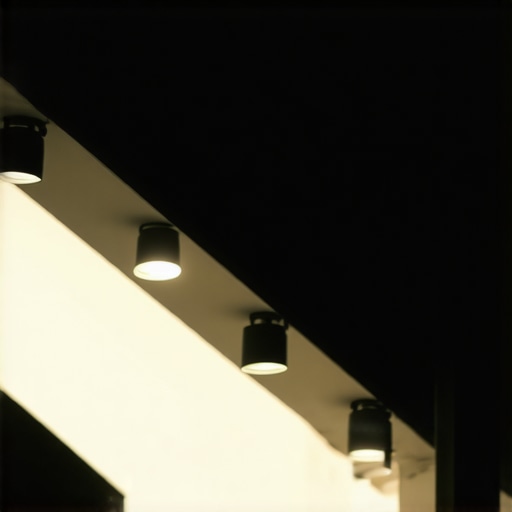
I’ve spent thirty-five years smelling things you don’t want to smell. The sharp, metallic tang of ozone in a bedroom. The rank, fishy stench of a melting bakelite socket. Most homeowners see a sagging track light and think it’s a cosmetic nuisance. I see a house fire waiting for an invitation. When that track starts to pull away from the ceiling, it’s not just gravity winning the war; it’s usually a sign of incompetent installation or thermal stress that’s been cooking your drywall for years. Most of these ‘renovated’ homes I walk into are nothing more than a series of electrical crimes hidden behind a fresh coat of eggshell paint.
The Flipper Special: A Forensic Reality Check
I walked into a ‘fully renovated’ kitchen last month where the track lighting was drooping like a wet noodle. The flipper had installed three ten-foot tracks in a continuous run, but instead of hitting the joists, they’d used plastic drywall anchors—the cheap kind that have no business holding more than a picture frame. But that wasn’t the worst part. When I pulled my Tick Tracer out to verify the circuit was dead, I found the source of the sag. The flipper had buried a live junction box behind the backsplash and tapped into a circuit that was already overloaded with a refrigerator and a microwave. They’d used a scrap of 14-gauge Romex to feed a commercial-grade track system. The heat from the undersized wire had softened the plastic anchors until they simply let go. I found the buried box using my tracer, and it was a mess of scorched wire nuts and melted insulation. This is what happens when aesthetics override physics.
“Aluminum wire connections can overheat and cause a fire without tripping the circuit breaker.” – CPSC Safety Alert 516
The Physics of the Sag: Why 2026 Homes Are Struggling
Modern homes in 2026 are increasingly power-hungry, even with LED technology. We are packing more hardware into our ceilings than ever before. If your track lighting is sagging, we have to look at the Infrastructure Context. In many mid-century homes built between 1960 and 1980, we deal with the ghost of Aluminum Wiring. This is where Cold Creep becomes your worst enemy. Aluminum is a soft metal; it expands and contracts significantly more than copper when it carries current. This constant movement loosens the screws at the terminal block of your track lighting. As the connection loosens, resistance increases. Resistance generates heat. Heat causes the mounting surface to degrade. This is why aluminum wiring repair is not a DIY job; it’s a forensic necessity. You need AlumiConn connectors and a torque screwdriver set to inch-pounds, not a ‘handyman’ with a pair of Dikes and a prayer.
1. Structural Reinforcement: Beyond the Drywall
If your track is sagging, stop tightening the screws. You’re just stripping the gypsum. A proper Rough-in requires the track to be secured to structural members. If the layout doesn’t align with your joists, we use a continuous backing strip or heavy-duty toggle bolts rated for four times the weight of the fixture. In restaurant kitchen electrical environments, grease buildup adds weight and creates a fire hazard known as ‘tracking,’ where the grease becomes a semi-conductive path for electricity to jump phases. We don’t just screw it back in; we clean the track and verify the integrity of the mounting points to prevent a collapse during peak service hours.
2. The Thermal Autopsy of the Track Head
I’ve seen ‘pro’ fixes where people just shove a shim into the track. That’s a Widow Maker move. When a track sags, the internal copper bus bars can become misaligned. If the track head isn’t seated perfectly, you get arcing. Arcing is essentially a localized lightning storm at 3,000 degrees Fahrenheit. It pits the copper, creates carbon tracking, and eventually melts the track head. During electrical inspections, I use a thermal camera to look for hot spots. If that track is sagging, the geometry of the connection is compromised. We check the bus bars for pitting and replace any track sections that show signs of heat discoloration.
“Lighting track shall be permanently installed and permanently connected to a branch circuit. Only lighting track fittings shall be installed on lighting track. Lighting track fittings shall be specifically designed for the specific lighting track on which they are installed.” – NEC 410.151(A)
3. Managing the Load and Circuit Integrity
Sometimes the sag is a symptom of a larger problem: weight distribution and wire gauge. If you’re hanging heavy, high-output fixtures on a residential-grade track, you’re asking for trouble. This is common when people try to do a DIY ceiling fan installation on a circuit meant for a few LEDs. The vibration from an imbalanced fan will vibrate track lighting screws right out of the ceiling. We ensure that your lighting is on its own Home Run to the panel, especially if you have sensitive electronics nearby. In homes with extensive fiber optic cabling or security camera wiring, electrical noise from a poorly seated, arcing track light can interfere with data signals. This is why data closet organization must include a clear separation between high-voltage lighting and low-voltage data lines.
4. Addressing the Aluminum Connection
If your home has 1970s DNA, your sagging track might be caused by the wires literally pushing the fixture away from the ceiling as they overheat. When we perform preventative electrical maintenance, we look for the ‘telltale soot’ around the canopy. Aluminum wiring needs specialized attention to prevent the screws from backing out. We use an anti-oxidation paste—what some old-timers call Monkey Shit, though that’s usually reserved for duct seal—to ensure the connection doesn’t corrode. If the wire is nicked, it creates a hot spot that acts like a fuse, but one that doesn’t blow until the wall is on fire. My old journeyman used to say, ‘You nick the copper, you buy the house.’ With aluminum, that’s twice as true.
5. Integration with Modern Backup Systems
In 2026, many homes are moving toward total resilience. If you have a home backup generator install, your lighting needs to be part of the load shedding plan. A sagging, poorly connected track light is a massive surge risk when the generator kicks in. The ‘inrush current’ can turn a weak, arcing connection into a full-blown short. We inspect the entire path from the transfer switch to the track to ensure your emergency power isn’t feeding a fire. Whether it’s ethernet wiring services or lighting, every connection must be torqued to spec. I don’t care what the ‘smart home’ brochure says; if the physical wire isn’t tight, the system is a failure.
The Verdict: Sleep at Night Knowing It’s Torqued
Electricity isn’t a hobby. It’s a fundamental force of nature that wants to find the shortest path to the ground, and it doesn’t care if your house is in the way. If your track lighting is sagging, don’t reach for a screwdriver and a plastic anchor. Reach for a professional who knows how to use a Wiggy to test for real-world voltage drops under load. Whether you’re worried about ev charger troubleshooting or just a flickering light in the hall, the solution is always the same: respect the physics, follow the Code, and never trust a flipper’s ‘renovation.’ A sagging track is a warning. Listen to it before the smell of ozone becomes the smell of everything you own burning to ash.